



West-Facing Building in India? The Facade Fixes That Stop Afternoon Heat
25-10-26 | Architectural Insights
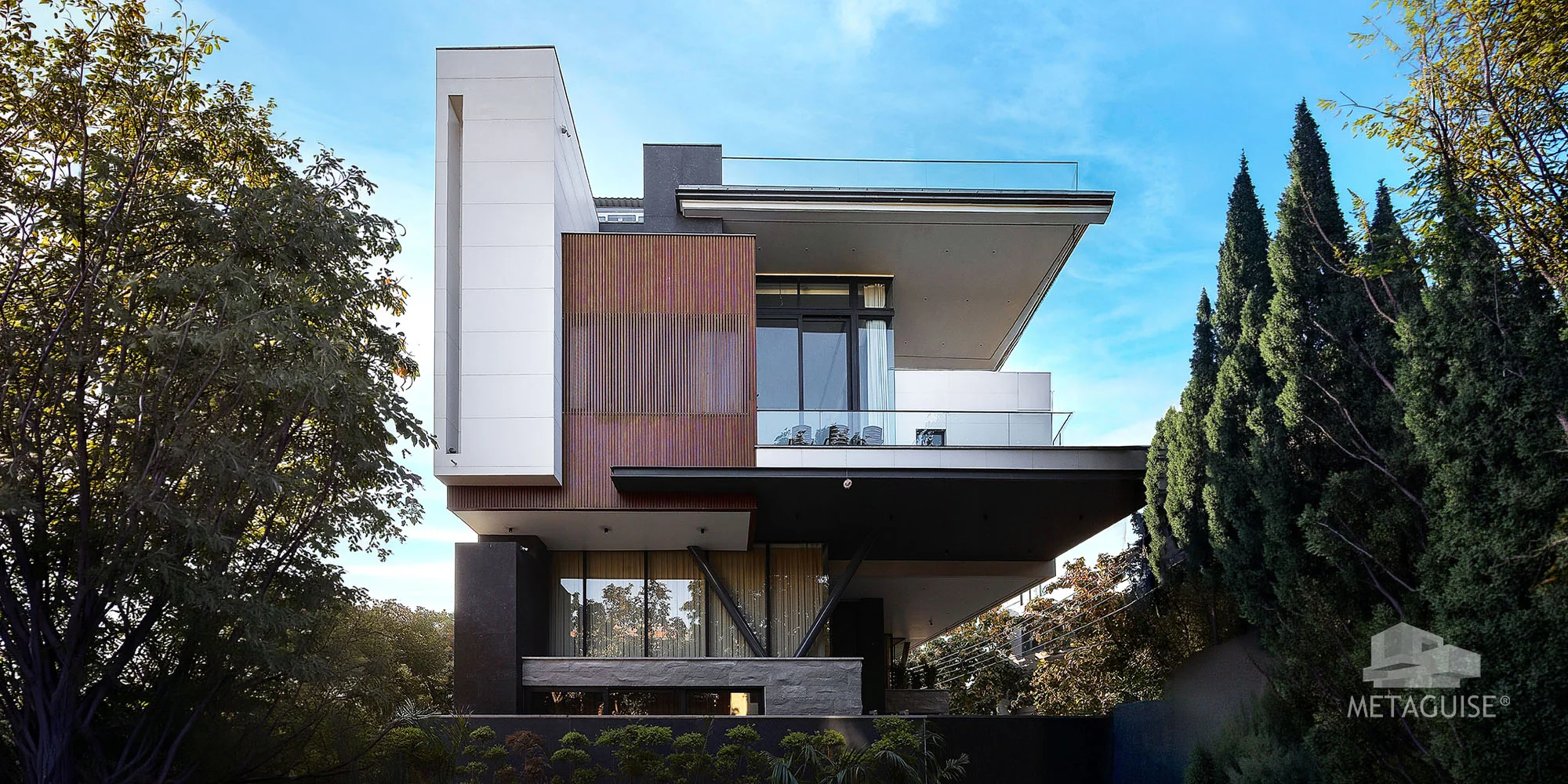
Every Indian homeowner knows the feeling. By 3 pm, the west wall is too hot to touch, the bedroom behind it feels like an oven, and the air conditioner runs flat out until late evening. If your plot or building faces west, that is not bad luck. It is physics, and it can be fixed with the right facade. This guide explains why west faces heat up so badly, and which facade, shading and finish choices make the biggest difference.
Why West Facing Walls Are the Hardest to Protect
In the afternoon, the sun sits low in the west. Its rays hit the wall almost straight on, and they come in at an angle that goes right under normal overhangs. By then, the wall and the surrounding air have already been heating up since morning. The result:- The wall absorbs heat for hours and releases it into the room well into the night
- Glass on the west side lets in strong, low angle sun and glare
- Cooling load peaks exactly when the outdoor temperature is highest
A roof overhang or a plain horizontal canopy does little here, because the sun is too low. West faces need vertical protection and layered protection.
The 5 Facade Fixes That Work
1. Add an Outer Shading Layer
The best fix is to stop the sun before it reaches the wall or glass. A metal screen, fins or louvers set a short distance away from the building take the sun's heat first. The air gap behind carries away heat instead of letting it pass through. Vertical fins are especially effective on west faces, because they block low sun coming from the side. See our guide on architectural fins design and explore the MetaFin system.2. Use Perforated or Mesh Screens
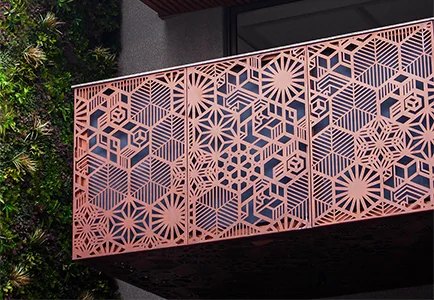
A perforated metal screen filters the sun through small openings. It cuts heat and glare, yet keeps some view and airflow. It also casts a beautiful pattern of light. Read more about the power of perforation.3. Choose a Ventilated Facade
In a ventilated system, metal panels are fixed a few centimetres off the wall, leaving a cavity. Hot air rises and escapes through the cavity, so less heat reaches the wall behind. This is one of the best passive fixes for a west wall. Learn more in ventilated metal facade systems.4. Reduce and Protect Glass
Glass is the weakest point on a west wall. Options include:- Fewer or smaller west facing windows
- Placing service rooms, stairs and storage on the west side
- Deep recesses so windows sit in shade
- Outer louvers or screens over the glass
- Higher performance glass where windows are needed
See the MetaLouver range for louver options.
5. Pick Light Colours and Quality Finishes
Dark surfaces absorb more heat. Lighter colours reflect more sunlight and stay cooler. A durable finish also keeps its colour in strong sun. Our guide on PVDF vs powder coat explains how to choose a finish that lasts.Fixed vs Movable Shading for West Faces
| Option | Strength | Trade-off |
|---|---|---|
| Fixed vertical fins | Simple, no upkeep, strong low sun control | Reduces view at some angles |
| Fixed perforated screen | Cuts heat and glare, keeps some view | Reduces daylight slightly |
| Movable fins or louvers | Adjust through day and season | Cost and mechanism upkeep |
| Ventilated cladding | Reduces wall heat | Does not shade glass by itself |
For most Indian buildings, fixed fins or screens combined with ventilated cladding give the best balance.
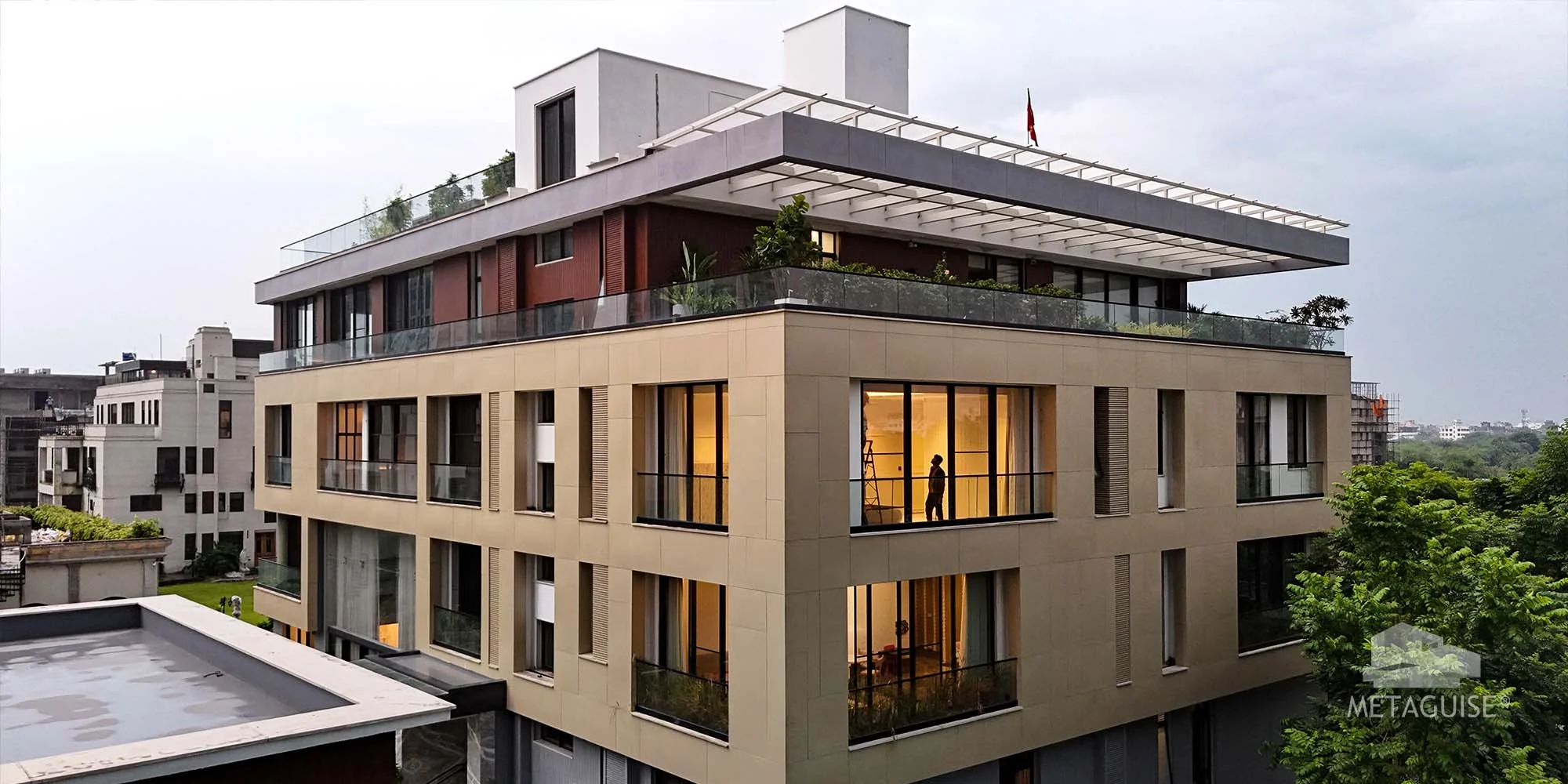
Smart Layout Moves
Facade design is not only about materials. Planning helps too:- Place bathrooms, stairs, store rooms and kitchens on the west side as heat buffers
- Use deep balconies and terraces as shade for rooms behind
- Plant trees on the west side where possible
- Keep large living spaces and bedrooms away from the west wall
Heat, Climate and Material Choice
Different Indian cities add their own challenges, from dry heat to humidity and salt. Our article on designing for Indian climate extremes and our guide to climate responsive metal facades go deeper. For material comparison, see exterior elevation materials for Indian buildings.What About South Facing and East Facing Walls?
Every orientation needs a different approach. For south facing walls, horizontal shading works better, as covered in our guide on south facing facade options.Upkeep Tips for West Facades
Strong sun is hard on finishes and sealants. Wash dust off regularly, check fixings and sealants once a year, and touch up any chips early. See our metal facade maintenance guide.Common Mistakes
- Relying on horizontal canopies for west sun
- Using large unprotected glass on the west face
- Choosing dark colours without considering heat
- Sealing the wall with no ventilation gap
- Skipping a proper sun angle study
Frequently Asked Questions
Which direction is worst for heat in India?
West facing walls usually take the hardest heat, because of the low, strong afternoon sun.What is the best facade for a west facing house?
A ventilated metal facade combined with vertical fins or a perforated screen, and protected glass.Do vertical fins really help?
Yes. They block low angle sun that horizontal overhangs miss.Does colour make a difference?
Yes. Lighter colours reflect more heat. Pair them with a quality finish.Can I add shading to an existing west wall?
Often yes, using a lightweight outer frame or screen. A structural check is needed first.Beat the Afternoon Sun With Metaguise
Want to test shading ideas on real samples? Visit Metaland, our experience centre in Gurugram, or send us your west elevation for suggestions.Related reads: Solar Shading Facades in India; Metal Mesh Facade Design; Facade Colours That Age Well in India.
25-10-26 | Architectural Insights
Every Indian homeowner knows the feeling. By 3 pm, the west wall is too hot to touch, the bedroom behind it feels like an oven, and the air conditioner runs flat out until late evening. If your plot or building faces west, that is not bad luck. It is physics, and it can be fixed with the right facade. This guide explains why west faces heat up so badly, and which facade, shading and finish choices make the biggest difference.
Why West Facing Walls Are the Hardest to Protect
In the afternoon, the sun sits low in the west. Its rays hit the wall almost straight on, and they come in at an angle that goes right under normal overhangs. By then, the wall and the surrounding air have already been heating up since morning. The result:- The wall absorbs heat for hours and releases it into the room well into the night
- Glass on the west side lets in strong, low angle sun and glare
- Cooling load peaks exactly when the outdoor temperature is highest
A roof overhang or a plain horizontal canopy does little here, because the sun is too low. West faces need vertical protection and layered protection.
The 5 Facade Fixes That Work
1. Add an Outer Shading Layer
The best fix is to stop the sun before it reaches the wall or glass. A metal screen, fins or louvers set a short distance away from the building take the sun's heat first. The air gap behind carries away heat instead of letting it pass through. Vertical fins are especially effective on west faces, because they block low sun coming from the side. See our guide on architectural fins design and explore the MetaFin system.2. Use Perforated or Mesh Screens
A perforated metal screen filters the sun through small openings. It cuts heat and glare, yet keeps some view and airflow. It also casts a beautiful pattern of light. Read more about the power of perforation.3. Choose a Ventilated Facade
In a ventilated system, metal panels are fixed a few centimetres off the wall, leaving a cavity. Hot air rises and escapes through the cavity, so less heat reaches the wall behind. This is one of the best passive fixes for a west wall. Learn more in ventilated metal facade systems.4. Reduce and Protect Glass
Glass is the weakest point on a west wall. Options include:- Fewer or smaller west facing windows
- Placing service rooms, stairs and storage on the west side
- Deep recesses so windows sit in shade
- Outer louvers or screens over the glass
- Higher performance glass where windows are needed
See the MetaLouver range for louver options.
5. Pick Light Colours and Quality Finishes
Dark surfaces absorb more heat. Lighter colours reflect more sunlight and stay cooler. A durable finish also keeps its colour in strong sun. Our guide on PVDF vs powder coat explains how to choose a finish that lasts.Fixed vs Movable Shading for West Faces
| Option | Strength | Trade-off |
|---|---|---|
| Fixed vertical fins | Simple, no upkeep, strong low sun control | Reduces view at some angles |
| Fixed perforated screen | Cuts heat and glare, keeps some view | Reduces daylight slightly |
| Movable fins or louvers | Adjust through day and season | Cost and mechanism upkeep |
| Ventilated cladding | Reduces wall heat | Does not shade glass by itself |
For most Indian buildings, fixed fins or screens combined with ventilated cladding give the best balance.
Smart Layout Moves
Facade design is not only about materials. Planning helps too:- Place bathrooms, stairs, store rooms and kitchens on the west side as heat buffers
- Use deep balconies and terraces as shade for rooms behind
- Plant trees on the west side where possible
- Keep large living spaces and bedrooms away from the west wall
Heat, Climate and Material Choice
Different Indian cities add their own challenges, from dry heat to humidity and salt. Our article on designing for Indian climate extremes and our guide to climate responsive metal facades go deeper. For material comparison, see exterior elevation materials for Indian buildings.What About South Facing and East Facing Walls?
Every orientation needs a different approach. For south facing walls, horizontal shading works better, as covered in our guide on south facing facade options.Upkeep Tips for West Facades
Strong sun is hard on finishes and sealants. Wash dust off regularly, check fixings and sealants once a year, and touch up any chips early. See our metal facade maintenance guide.Common Mistakes
- Relying on horizontal canopies for west sun
- Using large unprotected glass on the west face
- Choosing dark colours without considering heat
- Sealing the wall with no ventilation gap
- Skipping a proper sun angle study
Frequently Asked Questions
Which direction is worst for heat in India?
West facing walls usually take the hardest heat, because of the low, strong afternoon sun.What is the best facade for a west facing house?
A ventilated metal facade combined with vertical fins or a perforated screen, and protected glass.Do vertical fins really help?
Yes. They block low angle sun that horizontal overhangs miss.Does colour make a difference?
Yes. Lighter colours reflect more heat. Pair them with a quality finish.Can I add shading to an existing west wall?
Often yes, using a lightweight outer frame or screen. A structural check is needed first.Beat the Afternoon Sun With Metaguise
Want to test shading ideas on real samples? Visit Metaland, our experience centre in Gurugram, or send us your west elevation for suggestions.Related reads: Solar Shading Facades in India; Metal Mesh Facade Design; Facade Colours That Age Well in India.
Related Articles
Architectural Luxury, Within Reach: Why MetaFlutes and MetaLouvers Are the Smartest Investment in Metal Facades
In today’s built environment, luxury is no longer defined by extravagance - it’s defined by intention. It’s about refined details, enduring finishes, and design that performs as beautifully as it looks. At Metaguise, our metal facade systems - MetaFlutes, MetaLouvers, and MetaCassette Perforated - are crafted to bring that standard of architectural luxury within reach...
07-04-25 | Architectural Insights
Why Architects Are Turning to Custom Metal Louvers in 2025
There’s something quietly brilliant happening in architecture right now. As buildings become more responsive and designers look for ways to merge aesthetics with performance, one feature is making a serious comeback, custom metal louvers.
03-06-25 | Architectural Insights
The Science of Shadows: How Facade Design Shapes Light and Mood
Architecture has always been about more than structure - it’s about rhythm, reflection, and the way light interacts with space.At Metaguise, we see every innovative facade as a living canvas, one that transforms not just how a building looks, but how it feels. Light becomes our material, and shadow becomes our tool.This is the art and the science behind MetaLouvers, MetaCassette, and the entire Metaguise facade family.
13-10-25 | Architectural Insights
Custom Metal Facade Cladding in 2026: Design, Cost, Materials & Architect Guide
Explore how commercial spaces are using Metaguise facades to express identity and elevate perception.
24-11-25 | Architectural Insights
Social
Legal
Privacy Policy|Terms & Conditions