





Exterior Elevation Materials for Indian Buildings: A Climate Specific Guide
20-08-26 | Material Spotlight
Choosing exterior elevation materials in India isn't a single decision that works the same way everywhere in the country. A material that performs beautifully in a dry inland climate can fail within a few years on the coast, and a finish that looks perfect in a showroom render can fade or attract dust faster than expected in a city with heavy pollution. This guide covers the materials actually used on Indian elevations and how climate should shape which one you pick.
The main exterior elevation materials used in India
Aluminium composite panels and solid aluminium are the most widely used elevation materials across India today, valued for being lightweight, corrosion resistant, and available in a wide range of finishes and colours. They perform well across most Indian climates when the correct alloy grade and finish are specified for the location. Natural stone, granite and sandstone in particular, remains a strong choice for ground floor and accent elevations, offering a permanent, high-end appearance, though it adds significant weight and cost compared to metal panels. Corten and weathering steel has grown in popularity for its distinctive rust-toned, naturally aged appearance, developing a stable protective oxide layer within its first couple of years of exposure. Glass and curtain wall systems dominate commercial tower elevations, though they need to be paired with effective shading in India's climate to control solar heat gain, which is why glass elevations are so frequently combined with metal fins or louvers. Exterior grade tiles and cladding boards offer a more economical option for residential elevations, though they generally don't match metal or stone for long-term durability and finish stability.
How climate should shape your material choice
Coastal cities like Chennai, Mumbai and Kochi deal with salt-laden air and high humidity year round, which accelerates corrosion on standard-grade metal. Marine-grade aluminium alloys and PVDF finishes are worth the extra cost here, since a standard finish can begin showing corrosion within two to three years in direct coastal exposure. Inland cities with extreme heat - Delhi NCR, Jaipur, and much of central India - need materials and finishes rated for sustained UV exposure and high surface temperatures, since west facing elevations in these cities absorb intense afternoon heat for a large part of the year. Anodised or PVDF finishes hold their colour considerably longer than standard powder coating under this kind of exposure. Cities with heavy air pollution and dust, particularly Delhi NCR during winter months, benefit from finishes and textures that don't show surface dust as visibly. Matte and textured finishes generally hide dust buildup better than high-gloss surfaces, and this is worth discussing with your designer if your building sits on a busy road or in a high-traffic urban area. Cities with intense monsoon exposure - Mumbai, Kolkata and the eastern coast - need elevation systems with genuinely reliable drainage and waterproofing behind the visible cladding, since sustained heavy rainfall exposes any weaknesses in the substructure and waterproofing far faster than occasional light rain would.
Reading past the marketing on material claims
A lot of exterior material marketing uses vague language - premium finish, weather resistant - without specifying what that actually means technically. When evaluating elevation material options, ask for the specific alloy grade, the exact finish type, and ideally a technical data sheet, rather than accepting a general description. This single habit is the most reliable way to avoid a material choice that underperforms once it's actually installed and exposed to real conditions.
What exterior elevation materials typically cost
Material and installation costs for exterior elevations in India generally range from 800 to 2,500 rupees per square foot, with the lower end covering standard flat aluminium panel systems and the upper end covering premium finishes, natural stone accents, or complex parametric panel geometries. Coastal projects requiring marine-grade specification typically sit somewhat higher than the same system specified for an inland, dry climate location, reflecting the higher grade materials needed.
A practical framework for choosing
Start by identifying your building's specific climate exposure - coastal humidity, inland heat, pollution and dust, or monsoon intensity - since this should shape material and finish selection before colour or pattern preferences are even discussed. From there, aluminium remains the sensible default for most projects given its versatility across climates, with the specific alloy grade and finish adjusted for your location. Stone and corten steel are worth considering for feature elements or accent zones where their distinct character adds value, rather than across an entire large elevation where cost and weight become more significant factors.
Frequently Asked Questions
1. What's the best exterior elevation material for coastal cities in India?
Marine-grade aluminium with a PVDF finish is generally the most reliable choice for coastal cities, since it resists the corrosion that salt-laden, humid air causes in standard-grade metal finishes.
2. Does Delhi's pollution and dust affect elevation material choice?
Yes, matte and textured finishes generally show dust buildup less visibly than high-gloss surfaces, which is worth considering for buildings in high-traffic or heavily polluted urban locations.
3. How much do exterior elevation materials cost in India?
Costs typically range from 800 to 2,500 rupees per square foot depending on material, finish, and design complexity, with coastal projects requiring marine-grade specification usually sitting toward the higher end.
4. Is natural stone better than metal for building elevations?
Neither is universally better. Natural stone offers a permanent, high-end appearance but adds significant weight and cost, while metal panels are lighter, more versatile in finish and pattern, and generally more economical for large elevation areas.
5. How can I tell if an elevation material quote is genuinely durable for my climate?
Ask for the specific alloy grade and finish type along with a technical data sheet, rather than accepting general terms like premium or weather resistant, and confirm it's suited to your city's specific climate conditions.
If you're choosing exterior elevation materials for a project, share your building's location and drawings with our team and we'll recommend materials genuinely suited to your city's climate.
20-08-26 | Material Spotlight
Choosing exterior elevation materials in India isn't a single decision that works the same way everywhere in the country. A material that performs beautifully in a dry inland climate can fail within a few years on the coast, and a finish that looks perfect in a showroom render can fade or attract dust faster than expected in a city with heavy pollution. This guide covers the materials actually used on Indian elevations and how climate should shape which one you pick.
The main exterior elevation materials used in India
Aluminium composite panels and solid aluminium are the most widely used elevation materials across India today, valued for being lightweight, corrosion resistant, and available in a wide range of finishes and colours. They perform well across most Indian climates when the correct alloy grade and finish are specified for the location. Natural stone, granite and sandstone in particular, remains a strong choice for ground floor and accent elevations, offering a permanent, high-end appearance, though it adds significant weight and cost compared to metal panels. Corten and weathering steel has grown in popularity for its distinctive rust-toned, naturally aged appearance, developing a stable protective oxide layer within its first couple of years of exposure. Glass and curtain wall systems dominate commercial tower elevations, though they need to be paired with effective shading in India's climate to control solar heat gain, which is why glass elevations are so frequently combined with metal fins or louvers. Exterior grade tiles and cladding boards offer a more economical option for residential elevations, though they generally don't match metal or stone for long-term durability and finish stability.
How climate should shape your material choice
Coastal cities like Chennai, Mumbai and Kochi deal with salt-laden air and high humidity year round, which accelerates corrosion on standard-grade metal. Marine-grade aluminium alloys and PVDF finishes are worth the extra cost here, since a standard finish can begin showing corrosion within two to three years in direct coastal exposure. Inland cities with extreme heat - Delhi NCR, Jaipur, and much of central India - need materials and finishes rated for sustained UV exposure and high surface temperatures, since west facing elevations in these cities absorb intense afternoon heat for a large part of the year. Anodised or PVDF finishes hold their colour considerably longer than standard powder coating under this kind of exposure. Cities with heavy air pollution and dust, particularly Delhi NCR during winter months, benefit from finishes and textures that don't show surface dust as visibly. Matte and textured finishes generally hide dust buildup better than high-gloss surfaces, and this is worth discussing with your designer if your building sits on a busy road or in a high-traffic urban area. Cities with intense monsoon exposure - Mumbai, Kolkata and the eastern coast - need elevation systems with genuinely reliable drainage and waterproofing behind the visible cladding, since sustained heavy rainfall exposes any weaknesses in the substructure and waterproofing far faster than occasional light rain would.
Reading past the marketing on material claims
A lot of exterior material marketing uses vague language - premium finish, weather resistant - without specifying what that actually means technically. When evaluating elevation material options, ask for the specific alloy grade, the exact finish type, and ideally a technical data sheet, rather than accepting a general description. This single habit is the most reliable way to avoid a material choice that underperforms once it's actually installed and exposed to real conditions.
What exterior elevation materials typically cost
Material and installation costs for exterior elevations in India generally range from 800 to 2,500 rupees per square foot, with the lower end covering standard flat aluminium panel systems and the upper end covering premium finishes, natural stone accents, or complex parametric panel geometries. Coastal projects requiring marine-grade specification typically sit somewhat higher than the same system specified for an inland, dry climate location, reflecting the higher grade materials needed.
A practical framework for choosing
Start by identifying your building's specific climate exposure - coastal humidity, inland heat, pollution and dust, or monsoon intensity - since this should shape material and finish selection before colour or pattern preferences are even discussed. From there, aluminium remains the sensible default for most projects given its versatility across climates, with the specific alloy grade and finish adjusted for your location. Stone and corten steel are worth considering for feature elements or accent zones where their distinct character adds value, rather than across an entire large elevation where cost and weight become more significant factors.
Frequently Asked Questions
1. What's the best exterior elevation material for coastal cities in India?
Marine-grade aluminium with a PVDF finish is generally the most reliable choice for coastal cities, since it resists the corrosion that salt-laden, humid air causes in standard-grade metal finishes.
2. Does Delhi's pollution and dust affect elevation material choice?
Yes, matte and textured finishes generally show dust buildup less visibly than high-gloss surfaces, which is worth considering for buildings in high-traffic or heavily polluted urban locations.
3. How much do exterior elevation materials cost in India?
Costs typically range from 800 to 2,500 rupees per square foot depending on material, finish, and design complexity, with coastal projects requiring marine-grade specification usually sitting toward the higher end.
4. Is natural stone better than metal for building elevations?
Neither is universally better. Natural stone offers a permanent, high-end appearance but adds significant weight and cost, while metal panels are lighter, more versatile in finish and pattern, and generally more economical for large elevation areas.
5. How can I tell if an elevation material quote is genuinely durable for my climate?
Ask for the specific alloy grade and finish type along with a technical data sheet, rather than accepting general terms like premium or weather resistant, and confirm it's suited to your city's specific climate conditions.
If you're choosing exterior elevation materials for a project, share your building's location and drawings with our team and we'll recommend materials genuinely suited to your city's climate.
Related Articles
Living, Breathing Facades: The Science and Soul of MetaPatina
There’s something poetic about materials that age with grace. That shift color with time, deepen with exposure, and reveal new layers of beauty as they weather. MetaPatina, our living metal facade surface, is a tribute to that very idea - a facade that doesn’t just protect a building, but brings it to life...
06-04-25 | Material Spotlight
5 Reasons to Choose MetaSequin for Your Facade
At Metaguise, we believe the facade of a building isn’t just its outer layer - it’s its identity. And in today’s design landscape
10-11-25 | Material Spotlight
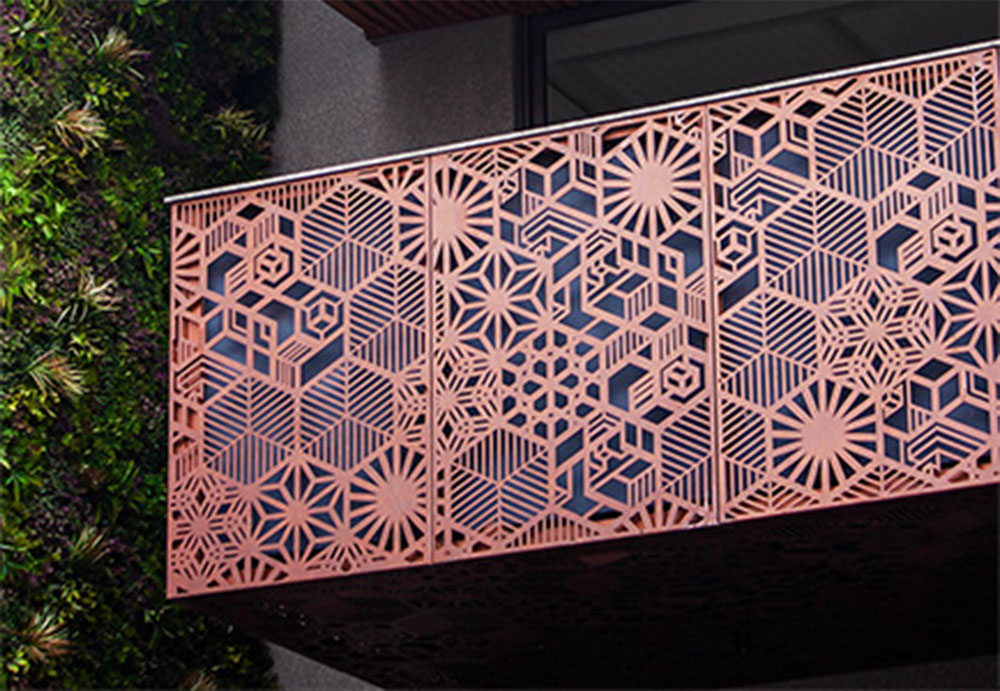
The Power of Perforation: Breathing Life, Light & Luxury into Metal Facades
At Metaguise, we believe the facade of a building isn’t just its outer layer - it’s its identity. And in today’s design landscape
17-11-25 | Material Spotlight
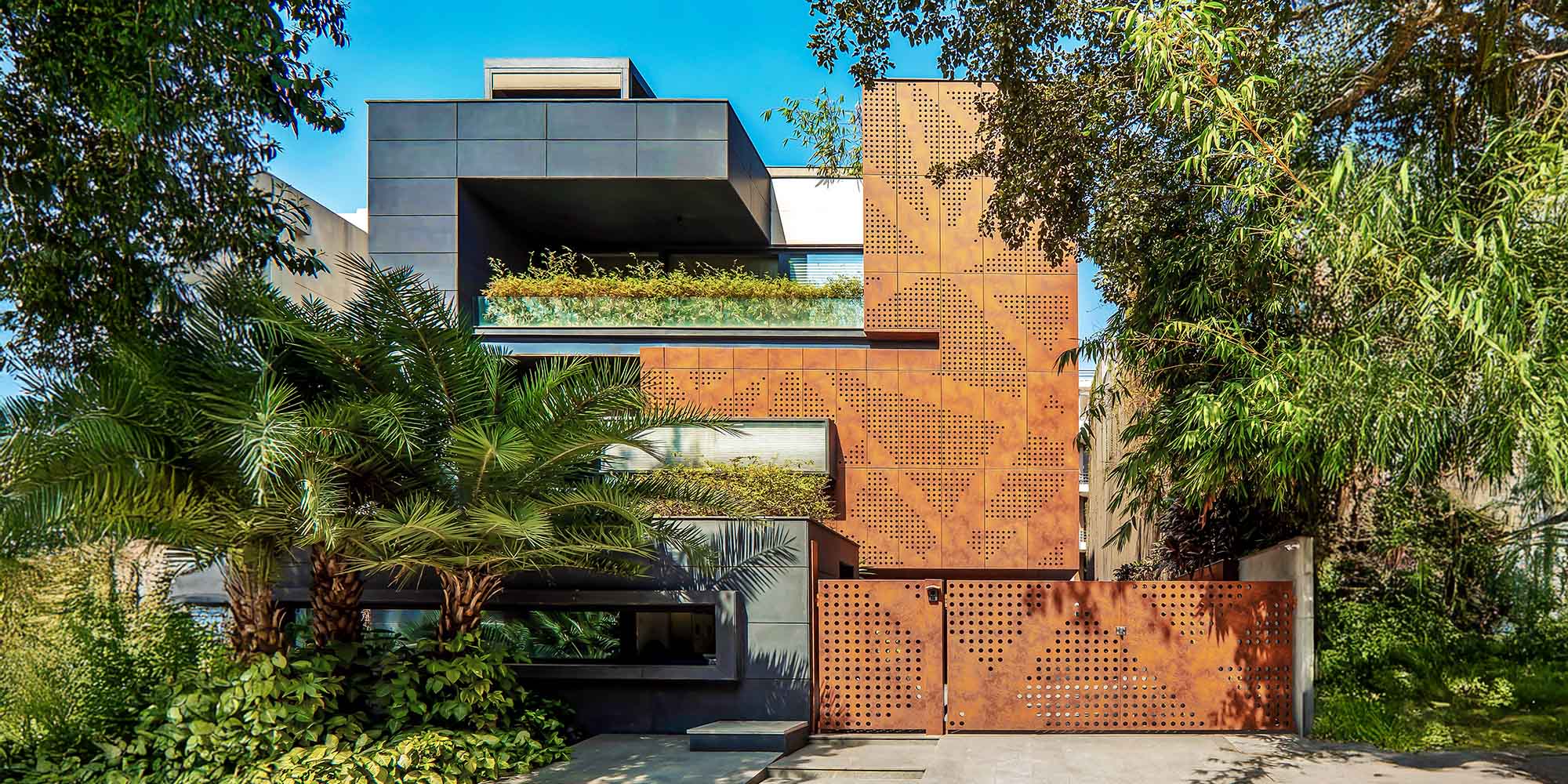
Perforated Metal Facade panels in 2026: Benefits, Design uses & Architectural Guide
Perforated metal facade panels are architectural cladding systems made from aluminium or steel sheets with precision-cut patterns.
09-12-25 | Material Spotlight
Social
Legal
Privacy Policy|Terms & Conditions