




Hairline Joints in Metal Cladding: Panel Gaps, Expansion and Waterproofing Explained
24-10-26 | Architectural Insights
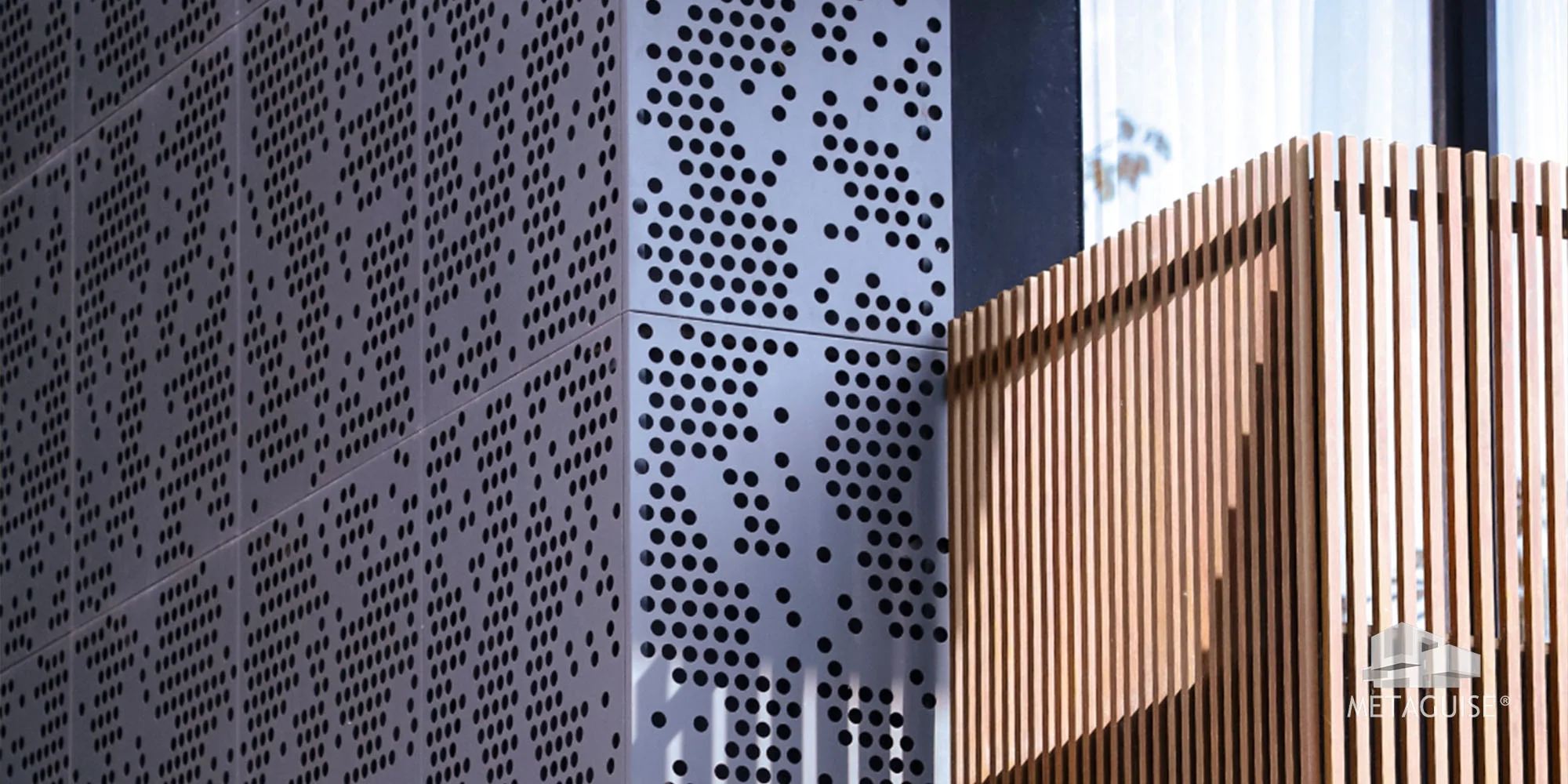
Look at a premium building and you will notice something odd: you cannot see the panels, only a clean, continuous surface with thin, precise lines between them. Those lines are hairline joints, and they are one of the biggest differences between a facade that looks expensive and one that looks like a patchwork. But a tight joint is not as simple as it looks. Metal moves with heat, buildings move with wind, and rain finds every gap. This guide explains what hairline joints are, how tight is too tight, and how to keep them neat and leak free.
What Is a Hairline Joint?
A hairline joint is a very narrow gap between two metal panels, often just a few millimetres wide. It gives a clean, almost seamless look. The gap is deliberate. It is designed to allow for movement, drain water and keep panels from touching each other. Hairline joints are common in:- Flat cassette panel systems
- Solid aluminium panel cladding
- Rainscreen and ventilated facade systems
- Interior and exterior feature walls
See how this detail shapes a premium look in our article on cassette panel facade systems, and explore the MetaCassette system.
Why Panels Need a Gap at All
If panels touched each other with no gap, they would fight each other. Here is why a gap is needed:- Thermal expansion. Metal expands in heat and contracts in cold. Aluminium expands more than steel for the same temperature change.
- Building movement. Wind, slab deflection and settling move the structure slightly.
- Installation tolerance. Perfect alignment on site is impossible, so the gap hides small variations.
- Drainage and ventilation. In rainscreen systems, the gap lets water drain and air move behind the panel.
Without a gap, panels can buckle, ripple, pop their fixings or crack sealant.
How Much Does Metal Move?
The exact movement depends on the metal, the panel size and the temperature range. As a general idea:- Longer panels move more than short ones
- Darker colours get hotter in the sun and expand more
- Aluminium moves more than steel for the same length and temperature change
In Indian conditions, where surface temperatures in summer can be very high, movement allowance matters more than in mild climates. Your engineer should calculate it, not guess it.
Hairline Joints vs Wider Joints
| Factor | Hairline joint | Wider joint |
|---|---|---|
| Look | Clean, seamless | Visible grid, shadow line |
| Movement allowance | Small, needs good design | Larger, more forgiving |
| Installation precision | Very high | Moderate |
| Water handling | Needs a rainscreen or backup layer | Easier drainage |
| Cost | Higher, due to tight tolerance | Lower |
| Best for | Premium, minimal designs | Standard cladding, large panels |
Wider joints are not a flaw. A deliberate shadow gap can also look beautiful. The key is making the joint a design choice, not an accident.
Waterproofing: Where Does the Water Go?
A hairline joint does not seal against water by itself. Good systems use one of two approaches.Open Joint Rainscreen
The joint is left open on purpose. The panel is the first line of defence and stops most of the rain, while a membrane or waterproof layer behind it deals with any water that gets in. Air flows behind the panels and dries the cavity. This is how ventilated metal facade systems work.Sealed Joint
The joint is filled with a sealant or gasket. This can give a tighter look but needs regular inspection, since sealants age under sun and movement. Always choose sealants made for exterior metal use and compatible with the panel finish. Our guide to facade systems explains what sits behind the panel and why it matters.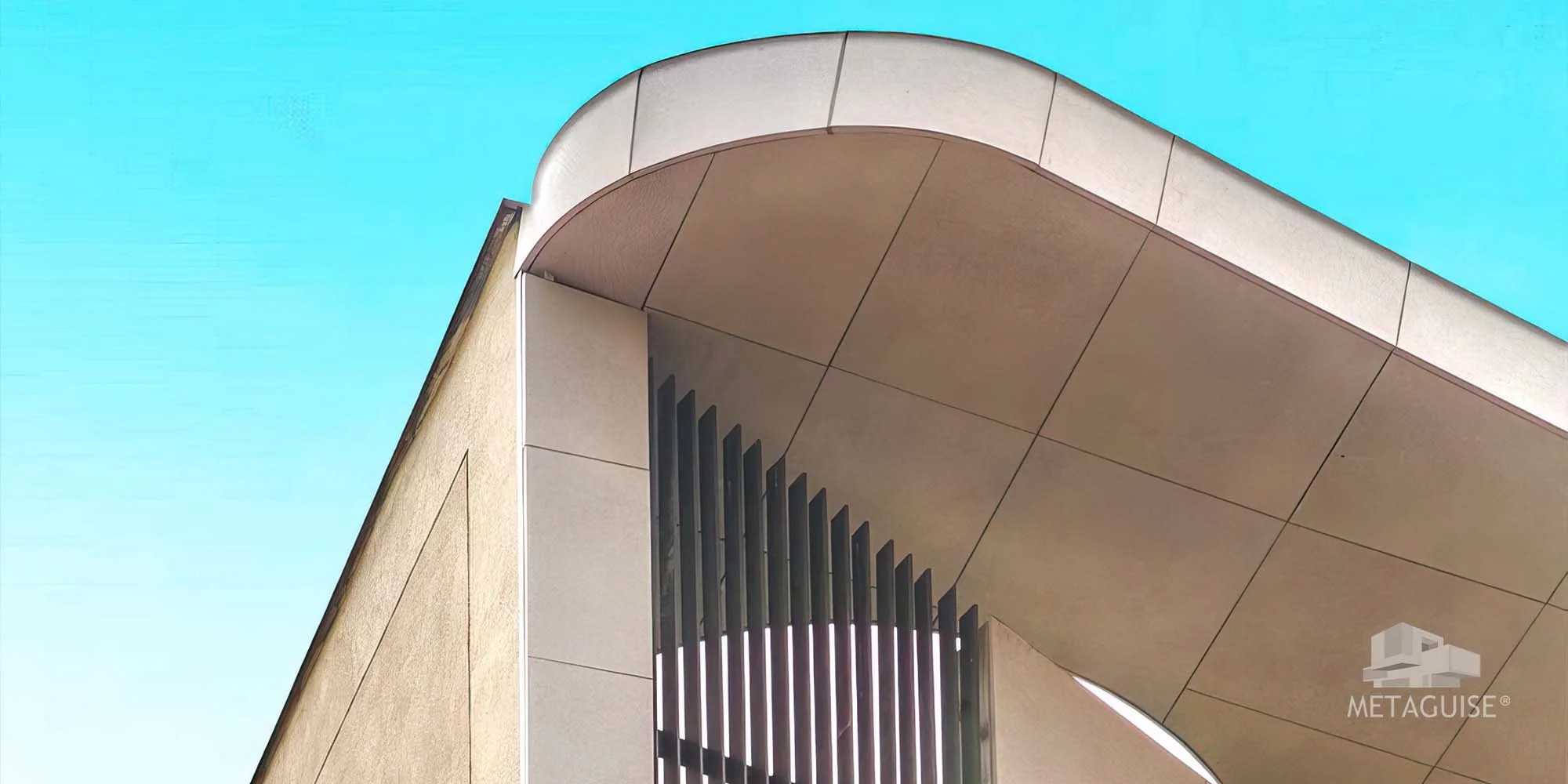
Design Details That Keep Joints Neat
- Consistent joint width. Variation shows immediately on a clean facade.
- Flat, true panels. Panels with bow or twist make joints look uneven. Stiffened edges and good fabrication help.
- Rigid, accurate sub-frame. Joints are only as straight as the frame behind them.
- Correct fixing method. Concealed clips and hooks allow controlled movement.
- Corner and edge details. Corners, returns and window edges need special trims or folded profiles.
- Expansion joints in the building. Where the building has its own movement joint, the facade must respect it.
For a closer look at engineering, read how metal facade engineering works.
Fabrication Matters
Hairline joints expose any error in the panel. Laser cutting, precise folding and consistent coating thickness all affect how well joints line up. See how this works in how facade panels are manufactured in India.Common Problems and Fixes
| Problem | Likely cause | Fix |
|---|---|---|
| Joints uneven or wavy | Sub-frame out of line, panel bow | Re-align frame, check panel flatness |
| Panels rubbing or buckling | No movement allowance | Increase gap, use sliding fixings |
| Sealant cracking | Wrong sealant or joint too narrow | Use correct sealant and joint width |
| Water behind panels | No drainage or membrane | Add drainage path and backup waterproofing |
| Dirt streaks at joints | Water running over open joints | Add drip details, plan cleaning |
Upkeep
Inspect joints every year, and after the monsoon especially. Look for cracked sealant, loose fixings and blocked drainage paths. Wash panels with water and a mild cleaner. See our metal facade maintenance guide for a full routine.Frequently Asked Questions
How narrow can a hairline joint be?
The gap depends on panel size, metal and temperature range. Your facade engineer should specify it, because too tight a joint can cause buckling.Are hairline joints waterproof?
Not by themselves. The system must have drainage and a backup waterproof layer, or a suitable sealant.Do hairline joints need sealant?
It depends on the system. Open joint rainscreens leave joints open, while other systems use sealant or gaskets.Why do my panel joints look uneven?
Usually an out of line sub-frame, warped panels or poor installation tolerance.Can I get a seamless look in India?
Yes, with precise fabrication, a rigid sub-frame and proper movement design for heat.See Joint Details at Metaguise
Joint quality is easier to judge when you can see and touch it. Visit Metaland, our experience centre in Gurugram, or send us your project drawings for a joint and fixing recommendation.Related reads: SolidPanel metal cladding; Facade Mock-Up and Testing; Curtain Wall vs Rainscreen Cladding.
24-10-26 | Architectural Insights
Look at a premium building and you will notice something odd: you cannot see the panels, only a clean, continuous surface with thin, precise lines between them. Those lines are hairline joints, and they are one of the biggest differences between a facade that looks expensive and one that looks like a patchwork. But a tight joint is not as simple as it looks. Metal moves with heat, buildings move with wind, and rain finds every gap. This guide explains what hairline joints are, how tight is too tight, and how to keep them neat and leak free.
What Is a Hairline Joint?
A hairline joint is a very narrow gap between two metal panels, often just a few millimetres wide. It gives a clean, almost seamless look. The gap is deliberate. It is designed to allow for movement, drain water and keep panels from touching each other. Hairline joints are common in:- Flat cassette panel systems
- Solid aluminium panel cladding
- Rainscreen and ventilated facade systems
- Interior and exterior feature walls
See how this detail shapes a premium look in our article on cassette panel facade systems, and explore the MetaCassette system.
Why Panels Need a Gap at All
If panels touched each other with no gap, they would fight each other. Here is why a gap is needed:- Thermal expansion. Metal expands in heat and contracts in cold. Aluminium expands more than steel for the same temperature change.
- Building movement. Wind, slab deflection and settling move the structure slightly.
- Installation tolerance. Perfect alignment on site is impossible, so the gap hides small variations.
- Drainage and ventilation. In rainscreen systems, the gap lets water drain and air move behind the panel.
Without a gap, panels can buckle, ripple, pop their fixings or crack sealant.
How Much Does Metal Move?
The exact movement depends on the metal, the panel size and the temperature range. As a general idea:- Longer panels move more than short ones
- Darker colours get hotter in the sun and expand more
- Aluminium moves more than steel for the same length and temperature change
In Indian conditions, where surface temperatures in summer can be very high, movement allowance matters more than in mild climates. Your engineer should calculate it, not guess it.
Hairline Joints vs Wider Joints
| Factor | Hairline joint | Wider joint |
|---|---|---|
| Look | Clean, seamless | Visible grid, shadow line |
| Movement allowance | Small, needs good design | Larger, more forgiving |
| Installation precision | Very high | Moderate |
| Water handling | Needs a rainscreen or backup layer | Easier drainage |
| Cost | Higher, due to tight tolerance | Lower |
| Best for | Premium, minimal designs | Standard cladding, large panels |
Wider joints are not a flaw. A deliberate shadow gap can also look beautiful. The key is making the joint a design choice, not an accident.
Waterproofing: Where Does the Water Go?
A hairline joint does not seal against water by itself. Good systems use one of two approaches.Open Joint Rainscreen
The joint is left open on purpose. The panel is the first line of defence and stops most of the rain, while a membrane or waterproof layer behind it deals with any water that gets in. Air flows behind the panels and dries the cavity. This is how ventilated metal facade systems work.Sealed Joint
The joint is filled with a sealant or gasket. This can give a tighter look but needs regular inspection, since sealants age under sun and movement. Always choose sealants made for exterior metal use and compatible with the panel finish. Our guide to facade systems explains what sits behind the panel and why it matters.Design Details That Keep Joints Neat
- Consistent joint width. Variation shows immediately on a clean facade.
- Flat, true panels. Panels with bow or twist make joints look uneven. Stiffened edges and good fabrication help.
- Rigid, accurate sub-frame. Joints are only as straight as the frame behind them.
- Correct fixing method. Concealed clips and hooks allow controlled movement.
- Corner and edge details. Corners, returns and window edges need special trims or folded profiles.
- Expansion joints in the building. Where the building has its own movement joint, the facade must respect it.
For a closer look at engineering, read how metal facade engineering works.
Fabrication Matters
Hairline joints expose any error in the panel. Laser cutting, precise folding and consistent coating thickness all affect how well joints line up. See how this works in how facade panels are manufactured in India.Common Problems and Fixes
| Problem | Likely cause | Fix |
|---|---|---|
| Joints uneven or wavy | Sub-frame out of line, panel bow | Re-align frame, check panel flatness |
| Panels rubbing or buckling | No movement allowance | Increase gap, use sliding fixings |
| Sealant cracking | Wrong sealant or joint too narrow | Use correct sealant and joint width |
| Water behind panels | No drainage or membrane | Add drainage path and backup waterproofing |
| Dirt streaks at joints | Water running over open joints | Add drip details, plan cleaning |
Upkeep
Inspect joints every year, and after the monsoon especially. Look for cracked sealant, loose fixings and blocked drainage paths. Wash panels with water and a mild cleaner. See our metal facade maintenance guide for a full routine.Frequently Asked Questions
How narrow can a hairline joint be?
The gap depends on panel size, metal and temperature range. Your facade engineer should specify it, because too tight a joint can cause buckling.Are hairline joints waterproof?
Not by themselves. The system must have drainage and a backup waterproof layer, or a suitable sealant.Do hairline joints need sealant?
It depends on the system. Open joint rainscreens leave joints open, while other systems use sealant or gaskets.Why do my panel joints look uneven?
Usually an out of line sub-frame, warped panels or poor installation tolerance.Can I get a seamless look in India?
Yes, with precise fabrication, a rigid sub-frame and proper movement design for heat.See Joint Details at Metaguise
Joint quality is easier to judge when you can see and touch it. Visit Metaland, our experience centre in Gurugram, or send us your project drawings for a joint and fixing recommendation.Related reads: SolidPanel metal cladding; Facade Mock-Up and Testing; Curtain Wall vs Rainscreen Cladding.
Related Articles
Architectural Luxury, Within Reach: Why MetaFlutes and MetaLouvers Are the Smartest Investment in Metal Facades
In today’s built environment, luxury is no longer defined by extravagance - it’s defined by intention. It’s about refined details, enduring finishes, and design that performs as beautifully as it looks. At Metaguise, our metal facade systems - MetaFlutes, MetaLouvers, and MetaCassette Perforated - are crafted to bring that standard of architectural luxury within reach...
07-04-25 | Architectural Insights
Why Architects Are Turning to Custom Metal Louvers in 2025
There’s something quietly brilliant happening in architecture right now. As buildings become more responsive and designers look for ways to merge aesthetics with performance, one feature is making a serious comeback, custom metal louvers.
03-06-25 | Architectural Insights
The Science of Shadows: How Facade Design Shapes Light and Mood
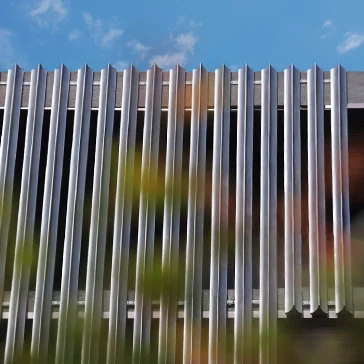
Architecture has always been about more than structure - it’s about rhythm, reflection, and the way light interacts with space.At Metaguise, we see every innovative facade as a living canvas, one that transforms not just how a building looks, but how it feels. Light becomes our material, and shadow becomes our tool.This is the art and the science behind MetaLouvers, MetaCassette, and the entire Metaguise facade family.
13-10-25 | Architectural Insights
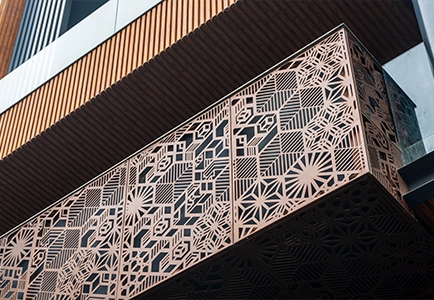
Custom Metal Facade Cladding in 2026: Design, Cost, Materials & Architect Guide
Explore how commercial spaces are using Metaguise facades to express identity and elevate perception.
24-11-25 | Architectural Insights
Social
Legal
Privacy Policy|Terms & Conditions