




Cassette Panel Facade Systems: The Detail That Makes a Facade Look Genuinely Premium
04-09-26 | Facade Innovations
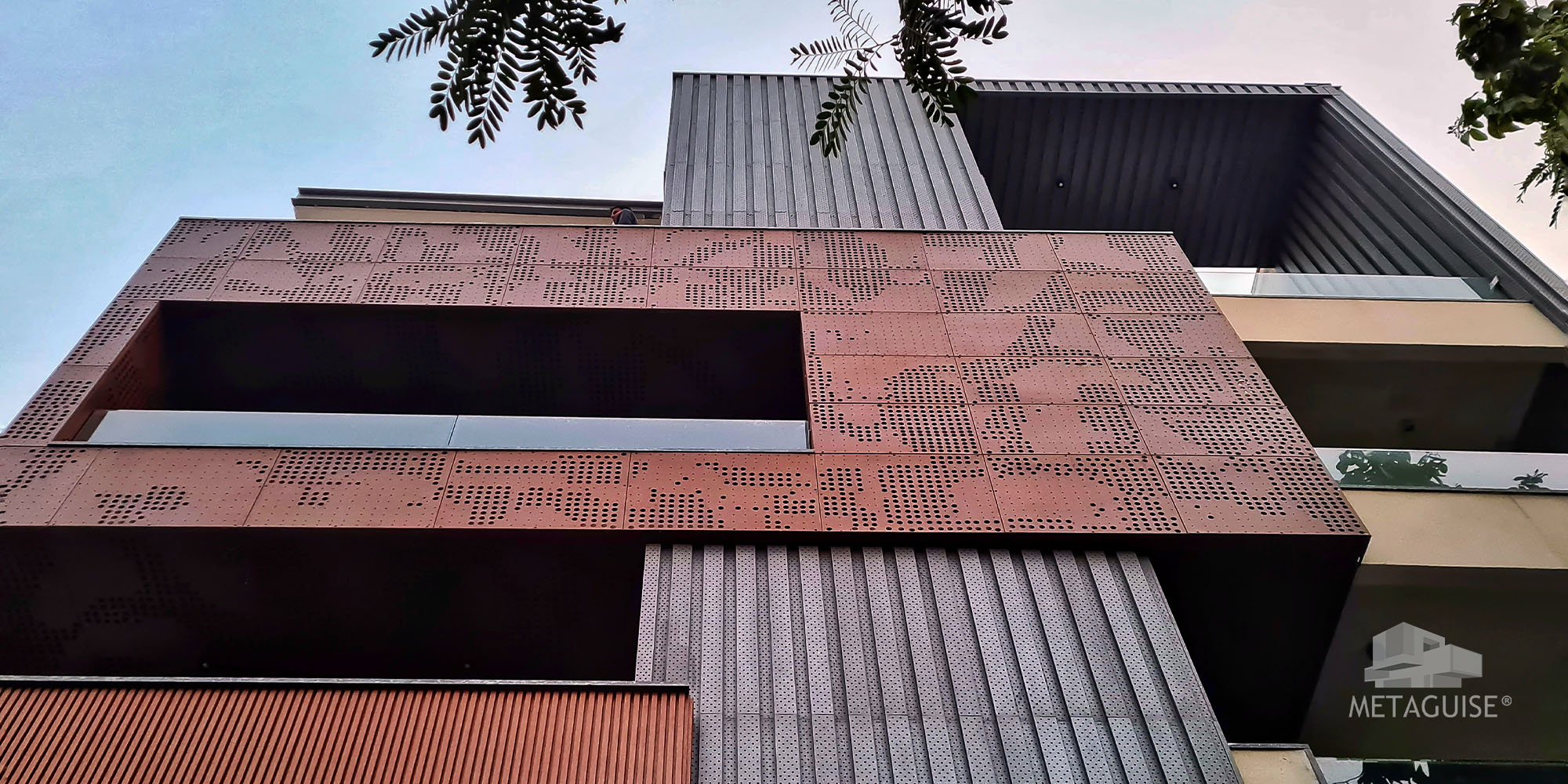
Cassette panels are one of the most widely used facade systems in Indian commercial and residential construction, and yet most people who walk past one every single day couldn't actually explain what makes it a cassette panel rather than any other flat metal cladding. The answer comes down to how the panel is edged and fixed, a detail that matters far more than it might seem for how clean, precise, and genuinely reliable the finished facade actually looks and performs.
What Actually Defines a Cassette Panel
A cassette panel is a metal panel with its edges folded or returned backward, creating a box-like profile that clips directly onto a substructure using concealed fixing clips, rather than being fixed with visible screws or rivets through the panel's face. This folded edge, and the concealed fixing method it enables, is what technically defines a cassette panel and separates it clearly from other flat panel cladding types that use face fixing. The result is a facade with a genuinely clean, seamless appearance, no visible fixing hardware interrupting the surface anywhere, and precise, consistent joint lines between panels since the folded edges create a defined, repeatable gap across the entire elevation.Why This System Has Become the Default for Commercial Buildings
Concealed fixing gives a premium, finished appearance instantly. Since fasteners are hidden within the folded edge and clip system rather than visible on the panel's face, cassette panels read as considerably more refined and considered than face-fixed alternatives, which is a big part of why they're the default choice for commercial buildings wanting a polished, contemporary elevation. Individual panel replacement is genuinely practical, not just theoretical. Because each cassette panel clips independently onto the substructure, a single damaged panel can typically be removed and replaced without disturbing the panels around it, a real, meaningful advantage over systems where panels are more physically integrated with their neighbours. Consistent, predictable installation across a large elevation. The folded edge profile creates uniform joint widths across the entire facade, which gives installers a repeatable, precise process and results in a more consistently aligned finished elevation than less standardised panel systems tend to achieve. A system proven across thousands of buildings. Cassette panels aren't a new or experimental approach, they're a mature, widely tested system with a long track record across Indian commercial construction, which means the failure modes are well understood and largely avoidable with correct installation.How Cassette Panels Actually Get Installed on Site
The substructure, typically an aluminium or steel grid, is fixed to the building's structural wall first, engineered to the loads and dimensions of the specific project. Cassette panels are then clipped onto this substructure from the edges, with the concealed clip system holding each panel securely while allowing for the thermal expansion and contraction metal panels naturally experience with temperature changes throughout the day and across seasons. Getting the substructure spacing and level right is genuinely the most critical part of the installation, since any inconsistency here shows up directly as visible misalignment in the finished cassette panel grid, a mistake that's far more noticeable on cassette systems than on more forgiving panel types precisely because cassette joints are so precise and uniform when done correctly, meaning any deviation stands out immediately to the eye.Materials and Finishes That Suit Cassette Systems Best
Aluminium is the standard material for cassette panels, offering the light weight and corrosion resistance that suits the folding and clipping process well, and reducing the load on the substructure and building wall behind it. Finish options follow the same range as other aluminium facade products, standard powder coating for most projects, anodised or PVDF finishes for elevations needing stronger long-term colour and weather stability against sustained sun exposure.Where Cassette Panels Are the Genuinely Right Choice
Cassette systems are particularly well suited to commercial buildings, office towers, and retail facades wanting a clean, precise, contemporary appearance, since the concealed fixing and consistent joint lines deliver exactly the polished look these project types typically want to communicate to tenants, customers, and passersby. They're also a strong choice for renovation projects needing individual panels replaceable without disrupting the surrounding facade, useful for buildings in high-traffic urban areas where occasional panel damage is a realistic and expected maintenance consideration over the building's life. For a broader look at how cassette systems fit alongside other cladding approaches, our guide to comparing different facade cladding design ideas for Indian buildings walks through how single-material, mixed-material, and textured cladding compare against each other for different project goals.What Cassette Panels Aren't the Best Fit For
Cassette systems are less suited to highly organic, curved, or heavily textured design intents, since their strength lies specifically in flat, precise, geometric surfaces rather than sculptural or flowing forms. For projects wanting a strongly parametric or dynamic visual language, a different panel system, potentially one of our other product ranges, is likely to deliver a better result than adapting cassette panels to a design intent they weren't really built for.What Cassette Panel Systems Typically Cost
Cassette panel systems generally sit in the mid range of facade cladding costs, more than the most basic face-fixed flat panel systems due to the additional fabrication needed to fold the concealed fixing edges, but considerably more economical than highly complex parametric or perforated systems requiring extensive custom modelling and unique panel shapes.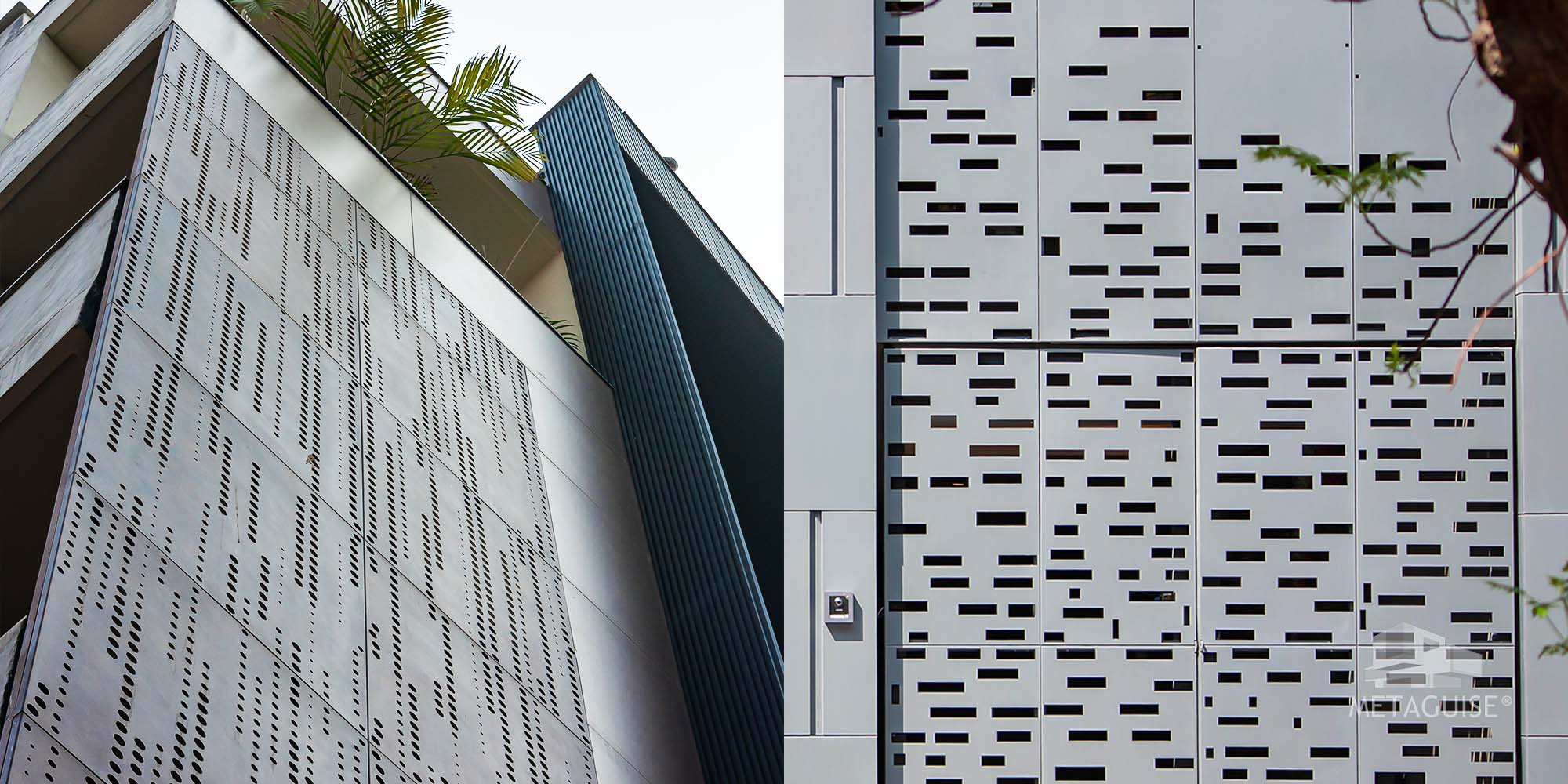
Common Installation Mistakes That Undermine a Cassette System
Even a correctly specified cassette panel system can underperform if the installation crew doesn't respect the tight tolerances the system depends on. The most common issue is inconsistent substructure spacing from one section of the elevation to another, often the result of rushing a large project without regular level checks during installation rather than only at the start and end. A second frequent mistake is failing to account for thermal movement gaps between panels, which can cause buckling or gapping as temperatures shift across the day. Both issues are entirely avoidable with an installation team that has genuine, repeated cassette-specific experience rather than general metal cladding experience alone.Frequently Asked Questions
What makes a cassette panel different from a regular flat panel?
Cassette panels have folded or returned edges that allow them to clip onto a substructure using concealed fixing, giving a seamless appearance without visible screws or rivets, unlike face-fixed flat panels that show their fasteners.Can a single damaged cassette panel be replaced easily?
Yes, this is one of the system's key practical advantages. Since each panel clips independently onto the substructure, a damaged panel can typically be removed and replaced without disturbing surrounding panels or the rest of the elevation.What material are cassette panels usually made from?
Aluminium is the standard choice, valued for its light weight and corrosion resistance, which suits the folding and clipping process cassette panels rely on and keeps the load on the substructure manageable.Are cassette panels more expensive than standard flat cladding?
Generally yes, since the folded edge profile requires additional fabrication, though cassette panels remain considerably more economical than complex parametric or perforated systems built from many unique panel shapes.Why do cassette panel installations need such precise substructure alignment?
Because cassette joints are uniform and precise by design, any inconsistency in the substructure spacing or level shows up as visible misalignment in the finished facade more noticeably than with less standardised panel systems.Specify a Cassette Facade Built to Perform
If a clean, concealed-fix cassette panel facade suits your project, request a substructure and finish plan for your building from our engineering team.04-09-26 | Facade Innovations
Cassette panels are one of the most widely used facade systems in Indian commercial and residential construction, and yet most people who walk past one every single day couldn't actually explain what makes it a cassette panel rather than any other flat metal cladding. The answer comes down to how the panel is edged and fixed, a detail that matters far more than it might seem for how clean, precise, and genuinely reliable the finished facade actually looks and performs.
What Actually Defines a Cassette Panel
A cassette panel is a metal panel with its edges folded or returned backward, creating a box-like profile that clips directly onto a substructure using concealed fixing clips, rather than being fixed with visible screws or rivets through the panel's face. This folded edge, and the concealed fixing method it enables, is what technically defines a cassette panel and separates it clearly from other flat panel cladding types that use face fixing. The result is a facade with a genuinely clean, seamless appearance, no visible fixing hardware interrupting the surface anywhere, and precise, consistent joint lines between panels since the folded edges create a defined, repeatable gap across the entire elevation.Why This System Has Become the Default for Commercial Buildings
Concealed fixing gives a premium, finished appearance instantly. Since fasteners are hidden within the folded edge and clip system rather than visible on the panel's face, cassette panels read as considerably more refined and considered than face-fixed alternatives, which is a big part of why they're the default choice for commercial buildings wanting a polished, contemporary elevation. Individual panel replacement is genuinely practical, not just theoretical. Because each cassette panel clips independently onto the substructure, a single damaged panel can typically be removed and replaced without disturbing the panels around it, a real, meaningful advantage over systems where panels are more physically integrated with their neighbours. Consistent, predictable installation across a large elevation. The folded edge profile creates uniform joint widths across the entire facade, which gives installers a repeatable, precise process and results in a more consistently aligned finished elevation than less standardised panel systems tend to achieve. A system proven across thousands of buildings. Cassette panels aren't a new or experimental approach, they're a mature, widely tested system with a long track record across Indian commercial construction, which means the failure modes are well understood and largely avoidable with correct installation.How Cassette Panels Actually Get Installed on Site
The substructure, typically an aluminium or steel grid, is fixed to the building's structural wall first, engineered to the loads and dimensions of the specific project. Cassette panels are then clipped onto this substructure from the edges, with the concealed clip system holding each panel securely while allowing for the thermal expansion and contraction metal panels naturally experience with temperature changes throughout the day and across seasons. Getting the substructure spacing and level right is genuinely the most critical part of the installation, since any inconsistency here shows up directly as visible misalignment in the finished cassette panel grid, a mistake that's far more noticeable on cassette systems than on more forgiving panel types precisely because cassette joints are so precise and uniform when done correctly, meaning any deviation stands out immediately to the eye.Materials and Finishes That Suit Cassette Systems Best
Aluminium is the standard material for cassette panels, offering the light weight and corrosion resistance that suits the folding and clipping process well, and reducing the load on the substructure and building wall behind it. Finish options follow the same range as other aluminium facade products, standard powder coating for most projects, anodised or PVDF finishes for elevations needing stronger long-term colour and weather stability against sustained sun exposure.Where Cassette Panels Are the Genuinely Right Choice
Cassette systems are particularly well suited to commercial buildings, office towers, and retail facades wanting a clean, precise, contemporary appearance, since the concealed fixing and consistent joint lines deliver exactly the polished look these project types typically want to communicate to tenants, customers, and passersby. They're also a strong choice for renovation projects needing individual panels replaceable without disrupting the surrounding facade, useful for buildings in high-traffic urban areas where occasional panel damage is a realistic and expected maintenance consideration over the building's life. For a broader look at how cassette systems fit alongside other cladding approaches, our guide to comparing different facade cladding design ideas for Indian buildings walks through how single-material, mixed-material, and textured cladding compare against each other for different project goals.What Cassette Panels Aren't the Best Fit For
Cassette systems are less suited to highly organic, curved, or heavily textured design intents, since their strength lies specifically in flat, precise, geometric surfaces rather than sculptural or flowing forms. For projects wanting a strongly parametric or dynamic visual language, a different panel system, potentially one of our other product ranges, is likely to deliver a better result than adapting cassette panels to a design intent they weren't really built for.What Cassette Panel Systems Typically Cost
Cassette panel systems generally sit in the mid range of facade cladding costs, more than the most basic face-fixed flat panel systems due to the additional fabrication needed to fold the concealed fixing edges, but considerably more economical than highly complex parametric or perforated systems requiring extensive custom modelling and unique panel shapes.Common Installation Mistakes That Undermine a Cassette System
Even a correctly specified cassette panel system can underperform if the installation crew doesn't respect the tight tolerances the system depends on. The most common issue is inconsistent substructure spacing from one section of the elevation to another, often the result of rushing a large project without regular level checks during installation rather than only at the start and end. A second frequent mistake is failing to account for thermal movement gaps between panels, which can cause buckling or gapping as temperatures shift across the day. Both issues are entirely avoidable with an installation team that has genuine, repeated cassette-specific experience rather than general metal cladding experience alone.Frequently Asked Questions
What makes a cassette panel different from a regular flat panel?
Cassette panels have folded or returned edges that allow them to clip onto a substructure using concealed fixing, giving a seamless appearance without visible screws or rivets, unlike face-fixed flat panels that show their fasteners.Can a single damaged cassette panel be replaced easily?
Yes, this is one of the system's key practical advantages. Since each panel clips independently onto the substructure, a damaged panel can typically be removed and replaced without disturbing surrounding panels or the rest of the elevation.What material are cassette panels usually made from?
Aluminium is the standard choice, valued for its light weight and corrosion resistance, which suits the folding and clipping process cassette panels rely on and keeps the load on the substructure manageable.Are cassette panels more expensive than standard flat cladding?
Generally yes, since the folded edge profile requires additional fabrication, though cassette panels remain considerably more economical than complex parametric or perforated systems built from many unique panel shapes.Why do cassette panel installations need such precise substructure alignment?
Because cassette joints are uniform and precise by design, any inconsistency in the substructure spacing or level shows up as visible misalignment in the finished facade more noticeably than with less standardised panel systems.Specify a Cassette Facade Built to Perform
If a clean, concealed-fix cassette panel facade suits your project, request a substructure and finish plan for your building from our engineering team.Related Articles
The Rise of Parametric facades: Designing with Algorithmic Elegance
A revolutionary parametric facade system designed to elevate architectural aesthetics. Crafted with premium metals and enhanced with MetaSurface finishes, MetaCoin offers unparalleled customizability, from the shape and size of each element to its color and arrangement. Its dynamic design reacts to light and perspective, creating ever-changing visual effects. Ideal for contemporary and iconic structures, MetaCoin transforms facades into captivating works of art that are sustainable, durable, and visually stunning.
01-04-25 | Facade Innovations
METABLOX™ by Metaguise: A Breakthrough in Parametric Facade Design
At the intersection of culture, craftsmanship, and cutting-edge geometry, METABLOX™ emerges as a bold new direction in architectural innovation. Introduced by Metaguise, this first-of-its-kind parametric facade technology makes its striking debut at the RJ Jewellers flagship store in Jaipur - setting a new benchmark in the world of metal design and modern Indian architecture.
09-04-25 | Facade Innovations
5 Landmark Projects That Used MetaCoin to Transform Facades
When it comes to parametric architecture, MetaCoin stands out as a revolutionary metal coin facade system. Crafted with precision, it offers dynamic aesthetics, adaptability, and a unique identity to structures. Let's delve into five notable projects where MetaCoin has redefined architectural facades.
13-05-25 | Facade Innovations
From Code to Construction: How Parametric Facades Are Built
Some buildings just make you look twice. Maybe it’s the way the facade curves. Or how the surface catches the light at different times of day. Often, what you’re seeing is more than just a design, it’s a parametric facade.
10-06-25 | Facade Innovations
Social
Legal
Privacy Policy|Terms & Conditions