

Why Every Luxury Bungalow Photo on Instagram Now Has the Same Golden Metal Shimmer
21-04-26 | Industry Trends

The Photograph That Launched a Thousand Facades
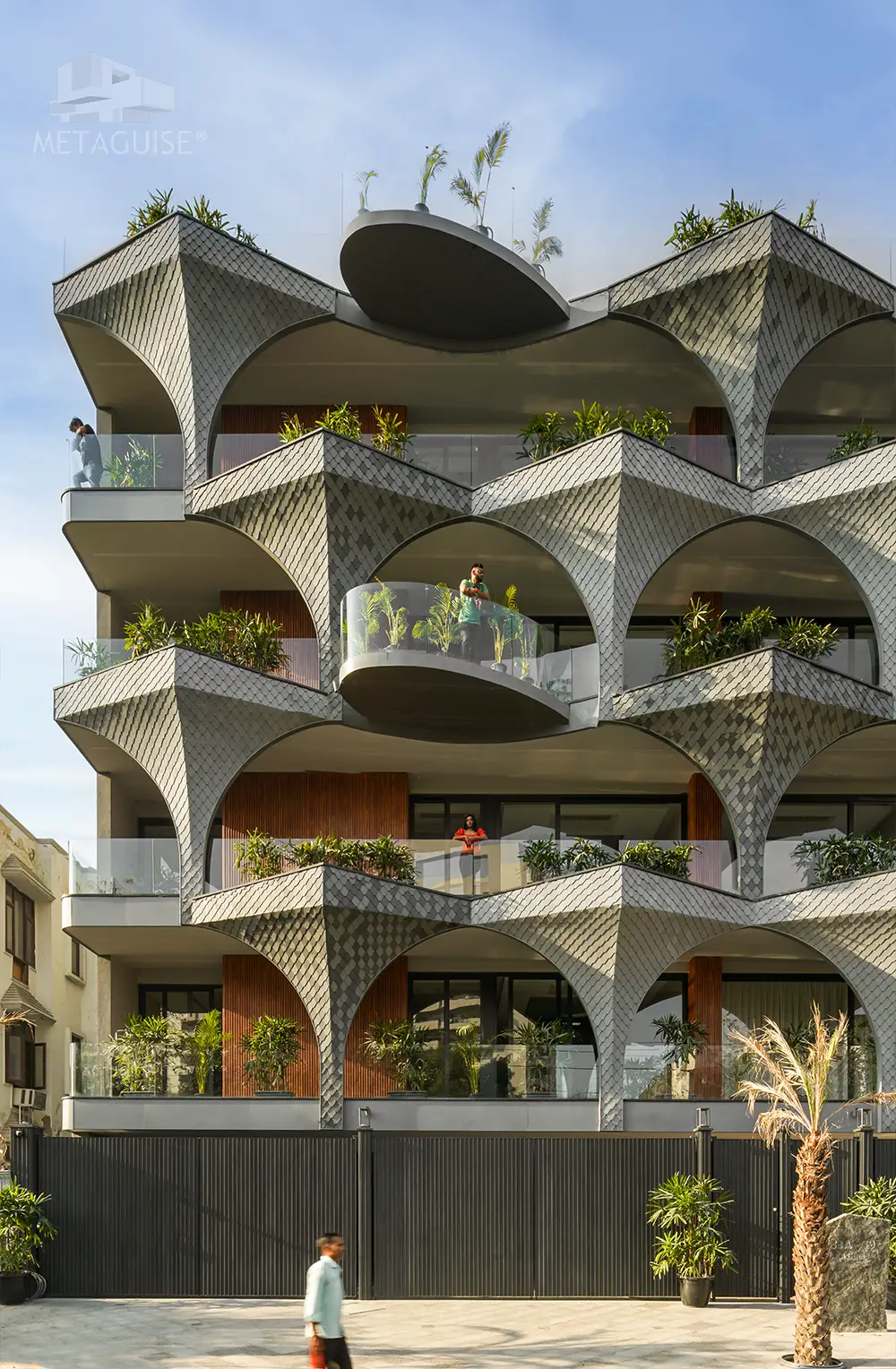
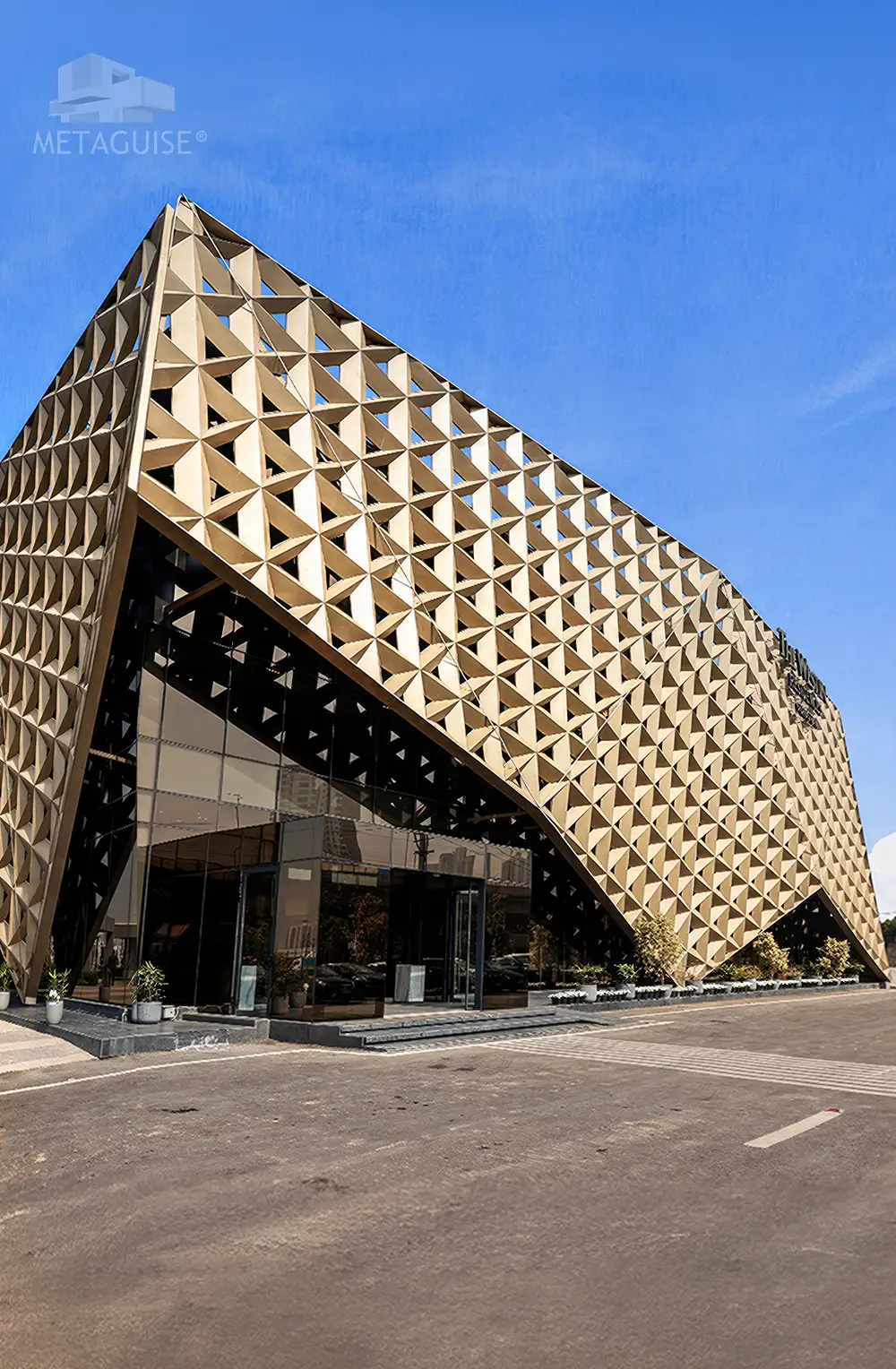
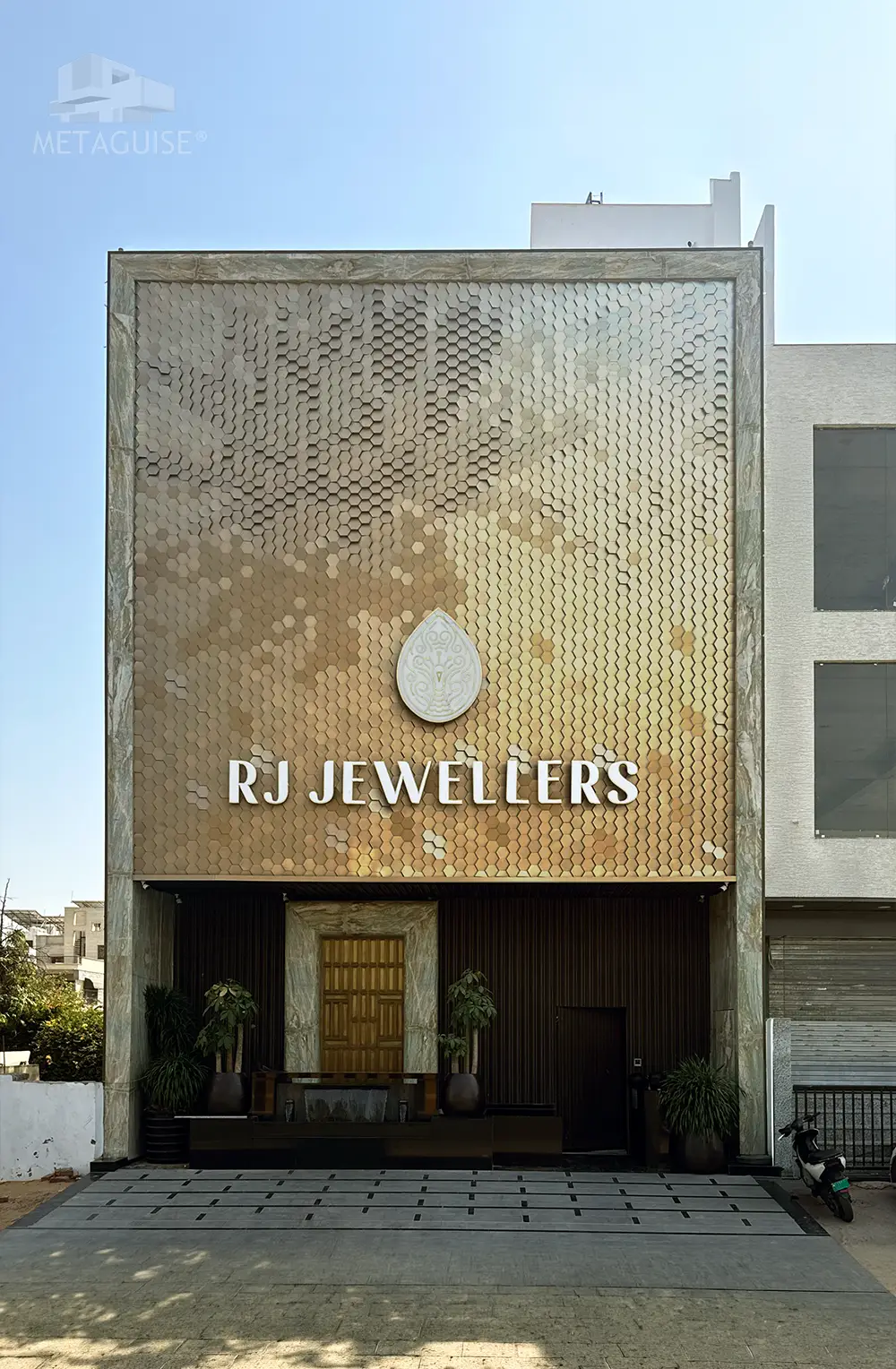
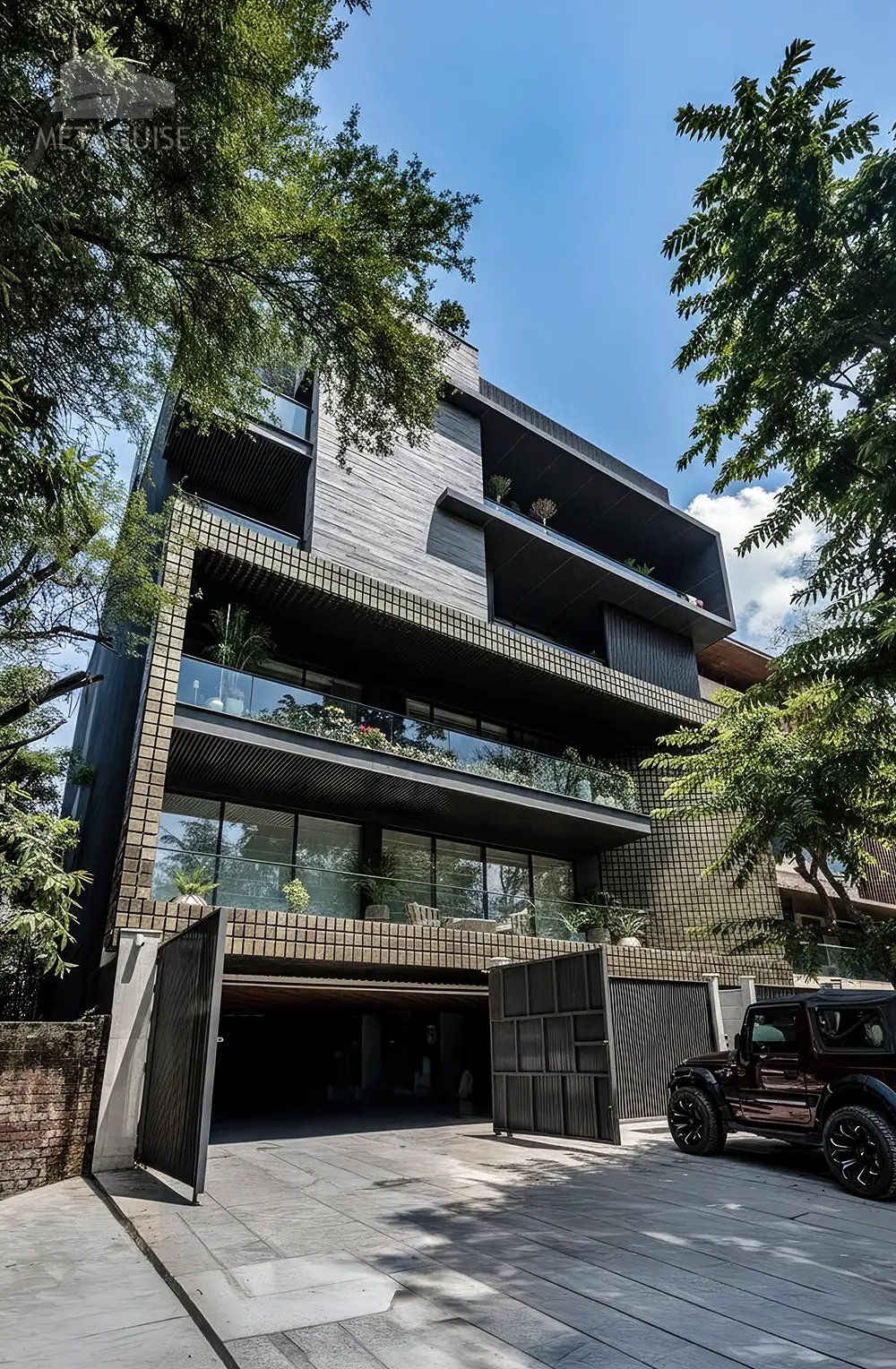
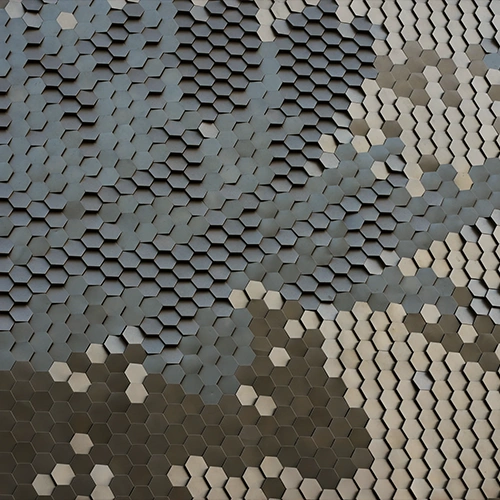
Rewind to early 2023. A South Delhi couple commissioned a ₹12 crore bungalow with what their architect called a "parametric metal facade" - a surface composed of over 8,000 individual gold-anodized aluminum panels, each oriented at a slightly different angle based on a computational algorithm. The design wasn't meant to go viral. It was meant to solve a practical problem: how do you create privacy, shade, and ventilation while still making a bold architectural statement? Then the homeowners posted a photograph during golden hour. The facade didn't just reflect light - it seemed to hold it, creating gradients of shadow and brilliance that shifted as you moved your phone screen. Within 48 hours, the post had been shared by architecture publications, design influencers, and three competing real estate developers. The comment section became a database of architects' phone numbers. What happened next wasn't an imitation. It was aspiration meeting availability. For the first time, India had domestic fabrication capability for the kind of facades previously only possible through prohibitively expensive European imports. Systems like MetaSequin and MetaFin made it possible to achieve that signature shimmer - not through a single finish, but through thousands of unique surfaces working in concert.
Why Metal? Why Now? Why Gold?
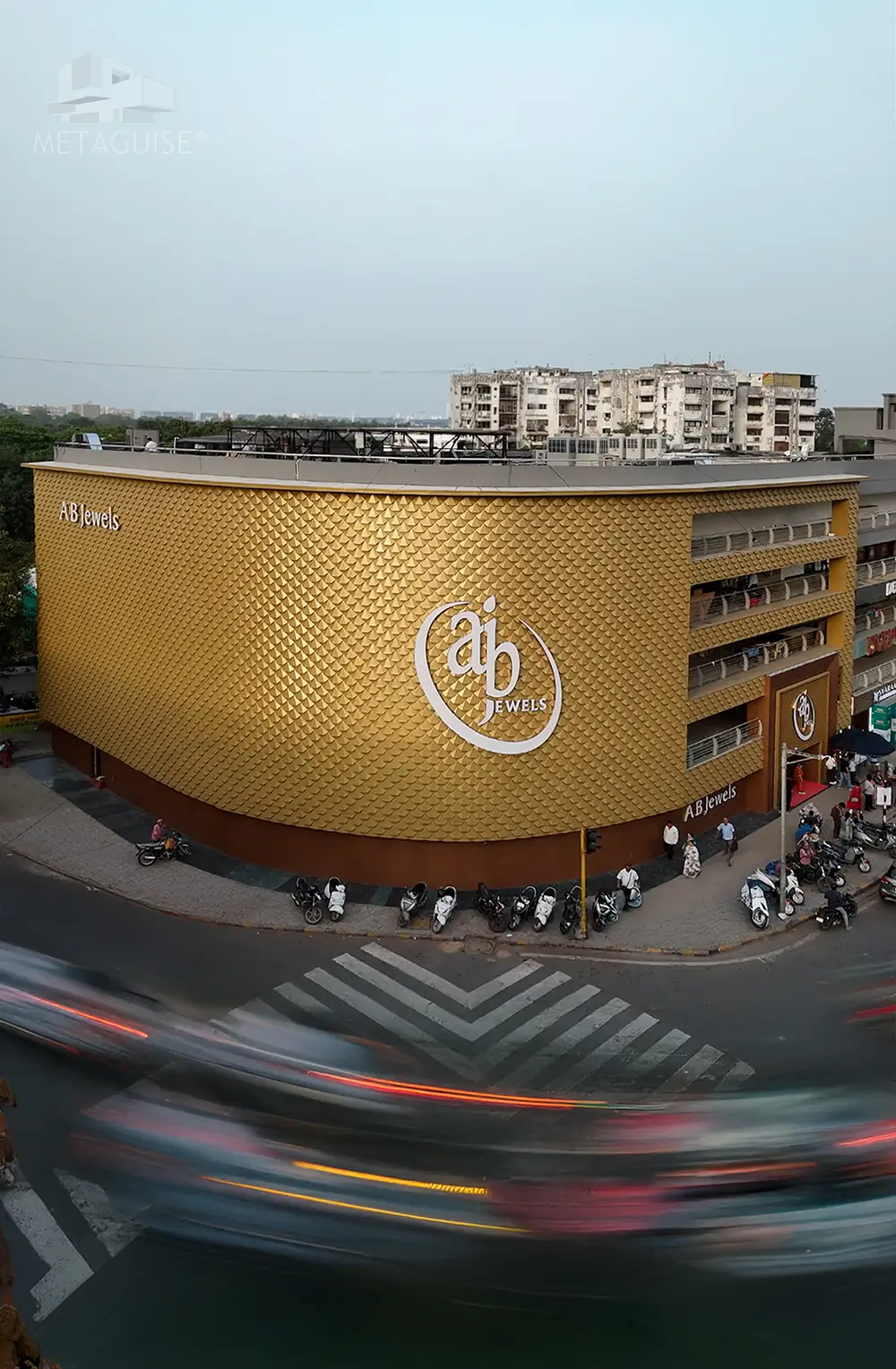
The dominance of metallic gold tones in luxury residential facades isn't arbitrary. It's the convergence of several forces: Cultural resonance: In Indian aesthetics, gold carries associations with prosperity, auspiciousness, and permanence - meanings that resonate during Griha Pravesh ceremonies and Diwali unveilings Technical superiority: Metal cladding withstands monsoon humidity, doesn't harbor biological growth like stone, and actually looks better as it weathers - developing a patina rather than staining Photographic magnetism: Warm metallic tones photograph exceptionally well in India's strong sunlight, creating the high-contrast, dimensional images that perform well on visual platforms Computational expressiveness: Unlike stone or glass, thin metal panels can be bent, folded, perforated, and oriented in virtually infinite configurations - making truly unique facades possible Status differentiation: In neighborhoods where every third home has Italian marble, a parametric metal facade signals technological sophistication and design literacy According to research published by the Indian Institute of Architects, there's been a 340% increase in facade-related budget allocation for luxury residences between 2020 and 2024, with metal cladding systems commanding the premium segment. The study notes that homeowners are increasingly viewing facades as "architectural signatures" rather than protective envelopes. "The rise of computational design tools has democratized complex geometries that were once the exclusive domain of starchitects and mega-projects. Today, a residential project in Bangalore can achieve the same level of geometric sophistication as a museum in Abu Dhabi." - ArchDaily Research, Digital Architecture Impact Study 2024

The Algorithm Behind the Shimmer
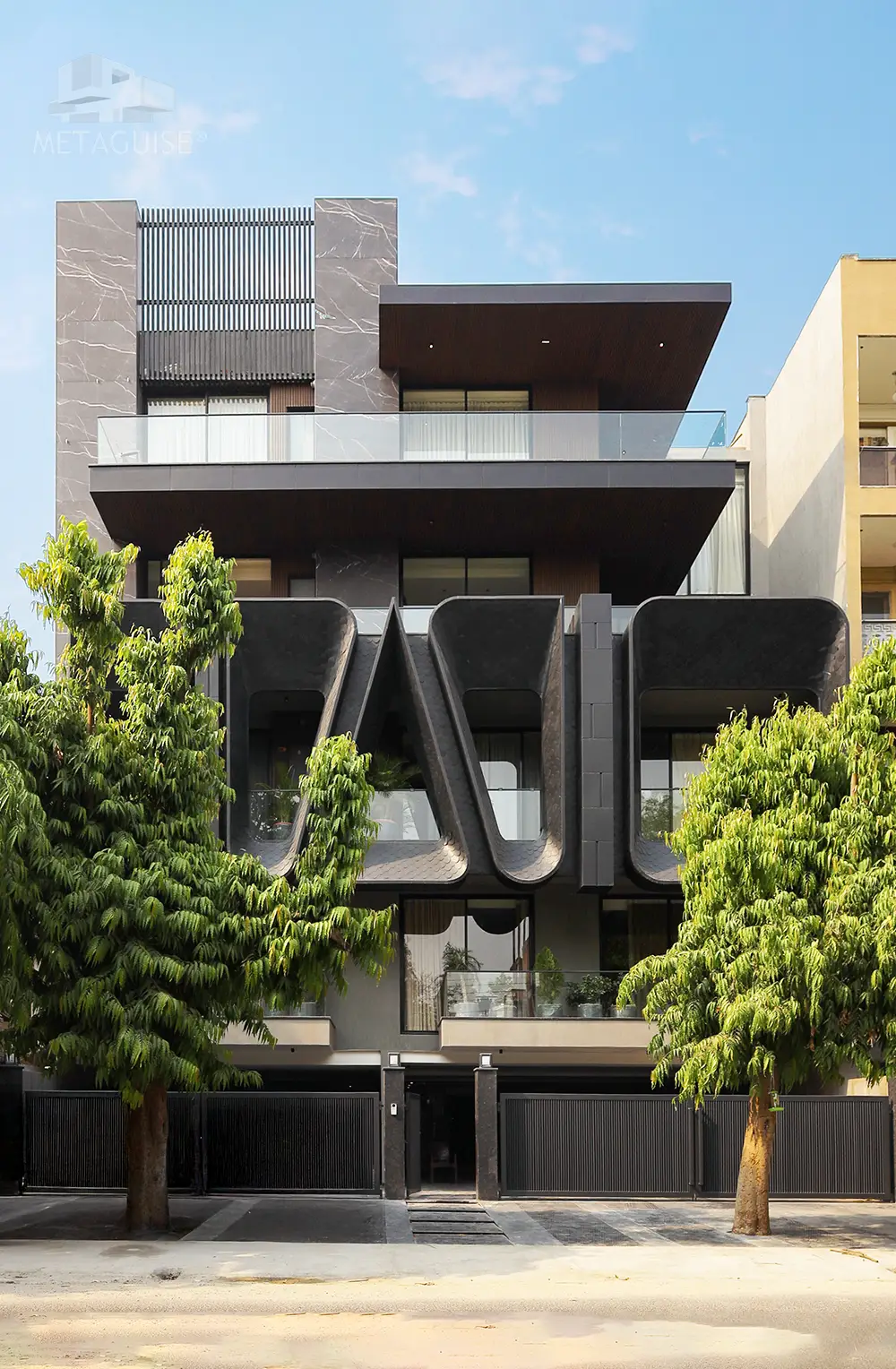
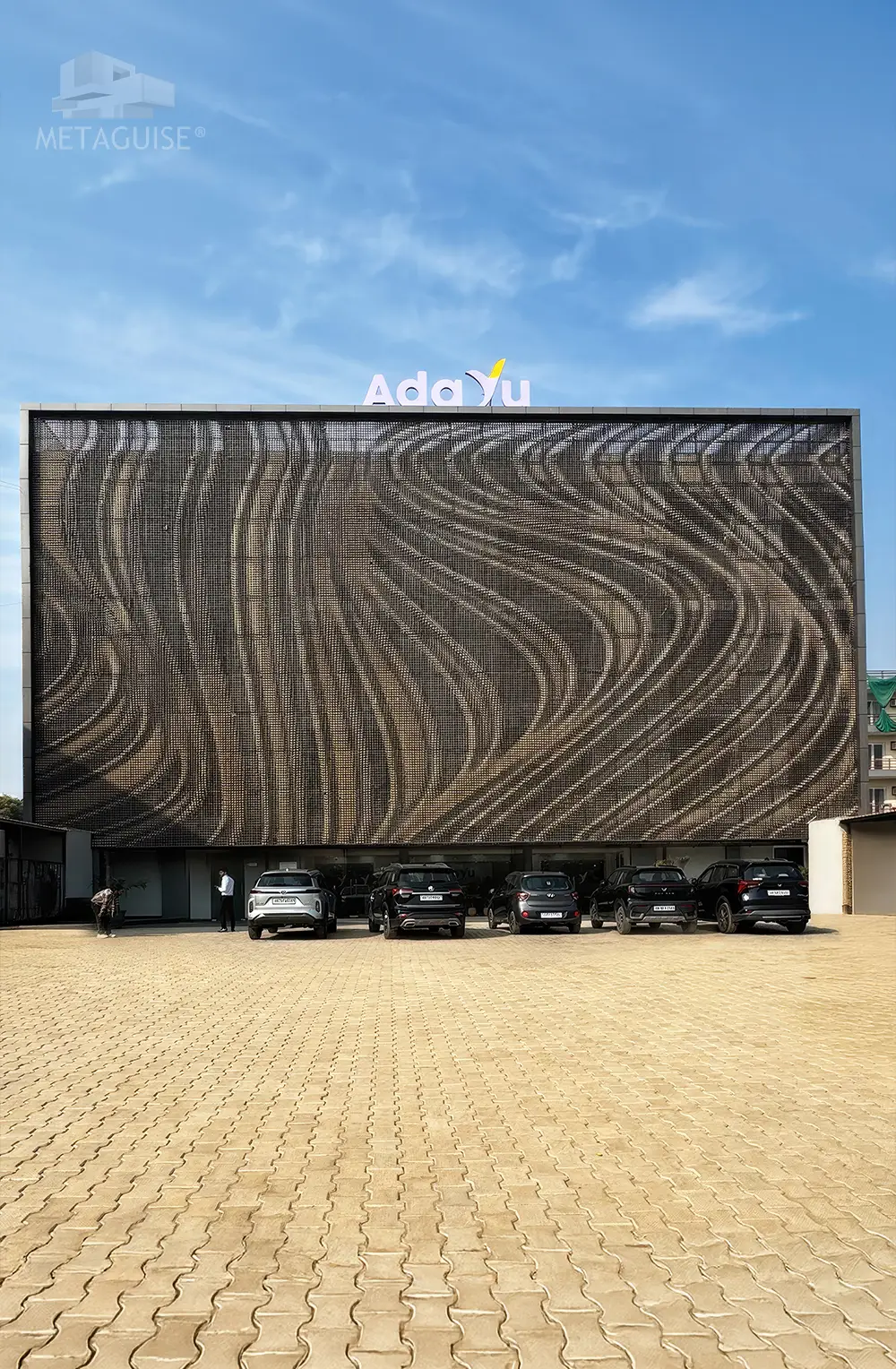
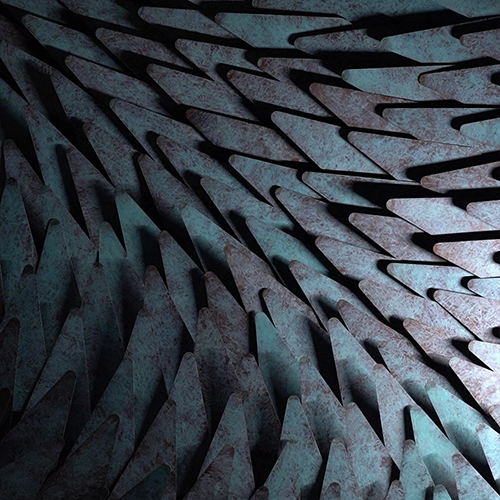
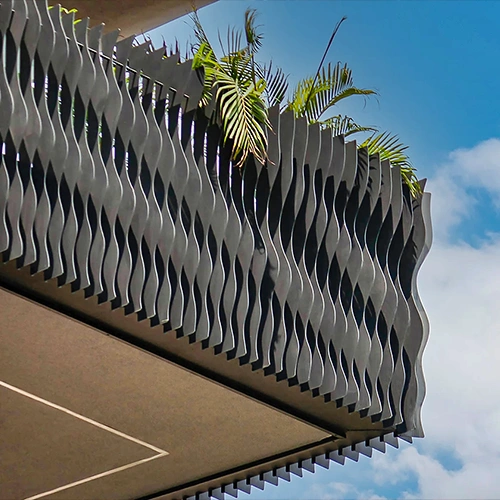
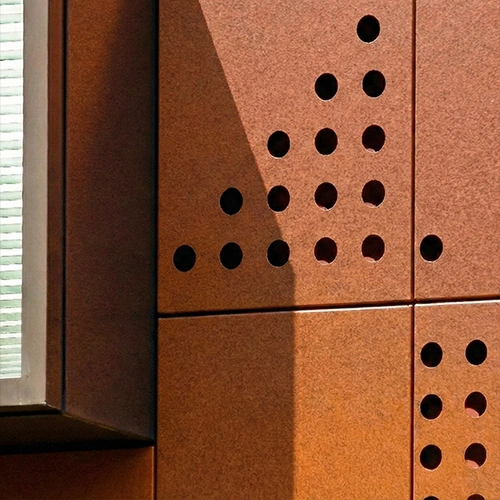
Here's what's actually happening when you see that golden shimmer: you're looking at a parametric system where every panel is algorithmically unique. Unlike traditional cladding where panels repeat in a grid, systems like MetaCassette use computational scripts to vary the orientation, depth, and perforation of each element based on factors like sun angle, viewing distance, and desired privacy gradients. The result is a facade that appears to change as you move past it - not because anything is physically moving, but because your viewing angle is constantly revealing different panel orientations. It's the architectural equivalent of a lenticular print, and it's devastatingly effective on camera. A Gurgaon-based architect we spoke with explained the appeal: "When a client comes to me now, they don't say 'I want a beautiful facade.' They say 'I want a facade that photographs well from the street.' That's not vanity - it's acknowledging that their home will be seen more often in photographs than in person by anyone except family."
The Economics of the Shimmer
Let's address the practical question: what does it actually cost to achieve this look? For a typical 5,000-square-foot luxury bungalow facade: Basic parametric metal facade: ₹1.8-2.5 crore (₹3,600-5,000 per sq ft) Premium systems with custom perforations and multi-layer depth: ₹3.5-5 crore (₹7,000-10,000 per sq ft) Flagship installations with integrated lighting and kinetic elements: ₹6-8+ crore (₹12,000-16,000+ per sq ft) Compare this to Italian marble cladding (₹2,500-4,000 per sq ft) or imported stone panels (₹3,500-6,000 per sq ft), and the premium seems justified - especially when you factor in that parametric metal facades require virtually no maintenance and improve with age rather than degrading. The ROI isn't just aesthetic. Luxury developers report that projects with distinctive parametric facades command 12-18% premium pricing and sell 40% faster than comparable properties with conventional exteriors. For homeowners, it's about legacy - creating a residence that will be architecturally relevant decades from now.

Beyond the Trend: What This Actually Means
The ubiquity of golden metal facades on Instagram isn't a bubble - it's a maturation of India's architectural identity. For decades, luxury in India meant importing aesthetics: Palladian columns, French windows, Italian marble. The parametric metal movement represents something different: computational design rooted in Indian fabrication, climate-responsive by necessity, and culturally resonant without being pastiche. Yes, there's a risk of visual fatigue. Yes, in five years we might look back at this moment the way we now view the "all-white minimalist" phase of the 2010s. But what's genuinely significant is that India now has the indigenous capability to produce world-class architectural facades - and homeowners are sophisticated enough to demand them. The shimmer you're seeing isn't just about metal catching light. It's about an entire ecosystem - architects learning parametric tools, fabricators mastering precision metalwork, homeowners understanding that a facade is an investment in identity - coming together at the exact moment that social media made architectural expression a form of personal branding.
The Photogenic Permanence
What makes these facades continue to photograph well isn't just their initial installation - it's how they age. Unlike painted surfaces that fade or stone that stains, anodized aluminum and weathering steel develop character over time. The golden shimmer becomes more nuanced, more layered, more interesting with each monsoon season. A two-year-old MetaSequin installation in Mumbai's Bandra photographed recently shows this perfectly: the facade has developed subtle variations in tone where rain patterns have created natural oxidation gradients, making the parametric geometry even more visible. The homeowners didn't restore it - they celebrated it. That photograph got more engagement than their original reveal. If you're planning a luxury residence and wondering whether your facade will still feel current in 2030, the answer isn't about following trends - it's about choosing systems that are designed to evolve. Explore how Metaguise's parametric facade systems transform building exteriors into living architectural signatures that grow more distinctive with time, or speak with our design team about creating a facade story that's uniquely yours - one that will stop traffic and scroll thumbs for decades to come.
Why Every Luxury Bungalow Photo on Instagram Now Has the Same Golden Metal Shimmer
21-04-26 | Industry Trends

The Photograph That Launched a Thousand Facades
Rewind to early 2023. A South Delhi couple commissioned a ₹12 crore bungalow with what their architect called a "parametric metal facade" - a surface composed of over 8,000 individual gold-anodized aluminum panels, each oriented at a slightly different angle based on a computational algorithm. The design wasn't meant to go viral. It was meant to solve a practical problem: how do you create privacy, shade, and ventilation while still making a bold architectural statement? Then the homeowners posted a photograph during golden hour. The facade didn't just reflect light - it seemed to hold it, creating gradients of shadow and brilliance that shifted as you moved your phone screen. Within 48 hours, the post had been shared by architecture publications, design influencers, and three competing real estate developers. The comment section became a database of architects' phone numbers. What happened next wasn't an imitation. It was aspiration meeting availability. For the first time, India had domestic fabrication capability for the kind of facades previously only possible through prohibitively expensive European imports. Systems like MetaSequin and MetaFin made it possible to achieve that signature shimmer - not through a single finish, but through thousands of unique surfaces working in concert.
Why Metal? Why Now? Why Gold?
The dominance of metallic gold tones in luxury residential facades isn't arbitrary. It's the convergence of several forces: Cultural resonance: In Indian aesthetics, gold carries associations with prosperity, auspiciousness, and permanence - meanings that resonate during Griha Pravesh ceremonies and Diwali unveilings Technical superiority: Metal cladding withstands monsoon humidity, doesn't harbor biological growth like stone, and actually looks better as it weathers - developing a patina rather than staining Photographic magnetism: Warm metallic tones photograph exceptionally well in India's strong sunlight, creating the high-contrast, dimensional images that perform well on visual platforms Computational expressiveness: Unlike stone or glass, thin metal panels can be bent, folded, perforated, and oriented in virtually infinite configurations - making truly unique facades possible Status differentiation: In neighborhoods where every third home has Italian marble, a parametric metal facade signals technological sophistication and design literacy According to research published by the Indian Institute of Architects, there's been a 340% increase in facade-related budget allocation for luxury residences between 2020 and 2024, with metal cladding systems commanding the premium segment. The study notes that homeowners are increasingly viewing facades as "architectural signatures" rather than protective envelopes. "The rise of computational design tools has democratized complex geometries that were once the exclusive domain of starchitects and mega-projects. Today, a residential project in Bangalore can achieve the same level of geometric sophistication as a museum in Abu Dhabi." - ArchDaily Research, Digital Architecture Impact Study 2024

The Algorithm Behind the Shimmer
Here's what's actually happening when you see that golden shimmer: you're looking at a parametric system where every panel is algorithmically unique. Unlike traditional cladding where panels repeat in a grid, systems like MetaCassette use computational scripts to vary the orientation, depth, and perforation of each element based on factors like sun angle, viewing distance, and desired privacy gradients. The result is a facade that appears to change as you move past it - not because anything is physically moving, but because your viewing angle is constantly revealing different panel orientations. It's the architectural equivalent of a lenticular print, and it's devastatingly effective on camera. A Gurgaon-based architect we spoke with explained the appeal: "When a client comes to me now, they don't say 'I want a beautiful facade.' They say 'I want a facade that photographs well from the street.' That's not vanity - it's acknowledging that their home will be seen more often in photographs than in person by anyone except family."
The Economics of the Shimmer
Let's address the practical question: what does it actually cost to achieve this look? For a typical 5,000-square-foot luxury bungalow facade: Basic parametric metal facade: ₹1.8-2.5 crore (₹3,600-5,000 per sq ft) Premium systems with custom perforations and multi-layer depth: ₹3.5-5 crore (₹7,000-10,000 per sq ft) Flagship installations with integrated lighting and kinetic elements: ₹6-8+ crore (₹12,000-16,000+ per sq ft) Compare this to Italian marble cladding (₹2,500-4,000 per sq ft) or imported stone panels (₹3,500-6,000 per sq ft), and the premium seems justified - especially when you factor in that parametric metal facades require virtually no maintenance and improve with age rather than degrading. The ROI isn't just aesthetic. Luxury developers report that projects with distinctive parametric facades command 12-18% premium pricing and sell 40% faster than comparable properties with conventional exteriors. For homeowners, it's about legacy - creating a residence that will be architecturally relevant decades from now.

Beyond the Trend: What This Actually Means
The ubiquity of golden metal facades on Instagram isn't a bubble - it's a maturation of India's architectural identity. For decades, luxury in India meant importing aesthetics: Palladian columns, French windows, Italian marble. The parametric metal movement represents something different: computational design rooted in Indian fabrication, climate-responsive by necessity, and culturally resonant without being pastiche. Yes, there's a risk of visual fatigue. Yes, in five years we might look back at this moment the way we now view the "all-white minimalist" phase of the 2010s. But what's genuinely significant is that India now has the indigenous capability to produce world-class architectural facades - and homeowners are sophisticated enough to demand them. The shimmer you're seeing isn't just about metal catching light. It's about an entire ecosystem - architects learning parametric tools, fabricators mastering precision metalwork, homeowners understanding that a facade is an investment in identity - coming together at the exact moment that social media made architectural expression a form of personal branding.
The Photogenic Permanence
What makes these facades continue to photograph well isn't just their initial installation - it's how they age. Unlike painted surfaces that fade or stone that stains, anodized aluminum and weathering steel develop character over time. The golden shimmer becomes more nuanced, more layered, more interesting with each monsoon season. A two-year-old MetaSequin installation in Mumbai's Bandra photographed recently shows this perfectly: the facade has developed subtle variations in tone where rain patterns have created natural oxidation gradients, making the parametric geometry even more visible. The homeowners didn't restore it - they celebrated it. That photograph got more engagement than their original reveal. If you're planning a luxury residence and wondering whether your facade will still feel current in 2030, the answer isn't about following trends - it's about choosing systems that are designed to evolve. Explore how Metaguise's parametric facade systems transform building exteriors into living architectural signatures that grow more distinctive with time, or speak with our design team about creating a facade story that's uniquely yours - one that will stop traffic and scroll thumbs for decades to come.
Related Articles
Related Articles

Why Aluminium Cladding Is the Future of Facade Design in Indian Architecture
India’s architecture is evolving - faster, smarter, and more performance-driven than ever before. As cities grow and climates shift, the facade is no longer just an exterior skin. It’s a functional envelope that must adapt, protect, and express.
12-09-25 | Industry Trends

Parametric Architecture in India: Why It’s Shaping the Future of Facade Design
Architecture is evolving - and with it, the language of the façade. At the heart of this evolution lies a powerful design philosophy: parametric architecture.
03-11-25 | Industry Trends

Top Facade Architecture Trends 2026 Tech Sustainability and Aesthetic Breakthroughs
The building envelope is undergoing a radical transformation. No longer just a 'skin,' it is now a performance-driven asset that breathes and adapts
12-02-26 | Industry Trends

Facade Design Trends 2026 Smart Sustainable and High-Performance Building Exteriors
The building envelope is undergoing a radical transformation. No longer just a 'skin,' it is now a performance-driven asset that breathes and adapts
23-02-26 | Industry Trends


.png)
Social
Legal
Privacy Policy|Terms & Conditions