



What Are Louvers Made Of? Aluminium, Steel, Wood and PVC Compared for Outdoor Use
16-10-26 | Material Spotlight
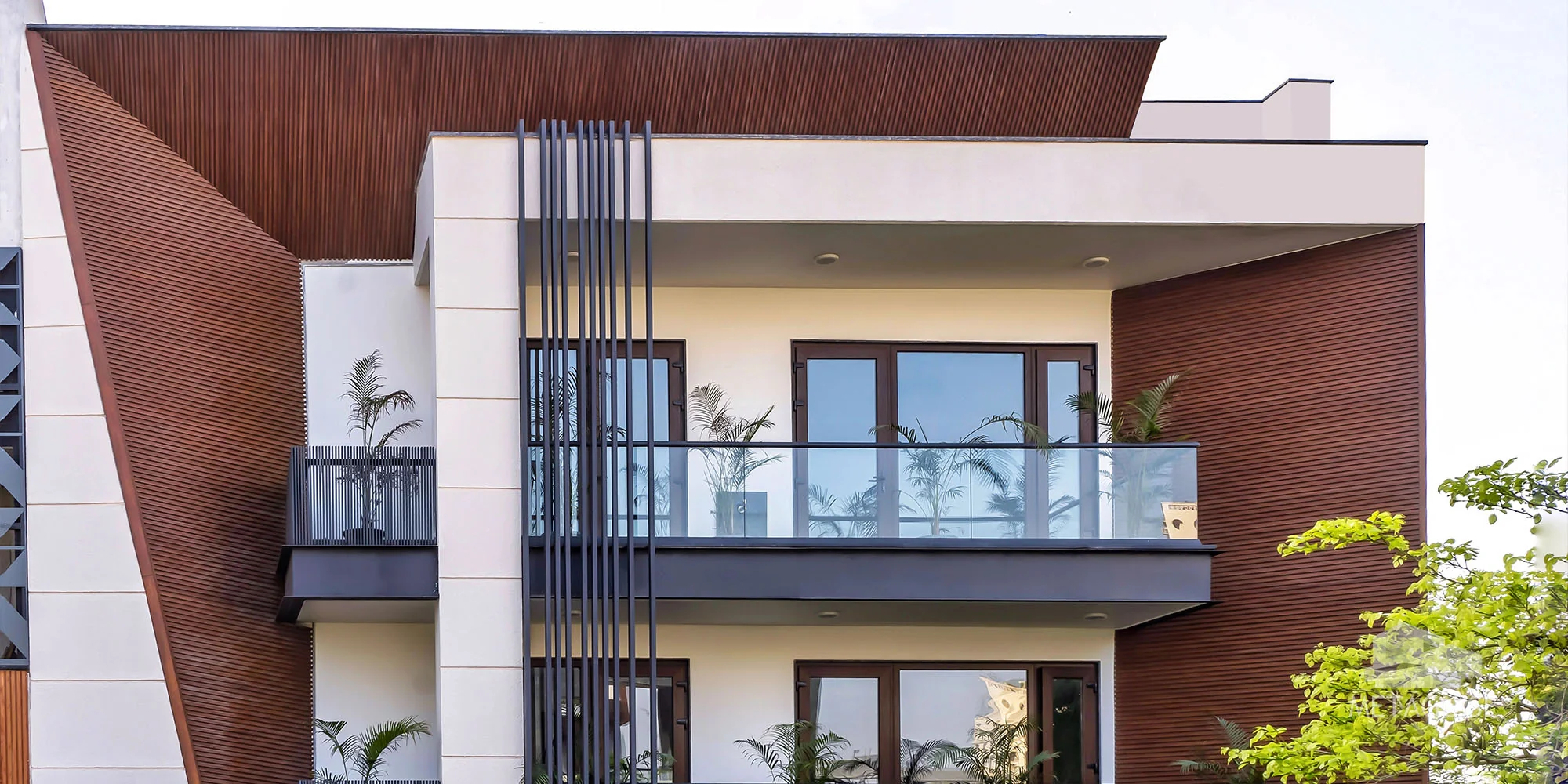
Louvers are made from aluminium, steel, wood, PVC and a few other materials. Each one behaves very differently outdoors. In India, where louvers face strong sun, heavy monsoon and dust, the wrong material can warp, rust or fade within a few years.
This guide compares the main louver materials so you can choose one that suits your building, your climate and your budget.
What Are Louvers?
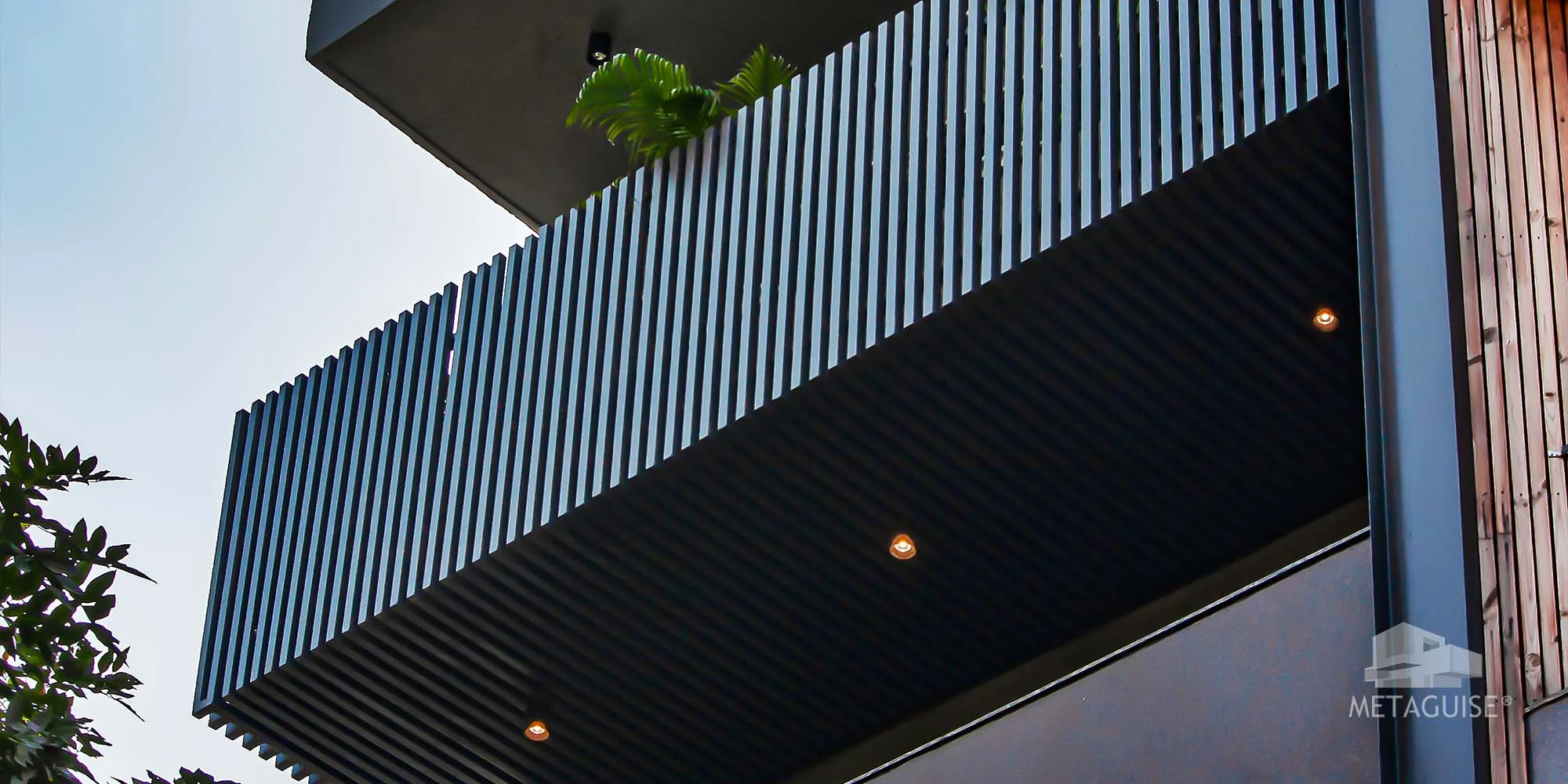
Louvers are a set of angled slats, fixed or adjustable, that let air and light pass while blocking rain, sun or views. On buildings, they are used for shading, ventilation, privacy and decoration. You will see them on facades, balconies, plant rooms, car parks, windows and roofs.
The Main Louver Materials
Aluminium Louvers
Aluminium is the most popular choice for outdoor louvers, and for good reason. See the MetaLouver range.
Pros: Light, naturally rust resistant, easy to extrude into precise shapes, available in many finishes and colours, low upkeep and recyclable.
Cons: Costs more than PVC or basic steel. Thin sections can dent or flutter in strong wind if poorly designed. Needs a quality coating for coastal use.
Best for: Facades, balconies, shading systems and almost any outdoor application. Read why metal louvers are worth it in Indian homes.
Steel Louvers
Steel comes in mild steel, galvanised steel and stainless steel.
Pros: Very strong, can span longer distances, good for heavy duty or security louvers. Stainless steel resists corrosion well.
Cons: Mild steel rusts if the coating is damaged. Steel is heavy, which adds load on the structure and fixings. Stainless is costly.
Best for: Industrial plants, security screens and heavy duty ventilation. Stainless steel suits coastal sites where aluminium needs extra protection.
Wooden Louvers
Pros: Warm, natural look that many people love.
Cons: Absorbs moisture in monsoon, can warp, crack and fade in sun, attracts termites and needs regular polish or sealing. Not suitable for most exposed outdoor use in India without heavy upkeep.
Best for: Covered or sheltered areas, such as inside a deep porch or interiors.
If you want the timber look outdoors without the upkeep, wood finish aluminium is a practical alternative.
PVC and uPVC Louvers
Pros: Low cost, light, does not rust and is easy to cut and install.
Cons: Can become brittle and fade under strong UV over time. Lower stiffness means narrow spans only. Limited colour range and a plainer look. Lower fire performance than metal.
Best for: Small, low budget applications such as bathroom vents or temporary screens.
Fibre Reinforced and Composite Louvers
FRP and composite louvers are strong, light and corrosion proof. They are common in chemical and coastal industrial settings but are less common in architectural facades, and finish options are more limited.
Glass Louvers
Glass louvers are used mainly for adjustable windows and ventilation panels. They allow light, but give little shade or privacy by themselves.
Side by Side Comparison
| Material | Weather resistance | Weight | Upkeep | Cost level | Fire behaviour |
|---|---|---|---|---|---|
| Aluminium | High | Light | Low | Medium | Non-combustible |
| Mild steel, coated | Medium, if coating holds | Heavy | Medium | Low to medium | Non-combustible |
| Stainless steel | Very high | Heavy | Low | High | Non-combustible |
| Wood | Low outdoors | Medium | High | Medium to high | Combustible |
| PVC | Medium, fades in UV | Light | Low | Low | Poor |
| FRP, composite | High | Light | Low | Medium to high | Varies |
How to Choose the Right Louver Material
Ask these five questions:
- Where will it be used? Exposed facade, covered porch, interior or plant room?
- What is your climate? Coastal, humid, hot and dry or dusty?
- What span do you need? Longer spans need stiffer sections.
- What look do you want? Metal, timber, colour or plain?
- What is your upkeep plan? Low maintenance or occasional repainting is fine?
For most outdoor building projects in India, aluminium with a good powder coat or PVDF finish is the best all round choice.
Finish Matters
A louver is only as good as its coating. For aluminium, look for:
- Powder coating with proper pre-treatment, for a wide colour range
- PVDF coating for excellent colour retention in strong sun
- Anodising for a natural metal look
- Wood finish transfer for a timber effect
Ask for coating thickness, warranty and test data, not only colour samples.
Design Details That Affect Performance
- Blade angle and spacing control how much sun, rain and view is blocked.
- Blade profile affects stiffness, wind noise and water drainage.
- Fixed or adjustable blades. Fixed is simpler and more durable. Adjustable gives control but needs mechanisms.
- Fixing and support spacing decide whether blades sag or vibrate in wind.
- Insect mesh behind louvers is often needed for ventilation openings.
Common Mistakes
- Using wood outdoors without planning the upkeep
- Choosing PVC for large exposed facades
- Mixing metals that touch each other, which can cause galvanic corrosion
- Skipping a sample to check colour and gloss in real sunlight
- Choosing only on price per piece, without checking coating and warranty
See Louver Finishes at Metaguise
Choosing a louver material is easier when you can see and touch real samples. Visit Metaland, the Metaguise experience centre in Gurugram, or share your project and we will suggest suitable materials and finishes.
Related reads: Balcony Louver Design Ideas; Wood Finish Aluminium Cladding; Solar Shading Facades in India.
16-10-26 | Material Spotlight
Louvers are made from aluminium, steel, wood, PVC and a few other materials. Each one behaves very differently outdoors. In India, where louvers face strong sun, heavy monsoon and dust, the wrong material can warp, rust or fade within a few years.
This guide compares the main louver materials so you can choose one that suits your building, your climate and your budget.
What Are Louvers?
Louvers are a set of angled slats, fixed or adjustable, that let air and light pass while blocking rain, sun or views. On buildings, they are used for shading, ventilation, privacy and decoration. You will see them on facades, balconies, plant rooms, car parks, windows and roofs.
The Main Louver Materials
Aluminium Louvers
Aluminium is the most popular choice for outdoor louvers, and for good reason. See the MetaLouver range.
Pros: Light, naturally rust resistant, easy to extrude into precise shapes, available in many finishes and colours, low upkeep and recyclable.
Cons: Costs more than PVC or basic steel. Thin sections can dent or flutter in strong wind if poorly designed. Needs a quality coating for coastal use.
Best for: Facades, balconies, shading systems and almost any outdoor application. Read why metal louvers are worth it in Indian homes.
Steel Louvers
Steel comes in mild steel, galvanised steel and stainless steel.
Pros: Very strong, can span longer distances, good for heavy duty or security louvers. Stainless steel resists corrosion well.
Cons: Mild steel rusts if the coating is damaged. Steel is heavy, which adds load on the structure and fixings. Stainless is costly.
Best for: Industrial plants, security screens and heavy duty ventilation. Stainless steel suits coastal sites where aluminium needs extra protection.
Wooden Louvers
Pros: Warm, natural look that many people love.
Cons: Absorbs moisture in monsoon, can warp, crack and fade in sun, attracts termites and needs regular polish or sealing. Not suitable for most exposed outdoor use in India without heavy upkeep.
Best for: Covered or sheltered areas, such as inside a deep porch or interiors.
If you want the timber look outdoors without the upkeep, wood finish aluminium is a practical alternative.
PVC and uPVC Louvers
Pros: Low cost, light, does not rust and is easy to cut and install.
Cons: Can become brittle and fade under strong UV over time. Lower stiffness means narrow spans only. Limited colour range and a plainer look. Lower fire performance than metal.
Best for: Small, low budget applications such as bathroom vents or temporary screens.
Fibre Reinforced and Composite Louvers
FRP and composite louvers are strong, light and corrosion proof. They are common in chemical and coastal industrial settings but are less common in architectural facades, and finish options are more limited.
Glass Louvers
Glass louvers are used mainly for adjustable windows and ventilation panels. They allow light, but give little shade or privacy by themselves.
Side by Side Comparison
| Material | Weather resistance | Weight | Upkeep | Cost level | Fire behaviour |
|---|---|---|---|---|---|
| Aluminium | High | Light | Low | Medium | Non-combustible |
| Mild steel, coated | Medium, if coating holds | Heavy | Medium | Low to medium | Non-combustible |
| Stainless steel | Very high | Heavy | Low | High | Non-combustible |
| Wood | Low outdoors | Medium | High | Medium to high | Combustible |
| PVC | Medium, fades in UV | Light | Low | Low | Poor |
| FRP, composite | High | Light | Low | Medium to high | Varies |
How to Choose the Right Louver Material
Ask these five questions:
- Where will it be used? Exposed facade, covered porch, interior or plant room?
- What is your climate? Coastal, humid, hot and dry or dusty?
- What span do you need? Longer spans need stiffer sections.
- What look do you want? Metal, timber, colour or plain?
- What is your upkeep plan? Low maintenance or occasional repainting is fine?
For most outdoor building projects in India, aluminium with a good powder coat or PVDF finish is the best all round choice.
Finish Matters
A louver is only as good as its coating. For aluminium, look for:
- Powder coating with proper pre-treatment, for a wide colour range
- PVDF coating for excellent colour retention in strong sun
- Anodising for a natural metal look
- Wood finish transfer for a timber effect
Ask for coating thickness, warranty and test data, not only colour samples.
Design Details That Affect Performance
- Blade angle and spacing control how much sun, rain and view is blocked.
- Blade profile affects stiffness, wind noise and water drainage.
- Fixed or adjustable blades. Fixed is simpler and more durable. Adjustable gives control but needs mechanisms.
- Fixing and support spacing decide whether blades sag or vibrate in wind.
- Insect mesh behind louvers is often needed for ventilation openings.
Common Mistakes
- Using wood outdoors without planning the upkeep
- Choosing PVC for large exposed facades
- Mixing metals that touch each other, which can cause galvanic corrosion
- Skipping a sample to check colour and gloss in real sunlight
- Choosing only on price per piece, without checking coating and warranty
See Louver Finishes at Metaguise
Choosing a louver material is easier when you can see and touch real samples. Visit Metaland, the Metaguise experience centre in Gurugram, or share your project and we will suggest suitable materials and finishes.
Related reads: Balcony Louver Design Ideas; Wood Finish Aluminium Cladding; Solar Shading Facades in India.
Related Articles
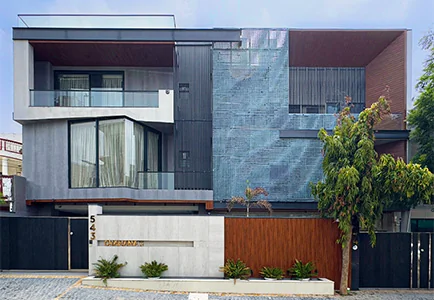
Living, Breathing Facades: The Science and Soul of MetaPatina
There’s something poetic about materials that age with grace. That shift color with time, deepen with exposure, and reveal new layers of beauty as they weather. MetaPatina, our living metal facade surface, is a tribute to that very idea - a facade that doesn’t just protect a building, but brings it to life...
06-04-25 | Material Spotlight
5 Reasons to Choose MetaSequin for Your Facade
At Metaguise, we believe the facade of a building isn’t just its outer layer - it’s its identity. And in today’s design landscape
10-11-25 | Material Spotlight
The Power of Perforation: Breathing Life, Light & Luxury into Metal Facades
At Metaguise, we believe the facade of a building isn’t just its outer layer - it’s its identity. And in today’s design landscape
17-11-25 | Material Spotlight
Perforated Metal Facade panels in 2026: Benefits, Design uses & Architectural Guide
Perforated metal facade panels are architectural cladding systems made from aluminium or steel sheets with precision-cut patterns.
09-12-25 | Material Spotlight
Social
Legal
Privacy Policy|Terms & Conditions