



Balcony Louver Design Ideas: Privacy, Airflow and Rain Cover for Indian Apartments
17-10-26 | Architectural Insights
In Indian apartments, the balcony is where life happens. It is where you dry clothes, drink chai, grow plants and watch the street. It is also where the neighbours can see you, the afternoon sun hits hardest and the monsoon rain blows in sideways.
A well designed louver screen solves most of these problems at once. It gives privacy, cuts glare, lets air through and keeps a good part of the rain out. This guide covers design ideas, spacing rules, materials and mistakes to avoid.
Why Louvers Work So Well on Balconies
- Privacy without blocking air. Angled blades hide the view from outside but let breeze through.
- Sun control. Blades cut direct sun and reduce heat entering the room behind.
- Rain cover. Angled blades stop much of the driving rain.
- A cleaner look. A louver screen can hide clothes lines, AC units and clutter.
- Better elevation. The pattern of blades adds rhythm to a plain apartment facade.
7 Balcony Louver Design Ideas
1. Full Height Vertical Louvers
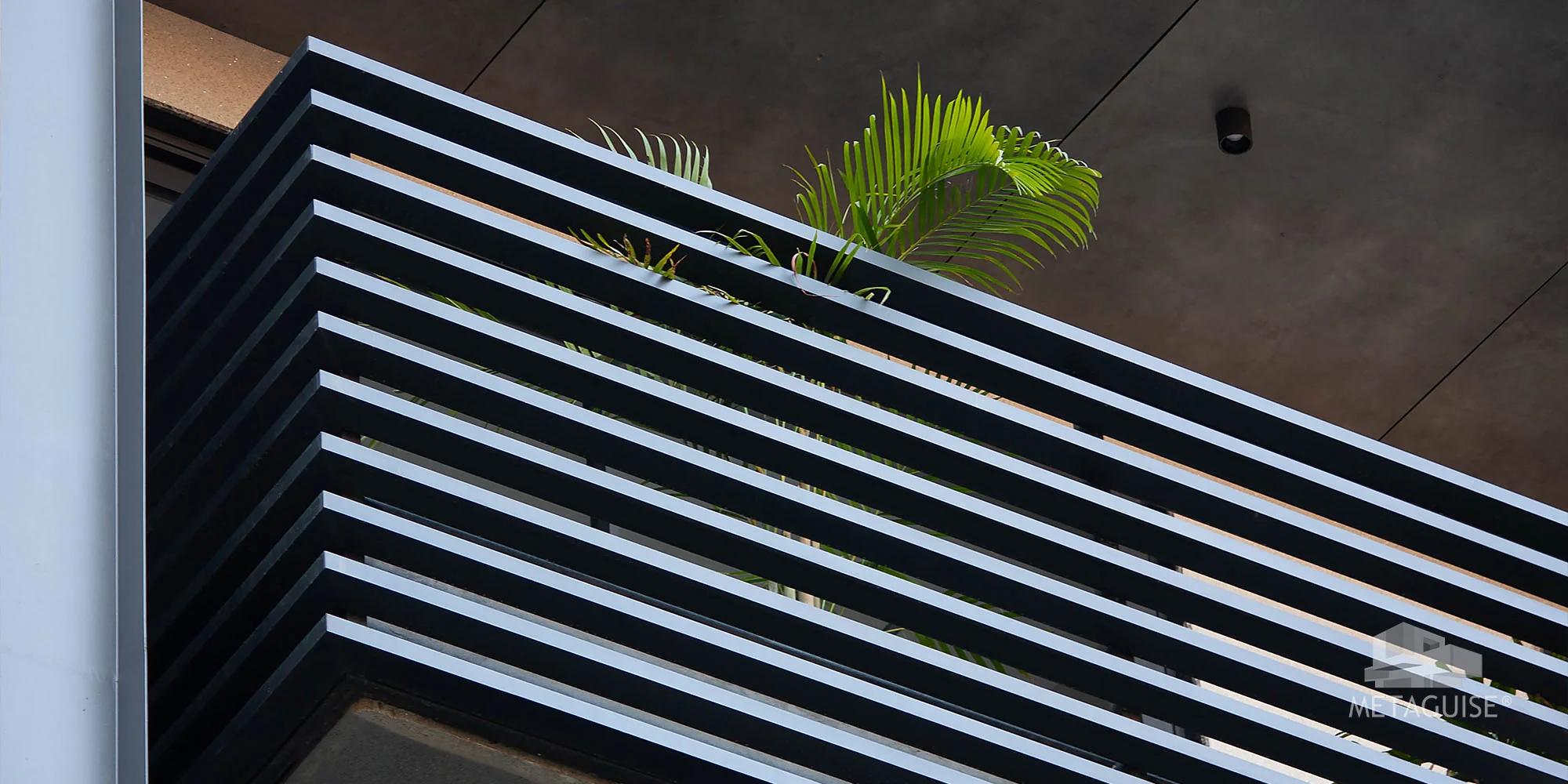
Vertical blades from floor to ceiling give strong privacy from side angles and a tall, elegant look. They work well on east and west facing balconies where low sun comes from the side.
2. Horizontal Louvers
Horizontal blades give a clean, modern line and are good at blocking high sun. They suit south facing balconies and long, narrow terraces.
3. Half Height Screen With Open Top
A louver screen at the lower half keeps privacy at sitting height while the upper half stays open for light and views. This works well on lower floors with street activity.
4. Sliding Louver Panels
Sliding panels let residents adjust privacy and sun through the day. They need quality tracks and rollers, and a design that does not trap dust.
5. Wood Finish Aluminium Louvers
The warm look of timber with the durability of metal. Popular for premium apartments and villas that want a natural feel without termites or polishing.
6. Angled Louvers for Privacy From Above and Below
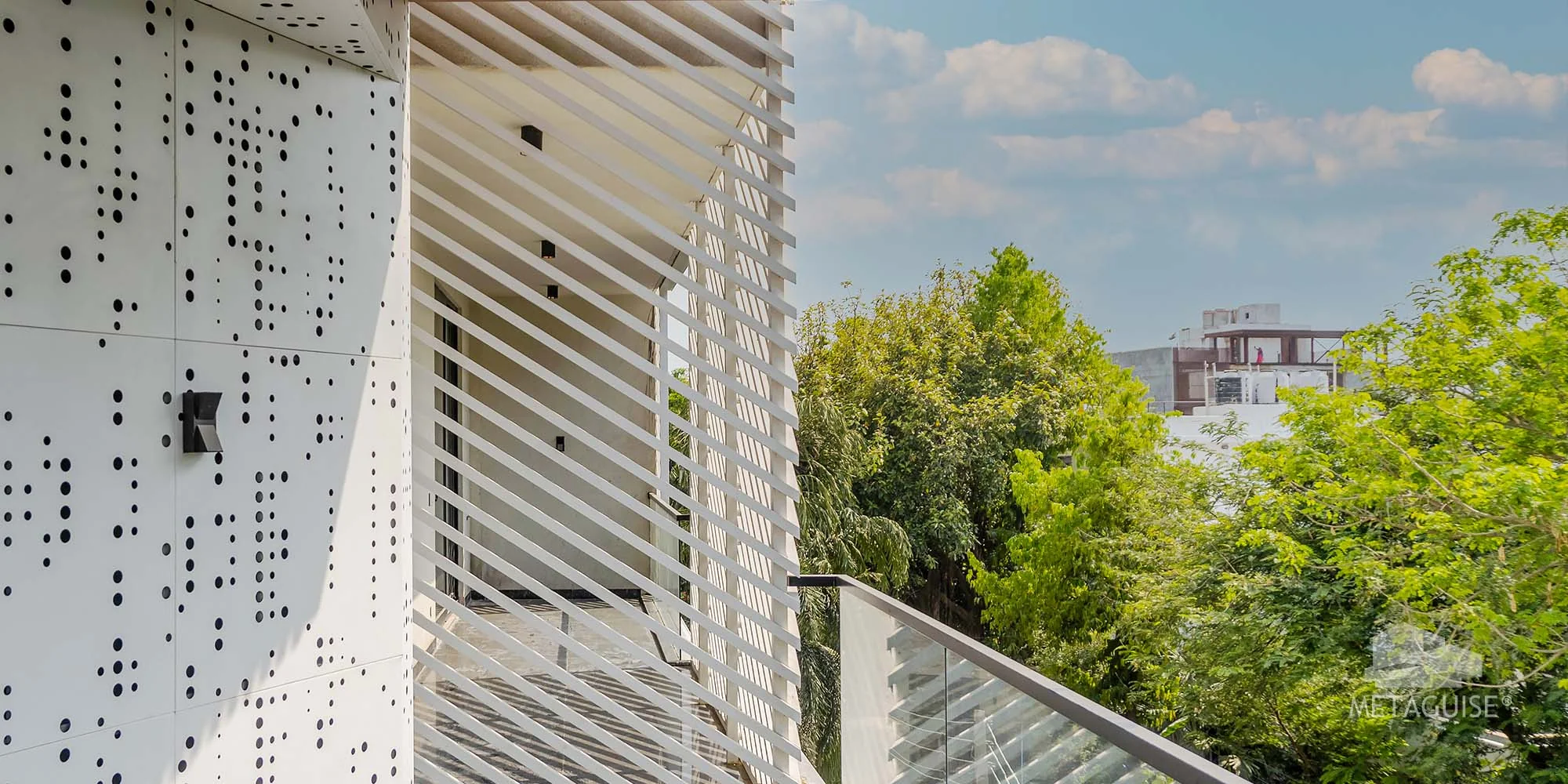
Blades tilted downward block views from higher floors and across the street, while still letting you see out. This is useful in dense cities where buildings are close together.
7. Louvers Combined With Planters
A louver screen behind a row of planters gives greenery, privacy and shade together. Make sure planters have drainage that does not stain the wall below.
Spacing and Angle Rules of Thumb
There is no single correct answer, because needs differ. These are practical starting points to discuss with your designer.
| Goal | Blade angle | Gap between blades | Result |
|---|---|---|---|
| Maximum privacy | Steeper, more closed | Narrow | Less airflow, less light |
| Maximum airflow | Flatter, more open | Wider | More breeze, less privacy |
| Rain protection | Angled downward on the outside | Narrow to medium | Blocks driving rain better |
| Sun control | Angled to match sun path of your orientation | Medium | Cuts glare and heat |
A good designer will test blade angle against the sun path for your direction, since a west balcony needs a different design than a north one.
Best Materials for Balcony Louvers in India
Aluminium is the most practical choice. It is light, does not rust and comes in many colours and wood effects. It suits high rise balconies where weight matters.
Stainless steel suits coastal buildings but is heavier and costlier.
Real wood is rarely suitable for exposed balconies, because of monsoon, sun and termites.
PVC is cheap but can fade and become brittle in strong sun, so it is best for light use only.
We compare these in detail in our guide on what louvers are made of.
Rules and Safety to Check
- Society and builder approval. Many apartment societies need approval for exterior changes.
- Wind load. High floors face stronger wind. Fixings and blade sections must be designed for it.
- Fire safety. Louvers should not block escape routes or fire access. Use non-combustible materials.
- Falling object risk. Fixings must be secure and corrosion resistant, particularly on high floors.
- Slab and structure. Confirm that the balcony edge can carry the added weight.
Installation Tips
- Measure the balcony after finishing work, not from old drawings.
- Ask for a sample blade to check colour and finish in real sunlight.
- Choose concealed fixings for a cleaner look.
- Plan for access, so you can clean both sides of the blades.
- Allow drainage so that rain does not collect at the base of the screen.
Upkeep
Wash with water and a mild cleaner every few months. Dust collects on horizontal surfaces, so choose a blade profile that is easy to wipe. Check fixings once a year, especially on high floors. See our metal facade maintenance tips.
Common Mistakes
- Closing the louvers too tight and killing the airflow
- Ignoring the sun direction when choosing blade angle
- Using thin blades that vibrate in wind
- Skipping society approval
- Choosing low quality coatings that fade within a couple of seasons
Get Balcony Louvers Designed Right
Metaguise designs and manufactures architectural metal screens and louvers. Visit our experience centre, Metaland, in Gurugram to see blade profiles and finishes, or share your balcony dimensions for suggestions.
Related reads: What Are Louvers Made Of; Wood Finish Aluminium Cladding; West-Facing Building Facade Fixes.
17-10-26 | Architectural Insights
In Indian apartments, the balcony is where life happens. It is where you dry clothes, drink chai, grow plants and watch the street. It is also where the neighbours can see you, the afternoon sun hits hardest and the monsoon rain blows in sideways.
A well designed louver screen solves most of these problems at once. It gives privacy, cuts glare, lets air through and keeps a good part of the rain out. This guide covers design ideas, spacing rules, materials and mistakes to avoid.
Why Louvers Work So Well on Balconies
- Privacy without blocking air. Angled blades hide the view from outside but let breeze through.
- Sun control. Blades cut direct sun and reduce heat entering the room behind.
- Rain cover. Angled blades stop much of the driving rain.
- A cleaner look. A louver screen can hide clothes lines, AC units and clutter.
- Better elevation. The pattern of blades adds rhythm to a plain apartment facade.
7 Balcony Louver Design Ideas
1. Full Height Vertical Louvers
Vertical blades from floor to ceiling give strong privacy from side angles and a tall, elegant look. They work well on east and west facing balconies where low sun comes from the side.
2. Horizontal Louvers
Horizontal blades give a clean, modern line and are good at blocking high sun. They suit south facing balconies and long, narrow terraces.
3. Half Height Screen With Open Top
A louver screen at the lower half keeps privacy at sitting height while the upper half stays open for light and views. This works well on lower floors with street activity.
4. Sliding Louver Panels
Sliding panels let residents adjust privacy and sun through the day. They need quality tracks and rollers, and a design that does not trap dust.
5. Wood Finish Aluminium Louvers
The warm look of timber with the durability of metal. Popular for premium apartments and villas that want a natural feel without termites or polishing.
6. Angled Louvers for Privacy From Above and Below
Blades tilted downward block views from higher floors and across the street, while still letting you see out. This is useful in dense cities where buildings are close together.
7. Louvers Combined With Planters
A louver screen behind a row of planters gives greenery, privacy and shade together. Make sure planters have drainage that does not stain the wall below.
Spacing and Angle Rules of Thumb
There is no single correct answer, because needs differ. These are practical starting points to discuss with your designer.
| Goal | Blade angle | Gap between blades | Result |
|---|---|---|---|
| Maximum privacy | Steeper, more closed | Narrow | Less airflow, less light |
| Maximum airflow | Flatter, more open | Wider | More breeze, less privacy |
| Rain protection | Angled downward on the outside | Narrow to medium | Blocks driving rain better |
| Sun control | Angled to match sun path of your orientation | Medium | Cuts glare and heat |
A good designer will test blade angle against the sun path for your direction, since a west balcony needs a different design than a north one.
Best Materials for Balcony Louvers in India
Aluminium is the most practical choice. It is light, does not rust and comes in many colours and wood effects. It suits high rise balconies where weight matters.
Stainless steel suits coastal buildings but is heavier and costlier.
Real wood is rarely suitable for exposed balconies, because of monsoon, sun and termites.
PVC is cheap but can fade and become brittle in strong sun, so it is best for light use only.
We compare these in detail in our guide on what louvers are made of.
Rules and Safety to Check
- Society and builder approval. Many apartment societies need approval for exterior changes.
- Wind load. High floors face stronger wind. Fixings and blade sections must be designed for it.
- Fire safety. Louvers should not block escape routes or fire access. Use non-combustible materials.
- Falling object risk. Fixings must be secure and corrosion resistant, particularly on high floors.
- Slab and structure. Confirm that the balcony edge can carry the added weight.
Installation Tips
- Measure the balcony after finishing work, not from old drawings.
- Ask for a sample blade to check colour and finish in real sunlight.
- Choose concealed fixings for a cleaner look.
- Plan for access, so you can clean both sides of the blades.
- Allow drainage so that rain does not collect at the base of the screen.
Upkeep
Wash with water and a mild cleaner every few months. Dust collects on horizontal surfaces, so choose a blade profile that is easy to wipe. Check fixings once a year, especially on high floors. See our metal facade maintenance tips.
Common Mistakes
- Closing the louvers too tight and killing the airflow
- Ignoring the sun direction when choosing blade angle
- Using thin blades that vibrate in wind
- Skipping society approval
- Choosing low quality coatings that fade within a couple of seasons
Get Balcony Louvers Designed Right
Metaguise designs and manufactures architectural metal screens and louvers. Visit our experience centre, Metaland, in Gurugram to see blade profiles and finishes, or share your balcony dimensions for suggestions.
Related reads: What Are Louvers Made Of; Wood Finish Aluminium Cladding; West-Facing Building Facade Fixes.
Related Articles
Architectural Luxury, Within Reach: Why MetaFlutes and MetaLouvers Are the Smartest Investment in Metal Facades
In today’s built environment, luxury is no longer defined by extravagance - it’s defined by intention. It’s about refined details, enduring finishes, and design that performs as beautifully as it looks. At Metaguise, our metal facade systems - MetaFlutes, MetaLouvers, and MetaCassette Perforated - are crafted to bring that standard of architectural luxury within reach...
07-04-25 | Architectural Insights
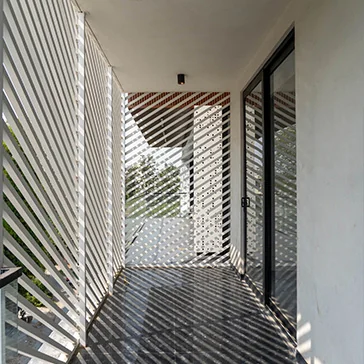
Why Architects Are Turning to Custom Metal Louvers in 2025
There’s something quietly brilliant happening in architecture right now. As buildings become more responsive and designers look for ways to merge aesthetics with performance, one feature is making a serious comeback, custom metal louvers.
03-06-25 | Architectural Insights
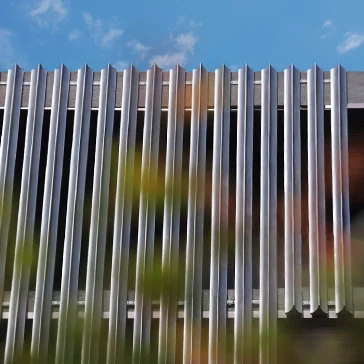
The Science of Shadows: How Facade Design Shapes Light and Mood
Architecture has always been about more than structure - it’s about rhythm, reflection, and the way light interacts with space.At Metaguise, we see every innovative facade as a living canvas, one that transforms not just how a building looks, but how it feels. Light becomes our material, and shadow becomes our tool.This is the art and the science behind MetaLouvers, MetaCassette, and the entire Metaguise facade family.
13-10-25 | Architectural Insights
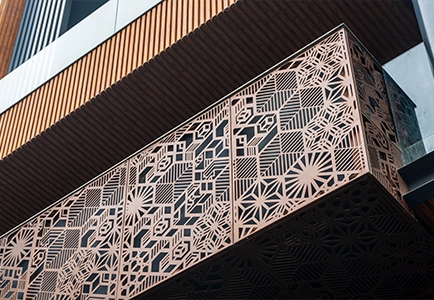
Custom Metal Facade Cladding in 2026: Design, Cost, Materials & Architect Guide
Explore how commercial spaces are using Metaguise facades to express identity and elevate perception.
24-11-25 | Architectural Insights
Social
Legal
Privacy Policy|Terms & Conditions