






Villa Facade Design India: Trending Styles for 2026 Luxury Homes
07-05-26 | Facade Innovations
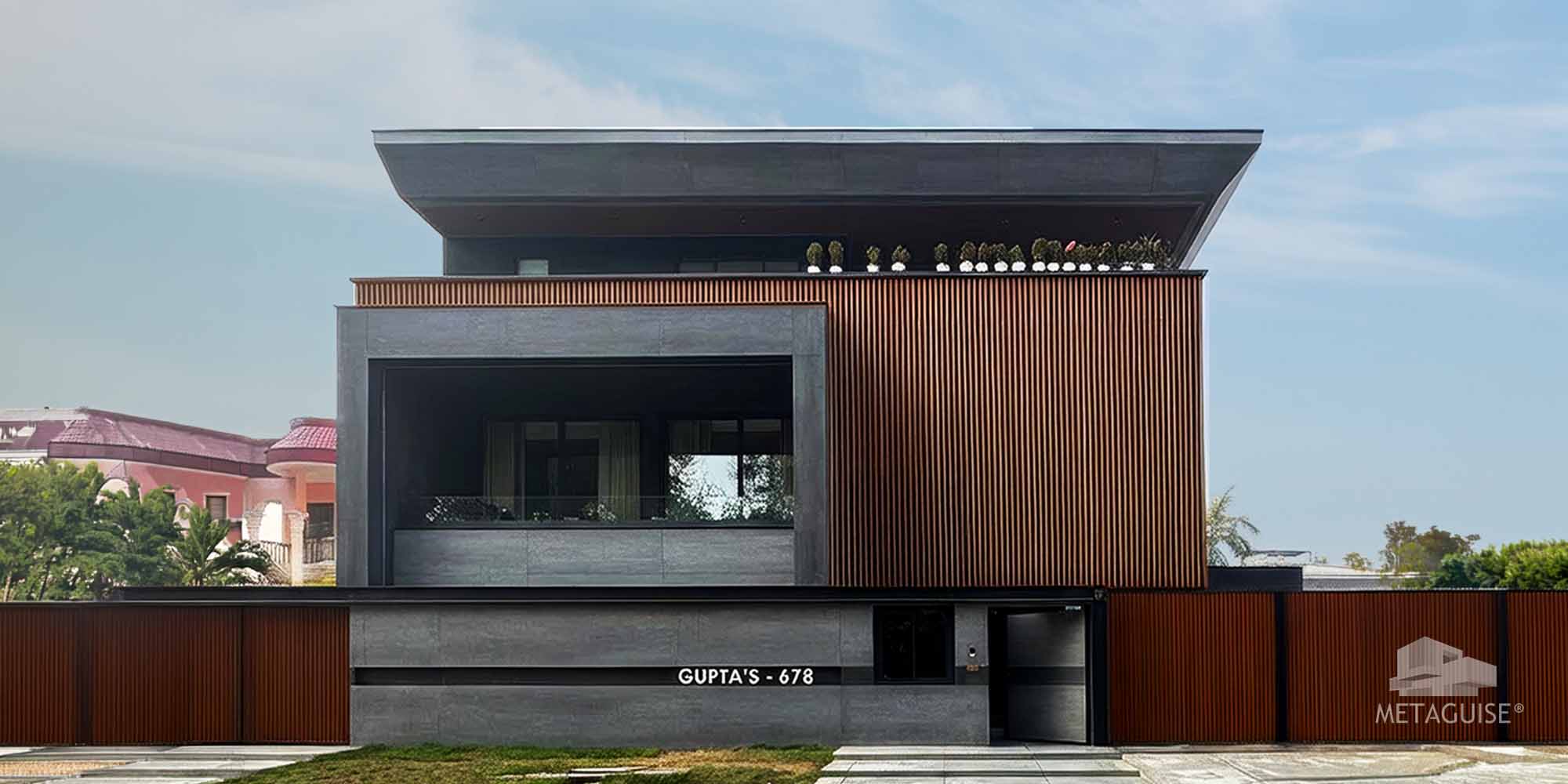
• Villa facade design in India is no longer a finishing decision - it is a strategic investment in identity, asset value, and architectural legacy. • In 2026, the dominant villa facade styles are parametric metal, Corten steel, copper patina, minimalist fluted aluminium, and biophilic screen systems - all available through Metaguise's in-house design-to-installation process. • Material selection must account for India's diverse climates - the right specification for a Bangalore hillside villa differs significantly from a Gujarat farmhouse compound or a Goa coastal retreat. • Metaguise's villa portfolio spans Gujarat, Delhi NCR, Karnataka, Pune, and Rajasthan - with each project delivered entirely in-house from computational design through fabrication to site installation. • A detailed cost guide, material comparison, and 4 expert FAQs are included to help you commission with confidence.
What Defines a Luxury Villa Facade in 2026?
There is a moment, approaching a great villa, when the facade answers a question before you've thought to ask it. It tells you something about the people inside - their taste, their confidence, their relationship with beauty and permanence. In 2026, that moment has become more architecturally deliberate than ever. According to Mordor Intelligence's India Luxury Residential Real Estate Market report, the market was valued at USD 57.87 billion in 2025 and is forecast to reach USD 107.99 billion by 2031 - with villas and landed houses expanding at an 11.20% CAGR, the fastest-growing segment within luxury residential. In a market growing at this pace, a villa's facade is no longer decorative - it is the primary differentiator in neighbourhoods where adjacent properties are equally large, equally well-located, and equally expensive. The definition of a luxury villa facade in India has also shifted. A decade ago, 'luxury' meant imported granite, ornate columns, and classical motifs. Today, it means the opposite: restraint that demonstrates taste, material intelligence that implies knowledge, and geometric precision that signals investment in quality. The HNI homeowner of 2026 - an industrialist in Ahmedabad, an entrepreneur in Bangalore, a Delhi-based family commissioning their forever home - has typically travelled extensively, follows international architecture, and has a clear emotional brief: a facade that is architecturally authored, not commercially assembled. Metaguise has spent over a decade building the vocabulary to answer that brief. From parametric systems that create facades unlike anything else in a neighbourhood, to premium finish ranges like MetaCorten and MetaCopper that develop deeper character over time, the company's work across 1,800+ projects gives it a uniquely comprehensive understanding of what makes a villa facade transcendent - and what makes it merely expensive.
Trending Villa Facade Styles in India for 2026
The following styles are defining the most distinguished villa and luxury home exterior design commissions across India right now. Each represents a distinct design philosophy - and each maps to specific Metaguise systems. 1. Parametric Metal: The Authored Facade Parametric villa facades are the clearest expression of architectural ambition in the Indian luxury residential market. Using computational scripting tools (Grasshopper and Rhino are Metaguise's primary platforms), facades are generated through mathematical logic - producing surfaces where every panel is positioned, angled, or perforated according to a rule system that creates gradients, rhythms, and patterns at the scale of the building. The result is an elevation that is genuinely one-of-a-kind: no two parametric facades by Metaguise are the same. Systems like MetaSequin - panels that catch and reflect light dynamically as viewing angle changes - and MetaCoin - circular metal modules arranged in computationally generated compositions - are the most specified parametric systems for villa applications. On a South Delhi bungalow or a Bangalore hillside villa, a MetaSequin elevation changes expression through the day: gold in the morning light, silver at noon, bronze at dusk. This is architecture that performs - and no other material category can replicate it. 2. Weathering Corten Steel: Permanence With Character For villa owners seeking an exterior that feels rooted - warm, material, honest - MetaCorten is Metaguise's weathering steel finish system that delivers the controlled rust patina of oxidising iron in a structurally engineered, architect-specified cladding application. Corten's defining characteristic is that it improves with time: the protective rust layer deepens in richness over 3–5 years, producing an elevation that becomes more beautiful as the building ages. A Corten-clad villa in Rajasthan's desert landscape or Maharashtra's Western Ghats achieves something rare in contemporary architecture - it looks as though the building grew from the land, not imposed upon it. MetaCorten is ideal for India's inland, low-salinity climates and must be detailed carefully for coastal applications. 3. Copper and Patina Finishes: The Language of Precious Metal Metaguise's MetaCopper and MetaPatina surface finishes bring the warmth and prestige of copper and its aged verdigris to aluminium substrates - achieving the visual depth of precious metal cladding without the structural weight or extreme cost of solid copper. For boutique luxury villas in Goa, Kerala resort retreats, and the Jaipur heritage zone, MetaCopper creates an exterior that resonates with the jewellery and craft traditions of each region. MetaPatina - the verdigris-green oxidised copper aesthetic - is particularly striking on villas set within lush garden landscapes, where the blue-green tone reads against tropical planting as an organic material harmony. 4. Fluted Aluminium: Tactile Luxury at Every Scale Metaguise's MetaFlute system - vertical fluted aluminium panels in a range of channel widths - has become the defining visual of premium Indian residential architecture in 2026. The system's appeal is its capacity to achieve the visual weight and tactile richness of stone or timber through the precision of metal: deep shadow gaps between fluted channels create an elevation that reads as three-dimensional from across the street, yet crisp and architecturally precise up close. On a two-storey villa in Pune's Koregaon Park or Gurgaon's Golf Course Road, MetaFlute combined with dark-frame glazing and a recessed entrance creates a composition of lasting sophistication. 5. Kinetic and Sliding Facades: Architecture as Daily Experience For the most ambitious ultra-luxury villa commissions, Metaguise's MetaSlider system introduces a dimension of daily experience that static facades cannot provide. Panels glide on precision-engineered tracks - opening to flood interiors with light, closing for privacy, reconfiguring the home's exterior face entirely at different hours. A Bangalore villa where the master suite facade opens hydraulically to the garden is not just a building - it is a living architectural statement. MetaSlider projects are bespoke, high-touch commissions with timelines of 12–18 months and budgets per square foot that reflect the engineering complexity and material quality involved. 6. Biophilic Screen Facades: Where Nature Meets Metal One of the most powerful design movements in Indian luxury architecture right now is the integration of planting and green walls with metal screen systems - creating villa facades where greenery is threaded through perforated or lattice MetaFin or perforated screen elements. The biophilic facade blurs the boundary between architecture and garden: at morning, the villa appears clothed in light and leaf; at evening, the metal screen becomes a lantern behind the planting. This approach is particularly sought after in Bangalore, Pune, and Goa - where tropical planting density makes a biophilic exterior composition genuinely transformative.
Best Materials for Luxury Villa Cladding Across India's Climate Zones
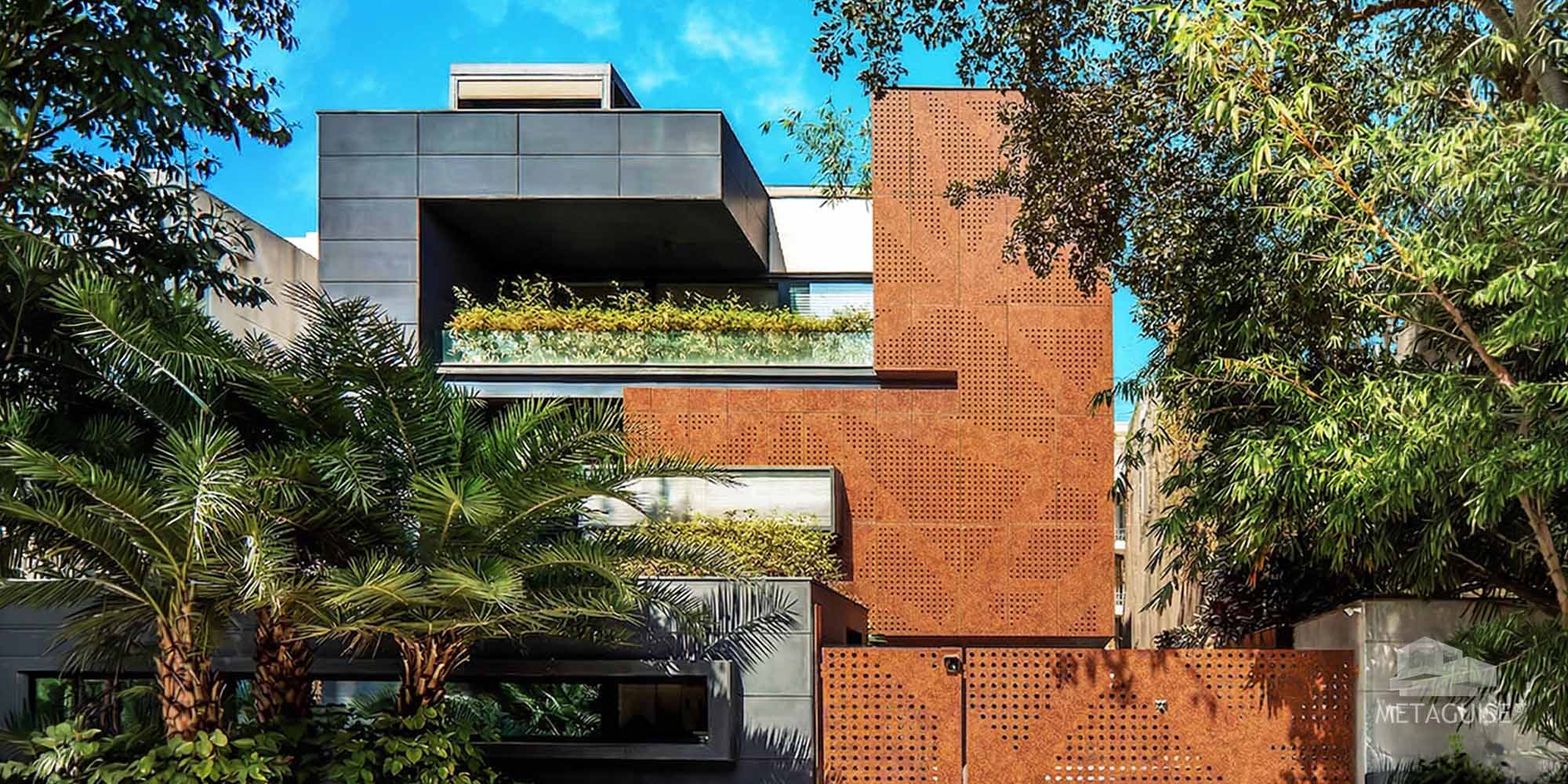
India's geographic diversity means that the ideal villa facade material in one city can be a problematic specification in another. A sound material choice for luxury villa exterior design in India must account for the specific climatic conditions of the project site. Hot-Arid Zones (Rajasthan, Gujarat, parts of Telangana) In cities like Jaipur, Jodhpur, Ahmedabad, and Hyderabad's hinterland, the primary challenge is intense solar radiation with minimal humidity. PVDF-coated aluminium in high-SRI finishes is the primary recommendation - reflecting solar radiation and maintaining colour fidelity through decades of intense UV exposure. MetaCorten performs well in these inland, low-humidity environments where the protective rust layer forms without moisture-induced pooling. MetaCopper's warm tones particularly suit the earth palette of Rajasthani landscapes. Warm-Humid Zones (Goa, Kerala, coastal Karnataka, coastal Tamil Nadu) Coastal and tropical-humid environments introduce salt air, sustained monsoon moisture, and biological growth pressure as primary material stressors. For coastal villa facades in Goa and Kerala, anodised aluminium - which develops no surface oxide layer vulnerable to salt attack - is Metaguise's primary specification. PVDF-coated systems are also suitable when sealed edges and jointing are specified with coastal detailing standards. MetaCorten is not recommended within 5 km of the sea, as salt-laden air interferes with the stable oxide layer formation that gives weathering steel its protective properties. Composite Climate (Delhi NCR, Pune, Bangalore, Central India) India's composite climate zones - where properties experience hot summers, monsoon rainfall, and mild-to-cool winters - represent the broadest design flexibility. Aluminium across Metaguise's full system range performs excellently: dimensionally stable through the thermal swing, moisture-resistant through the monsoon, and visually consistent through the colour-critical winter season when villas are most photographed and visited. Bangalore's moderate climate makes it arguably the most forgiving environment for facade materials in India - where even Corten, MetaCopper, and biophilic screens can be specified without significant climatic constraint.
Villa Facade Cost Guide for India in 2026
Understanding the investment required for a luxury villa facade in India requires separating cost by system type, complexity, and total elevation area. The following is a reference framework based on Metaguise's residential project experience: For modular MetaForm systems - MetaCassette, MetaFlute, MetaShingles, and SolidPanel - installed costs on villa projects typically range from ₹900 to ₹1,500 per sq ft. On a villa with 6,000 sq ft of facade area, this represents a total investment of ₹54 lakh to ₹90 lakh. These systems offer high design impact with shorter fabrication timelines (6–10 weeks) and are the most suitable choice for villas where design is architect-led and budget efficiency matters. For parametric systems - MetaSequin, MetaCoin, MetaFold, and MetaPyramid - installed costs range from ₹1,500 to ₹2,800 per sq ft, reflecting the computational design work, custom tooling, and precision fabrication involved. On the same 6,000 sq ft villa, this represents ₹90 lakh to ₹1.68 crore. These systems are specified when the design brief is unambiguously architectural - when the homeowner's instruction to their architect is "make it unlike anything in the neighbourhood." For MetaFunction kinetic systems - MetaSlider and bespoke MetaFold configurations - costs range from ₹2,800 to ₹4,500+ per sq ft, with total project investments for ultra-luxury villas commonly in the ₹1.5–3 crore range for facade alone. These commissions are rarely cost-driven; the budget follows the design intent. For homeowners building a ₹30–80 crore villa in which the facade is the centrepiece, the facade investment represents a rational 3–8% of total project cost - with returns in asset value, neighbourhood distinctiveness, and lasting architectural pride that far exceed the premium.
Metaguise Villa Facade Projects Across India
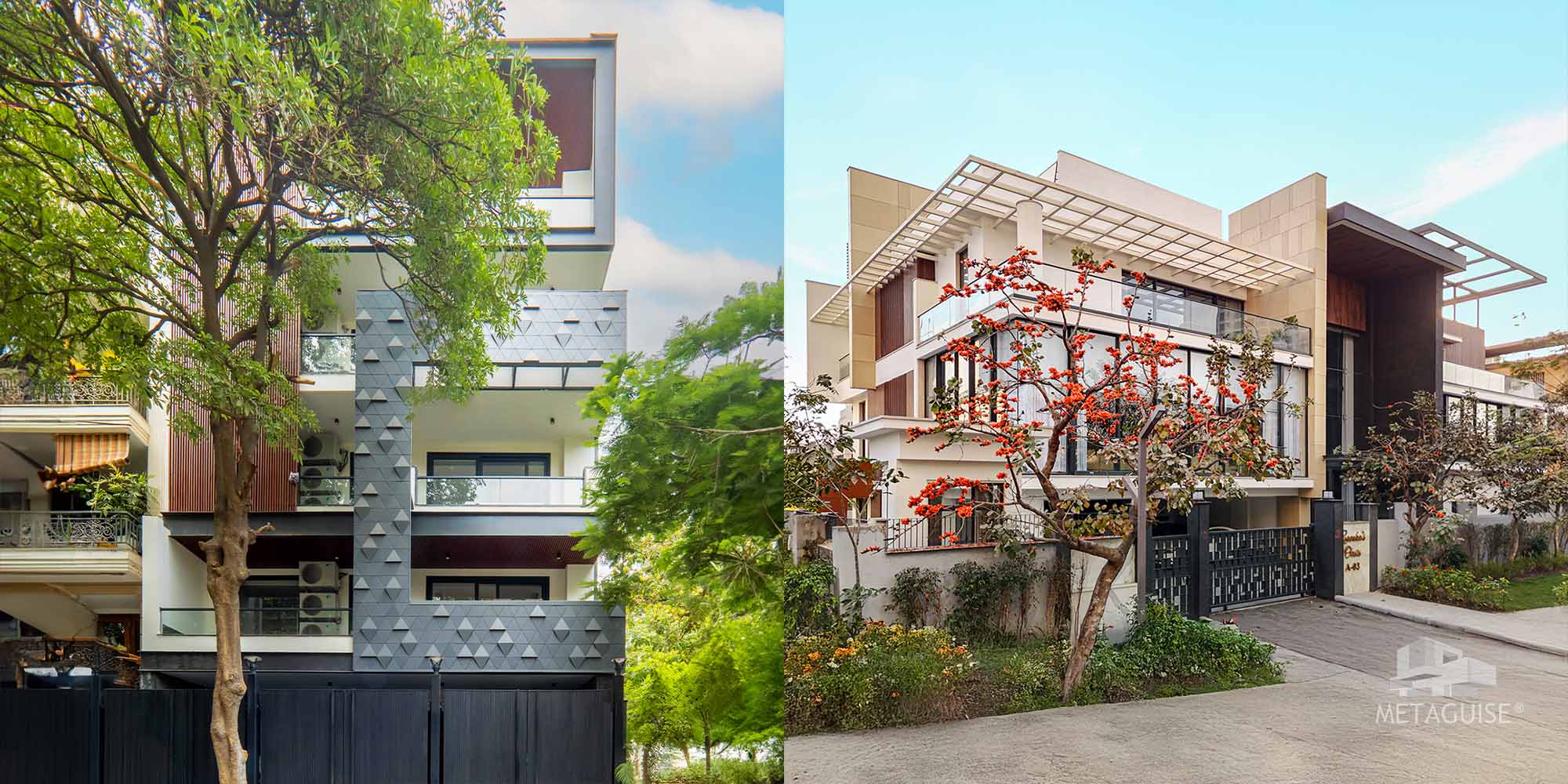
Metaguise's villa and luxury residential portfolio spans every major luxury residential market in India - and the range of design languages represented reflects the breadth of the company's capability. Across India’s luxury residential landscape, Metaguise creates metal facades that respond to climate, culture, and architectural intent. For contemporary villas and bungalows, parametric systems such as MetaSequin and MetaCoin bring jewellery-like detail to elevations, creating surfaces that shimmer with light while maintaining precision-engineered performance. For homes rooted in warmer, earthier landscapes, MetaCorten and MetaCopper offer rich tones of rust, ochre, and copper, allowing the facade to feel deeply connected to its natural surroundings. In urban and contemporary residential settings, systems like MetaFlute, biophilic screens, and MetaSlider kinetic facades introduce rhythm, privacy, airflow, and movement for a globally design-literate clientele. Metaguise works closely with architects to deliver lightweight, durable, and low-maintenance metal facade systems that balance beauty with performance - creating elevations that are not only visually striking, but engineered to endure. In every case, the process begins the same way: a site visit, a design conversation, and a question - what should this home say? From that conversation, Metaguise's design team develops visualisations, physical samples, and engineering documentation before a single panel is fabricated. The result is a facade that is authentically the client's own - designed for their site, their climate, their brief, and their legacy.
Frequently Asked Questions
1.What is the most popular villa facade material in India in 2026?
PVDF-coated aluminium - across systems like MetaFlute, MetaCassette, and MetaSequin - is the most widely specified material for premium villa facades across India. It combines dimensional stability in extreme temperatures, corrosion resistance, design flexibility, and a colour retention warranty of 25+ years. For homeowners seeking a warm, patinating aesthetic, MetaCorten weathering steel is the premium alternative in inland climates. For coastal villas in Goa or Kerala, anodised aluminium is the coastal-grade specification of choice.2.Can Metaguise design a villa facade that is truly unique - not seen anywhere else in India?
Yes. Metaguise's parametric design capability - using Grasshopper scripting within a Rhino environment - allows the creation of facade geometries and pattern compositions that are mathematically generated specifically for each project. No two parametric Metaguise facades are identical. For homeowners who want the strongest possible statement of originality, systems like MetaSequin, MetaCoin, or fully bespoke MetaFold designs produce elevations that cannot be replicated by any local contractor or adjacent developer.3. How long does a Metaguise villa facade project typically take from brief to installation?
For modular MetaForm systems, the typical timeline from design brief approval to completed installation is 10–16 weeks. For parametric systems requiring computational design development, physical mockup approval, and custom tooling, the timeline extends to 16–24 weeks. MetaFunction kinetic systems - such as MetaSlider - typically require 6–9 months from brief to installation, including structural engineering, automation integration, and quality certification. Metaguise provides a detailed project timeline and milestone schedule at the outset of every engagement.4. Does Metaguise work directly with villa homeowners, or only through architects?
Metaguise works both with architects specifying for their clients and directly with homeowners who are self-commissioning their residence. For homeowners approaching Metaguise directly, the company's design team takes on a consultative role - developing design options, providing 3D visualisations, and coordinating with the homeowner's structural consultant and site contractor. For architects already engaged on a project, Metaguise functions as the facade specialist sub-consultant and fabricator, working within the architect's design framework while contributing facade engineering and material expertise.Villa Facade Design India: Trending Styles for 2026 Luxury Homes
07-05-26 | Facade Innovations
• Villa facade design in India is no longer a finishing decision - it is a strategic investment in identity, asset value, and architectural legacy. • In 2026, the dominant villa facade styles are parametric metal, Corten steel, copper patina, minimalist fluted aluminium, and biophilic screen systems - all available through Metaguise's in-house design-to-installation process. • Material selection must account for India's diverse climates - the right specification for a Bangalore hillside villa differs significantly from a Gujarat farmhouse compound or a Goa coastal retreat. • Metaguise's villa portfolio spans Gujarat, Delhi NCR, Karnataka, Pune, and Rajasthan - with each project delivered entirely in-house from computational design through fabrication to site installation. • A detailed cost guide, material comparison, and 4 expert FAQs are included to help you commission with confidence.
What Defines a Luxury Villa Facade in 2026?
There is a moment, approaching a great villa, when the facade answers a question before you've thought to ask it. It tells you something about the people inside - their taste, their confidence, their relationship with beauty and permanence. In 2026, that moment has become more architecturally deliberate than ever. According to Mordor Intelligence's India Luxury Residential Real Estate Market report, the market was valued at USD 57.87 billion in 2025 and is forecast to reach USD 107.99 billion by 2031 - with villas and landed houses expanding at an 11.20% CAGR, the fastest-growing segment within luxury residential. In a market growing at this pace, a villa's facade is no longer decorative - it is the primary differentiator in neighbourhoods where adjacent properties are equally large, equally well-located, and equally expensive. The definition of a luxury villa facade in India has also shifted. A decade ago, 'luxury' meant imported granite, ornate columns, and classical motifs. Today, it means the opposite: restraint that demonstrates taste, material intelligence that implies knowledge, and geometric precision that signals investment in quality. The HNI homeowner of 2026 - an industrialist in Ahmedabad, an entrepreneur in Bangalore, a Delhi-based family commissioning their forever home - has typically travelled extensively, follows international architecture, and has a clear emotional brief: a facade that is architecturally authored, not commercially assembled. Metaguise has spent over a decade building the vocabulary to answer that brief. From parametric systems that create facades unlike anything else in a neighbourhood, to premium finish ranges like MetaCorten and MetaCopper that develop deeper character over time, the company's work across 1,800+ projects gives it a uniquely comprehensive understanding of what makes a villa facade transcendent - and what makes it merely expensive.
Trending Villa Facade Styles in India for 2026
The following styles are defining the most distinguished villa and luxury home exterior design commissions across India right now. Each represents a distinct design philosophy - and each maps to specific Metaguise systems. 1. Parametric Metal: The Authored Facade Parametric villa facades are the clearest expression of architectural ambition in the Indian luxury residential market. Using computational scripting tools (Grasshopper and Rhino are Metaguise's primary platforms), facades are generated through mathematical logic - producing surfaces where every panel is positioned, angled, or perforated according to a rule system that creates gradients, rhythms, and patterns at the scale of the building. The result is an elevation that is genuinely one-of-a-kind: no two parametric facades by Metaguise are the same. Systems like MetaSequin - panels that catch and reflect light dynamically as viewing angle changes - and MetaCoin - circular metal modules arranged in computationally generated compositions - are the most specified parametric systems for villa applications. On a South Delhi bungalow or a Bangalore hillside villa, a MetaSequin elevation changes expression through the day: gold in the morning light, silver at noon, bronze at dusk. This is architecture that performs - and no other material category can replicate it. 2. Weathering Corten Steel: Permanence With Character For villa owners seeking an exterior that feels rooted - warm, material, honest - MetaCorten is Metaguise's weathering steel finish system that delivers the controlled rust patina of oxidising iron in a structurally engineered, architect-specified cladding application. Corten's defining characteristic is that it improves with time: the protective rust layer deepens in richness over 3–5 years, producing an elevation that becomes more beautiful as the building ages. A Corten-clad villa in Rajasthan's desert landscape or Maharashtra's Western Ghats achieves something rare in contemporary architecture - it looks as though the building grew from the land, not imposed upon it. MetaCorten is ideal for India's inland, low-salinity climates and must be detailed carefully for coastal applications. 3. Copper and Patina Finishes: The Language of Precious Metal Metaguise's MetaCopper and MetaPatina surface finishes bring the warmth and prestige of copper and its aged verdigris to aluminium substrates - achieving the visual depth of precious metal cladding without the structural weight or extreme cost of solid copper. For boutique luxury villas in Goa, Kerala resort retreats, and the Jaipur heritage zone, MetaCopper creates an exterior that resonates with the jewellery and craft traditions of each region. MetaPatina - the verdigris-green oxidised copper aesthetic - is particularly striking on villas set within lush garden landscapes, where the blue-green tone reads against tropical planting as an organic material harmony. 4. Fluted Aluminium: Tactile Luxury at Every Scale Metaguise's MetaFlute system - vertical fluted aluminium panels in a range of channel widths - has become the defining visual of premium Indian residential architecture in 2026. The system's appeal is its capacity to achieve the visual weight and tactile richness of stone or timber through the precision of metal: deep shadow gaps between fluted channels create an elevation that reads as three-dimensional from across the street, yet crisp and architecturally precise up close. On a two-storey villa in Pune's Koregaon Park or Gurgaon's Golf Course Road, MetaFlute combined with dark-frame glazing and a recessed entrance creates a composition of lasting sophistication. 5. Kinetic and Sliding Facades: Architecture as Daily Experience For the most ambitious ultra-luxury villa commissions, Metaguise's MetaSlider system introduces a dimension of daily experience that static facades cannot provide. Panels glide on precision-engineered tracks - opening to flood interiors with light, closing for privacy, reconfiguring the home's exterior face entirely at different hours. A Bangalore villa where the master suite facade opens hydraulically to the garden is not just a building - it is a living architectural statement. MetaSlider projects are bespoke, high-touch commissions with timelines of 12–18 months and budgets per square foot that reflect the engineering complexity and material quality involved. 6. Biophilic Screen Facades: Where Nature Meets Metal One of the most powerful design movements in Indian luxury architecture right now is the integration of planting and green walls with metal screen systems - creating villa facades where greenery is threaded through perforated or lattice MetaFin or perforated screen elements. The biophilic facade blurs the boundary between architecture and garden: at morning, the villa appears clothed in light and leaf; at evening, the metal screen becomes a lantern behind the planting. This approach is particularly sought after in Bangalore, Pune, and Goa - where tropical planting density makes a biophilic exterior composition genuinely transformative.
Best Materials for Luxury Villa Cladding Across India's Climate Zones
India's geographic diversity means that the ideal villa facade material in one city can be a problematic specification in another. A sound material choice for luxury villa exterior design in India must account for the specific climatic conditions of the project site. Hot-Arid Zones (Rajasthan, Gujarat, parts of Telangana) In cities like Jaipur, Jodhpur, Ahmedabad, and Hyderabad's hinterland, the primary challenge is intense solar radiation with minimal humidity. PVDF-coated aluminium in high-SRI finishes is the primary recommendation - reflecting solar radiation and maintaining colour fidelity through decades of intense UV exposure. MetaCorten performs well in these inland, low-humidity environments where the protective rust layer forms without moisture-induced pooling. MetaCopper's warm tones particularly suit the earth palette of Rajasthani landscapes. Warm-Humid Zones (Goa, Kerala, coastal Karnataka, coastal Tamil Nadu) Coastal and tropical-humid environments introduce salt air, sustained monsoon moisture, and biological growth pressure as primary material stressors. For coastal villa facades in Goa and Kerala, anodised aluminium - which develops no surface oxide layer vulnerable to salt attack - is Metaguise's primary specification. PVDF-coated systems are also suitable when sealed edges and jointing are specified with coastal detailing standards. MetaCorten is not recommended within 5 km of the sea, as salt-laden air interferes with the stable oxide layer formation that gives weathering steel its protective properties. Composite Climate (Delhi NCR, Pune, Bangalore, Central India) India's composite climate zones - where properties experience hot summers, monsoon rainfall, and mild-to-cool winters - represent the broadest design flexibility. Aluminium across Metaguise's full system range performs excellently: dimensionally stable through the thermal swing, moisture-resistant through the monsoon, and visually consistent through the colour-critical winter season when villas are most photographed and visited. Bangalore's moderate climate makes it arguably the most forgiving environment for facade materials in India - where even Corten, MetaCopper, and biophilic screens can be specified without significant climatic constraint.
Villa Facade Cost Guide for India in 2026
Understanding the investment required for a luxury villa facade in India requires separating cost by system type, complexity, and total elevation area. The following is a reference framework based on Metaguise's residential project experience: For modular MetaForm systems - MetaCassette, MetaFlute, MetaShingles, and SolidPanel - installed costs on villa projects typically range from ₹900 to ₹1,500 per sq ft. On a villa with 6,000 sq ft of facade area, this represents a total investment of ₹54 lakh to ₹90 lakh. These systems offer high design impact with shorter fabrication timelines (6–10 weeks) and are the most suitable choice for villas where design is architect-led and budget efficiency matters. For parametric systems - MetaSequin, MetaCoin, MetaFold, and MetaPyramid - installed costs range from ₹1,500 to ₹2,800 per sq ft, reflecting the computational design work, custom tooling, and precision fabrication involved. On the same 6,000 sq ft villa, this represents ₹90 lakh to ₹1.68 crore. These systems are specified when the design brief is unambiguously architectural - when the homeowner's instruction to their architect is "make it unlike anything in the neighbourhood." For MetaFunction kinetic systems - MetaSlider and bespoke MetaFold configurations - costs range from ₹2,800 to ₹4,500+ per sq ft, with total project investments for ultra-luxury villas commonly in the ₹1.5–3 crore range for facade alone. These commissions are rarely cost-driven; the budget follows the design intent. For homeowners building a ₹30–80 crore villa in which the facade is the centrepiece, the facade investment represents a rational 3–8% of total project cost - with returns in asset value, neighbourhood distinctiveness, and lasting architectural pride that far exceed the premium.
Metaguise Villa Facade Projects Across India
Metaguise's villa and luxury residential portfolio spans every major luxury residential market in India - and the range of design languages represented reflects the breadth of the company's capability. Across India’s luxury residential landscape, Metaguise creates metal facades that respond to climate, culture, and architectural intent. For contemporary villas and bungalows, parametric systems such as MetaSequin and MetaCoin bring jewellery-like detail to elevations, creating surfaces that shimmer with light while maintaining precision-engineered performance. For homes rooted in warmer, earthier landscapes, MetaCorten and MetaCopper offer rich tones of rust, ochre, and copper, allowing the facade to feel deeply connected to its natural surroundings. In urban and contemporary residential settings, systems like MetaFlute, biophilic screens, and MetaSlider kinetic facades introduce rhythm, privacy, airflow, and movement for a globally design-literate clientele. Metaguise works closely with architects to deliver lightweight, durable, and low-maintenance metal facade systems that balance beauty with performance - creating elevations that are not only visually striking, but engineered to endure. In every case, the process begins the same way: a site visit, a design conversation, and a question - what should this home say? From that conversation, Metaguise's design team develops visualisations, physical samples, and engineering documentation before a single panel is fabricated. The result is a facade that is authentically the client's own - designed for their site, their climate, their brief, and their legacy.
Frequently Asked Questions
1.What is the most popular villa facade material in India in 2026?
PVDF-coated aluminium - across systems like MetaFlute, MetaCassette, and MetaSequin - is the most widely specified material for premium villa facades across India. It combines dimensional stability in extreme temperatures, corrosion resistance, design flexibility, and a colour retention warranty of 25+ years. For homeowners seeking a warm, patinating aesthetic, MetaCorten weathering steel is the premium alternative in inland climates. For coastal villas in Goa or Kerala, anodised aluminium is the coastal-grade specification of choice.2.Can Metaguise design a villa facade that is truly unique - not seen anywhere else in India?
Yes. Metaguise's parametric design capability - using Grasshopper scripting within a Rhino environment - allows the creation of facade geometries and pattern compositions that are mathematically generated specifically for each project. No two parametric Metaguise facades are identical. For homeowners who want the strongest possible statement of originality, systems like MetaSequin, MetaCoin, or fully bespoke MetaFold designs produce elevations that cannot be replicated by any local contractor or adjacent developer.3. How long does a Metaguise villa facade project typically take from brief to installation?
For modular MetaForm systems, the typical timeline from design brief approval to completed installation is 10–16 weeks. For parametric systems requiring computational design development, physical mockup approval, and custom tooling, the timeline extends to 16–24 weeks. MetaFunction kinetic systems - such as MetaSlider - typically require 6–9 months from brief to installation, including structural engineering, automation integration, and quality certification. Metaguise provides a detailed project timeline and milestone schedule at the outset of every engagement.4. Does Metaguise work directly with villa homeowners, or only through architects?
Metaguise works both with architects specifying for their clients and directly with homeowners who are self-commissioning their residence. For homeowners approaching Metaguise directly, the company's design team takes on a consultative role - developing design options, providing 3D visualisations, and coordinating with the homeowner's structural consultant and site contractor. For architects already engaged on a project, Metaguise functions as the facade specialist sub-consultant and fabricator, working within the architect's design framework while contributing facade engineering and material expertise.Related Articles
Related Articles
The Rise of Parametric facades: Designing with Algorithmic Elegance
A revolutionary parametric facade system designed to elevate architectural aesthetics. Crafted with premium metals and enhanced with MetaSurface finishes, MetaCoin offers unparalleled customizability, from the shape and size of each element to its color and arrangement. Its dynamic design reacts to light and perspective, creating ever-changing visual effects. Ideal for contemporary and iconic structures, MetaCoin transforms facades into captivating works of art that are sustainable, durable, and visually stunning.
01-04-25 | Facade Innovations
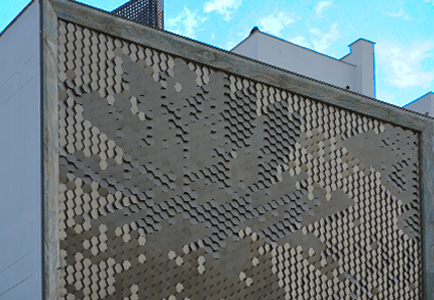
METABLOX™ by Metaguise: A Breakthrough in Parametric Facade Design
At the intersection of culture, craftsmanship, and cutting-edge geometry, METABLOX™ emerges as a bold new direction in architectural innovation. Introduced by Metaguise, this first-of-its-kind parametric facade technology makes its striking debut at the RJ Jewellers flagship store in Jaipur - setting a new benchmark in the world of metal design and modern Indian architecture.
09-04-25 | Facade Innovations
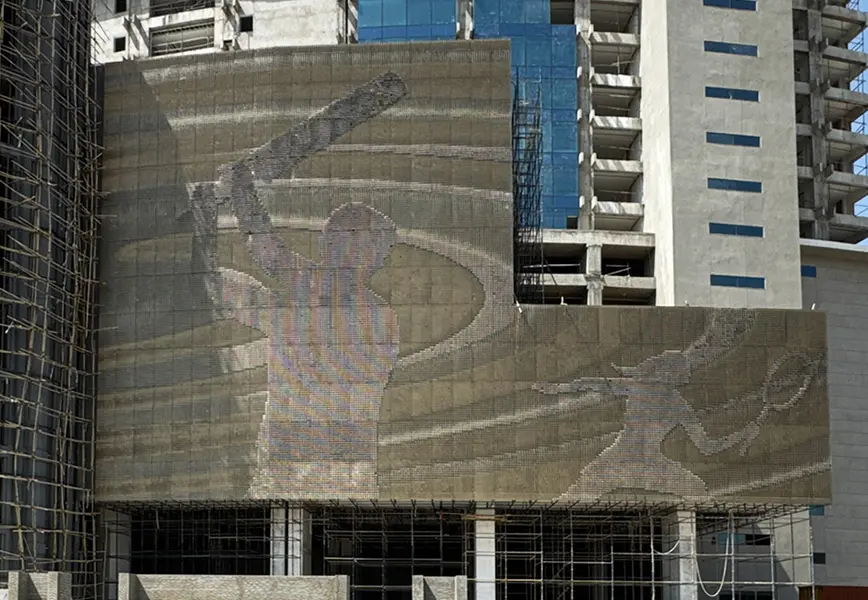
5 Landmark Projects That Used MetaCoin to Transform Facades
When it comes to parametric architecture, MetaCoin stands out as a revolutionary metal coin facade system. Crafted with precision, it offers dynamic aesthetics, adaptability, and a unique identity to structures. Let's delve into five notable projects where MetaCoin has redefined architectural facades.
13-05-25 | Facade Innovations
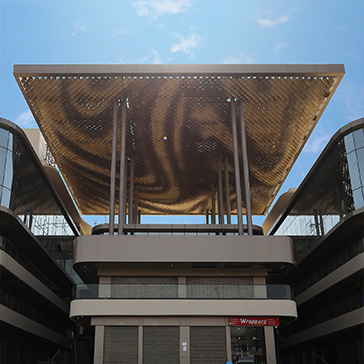
From Code to Construction: How Parametric Facades Are Built
Some buildings just make you look twice. Maybe it’s the way the facade curves. Or how the surface catches the light at different times of day. Often, what you’re seeing is more than just a design, it’s a parametric facade.
10-06-25 | Facade Innovations
Social
Legal
Privacy Policy|Terms & Conditions