





Narrative Facades: How Brands Are Turning Buildings Into Stories
22-04-26 | Architectural Insights
When Your Building Becomes Your Brand Story
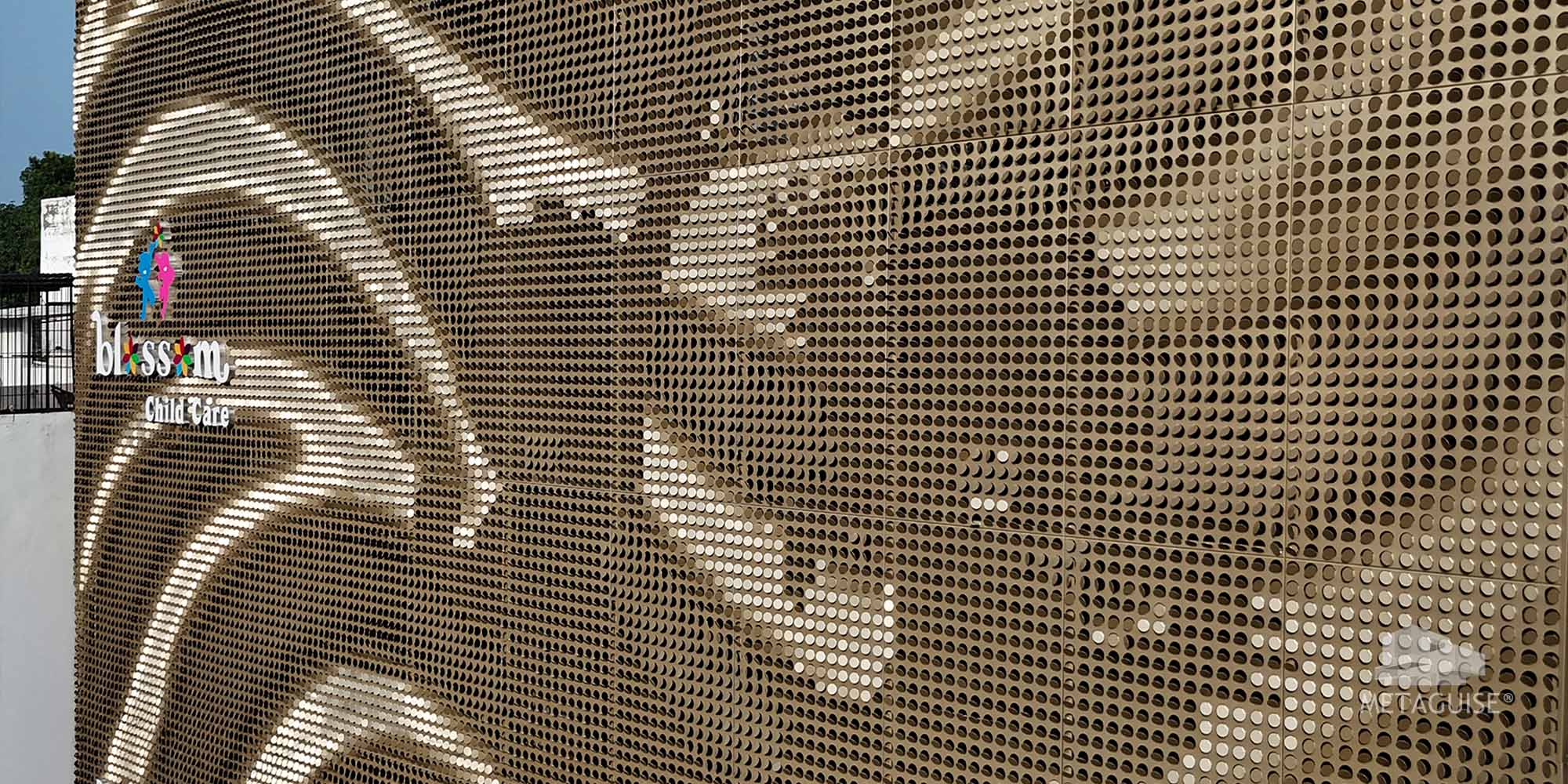
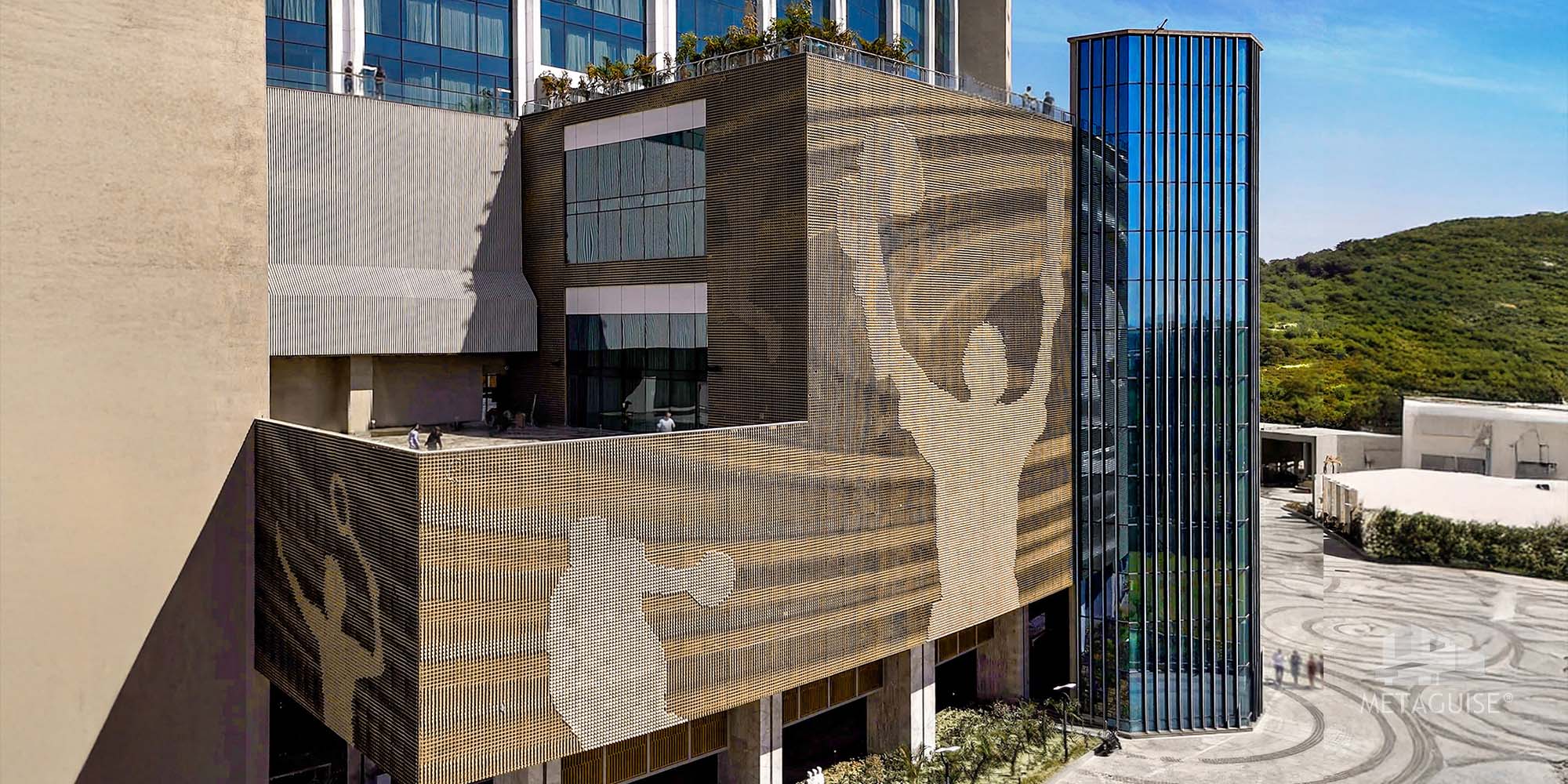
Walk past the Miraj Stadium in Rajasthan at sunset, and you'll witness something that would have been impossible a decade ago: thousands of gold-toned metal coins catching the light, each one precisely positioned to depict iconic moments from India's cricketing history. This isn't decoration applied to architecture - it's the architecture itself becoming a visual narrator, translating cultural memory into pattern, rhythm, and reflection. We've entered an era where the most sophisticated brands no longer ask their buildings to simply house their operations. They demand that the facade be the first brand touchpoint - an immersive statement that communicates values, heritage, and aspiration before a single word is spoken or product displayed. Whether it's a luxury retail flagship in Gurgaon or a university campus library in Bangalore, the exterior envelope has transformed from protective skin into a strategic storytelling surface. This shift represents architecture's response to our visual-first culture, where Instagram feeds have made iconic buildings more valuable than ever, and where foot traffic increasingly flows toward destinations that photograph as beautifully as they function. But creating facades that genuinely tell stories - rather than just looking expensive - requires a fundamental rethinking of how buildings are designed, engineered, and fabricated.
The New Language of Brand Architecture
Traditional facade thinking followed a straightforward logic: glass for transparency and modernity, stone for permanence and luxury, metal for efficiency and cost control. The elevation was primarily about performance metrics - thermal insulation, weatherproofing, structural load distribution. Aesthetics were layered on top, often as an afterthought constrained by budget and buildability. Narrative-driven facades flip this hierarchy entirely. Here, the story comes first - what does this building need to communicate? Then computational design and advanced fabrication technologies work backward to make that story architecturally possible. The result is a fundamentally different kind of building exterior: Non-repetitive patterns that create visual interest across massive surfaces without monotony - each panel can be unique yet part of a larger choreographed composition Responsive materiality where surfaces shift expression based on viewing angle, time of day, and atmospheric conditions, creating a dynamic relationship with passersby Encoded meaning embedded into geometric patterns, perforations, layering, and three-dimensional relief that references brand heritage, local culture, or functional purpose Scalable intimacy allowing brands to maintain emotional connection across stadium-scale installations through algorithmic variation and crafted detail Consider how luxury jewellery brand Tanishq approaches its flagship stores. The facade isn't merely a backdrop for window displays - it's an extension of the brand's philosophy of celebrating India's design heritage through contemporary craft. Premium metal systems with sophisticated surface finishes create an envelope that reads as both precious and accessible, traditional and forward-thinking, exactly mirroring the positioning of the products inside. "Companies that excel at demonstrating customer intimacy generate 40% more revenue from personalization than their peers. This intimacy isn't just digital - it extends to every physical touchpoint, especially flagship architecture that serves as the ultimate brand expression." - McKinsey & Company, The Value of Getting Personalization Right
The Algorithm Behind the Shimmer
Here's what's actually happening when you see that golden shimmer: you're looking at a parametric system where every panel is algorithmically unique. Unlike traditional cladding where panels repeat in a grid, systems like MetaCassette use computational scripts to vary the orientation, depth, and perforation of each element based on factors like sun angle, viewing distance, and desired privacy gradients. The result is a facade that appears to change as you move past it - not because anything is physically moving, but because your viewing angle is constantly revealing different panel orientations. It's the architectural equivalent of a lenticular print, and it's devastatingly effective on camera. A Gurgaon-based architect we spoke with explained the appeal: "When a client comes to me now, they don't say 'I want a beautiful facade.' They say 'I want a facade that photographs well from the street.' That's not vanity - it's acknowledging that their home will be seen more often in photographs than in person by anyone except family."
How Parametric Systems Enable Architectural Storytelling
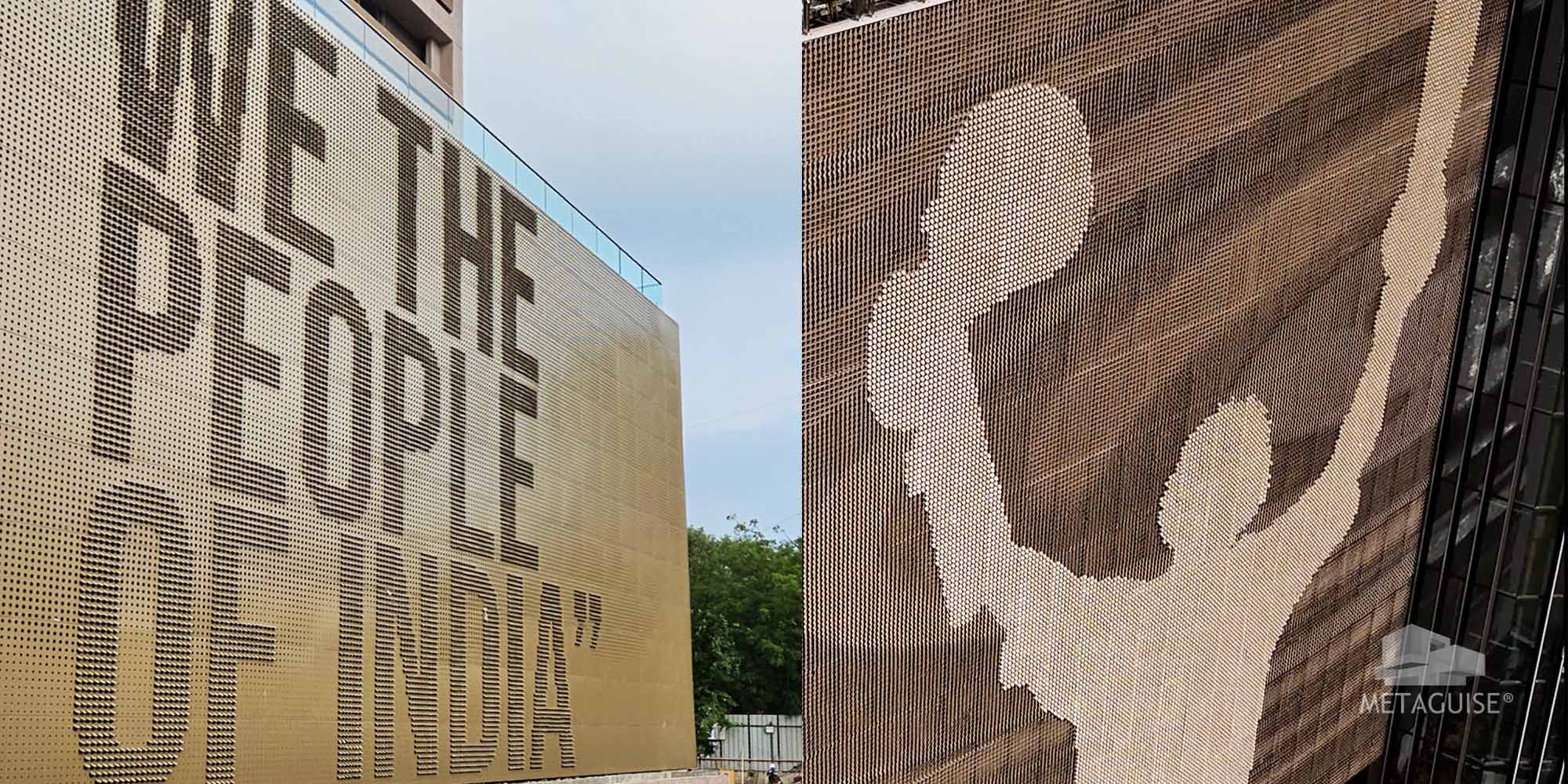
The technical breakthrough that makes narrative facades possible at scale is parametric design - using algorithms and computational logic to generate complex, coordinated geometries that would be impossible to draft manually. This isn't about making buildings look "futuristic" - it's about encoding intentional variation and meaning into thousands of individual components that collectively tell a coherent story. Take MetaSequin, a system composed of overlapping metal scales that can be individually angled to create shimmering, fish-scale-like surfaces. In one application, these might reference regional textile patterns for a cultural centre; in another, they might create a gradient from dense opacity to open transparency for a corporate headquarters that wants to communicate both security and transparency. The same technical platform adapts to radically different narrative requirements. Similarly, MetaCoin uses circular metal elements of varying sizes and depths to create three-dimensional relief patterns. At the Miraj Stadium, these coins became pixels in a massive architectural canvas depicting sporting moments. For a BMW showroom, the same system might be deployed with mirror-polished finishes and precise geometric arrangements that echo automotive engineering precision.
The Design-to-Fabrication Workflow
What separates genuine narrative architecture from surface-level styling is the integration between design intent and manufacturing reality. When an architect sketches a facade concept inspired by, say, the geometric patterns of traditional jaali screens reimagined in contemporary metal, that vision needs to survive translation into: Parametric scripts that define the mathematical relationships governing pattern density, perforation size, and panel variation across the entire building elevation Engineering calculations ensuring each unique panel meets structural, thermal, and acoustic performance requirements Fabrication files that drive CNC cutting, folding, and finishing equipment with millimetre-level precision Installation sequences that maintain design fidelity during on-site assembly, even when panels arrive in non-sequential order This is why integrated design-build capabilities matter profoundly for narrative facades. When the same team handles computational design, engineering, fabrication, and installation, the story encoded at concept stage survives intact through to completion. Fragmented workflows - where architects hand off to engineers who hand off to fabricators who hand off to installers - inevitably result in compromised narratives as each handoff simplifies, standardises, or value-engineers away the very complexity that carried meaning.
Case Studies in Narrative Transformation
From Functional Retail to Brand Theatre Luxury retail has been particularly quick to embrace narrative facades because the economics are so clear: in an era of e-commerce dominance, the physical flagship store must justify its existence by offering something impossible to replicate online. The answer increasingly is architectural spectacle - exteriors so compelling they become destinations and Instagram backdrops in their own right, drawing foot traffic that might otherwise never venture to a physical store. High-end automotive showrooms exemplify this shift. Where previous generations featured glass boxes that made the cars visible from the street, contemporary showrooms use perforated panels to create dynamic, kinetic facades that embody the brand's engineering values. The building doesn't just display products - it performs the same precision and innovation narrative that justifies the premium price point inside. Institutional Architecture as Cultural Declaration Universities and cultural institutions face a different narrative challenge: how to signal both tradition and innovation, both rootedness in heritage and openness to future thinking. Parametric metal systems offer an elegant solution by allowing facades to reference traditional architectural languages - jaali screens, geometric tile patterns, regional material palettes - while executing them through cutting-edge computational design and fabrication. A campus library might use MetaHive honeycomb patterns that evoke both Islamic geometric traditions and contemporary biomimicry, creating perforated screens that manage daylight while establishing cultural continuity. The facade tells arriving students: "This institution honours its intellectual heritage while embracing technological progress" - a message far more effective than any mission statement plaque. Sporting Venues as Community Monuments Stadiums represent the ultimate challenge in narrative architecture: how to create iconic presence at massive scale while maintaining emotional resonance with the communities they serve. Generic "international style" stadiums feel interchangeable - they could be anywhere, representing no one. Narrative facades solve this by encoding local sporting heritage, regional cultural patterns, or community identity directly into the building skin. The MetaSequin and MetaCoin systems excel here because they can handle the scale - thousands of unique panels choreographed across tens of thousands of square metres - while maintaining the kind of hand-crafted detail that creates emotional connection. The result is architecture that functions as community monument: locals see their stories reflected in the facade, visitors photograph it as an icon of place, and the structure transcends its functional program to become a shared symbol.
The Business Case for Narrative Investment
For real estate developers and brand managers accustomed to viewing facades primarily through the lens of cost-per-square-metre, narrative architecture requires a mindset shift. Yes, parametric metal systems with MetaSurface premium finishes cost more than generic curtain wall. But the return on investment manifests in ways that don't appear on traditional construction budgets: Brand equity concentration: A distinctive facade becomes the primary brand asset, doing the work of millions in advertising spend every day it stands Social amplification: Photogenic architecture generates organic social media content, extending reach far beyond the physical building's immediate context Premium positioning: Customers unconsciously associate facade sophistication with product/service quality, justifying higher price points and attracting more discerning clientele Competitive differentiation: In markets where interior fit-outs and product offerings have commoditised, the building exterior becomes the primary differentiator Talent attraction: For corporate headquarters, distinctive architecture signals innovation culture, making recruitment easier in competitive talent markets Long-term relevance: Well-designed narrative facades age gracefully, maintaining appeal across decades while generic glass boxes date quickly The calculus becomes especially clear for brands operating at the luxury or premium end of their categories. When you're asking customers to pay 2-3x market rates for watches, jewellery, automobiles, or residential real estate, the facade essentially functions as the credibility statement that justifies that premium. A generic building undermines the brand promise before the first customer interaction.
What Separates Genuine Narrative from Surface Decoration
As narrative facades gain popularity, we're seeing a predictable rush of imitation - applied patterns, decorative screens, and superficial "parametric-looking" cladding that lacks genuine computational logic or storytelling intent. Here's how to distinguish authentic narrative architecture from cosmetic styling: Integrated from Concept Stage True narrative facades emerge from collaboration between architects and facade specialists beginning at the earliest design sketches - not as a product specification exercise after design is frozen. The conversation starts with "what story does this building need to tell?" and the parametric system becomes the medium for answering that question, not a pre-selected product applied to accommodate it. Non-Repetitive Variation with Choreographed Logic Decorative screens typically rely on simple repetition of a single module - the same perforation pattern repeated across the entire elevation. Narrative facades use algorithmic variation where each panel can be unique, yet all panels follow coherent mathematical relationships that create intentional gradients, zones of density, or figurative compositions. The variation means something rather than existing purely for visual complexity. Material Integrity and Performance Authentic systems like MetaFold and MetaCassette integrate aesthetic expression with building envelope performance - they're engineered for thermal efficiency, acoustic control, and weatherproofing while creating visual impact. Superficial decorative layers often compromise building performance or require redundant backup systems, adding cost without genuine integration. Cultural and Contextual Responsiveness The best narrative facades don't import generic international aesthetics but instead engage deeply with local architectural traditions, cultural symbols, or site-specific stories. This requires genuine research and interpretive design work, not just catalog selection. The facade should feel of its place, even while pushing technical boundaries.
Making the Leap: Implementation Realities
For architects and developers convinced of narrative facades' value but uncertain about practical implementation, several considerations matter: Timeline Implications Parametric design requires additional upfront time during schematic design and design development phases - typically 2-4 weeks of computational scripting, performance simulation, and iterative refinement. However, this investment often saves time during construction documentation and fabrication because the digital model contains all the information needed to generate shop drawings, cutting files, and installation sequences automatically. The overall project timeline may be neutral or even shortened compared to conventional facades that require extensive manual detailing. Budget Realities Premium metal systems with parametric customisation typically command a 20-40% cost premium over standard curtain wall, but offer substantially better value than importing international facade systems which often double or triple costs through shipping, customs, and local adaptation requirements. The sweet spot is working with integrated providers who combine computational design expertise with local fabrication capabilities and climate-appropriate material engineering - bridging the gap between unaffordable foreign systems and unsophisticated local cladding. Team Structure Success requires tight coordination between architect of record, facade specialist, structural engineer, and MEP consultants from day one. The facade can no longer be treated as an isolated building system specified late in the process - it fundamentally shapes structural bay sizing, floor-to-floor heights, and building services coordination. Establishing this collaborative framework during project kick-off prevents costly redesigns later.
The Future of Brand Architecture
As computational design tools become more accessible and fabrication technologies advance, we're approaching a tipping point where narrative facades shift from luxury exception to market expectation. Forward-thinking brands are already there - they understand that in an attention economy where buildings compete with digital experiences for mindshare, generic architecture is effectively invisible architecture. The competitive advantage flows to brands willing to treat their building exteriors as strategic assets rather than functional necessities. Whether you're developing a ₹10-crore private residence in South Delhi, designing a university library in Pune, or planning a flagship retail location in Mumbai, the question is no longer whether your facade should tell The question is whether that story is intentional, unforgettable, and worthy of the brand it represents. For the brands shaping tomorrow, architecture will no longer end at structure. It will begin with identity. Every line, panel, shadow, perforation, and surface will become part of how people remember a place. At Metaguise, we see the facade as the future of brand architecture - a crafted expression of vision, value, and permanence. Because in the world ahead, buildings will not only be seen. They will be recognised!
22-04-26 | Architectural Insights
When Your Building Becomes Your Brand Story
Walk past the Miraj Stadium in Rajasthan at sunset, and you'll witness something that would have been impossible a decade ago: thousands of gold-toned metal coins catching the light, each one precisely positioned to depict iconic moments from India's cricketing history. This isn't decoration applied to architecture - it's the architecture itself becoming a visual narrator, translating cultural memory into pattern, rhythm, and reflection. We've entered an era where the most sophisticated brands no longer ask their buildings to simply house their operations. They demand that the facade be the first brand touchpoint - an immersive statement that communicates values, heritage, and aspiration before a single word is spoken or product displayed. Whether it's a luxury retail flagship in Gurgaon or a university campus library in Bangalore, the exterior envelope has transformed from protective skin into a strategic storytelling surface. This shift represents architecture's response to our visual-first culture, where Instagram feeds have made iconic buildings more valuable than ever, and where foot traffic increasingly flows toward destinations that photograph as beautifully as they function. But creating facades that genuinely tell stories - rather than just looking expensive - requires a fundamental rethinking of how buildings are designed, engineered, and fabricated.
The New Language of Brand Architecture
Traditional facade thinking followed a straightforward logic: glass for transparency and modernity, stone for permanence and luxury, metal for efficiency and cost control. The elevation was primarily about performance metrics - thermal insulation, weatherproofing, structural load distribution. Aesthetics were layered on top, often as an afterthought constrained by budget and buildability. Narrative-driven facades flip this hierarchy entirely. Here, the story comes first - what does this building need to communicate? Then computational design and advanced fabrication technologies work backward to make that story architecturally possible. The result is a fundamentally different kind of building exterior: Non-repetitive patterns that create visual interest across massive surfaces without monotony - each panel can be unique yet part of a larger choreographed composition Responsive materiality where surfaces shift expression based on viewing angle, time of day, and atmospheric conditions, creating a dynamic relationship with passersby Encoded meaning embedded into geometric patterns, perforations, layering, and three-dimensional relief that references brand heritage, local culture, or functional purpose Scalable intimacy allowing brands to maintain emotional connection across stadium-scale installations through algorithmic variation and crafted detail Consider how luxury jewellery brand Tanishq approaches its flagship stores. The facade isn't merely a backdrop for window displays - it's an extension of the brand's philosophy of celebrating India's design heritage through contemporary craft. Premium metal systems with sophisticated surface finishes create an envelope that reads as both precious and accessible, traditional and forward-thinking, exactly mirroring the positioning of the products inside. "Companies that excel at demonstrating customer intimacy generate 40% more revenue from personalization than their peers. This intimacy isn't just digital - it extends to every physical touchpoint, especially flagship architecture that serves as the ultimate brand expression." - McKinsey & Company, The Value of Getting Personalization Right
The Algorithm Behind the Shimmer
Here's what's actually happening when you see that golden shimmer: you're looking at a parametric system where every panel is algorithmically unique. Unlike traditional cladding where panels repeat in a grid, systems like MetaCassette use computational scripts to vary the orientation, depth, and perforation of each element based on factors like sun angle, viewing distance, and desired privacy gradients. The result is a facade that appears to change as you move past it - not because anything is physically moving, but because your viewing angle is constantly revealing different panel orientations. It's the architectural equivalent of a lenticular print, and it's devastatingly effective on camera. A Gurgaon-based architect we spoke with explained the appeal: "When a client comes to me now, they don't say 'I want a beautiful facade.' They say 'I want a facade that photographs well from the street.' That's not vanity - it's acknowledging that their home will be seen more often in photographs than in person by anyone except family."
How Parametric Systems Enable Architectural Storytelling
The technical breakthrough that makes narrative facades possible at scale is parametric design - using algorithms and computational logic to generate complex, coordinated geometries that would be impossible to draft manually. This isn't about making buildings look "futuristic" - it's about encoding intentional variation and meaning into thousands of individual components that collectively tell a coherent story. Take MetaSequin, a system composed of overlapping metal scales that can be individually angled to create shimmering, fish-scale-like surfaces. In one application, these might reference regional textile patterns for a cultural centre; in another, they might create a gradient from dense opacity to open transparency for a corporate headquarters that wants to communicate both security and transparency. The same technical platform adapts to radically different narrative requirements. Similarly, MetaCoin uses circular metal elements of varying sizes and depths to create three-dimensional relief patterns. At the Miraj Stadium, these coins became pixels in a massive architectural canvas depicting sporting moments. For a BMW showroom, the same system might be deployed with mirror-polished finishes and precise geometric arrangements that echo automotive engineering precision.
The Design-to-Fabrication Workflow
What separates genuine narrative architecture from surface-level styling is the integration between design intent and manufacturing reality. When an architect sketches a facade concept inspired by, say, the geometric patterns of traditional jaali screens reimagined in contemporary metal, that vision needs to survive translation into: Parametric scripts that define the mathematical relationships governing pattern density, perforation size, and panel variation across the entire building elevation Engineering calculations ensuring each unique panel meets structural, thermal, and acoustic performance requirements Fabrication files that drive CNC cutting, folding, and finishing equipment with millimetre-level precision Installation sequences that maintain design fidelity during on-site assembly, even when panels arrive in non-sequential order This is why integrated design-build capabilities matter profoundly for narrative facades. When the same team handles computational design, engineering, fabrication, and installation, the story encoded at concept stage survives intact through to completion. Fragmented workflows - where architects hand off to engineers who hand off to fabricators who hand off to installers - inevitably result in compromised narratives as each handoff simplifies, standardises, or value-engineers away the very complexity that carried meaning.
Case Studies in Narrative Transformation
From Functional Retail to Brand Theatre Luxury retail has been particularly quick to embrace narrative facades because the economics are so clear: in an era of e-commerce dominance, the physical flagship store must justify its existence by offering something impossible to replicate online. The answer increasingly is architectural spectacle - exteriors so compelling they become destinations and Instagram backdrops in their own right, drawing foot traffic that might otherwise never venture to a physical store. High-end automotive showrooms exemplify this shift. Where previous generations featured glass boxes that made the cars visible from the street, contemporary showrooms use perforated panels to create dynamic, kinetic facades that embody the brand's engineering values. The building doesn't just display products - it performs the same precision and innovation narrative that justifies the premium price point inside. Institutional Architecture as Cultural Declaration Universities and cultural institutions face a different narrative challenge: how to signal both tradition and innovation, both rootedness in heritage and openness to future thinking. Parametric metal systems offer an elegant solution by allowing facades to reference traditional architectural languages - jaali screens, geometric tile patterns, regional material palettes - while executing them through cutting-edge computational design and fabrication. A campus library might use MetaHive honeycomb patterns that evoke both Islamic geometric traditions and contemporary biomimicry, creating perforated screens that manage daylight while establishing cultural continuity. The facade tells arriving students: "This institution honours its intellectual heritage while embracing technological progress" - a message far more effective than any mission statement plaque. Sporting Venues as Community Monuments Stadiums represent the ultimate challenge in narrative architecture: how to create iconic presence at massive scale while maintaining emotional resonance with the communities they serve. Generic "international style" stadiums feel interchangeable - they could be anywhere, representing no one. Narrative facades solve this by encoding local sporting heritage, regional cultural patterns, or community identity directly into the building skin. The MetaSequin and MetaCoin systems excel here because they can handle the scale - thousands of unique panels choreographed across tens of thousands of square metres - while maintaining the kind of hand-crafted detail that creates emotional connection. The result is architecture that functions as community monument: locals see their stories reflected in the facade, visitors photograph it as an icon of place, and the structure transcends its functional program to become a shared symbol.
The Business Case for Narrative Investment
For real estate developers and brand managers accustomed to viewing facades primarily through the lens of cost-per-square-metre, narrative architecture requires a mindset shift. Yes, parametric metal systems with MetaSurface premium finishes cost more than generic curtain wall. But the return on investment manifests in ways that don't appear on traditional construction budgets: Brand equity concentration: A distinctive facade becomes the primary brand asset, doing the work of millions in advertising spend every day it stands Social amplification: Photogenic architecture generates organic social media content, extending reach far beyond the physical building's immediate context Premium positioning: Customers unconsciously associate facade sophistication with product/service quality, justifying higher price points and attracting more discerning clientele Competitive differentiation: In markets where interior fit-outs and product offerings have commoditised, the building exterior becomes the primary differentiator Talent attraction: For corporate headquarters, distinctive architecture signals innovation culture, making recruitment easier in competitive talent markets Long-term relevance: Well-designed narrative facades age gracefully, maintaining appeal across decades while generic glass boxes date quickly The calculus becomes especially clear for brands operating at the luxury or premium end of their categories. When you're asking customers to pay 2-3x market rates for watches, jewellery, automobiles, or residential real estate, the facade essentially functions as the credibility statement that justifies that premium. A generic building undermines the brand promise before the first customer interaction.
What Separates Genuine Narrative from Surface Decoration
As narrative facades gain popularity, we're seeing a predictable rush of imitation - applied patterns, decorative screens, and superficial "parametric-looking" cladding that lacks genuine computational logic or storytelling intent. Here's how to distinguish authentic narrative architecture from cosmetic styling: Integrated from Concept Stage True narrative facades emerge from collaboration between architects and facade specialists beginning at the earliest design sketches - not as a product specification exercise after design is frozen. The conversation starts with "what story does this building need to tell?" and the parametric system becomes the medium for answering that question, not a pre-selected product applied to accommodate it. Non-Repetitive Variation with Choreographed Logic Decorative screens typically rely on simple repetition of a single module - the same perforation pattern repeated across the entire elevation. Narrative facades use algorithmic variation where each panel can be unique, yet all panels follow coherent mathematical relationships that create intentional gradients, zones of density, or figurative compositions. The variation means something rather than existing purely for visual complexity. Material Integrity and Performance Authentic systems like MetaFold and MetaCassette integrate aesthetic expression with building envelope performance - they're engineered for thermal efficiency, acoustic control, and weatherproofing while creating visual impact. Superficial decorative layers often compromise building performance or require redundant backup systems, adding cost without genuine integration. Cultural and Contextual Responsiveness The best narrative facades don't import generic international aesthetics but instead engage deeply with local architectural traditions, cultural symbols, or site-specific stories. This requires genuine research and interpretive design work, not just catalog selection. The facade should feel of its place, even while pushing technical boundaries.
Making the Leap: Implementation Realities
For architects and developers convinced of narrative facades' value but uncertain about practical implementation, several considerations matter: Timeline Implications Parametric design requires additional upfront time during schematic design and design development phases - typically 2-4 weeks of computational scripting, performance simulation, and iterative refinement. However, this investment often saves time during construction documentation and fabrication because the digital model contains all the information needed to generate shop drawings, cutting files, and installation sequences automatically. The overall project timeline may be neutral or even shortened compared to conventional facades that require extensive manual detailing. Budget Realities Premium metal systems with parametric customisation typically command a 20-40% cost premium over standard curtain wall, but offer substantially better value than importing international facade systems which often double or triple costs through shipping, customs, and local adaptation requirements. The sweet spot is working with integrated providers who combine computational design expertise with local fabrication capabilities and climate-appropriate material engineering - bridging the gap between unaffordable foreign systems and unsophisticated local cladding. Team Structure Success requires tight coordination between architect of record, facade specialist, structural engineer, and MEP consultants from day one. The facade can no longer be treated as an isolated building system specified late in the process - it fundamentally shapes structural bay sizing, floor-to-floor heights, and building services coordination. Establishing this collaborative framework during project kick-off prevents costly redesigns later.
The Future of Brand Architecture
As computational design tools become more accessible and fabrication technologies advance, we're approaching a tipping point where narrative facades shift from luxury exception to market expectation. Forward-thinking brands are already there - they understand that in an attention economy where buildings compete with digital experiences for mindshare, generic architecture is effectively invisible architecture. The competitive advantage flows to brands willing to treat their building exteriors as strategic assets rather than functional necessities. Whether you're developing a ₹10-crore private residence in South Delhi, designing a university library in Pune, or planning a flagship retail location in Mumbai, the question is no longer whether your facade should tell The question is whether that story is intentional, unforgettable, and worthy of the brand it represents. For the brands shaping tomorrow, architecture will no longer end at structure. It will begin with identity. Every line, panel, shadow, perforation, and surface will become part of how people remember a place. At Metaguise, we see the facade as the future of brand architecture - a crafted expression of vision, value, and permanence. Because in the world ahead, buildings will not only be seen. They will be recognised!
Related Articles
Architectural Luxury, Within Reach: Why MetaFlutes and MetaLouvers Are the Smartest Investment in Metal Facades
In today’s built environment, luxury is no longer defined by extravagance - it’s defined by intention. It’s about refined details, enduring finishes, and design that performs as beautifully as it looks. At Metaguise, our metal facade systems - MetaFlutes, MetaLouvers, and MetaCassette Perforated - are crafted to bring that standard of architectural luxury within reach...
07-04-25 | Architectural Insights
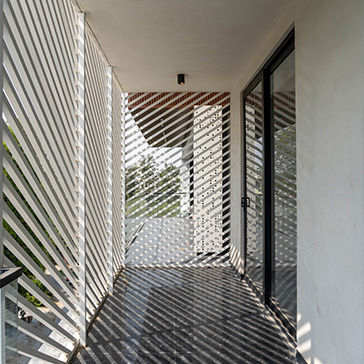
Why Architects Are Turning to Custom Metal Louvers in 2025
There’s something quietly brilliant happening in architecture right now. As buildings become more responsive and designers look for ways to merge aesthetics with performance, one feature is making a serious comeback, custom metal louvers.
03-06-25 | Architectural Insights
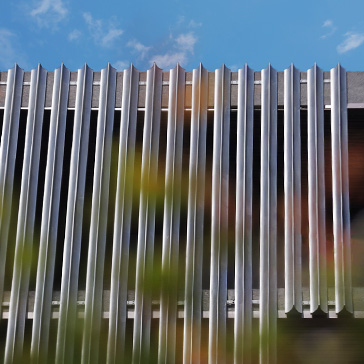
The Science of Shadows: How Facade Design Shapes Light and Mood
Architecture has always been about more than structure - it’s about rhythm, reflection, and the way light interacts with space.At Metaguise, we see every innovative facade as a living canvas, one that transforms not just how a building looks, but how it feels. Light becomes our material, and shadow becomes our tool.This is the art and the science behind MetaLouvers, MetaCassette, and the entire Metaguise facade family.
13-10-25 | Architectural Insights
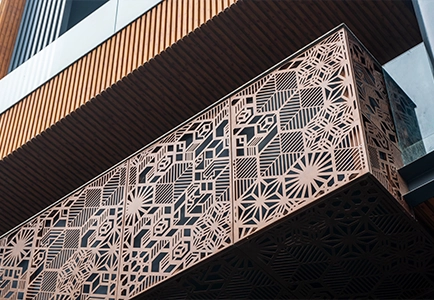
Custom Metal Facade Cladding in 2026: Design, Cost, Materials & Architect Guide
Explore how commercial spaces are using Metaguise facades to express identity and elevate perception.
24-11-25 | Architectural Insights
Social
Legal
Privacy Policy|Terms & Conditions