





MetaSequin Metal Panel: Complete Guide for Architects and Homeowners (2026)
19-05-26 | Material Spotlight
Key Takeaways
• MetaSequin is Metaguise's signature dynamic metal panel system — individually angled sequin-shaped modules that catch, reflect, and shift light as the viewer's position and the sun's angle change through the day. • The global dynamic facade market was valued at USD 5.8 billion in 2024 and is growing at a 9.6% CAGR toward USD 13.2 billion by 2033 — with light-responsive and kinetic metal systems at the forefront of this growth. • MetaSequin is fabricated in high-grade aluminium with PVDF or anodised MetaSurface finishes — available in gold, silver, bronze, champagne, gunmetal, and custom colour specifications. • Applications span luxury residential facades, commercial towers, retail flagships, hospitality properties, stadiums, and institutional buildings — any project where the brief demands a facade that cannot be static. • This guide covers how MetaSequin works, its technical specifications, best-fit applications, completed projects, and how to specify or order the system.
What Is the MetaSequin Metal Panel System?
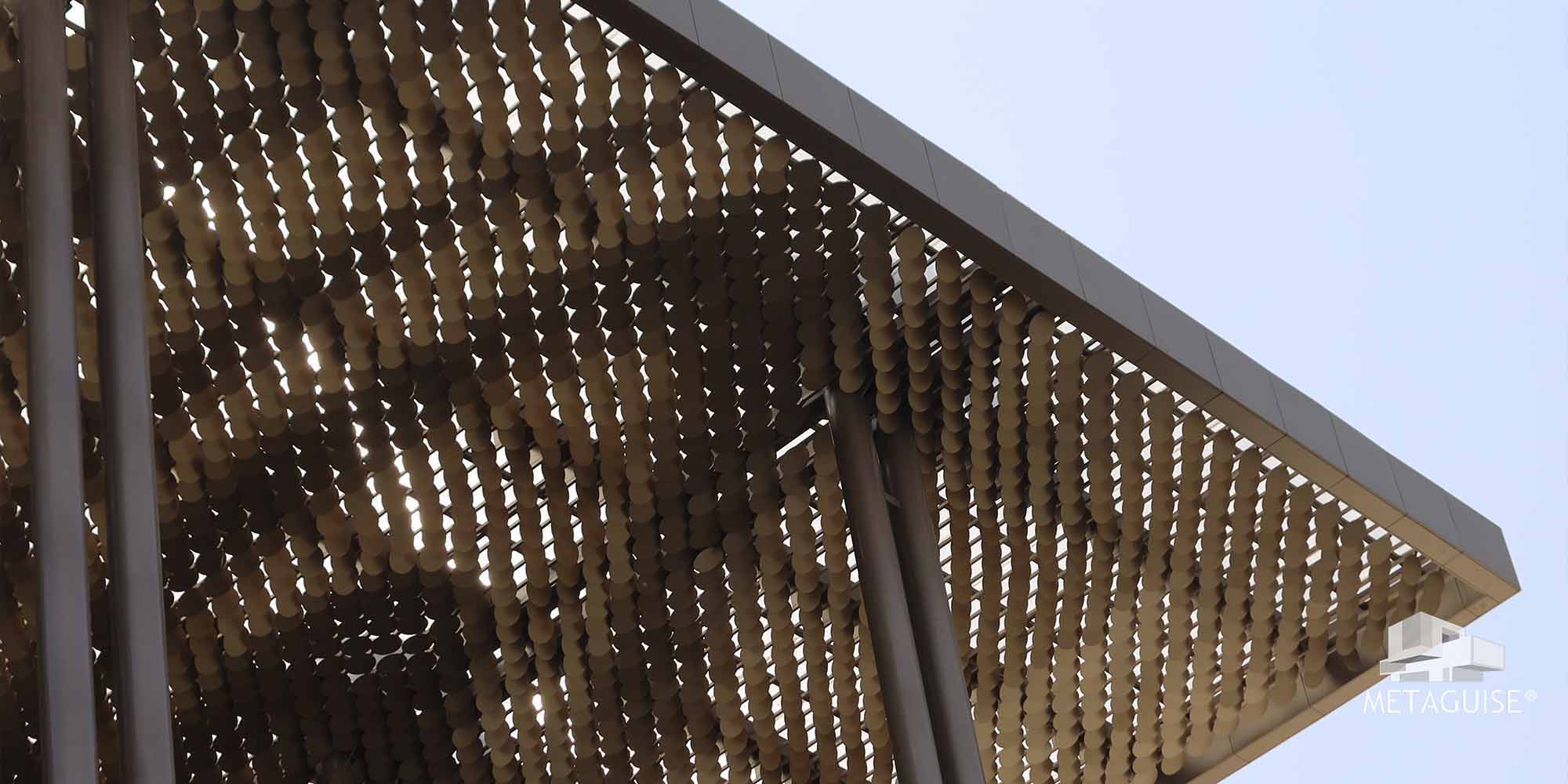
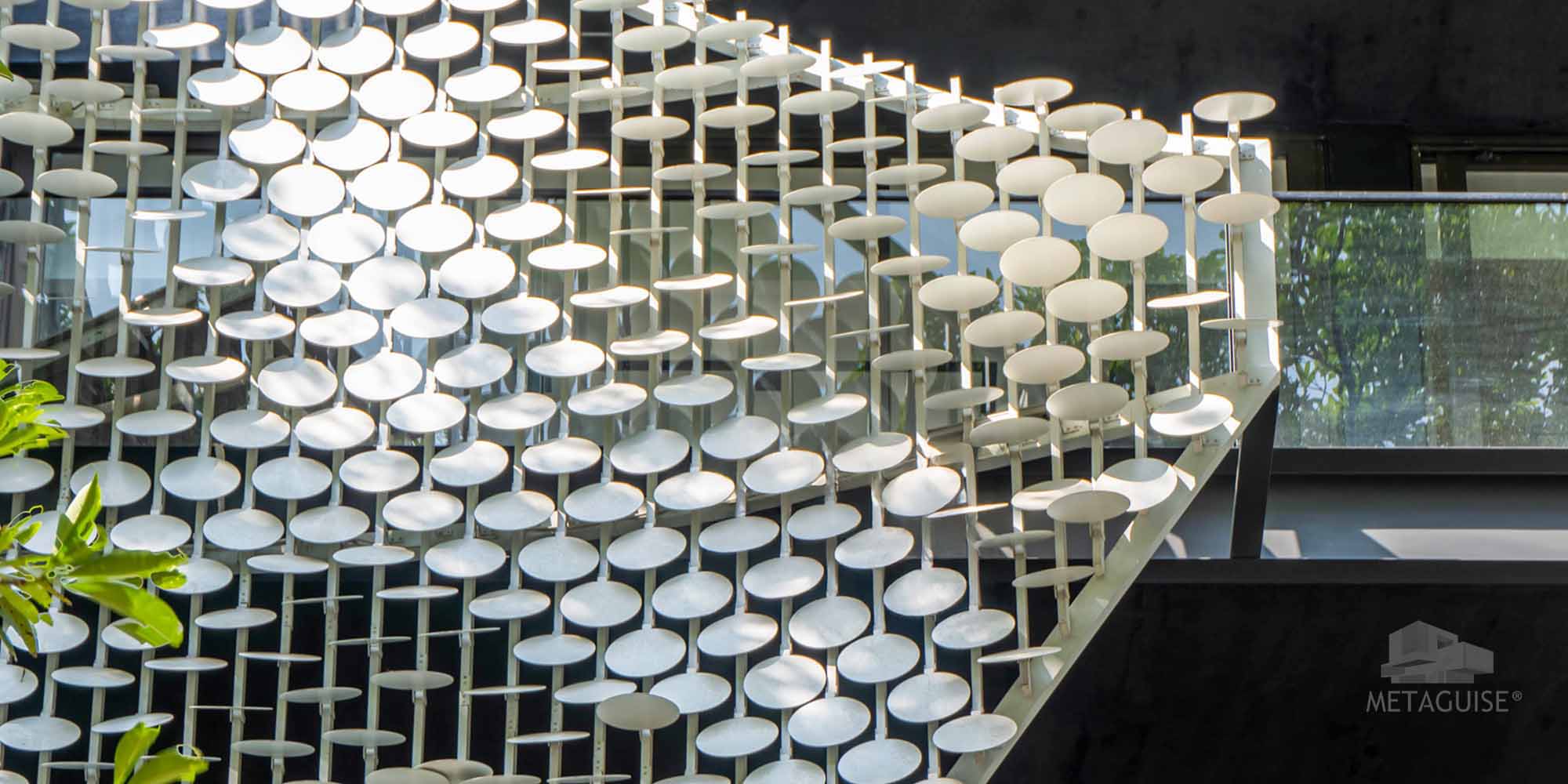
There is a category of building that refuses to be the same twice. A facade that reads as one thing in the morning light and entirely another at dusk. A surface that draws the eye from across the street — not because it is oversized or decorative, but because it is alive with movement even when nothing is moving. MetaSequin is Metaguise's answer to that architectural aspiration: a dynamic metal panel system in which individually angled, sequin-shaped metal modules are mounted to create a surface that shimmers, shifts, and changes expression with every degree of change in viewing angle and solar position. According to the Market Intel Dynamic Facade Market Report, the global dynamic facade market was valued at USD 5.8 billion in 2024 and is growing at a CAGR of 9.6% toward USD 13.2 billion by 2033, driven by architecture's accelerating demand for facades that perform beyond the merely static. MetaSequin is Metaguise's realisation of this demand — engineered, fabricated, and installed entirely in-house across more than 1,800 projects in India. The system takes its name from the sequin — the small, disc-shaped decorative element that has been used in textiles, jewellery, and costume design for centuries to create light-catching, shimmering surfaces. MetaSequin translates this principle into architectural scale: each module is a precisely engineered aluminium disc or faceted panel, individually angled to a specified orientation within the parametric design script that generates the overall composition. Viewed from a distance, the field of sequins reads as a continuous, shimmering surface — catching light from certain angles, going dark from others, creating a ripple of brightness that travels across the facade as the viewer moves. Viewed up close, the individual module logic becomes visible: each sequin positioned with the precision of a mathematical rule, every angle determined by the computational design that makes MetaSequin both beautiful and irreproducible. MetaSequin is a product of Metaguise's parametric design capability — developed in collaboration with the company's in-house Grasshopper and Rhino scripting team. The geometry of every MetaSequin installation is unique: the density, angle gradients, module size, and array pattern are generated specifically for each project's building geometry, orientation, and design intent. No two MetaSequin facades are identical. This is not a marketing claim — it is a mathematical inevitability of how the system is designed and specified.
How MetaSequin Creates Its Dynamic Light Effect: The Science Behind the Shimmer
Understanding how MetaSequin achieves its visual effect requires understanding two basic principles: specular reflection and the parallax effect. Together, these create the shimmer that defines MetaSequin's architectural character. Specular Reflection: Why Metal Catches Light Differently at Every Angle Specular reflection — the mirror-like reflection of light from a smooth surface — behaves very differently from diffuse reflection (the way a painted wall or stone surface scatters light in all directions). When a highly polished or lightly textured metal surface is tilted at a specific angle, it reflects light from a specific direction to a specific observer position. Change the observer position, and the reflective relationship changes: a module that was bright to you a moment ago is now dark, and a different cluster of modules behind it has lit up. This is the optical principle that makes MetaSequin dynamic without any moving parts — the surface is static, but the light relationship between surface, sun, and observer is continuously changing. The Parallax Effect: How Movement Creates Visual Motion Parallax is the apparent change in position of an object when viewed from different positions. In MetaSequin, as an observer walks past the facade, each module's angular relationship to the observer and the light source changes — creating what the eye interprets as movement across the surface. Individual modules appear to 'turn on' (become reflective to the observer) and 'turn off' (become non-reflective) as the observer moves, producing a ripple of brightness that travels across the facade. The density of this effect — how fast the ripple moves, how dramatic the contrast between lit and unlit modules — is controlled by the angle gradients programmed into the parametric script. A steep angle gradient produces high-contrast, rapid shimmer; a shallow gradient produces a slow, gentle wave of light. The Role of MetaSurface Finishes in Light Performance The finish applied to MetaSequin modules dramatically affects the character of the light response. Mirror-polished or anodised finishes create the highest specular reflectivity — a brilliant, sharp shimmer that reads at long distances. Gold PVDF and bronze anodised finishes create a warm shimmer that reads in the golden hour light of morning and evening as particularly luminous. Gunmetal and dark-toned finishes create a subtler, more mysterious effect — the shimmer visible only at certain angles and solar positions, making the facade appear almost matte from some directions and dramatically alive from others. MetaSequin's finish range allows every architect and homeowner to calibrate the visual intensity of the dynamic effect to suit the building's character.
Best Applications for MetaSequin: Where This System Does Its Most Powerful Work
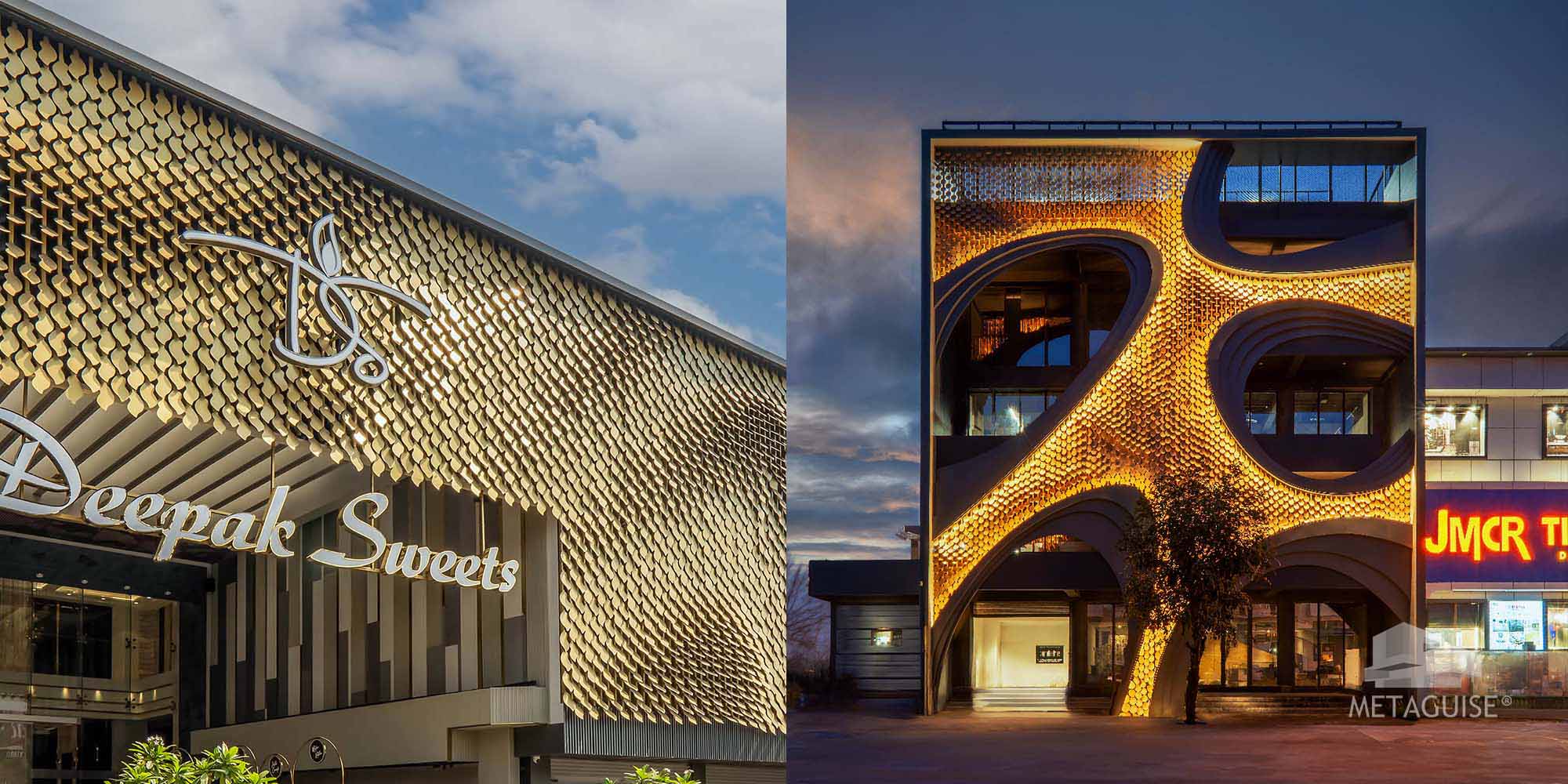
MetaSequin is a system of a specific character — dramatic, light-responsive, attention-commanding. It is not the right specification for every project. The following application categories represent the contexts where MetaSequin consistently delivers its most powerful architectural effect. Luxury Residential Facades: The Statement Entrance and Feature Elevation In luxury residential architecture — whether a South Delhi bungalow, a Golf Course Road villa, or a Bangalore hillside retreat — MetaSequin is most often specified on the primary street-facing elevation or entrance bay rather than the entire building envelope. A MetaSequin entry tower, canopy, or feature wall creates a focal point that immediately establishes the architectural ambition of the home. As the homeowner and their guests approach, the shimmer draws the eye before any detail of the building is legible — an architectural first impression that no other material system can replicate. Commercial Tower Podiums and Retail Flagships In commercial architecture, MetaSequin has proven its most enduring application value on podium levels and retail flagship elevations — where foot traffic passes at close range and the dynamic light effect is experienced not as distant shimmer but as immediate, immersive texture. For jewellery flagships (Tanishq, Malabar, Kalyan), luxury retail (fashion houses, watch boutiques, premium electronics), and automotive showrooms (BMW, Mercedes-Benz, Porsche) the MetaSequin surface mirrors the precious, polished quality of the merchandise inside. The facade becomes an extension of brand identity — a surface that communicates quality and precision before a customer enters. Metaguise has delivered MetaSequin facades for luxury retail and commercial clients across India's metropolitan markets, with each installation developed as a bespoke parametric composition for the specific building geometry and brand brief. Stadiums and Institutional Buildings: Identity at Urban Scale MetaSequin's most celebrated application in India is Miraj Cricket Stadium in Rajasthan, where thousands of gold-toned MetaSequin modules were choreographed by a parametric script to depict iconic moments from India's cricketing history. Viewed from the approach road, the facade reads as a shimmering, cinematic image at urban scale; viewed from close range, the individual module logic of the parametric composition becomes visible — a double reading that operates at both the city and the human scale simultaneously. For stadiums, university buildings, cultural institutions, and civic facilities where the brief is 'building as landmark,' MetaSequin delivers an architectural identity that no paint, stone, or conventional metal panel system can match. Hospitality Properties: The Arrival Experience as Architectural Event For luxury hotels, resorts, and boutique hospitality properties, the approach and arrival experience is an essential dimension of brand delivery. MetaSequin on a hotel porte-cochère, entrance tower, or lobby facade transforms the arrival moment into an architectural event — the building literally glows as guests approach, creating a memory before they have entered the lobby. For Five-Star and ultra-luxury properties across NCR, Mumbai, Goa, and Rajasthan, MetaSequin has become an increasingly specified system for entrance and feature elevation applications. Mixed-Use Developments: The Landmark Anchor In large mixed-use developments — retail podiums with residential or commercial towers above — MetaSequin is frequently specified on the podium feature elevation or the tower's crown element, creating a landmark that anchors the development's visual identity within the neighbourhood. The system's scalability — from a 200 sq ft entrance feature to a 10,000 sq ft tower elevation — makes it the versatile choice for developers seeking maximum visual impact at the most commercially important part of their development.
MetaSequin Technical Specifications and Finish Options
The following technical reference covers MetaSequin's key specifications, fabrication parameters, and available finish options — the information architects and specification writers need to include MetaSequin in project documentation. Substrate and Fabrication • Primary material: High-grade aluminium alloy (AA3003 / AA5052 grade, based on application) • Module form: Disc-shaped or faceted sequin geometry, individually angled on a precision-engineered sub-frame mounting system • Module sizes: 75mm / 100mm / 125mm / 150mm diameter (custom sizes available on request) • Array types: Regular grid, parametric gradient, staggered, radial — all generated by a Grasshopper script specific to each project • Sub-frame: Powder-coated or anodised aluminium support structure, engineered for wind load, thermal movement, and facade height • Weight: 4–8 kg/m² (varies by module density and size) — compatible with retrofit and new-build applications on standard structural walls • Panel thickness: 1.5mm / 2.0mm / 2.5mm aluminium sheet (based on module size and engineering requirement)
MetaSequin Projects Portfolio: Where Metaguise Has Deployed This System
MetaSequin has been deployed across Metaguise's most ambitious and celebrated project commissions — spanning residential, commercial, institutional, and hospitality typologies. Miraj Cricket Stadium, Rajasthan Metaguise's landmark MetaSequin installation — thousands of gold-toned coin-shaped modules parametrically choreographed to depict iconic cricketing moments across a 12,000+ sq ft facade elevation. The project set a new benchmark for narrative-driven parametric facade design in India and remains one of the most-shared architectural images in Indian design media. The system was designed in Grasshopper, fabricated in Metaguise's in-house facility, and installed by Metaguise's specialist team over a 10-week on-site programme. GLS University, Ahmedabad A landmark institutional facade commission — MetaSequin in silver-anodised finish across the university's primary academic building elevation. The system creates a facade that changes expression through the day, reflecting the movement of the Ahmedabad sky and creating a living architectural identity for the campus. Each coin-shaped panel is individually angled to capture and reflect light at precisely calculated orientations — making the building's surface dynamic from morning to evening. The project has been recognised as one of India's most distinctive examples of parametric institutional architecture. Luxury Jewellery Flagship, Mumbai A Gold-PVDF MetaSequin installation on the primary street-facing elevation of a luxury jewellery retail flagship — creating a facade of individually angled coin-shaped aluminium panels that mirrors the precious, light-catching quality of the jewellery within. The system was specified by the brand's principal architect as the primary brand-architecture element, replacing a previously conventional glazed shopfront that had failed to create the presence the brand required. Luxury Residential, South Delhi A bespoke MetaSequin installation on the entrance tower and primary facade bay of a luxury bungalow in South Delhi's Vasant Vihar — the first MetaSequin residential installation on the street, and subsequently the trigger for three adjacent homeowners to commission Metaguise for their own facade transformations. The system features precisely angled coin-shaped metal panels finished in champagne-PVDF that reads as understated from a distance and brilliantly alive as visitors approach the entrance.
How to Specify or Order MetaSequin for Your Project
MetaSequin is a bespoke, project-specific system — it is not available as a standard off-the-shelf product. Every MetaSequin installation is designed, engineered, and fabricated specifically for the project it serves. The following outlines the process from initial enquiry to completed installation. Step 1: Initial Enquiry and Design Brief Contact Metaguise with the project's basic parameters: building location and orientation, facade area and height, design intent (level of shimmer intensity, preferred finish tone, any pattern or gradient ambitions), programme (construction timeline and installation window), and budget framework. For architects, a concept sketch or reference image can be shared at this stage. For homeowners commissioning directly, Metaguise's design team will develop the design intent through the initial consultation. Step 2: Design Development and 3D Visualisation Metaguise's computational design team develops the MetaSequin composition for the project — scripting the module density, angle gradients, and array pattern in Grasshopper, and generating 3D visualisations that show the facade in morning, afternoon, and evening light conditions. Physical module samples in the proposed finish are couriered to the architect or client for tactile approval. At this stage, the design is reviewed and refined until the intent is fully captured. Step 3: Engineering Validation and Cost Proposal The approved design geometry is passed to Metaguise's engineering team for wind load calculation, fixing point specification, and thermal movement detailing. A fixed-price fabrication and installation proposal is prepared, with a project timeline covering fabrication (typically 6–10 weeks for MetaSequin) and installation. A physical mockup panel — typically 600mm × 600mm — is fabricated and delivered to the site for client and architect approval before full production begins. Step 4: Fabrication and Delivery Following mockup approval, full production begins in Metaguise's in-house CNC facility. Each module is cut, formed, and finished to the parametric specification. Panels are assembled onto sub-frame sections in the factory, labelled sequentially, and packaged for site delivery. For large MetaSequin projects, fabrication is phased to align with the installation sequence — allowing early-phase panels to be installed while later-phase panels are still in production. Step 5: On-Site Installation and Handover Metaguise's specialist installation team executes the facade installation working from parametric installation drawings — every module's position, angle, and fixing detail is pre-specified. For MetaSequin, installation precision is critical: a module misaligned by more than 1–2 degrees can disrupt the flow of the shimmer effect. Metaguise's installation team uses laser positioning and alignment jigs to maintain the submillimetre accuracy the system demands. Post-installation, a full clean and inspection is completed before handover.
Frequently Asked Questions
1.Is MetaSequin suitable for a residential home, or is it mainly for commercial buildings?
MetaSequin is well-suited to luxury residential applications — particularly on entrance bays, feature elevations, canopy structures, and primary street-facing facades where the system's dynamic light effect creates maximum impact. Metaguise has delivered MetaSequin residential installations across South Delhi, Gurgaon, Ahmedabad, and Bangalore — in plot sizes ranging from 250 sq yards upward and facade areas from 400 sq ft to 3,000 sq ft. For smaller residential plots, Metaguise often recommends specifying MetaSequin on a single feature element — the entrance tower, canopy, or first-floor facade bay — rather than the entire elevation, delivering the full visual impact of the system at a cost aligned with residential budgets.2.How does MetaSequin perform in India's monsoon and heat?
MetaSequin is fabricated in high-grade aluminium — a material that does not rust, does not absorb moisture, and is dimensionally stable across India's full thermal range. PVDF-coated modules maintain their finish in India's UV-intense climate for 25+ years without colour shift. Anodised modules are suitable for coastal applications where salt air makes PVDF coating edge-sealing more critical. The sub-frame fixing system accommodates thermal expansion and contraction without stress to the modules. MetaSequin has been installed and performing across India's diverse climate zones — from coastal Mumbai to arid Rajasthan — without documented finish or structural failures in any completed installation.3.Can MetaSequin be combined with other Metaguise systems on the same facade?
Yes — and combination installations are among Metaguise's most successful residential and commercial facade compositions. Common combinations include MetaSequin on the entrance bay or feature elevation combined with MetaFlute or MetaCassette on the flanking walls; MetaSequin as a first-floor screen element combined with SolidPanel at ground level; or MetaSequin on the primary elevation combined with MetaCorten boundary walls and MetaWood-finish soffit elements. Metaguise's design team develops combination specifications as part of the standard design process, ensuring finish and tonal coherence across all system elements.4.What is the lead time for a MetaSequin project from enquiry to installation?
The total timeline for a MetaSequin project — from initial enquiry through design development, engineering validation, mockup approval, fabrication, and installation — is typically 16–22 weeks for residential and mid-scale commercial projects. For large institutional or stadium-scale MetaSequin commissions, the timeline extends to 24–36 weeks, including expanded design development, multiple mockup iterations, and phased fabrication. Metaguise provides a detailed project programme at the outset of every MetaSequin engagement, with milestones for design approval, fabrication start, site delivery, and installation completion.MetaSequin Metal Panel: Complete Guide for Architects and Homeowners (2026)
19-05-26 | Material Spotlight
Key Takeaways
• MetaSequin is Metaguise's signature dynamic metal panel system — individually angled sequin-shaped modules that catch, reflect, and shift light as the viewer's position and the sun's angle change through the day. • The global dynamic facade market was valued at USD 5.8 billion in 2024 and is growing at a 9.6% CAGR toward USD 13.2 billion by 2033 — with light-responsive and kinetic metal systems at the forefront of this growth. • MetaSequin is fabricated in high-grade aluminium with PVDF or anodised MetaSurface finishes — available in gold, silver, bronze, champagne, gunmetal, and custom colour specifications. • Applications span luxury residential facades, commercial towers, retail flagships, hospitality properties, stadiums, and institutional buildings — any project where the brief demands a facade that cannot be static. • This guide covers how MetaSequin works, its technical specifications, best-fit applications, completed projects, and how to specify or order the system.
What Is the MetaSequin Metal Panel System?
There is a category of building that refuses to be the same twice. A facade that reads as one thing in the morning light and entirely another at dusk. A surface that draws the eye from across the street — not because it is oversized or decorative, but because it is alive with movement even when nothing is moving. MetaSequin is Metaguise's answer to that architectural aspiration: a dynamic metal panel system in which individually angled, sequin-shaped metal modules are mounted to create a surface that shimmers, shifts, and changes expression with every degree of change in viewing angle and solar position. According to the Market Intel Dynamic Facade Market Report, the global dynamic facade market was valued at USD 5.8 billion in 2024 and is growing at a CAGR of 9.6% toward USD 13.2 billion by 2033, driven by architecture's accelerating demand for facades that perform beyond the merely static. MetaSequin is Metaguise's realisation of this demand — engineered, fabricated, and installed entirely in-house across more than 1,800 projects in India. The system takes its name from the sequin — the small, disc-shaped decorative element that has been used in textiles, jewellery, and costume design for centuries to create light-catching, shimmering surfaces. MetaSequin translates this principle into architectural scale: each module is a precisely engineered aluminium disc or faceted panel, individually angled to a specified orientation within the parametric design script that generates the overall composition. Viewed from a distance, the field of sequins reads as a continuous, shimmering surface — catching light from certain angles, going dark from others, creating a ripple of brightness that travels across the facade as the viewer moves. Viewed up close, the individual module logic becomes visible: each sequin positioned with the precision of a mathematical rule, every angle determined by the computational design that makes MetaSequin both beautiful and irreproducible. MetaSequin is a product of Metaguise's parametric design capability — developed in collaboration with the company's in-house Grasshopper and Rhino scripting team. The geometry of every MetaSequin installation is unique: the density, angle gradients, module size, and array pattern are generated specifically for each project's building geometry, orientation, and design intent. No two MetaSequin facades are identical. This is not a marketing claim — it is a mathematical inevitability of how the system is designed and specified.
How MetaSequin Creates Its Dynamic Light Effect: The Science Behind the Shimmer
Understanding how MetaSequin achieves its visual effect requires understanding two basic principles: specular reflection and the parallax effect. Together, these create the shimmer that defines MetaSequin's architectural character. Specular Reflection: Why Metal Catches Light Differently at Every Angle Specular reflection — the mirror-like reflection of light from a smooth surface — behaves very differently from diffuse reflection (the way a painted wall or stone surface scatters light in all directions). When a highly polished or lightly textured metal surface is tilted at a specific angle, it reflects light from a specific direction to a specific observer position. Change the observer position, and the reflective relationship changes: a module that was bright to you a moment ago is now dark, and a different cluster of modules behind it has lit up. This is the optical principle that makes MetaSequin dynamic without any moving parts — the surface is static, but the light relationship between surface, sun, and observer is continuously changing. The Parallax Effect: How Movement Creates Visual Motion Parallax is the apparent change in position of an object when viewed from different positions. In MetaSequin, as an observer walks past the facade, each module's angular relationship to the observer and the light source changes — creating what the eye interprets as movement across the surface. Individual modules appear to 'turn on' (become reflective to the observer) and 'turn off' (become non-reflective) as the observer moves, producing a ripple of brightness that travels across the facade. The density of this effect — how fast the ripple moves, how dramatic the contrast between lit and unlit modules — is controlled by the angle gradients programmed into the parametric script. A steep angle gradient produces high-contrast, rapid shimmer; a shallow gradient produces a slow, gentle wave of light. The Role of MetaSurface Finishes in Light Performance The finish applied to MetaSequin modules dramatically affects the character of the light response. Mirror-polished or anodised finishes create the highest specular reflectivity — a brilliant, sharp shimmer that reads at long distances. Gold PVDF and bronze anodised finishes create a warm shimmer that reads in the golden hour light of morning and evening as particularly luminous. Gunmetal and dark-toned finishes create a subtler, more mysterious effect — the shimmer visible only at certain angles and solar positions, making the facade appear almost matte from some directions and dramatically alive from others. MetaSequin's finish range allows every architect and homeowner to calibrate the visual intensity of the dynamic effect to suit the building's character.
Best Applications for MetaSequin: Where This System Does Its Most Powerful Work
MetaSequin is a system of a specific character — dramatic, light-responsive, attention-commanding. It is not the right specification for every project. The following application categories represent the contexts where MetaSequin consistently delivers its most powerful architectural effect. Luxury Residential Facades: The Statement Entrance and Feature Elevation In luxury residential architecture — whether a South Delhi bungalow, a Golf Course Road villa, or a Bangalore hillside retreat — MetaSequin is most often specified on the primary street-facing elevation or entrance bay rather than the entire building envelope. A MetaSequin entry tower, canopy, or feature wall creates a focal point that immediately establishes the architectural ambition of the home. As the homeowner and their guests approach, the shimmer draws the eye before any detail of the building is legible — an architectural first impression that no other material system can replicate. Commercial Tower Podiums and Retail Flagships In commercial architecture, MetaSequin has proven its most enduring application value on podium levels and retail flagship elevations — where foot traffic passes at close range and the dynamic light effect is experienced not as distant shimmer but as immediate, immersive texture. For jewellery flagships (Tanishq, Malabar, Kalyan), luxury retail (fashion houses, watch boutiques, premium electronics), and automotive showrooms (BMW, Mercedes-Benz, Porsche) the MetaSequin surface mirrors the precious, polished quality of the merchandise inside. The facade becomes an extension of brand identity — a surface that communicates quality and precision before a customer enters. Metaguise has delivered MetaSequin facades for luxury retail and commercial clients across India's metropolitan markets, with each installation developed as a bespoke parametric composition for the specific building geometry and brand brief. Stadiums and Institutional Buildings: Identity at Urban Scale MetaSequin's most celebrated application in India is Miraj Cricket Stadium in Rajasthan, where thousands of gold-toned MetaSequin modules were choreographed by a parametric script to depict iconic moments from India's cricketing history. Viewed from the approach road, the facade reads as a shimmering, cinematic image at urban scale; viewed from close range, the individual module logic of the parametric composition becomes visible — a double reading that operates at both the city and the human scale simultaneously. For stadiums, university buildings, cultural institutions, and civic facilities where the brief is 'building as landmark,' MetaSequin delivers an architectural identity that no paint, stone, or conventional metal panel system can match. Hospitality Properties: The Arrival Experience as Architectural Event For luxury hotels, resorts, and boutique hospitality properties, the approach and arrival experience is an essential dimension of brand delivery. MetaSequin on a hotel porte-cochère, entrance tower, or lobby facade transforms the arrival moment into an architectural event — the building literally glows as guests approach, creating a memory before they have entered the lobby. For Five-Star and ultra-luxury properties across NCR, Mumbai, Goa, and Rajasthan, MetaSequin has become an increasingly specified system for entrance and feature elevation applications. Mixed-Use Developments: The Landmark Anchor In large mixed-use developments — retail podiums with residential or commercial towers above — MetaSequin is frequently specified on the podium feature elevation or the tower's crown element, creating a landmark that anchors the development's visual identity within the neighbourhood. The system's scalability — from a 200 sq ft entrance feature to a 10,000 sq ft tower elevation — makes it the versatile choice for developers seeking maximum visual impact at the most commercially important part of their development.
MetaSequin Technical Specifications and Finish Options
The following technical reference covers MetaSequin's key specifications, fabrication parameters, and available finish options — the information architects and specification writers need to include MetaSequin in project documentation. Substrate and Fabrication • Primary material: High-grade aluminium alloy (AA3003 / AA5052 grade, based on application) • Module form: Disc-shaped or faceted sequin geometry, individually angled on a precision-engineered sub-frame mounting system • Module sizes: 75mm / 100mm / 125mm / 150mm diameter (custom sizes available on request) • Array types: Regular grid, parametric gradient, staggered, radial — all generated by a Grasshopper script specific to each project • Sub-frame: Powder-coated or anodised aluminium support structure, engineered for wind load, thermal movement, and facade height • Weight: 4–8 kg/m² (varies by module density and size) — compatible with retrofit and new-build applications on standard structural walls • Panel thickness: 1.5mm / 2.0mm / 2.5mm aluminium sheet (based on module size and engineering requirement)
MetaSequin Projects Portfolio: Where Metaguise Has Deployed This System
MetaSequin has been deployed across Metaguise's most ambitious and celebrated project commissions — spanning residential, commercial, institutional, and hospitality typologies. Miraj Cricket Stadium, Rajasthan Metaguise's landmark MetaSequin installation — thousands of gold-toned coin-shaped modules parametrically choreographed to depict iconic cricketing moments across a 12,000+ sq ft facade elevation. The project set a new benchmark for narrative-driven parametric facade design in India and remains one of the most-shared architectural images in Indian design media. The system was designed in Grasshopper, fabricated in Metaguise's in-house facility, and installed by Metaguise's specialist team over a 10-week on-site programme. GLS University, Ahmedabad A landmark institutional facade commission — MetaSequin in silver-anodised finish across the university's primary academic building elevation. The system creates a facade that changes expression through the day, reflecting the movement of the Ahmedabad sky and creating a living architectural identity for the campus. Each coin-shaped panel is individually angled to capture and reflect light at precisely calculated orientations — making the building's surface dynamic from morning to evening. The project has been recognised as one of India's most distinctive examples of parametric institutional architecture. Luxury Jewellery Flagship, Mumbai A Gold-PVDF MetaSequin installation on the primary street-facing elevation of a luxury jewellery retail flagship — creating a facade of individually angled coin-shaped aluminium panels that mirrors the precious, light-catching quality of the jewellery within. The system was specified by the brand's principal architect as the primary brand-architecture element, replacing a previously conventional glazed shopfront that had failed to create the presence the brand required. Luxury Residential, South Delhi A bespoke MetaSequin installation on the entrance tower and primary facade bay of a luxury bungalow in South Delhi's Vasant Vihar — the first MetaSequin residential installation on the street, and subsequently the trigger for three adjacent homeowners to commission Metaguise for their own facade transformations. The system features precisely angled coin-shaped metal panels finished in champagne-PVDF that reads as understated from a distance and brilliantly alive as visitors approach the entrance.
How to Specify or Order MetaSequin for Your Project
MetaSequin is a bespoke, project-specific system — it is not available as a standard off-the-shelf product. Every MetaSequin installation is designed, engineered, and fabricated specifically for the project it serves. The following outlines the process from initial enquiry to completed installation. Step 1: Initial Enquiry and Design Brief Contact Metaguise with the project's basic parameters: building location and orientation, facade area and height, design intent (level of shimmer intensity, preferred finish tone, any pattern or gradient ambitions), programme (construction timeline and installation window), and budget framework. For architects, a concept sketch or reference image can be shared at this stage. For homeowners commissioning directly, Metaguise's design team will develop the design intent through the initial consultation. Step 2: Design Development and 3D Visualisation Metaguise's computational design team develops the MetaSequin composition for the project — scripting the module density, angle gradients, and array pattern in Grasshopper, and generating 3D visualisations that show the facade in morning, afternoon, and evening light conditions. Physical module samples in the proposed finish are couriered to the architect or client for tactile approval. At this stage, the design is reviewed and refined until the intent is fully captured. Step 3: Engineering Validation and Cost Proposal The approved design geometry is passed to Metaguise's engineering team for wind load calculation, fixing point specification, and thermal movement detailing. A fixed-price fabrication and installation proposal is prepared, with a project timeline covering fabrication (typically 6–10 weeks for MetaSequin) and installation. A physical mockup panel — typically 600mm × 600mm — is fabricated and delivered to the site for client and architect approval before full production begins. Step 4: Fabrication and Delivery Following mockup approval, full production begins in Metaguise's in-house CNC facility. Each module is cut, formed, and finished to the parametric specification. Panels are assembled onto sub-frame sections in the factory, labelled sequentially, and packaged for site delivery. For large MetaSequin projects, fabrication is phased to align with the installation sequence — allowing early-phase panels to be installed while later-phase panels are still in production. Step 5: On-Site Installation and Handover Metaguise's specialist installation team executes the facade installation working from parametric installation drawings — every module's position, angle, and fixing detail is pre-specified. For MetaSequin, installation precision is critical: a module misaligned by more than 1–2 degrees can disrupt the flow of the shimmer effect. Metaguise's installation team uses laser positioning and alignment jigs to maintain the submillimetre accuracy the system demands. Post-installation, a full clean and inspection is completed before handover.
Frequently Asked Questions
1.Is MetaSequin suitable for a residential home, or is it mainly for commercial buildings?
MetaSequin is well-suited to luxury residential applications — particularly on entrance bays, feature elevations, canopy structures, and primary street-facing facades where the system's dynamic light effect creates maximum impact. Metaguise has delivered MetaSequin residential installations across South Delhi, Gurgaon, Ahmedabad, and Bangalore — in plot sizes ranging from 250 sq yards upward and facade areas from 400 sq ft to 3,000 sq ft. For smaller residential plots, Metaguise often recommends specifying MetaSequin on a single feature element — the entrance tower, canopy, or first-floor facade bay — rather than the entire elevation, delivering the full visual impact of the system at a cost aligned with residential budgets.2.How does MetaSequin perform in India's monsoon and heat?
MetaSequin is fabricated in high-grade aluminium — a material that does not rust, does not absorb moisture, and is dimensionally stable across India's full thermal range. PVDF-coated modules maintain their finish in India's UV-intense climate for 25+ years without colour shift. Anodised modules are suitable for coastal applications where salt air makes PVDF coating edge-sealing more critical. The sub-frame fixing system accommodates thermal expansion and contraction without stress to the modules. MetaSequin has been installed and performing across India's diverse climate zones — from coastal Mumbai to arid Rajasthan — without documented finish or structural failures in any completed installation.3.Can MetaSequin be combined with other Metaguise systems on the same facade?
Yes — and combination installations are among Metaguise's most successful residential and commercial facade compositions. Common combinations include MetaSequin on the entrance bay or feature elevation combined with MetaFlute or MetaCassette on the flanking walls; MetaSequin as a first-floor screen element combined with SolidPanel at ground level; or MetaSequin on the primary elevation combined with MetaCorten boundary walls and MetaWood-finish soffit elements. Metaguise's design team develops combination specifications as part of the standard design process, ensuring finish and tonal coherence across all system elements.4.What is the lead time for a MetaSequin project from enquiry to installation?
The total timeline for a MetaSequin project — from initial enquiry through design development, engineering validation, mockup approval, fabrication, and installation — is typically 16–22 weeks for residential and mid-scale commercial projects. For large institutional or stadium-scale MetaSequin commissions, the timeline extends to 24–36 weeks, including expanded design development, multiple mockup iterations, and phased fabrication. Metaguise provides a detailed project programme at the outset of every MetaSequin engagement, with milestones for design approval, fabrication start, site delivery, and installation completion.Related Articles
Related Articles
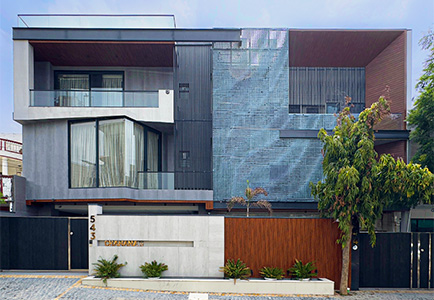
Living, Breathing Facades: The Science and Soul of MetaPatina
There’s something poetic about materials that age with grace. That shift color with time, deepen with exposure, and reveal new layers of beauty as they weather. MetaPatina, our living metal facade surface, is a tribute to that very idea - a facade that doesn’t just protect a building, but brings it to life...
06-04-25 | Material Spotlight
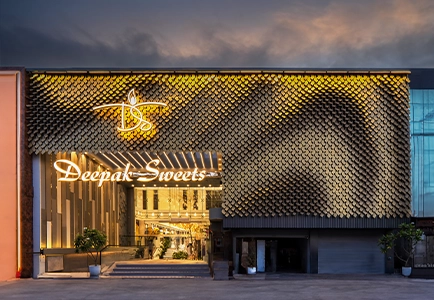
5 Reasons to Choose MetaSequin for Your Facade
At Metaguise, we believe the facade of a building isn’t just its outer layer - it’s its identity. And in today’s design landscape
10-11-25 | Material Spotlight
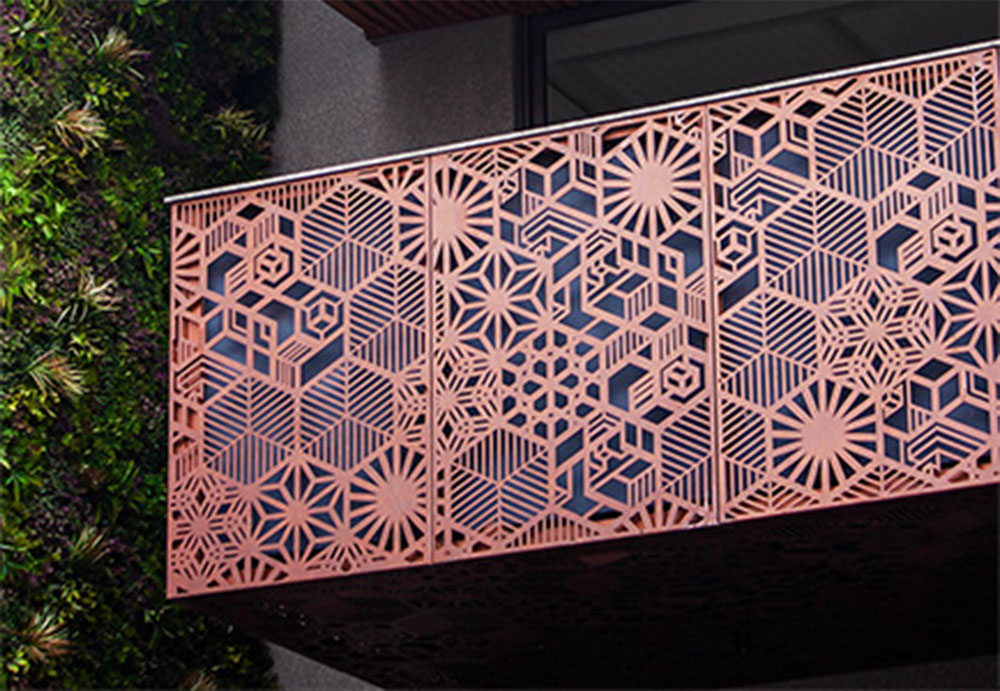
The Power of Perforation: Breathing Life, Light & Luxury into Metal Facades
At Metaguise, we believe the facade of a building isn’t just its outer layer - it’s its identity. And in today’s design landscape
17-11-25 | Material Spotlight
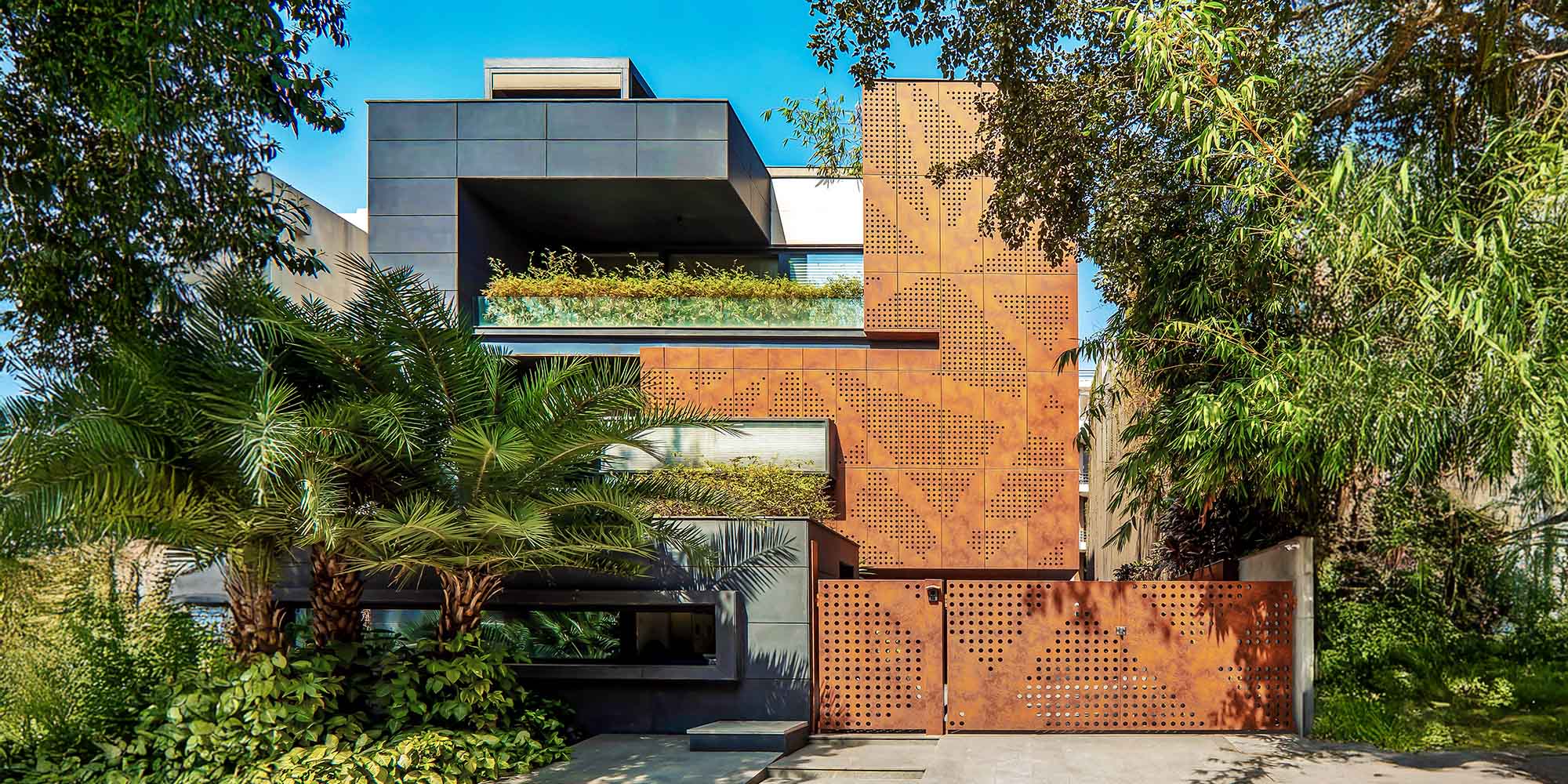
Perforated Metal Facade panels in 2026: Benefits, Design uses & Architectural Guide
Perforated metal facade panels are architectural cladding systems made from aluminium or steel sheets with precision-cut patterns.
09-12-25 | Material Spotlight
Social
Legal
Privacy Policy|Terms & Conditions