






Metal Facade Systems For Coastal Homes in India: What Actually Survives Salt, Monsoon, and UV
15-04-26 | Sustainability
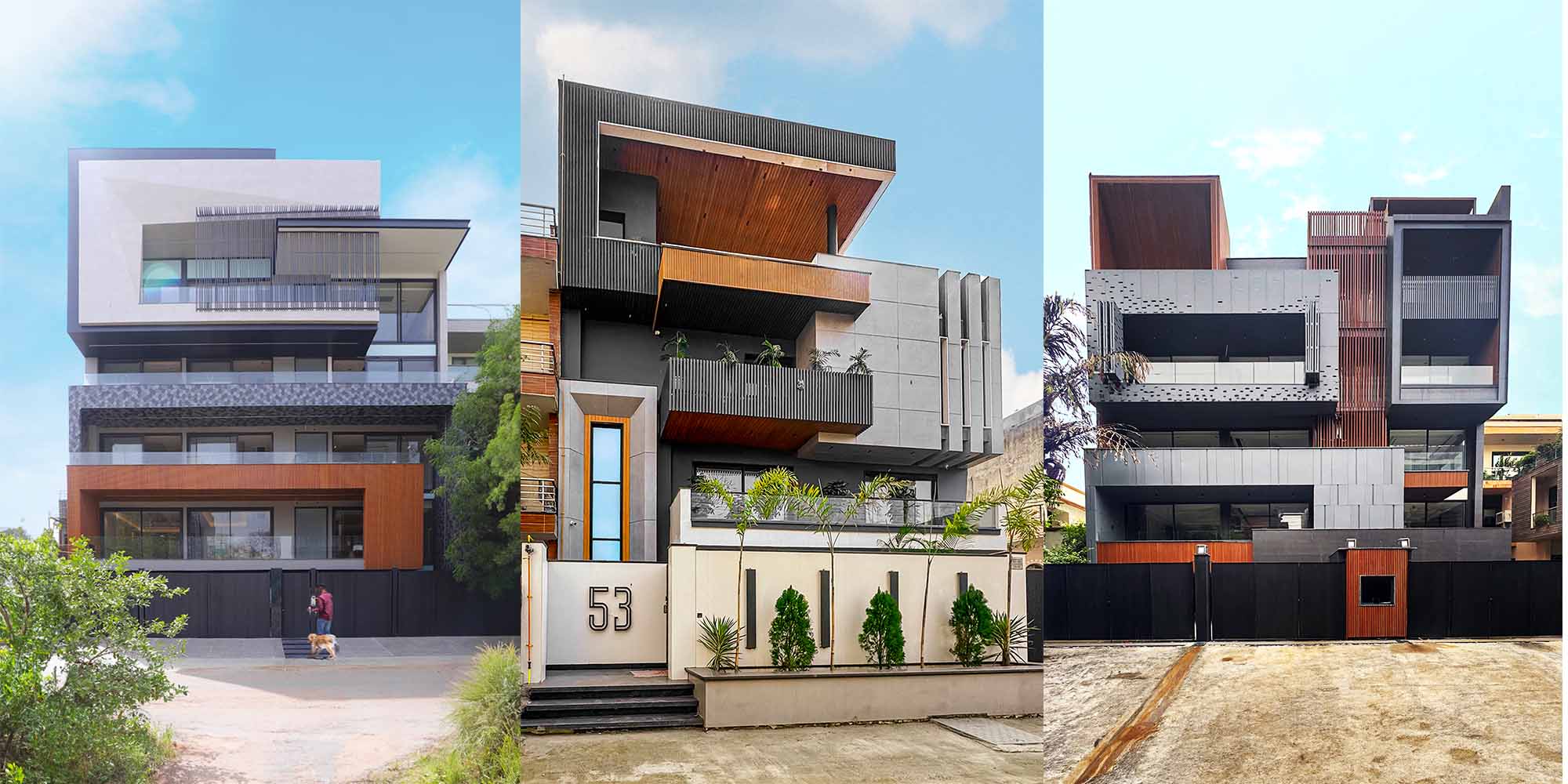
Coastal architecture demands more than aesthetic ambition-it requires materials that can withstand the relentless choreography of salt spray, monsoon humidity, and UV bombardment while maintaining the visual authority that luxury waterfront residences command. For discerning homeowners commissioning bungalows along Mumbai's Marine Drive, Goa's cliff edges, or Chennai's shoreline, the facade is not merely cladding but a statement of permanence against nature's most corrosive forces. Metaguise has engineered India's first parametric metal facade systems specifically calibrated for coastal environments, where traditional materials surrender to oxidation within seasons. Our systems combine marine-grade metallurgy with computational design intelligence, delivering facades that age with grace rather than deterioration-surfaces that capture the kinetic play of sunlight on water while resisting the very elements that inspire their poetry.
Why Standard Facade Materials Fail Within 5 Years on Indian’s Coastline
Standard architectural cladding fails catastrophically in coastal zones. Salt-laden air accelerates galvanic corrosion, moisture infiltration compromises structural integrity, and thermal cycling from sea breezes creates expansion stresses that conventional fastening systems cannot accommodate. The result is a skyline of premature aging-facades that rust, panels that delaminate, and finishes that fade into municipal anonymity within a decade. Metaguise addresses this through three-dimensional engineering: premium aluminum and stainless steel alloys with enhanced corrosion resistance, proprietary MetaSurface finishing that bonds at molecular level, and parametric geometries that channel moisture away from vulnerable joints. Every panel is designed as part of a ventilated rainscreen assembly, allowing the building envelope to breathe while maintaining waterproof integrity-a critical distinction in high-humidity coastal microclimates.
Metaguise Coastal Facade Systems: Engineered for Indian’s Marine Environment
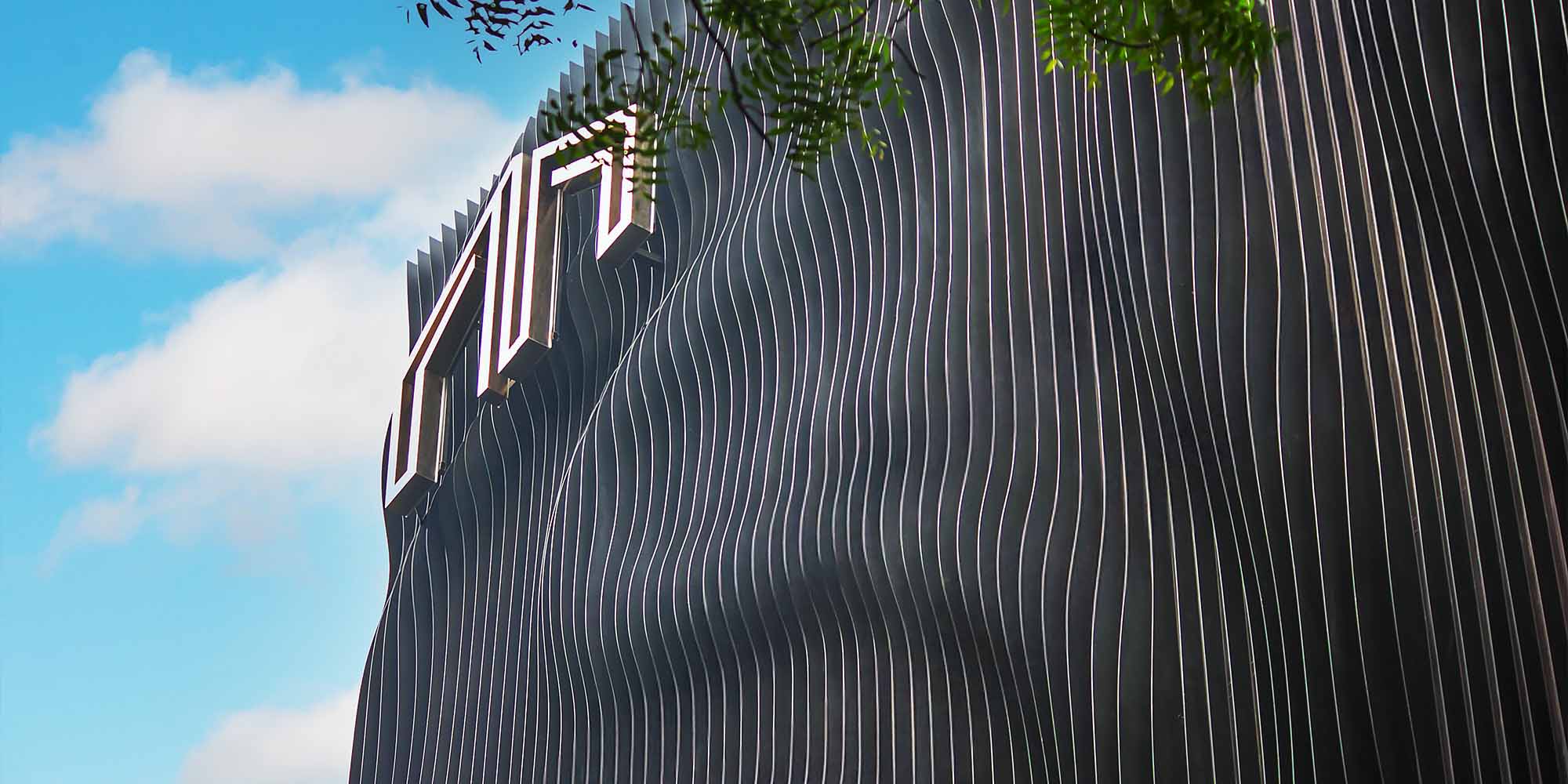
The MetaSequin system has become the signature choice for luxury coastal villas where movement and shimmer are architectural imperatives. Thousands of individual scale-like elements-each computationally oriented to catch light at specific angles-create a facade that appears to ripple like water itself. At a ₹15-crore beachfront residence in Alibaug, MetaSequin panels in brushed champagne gold shift expression throughout the day, reading as warm amber at dawn and cool platinum under moonlight, while their overlapping geometry sheds rain with the efficiency of fish scales. For modernist beach houses demanding cleaner geometries, MetaFin delivers vertical blade systems that double as passive solar control. Parametrically-spaced fins create graduated shading patterns across glazing while maintaining ocean views-crucial for homes where the landscape is the luxury. A recent installation in Kovalam demonstrates how fin depth and spacing can be algorithmically varied to respond to solar azimuth, reducing interior heat gain by 40% without sacrificing the transparency that coastal living celebrates.
MetaCoin, MetaCassette & MetaFold: 3D Depth for Coastal Architecture
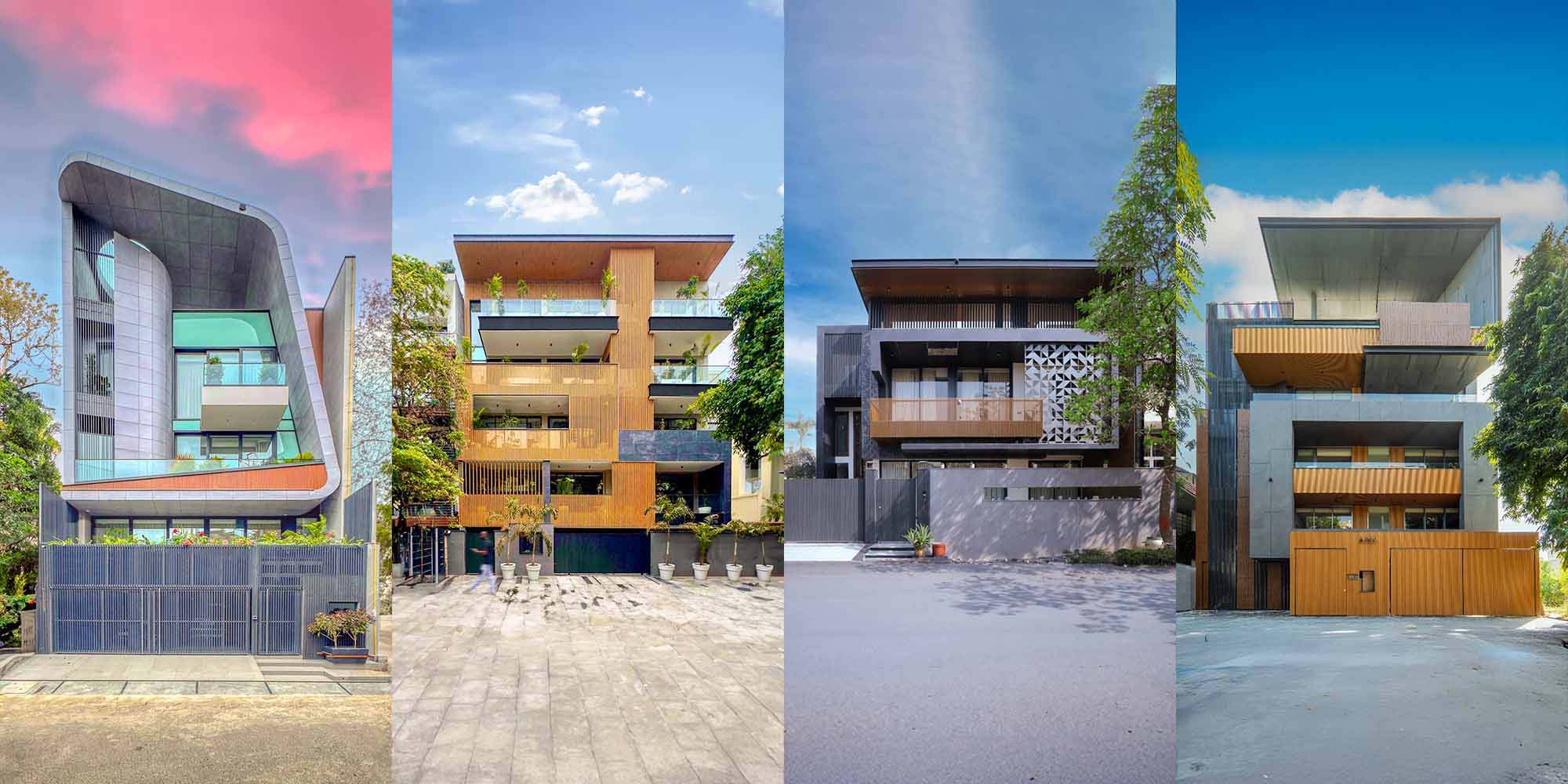
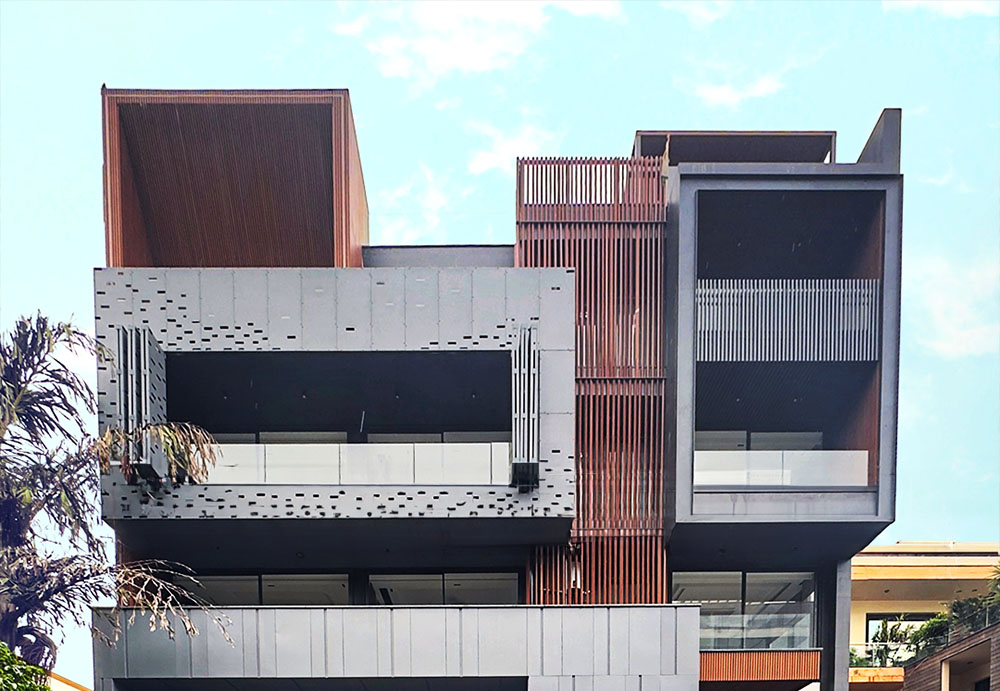
The MetaCoin system introduces three-dimensional relief that transforms facades into low-relief sculpture. Circular panels project at computationally-determined depths, creating shadow play that evolves with sun angles-particularly dramatic during the lateral light of coastal sunrises and sunsets. Unlike flat cladding that reads as applied graphic, MetaCoin generates architectural depth that rewards slow observation, revealing new patterns as visitors approach from different angles along seaside driveways. For clients requiring absolute customization, MetaCassette and MetaFold systems offer the design freedom to encode personal narratives into the building skin. MetaCassette panels can be perforated with bespoke patterns-wave forms, marine motifs, or abstract geometries derived from family histories-while maintaining structural performance. MetaFold introduces origami-inspired volumetric panels that create deep coffers and dramatic cantilevers, ideal for cantilevered balconies and shaded verandas where coastal architecture traditionally meets the elements.
The Metaguise Coastal Advantage: 20-Year Performance Engineering
Our coastal metal systems are backed by accelerated weathering protocols that simulate twenty years of salt fog exposure-testing regimens typically reserved for marine industrial applications, now applied to residential luxury. MetaSurface finishing includes additional protective layers: anodization depths 50% greater than standard, PVDF topcoats with enhanced UV stabilizers, and optional nano-ceramic treatments that repel salt crystallization at microscopic scale. Equally critical is installation methodology. Metaguise's in-house execution teams understand coastal construction realities-the narrow weather windows between monsoon systems, the logistical challenges of beach-adjacent sites, and the precision required when every fastener must be stainless steel and every joint must be sealed against driven rain. We've installed parametric facades on stilted homes above tidal zones, on cliff faces accessible only by scaffold, and on island properties where every panel arrived by boat.
From Design to Installation: Coastal-Specific Execution
Architects commissioning coastal bungalows for clients who measure investment in decades, not depreciation cycles, choose Metaguise because our systems don't merely resist the environment-they engage it. A properly designed parametric metal facade becomes the mediating layer between interior sanctuary and exterior dynamism, filtering light, framing views, and creating microclimates on terraces and verandas. From early design consultation through parametric modeling, fabrication in our climate-controlled facility, and installation by teams trained in coastal-specific techniques, Metaguise delivers facades that are engineered heirlooms-surfaces that will patina with dignity rather than decay, that will remain as visually arresting at handover to the next generation as they were at ribbon-cutting. For waterfront residences where the architecture must be as enduring as the tides, Metaguise offers India's only parametric metal systems purpose-built for the coast-where corrosion resistance and computational design converge into facades worthy of the views they frame.
Frequently Asked Questions
1.Which metal facade materials are best for coastal homes in India that face salt air and monsoon conditions?
In coastal environments where salt air and high humidity are constant, you need metals that naturally resist corrosion. Aluminum and weathering steels are the most reliable choices because they don't rot or warp like timber or stone. For the best results, we use MetaSurface finishes like MetaPatina or MetaCopper. These aren't just for looks; they provide a protective layer that handles the aggressive coastal air. This allows a home in Goa or Kerala to have a high-end, organic aesthetic without the maintenance nightmare that usually comes with natural materials in those zones.
2.How do parametric metal facades perform differently from conventional cladding on coastal bungalows?
Conventional cladding is usually just a flat skin, like an ACP sheet, which can trap moisture and heat against the building's walls. In a monsoon-heavy area, this often leads to dampness and mold inside the house. Parametric facades are designed as "intelligent" 3D systems. We often use a rear-ventilated approach, which creates a cavity that allows the building to breathe. This naturally whisks away moisture and reduces heat gain, keeping the structure dry and the interiors cooler. It is the difference between a house wearing a plastic sheet and a high-performance jacket that breathes with the weather.
3. What is the expected lifespan of a metal facade on a coastal home in India, and how is it maintained?
A properly specified metal facade is designed for the long haul, often lasting several decades. We move away from high-maintenance materials and instead use "living finishes" like MetaCopper. These materials are meant to evolve over time, developing a protective character that actually looks better as it ages. Maintenance is much simpler than traditional paint or wood. Because the systems are precision-engineered and often use ventilated cavities, you avoid the frequent repainting or sealing that other materials require. It’s about building a legacy home that stays beautiful in 2050 with minimal intervention.
4. Can metal facades on coastal homes be customized to reflect the architectural character of the location - Goa, Kerala, or Mumbai?
Absolutely. Parametric design isn't a one-size-fits-all look; it’s a language. For a home in Kerala, we might use MetaWood finishes to echo traditional timber architecture without the rot. In a heritage-heavy area of Mumbai or Goa, we might use MetaPatina to create a verdigris effect that feels rooted in the history of the location. The geometry can also be customized. We can script systems like MetaSequin or MetaHive to reflect local patterns or textures, ensuring the house feels "authored" and specific to its environment rather than looking like an imported commercial building.
5. What are the biggest mistakes architects and homeowners make when specifying facades for coastal Indian properties?
The most common mistake is choosing a facade based on a render rather than the local climate. Many people specify imported European systems that are engineered for moderate temperatures and low UV. In the Indian coastal sun and rain, those gaskets and seals can fail within a few seasons. Another mistake is waiting too long to think about the facade. If you wait until the building is already cast, the facade becomes an afterthought rather than a functional part of the home. Engaging a partner at the concept stage allows you to use the facade to actually solve thermal and privacy issues before they become permanent problems.
Metal Facade Systems For Coastal Homes in India: What Actually Survives Salt, Monsoon, and UV
15-04-26 | Sustainability
Coastal architecture demands more than aesthetic ambition-it requires materials that can withstand the relentless choreography of salt spray, monsoon humidity, and UV bombardment while maintaining the visual authority that luxury waterfront residences command. For discerning homeowners commissioning bungalows along Mumbai's Marine Drive, Goa's cliff edges, or Chennai's shoreline, the facade is not merely cladding but a statement of permanence against nature's most corrosive forces. Metaguise has engineered India's first parametric metal facade systems specifically calibrated for coastal environments, where traditional materials surrender to oxidation within seasons. Our systems combine marine-grade metallurgy with computational design intelligence, delivering facades that age with grace rather than deterioration-surfaces that capture the kinetic play of sunlight on water while resisting the very elements that inspire their poetry.
Why Standard Facade Materials Fail Within 5 Years on Indian’s Coastline
Standard architectural cladding fails catastrophically in coastal zones. Salt-laden air accelerates galvanic corrosion, moisture infiltration compromises structural integrity, and thermal cycling from sea breezes creates expansion stresses that conventional fastening systems cannot accommodate. The result is a skyline of premature aging-facades that rust, panels that delaminate, and finishes that fade into municipal anonymity within a decade. Metaguise addresses this through three-dimensional engineering: premium aluminum and stainless steel alloys with enhanced corrosion resistance, proprietary MetaSurface finishing that bonds at molecular level, and parametric geometries that channel moisture away from vulnerable joints. Every panel is designed as part of a ventilated rainscreen assembly, allowing the building envelope to breathe while maintaining waterproof integrity-a critical distinction in high-humidity coastal microclimates.
Metaguise Coastal Facade Systems: Engineered for Indian’s Marine Environment
The MetaSequin system has become the signature choice for luxury coastal villas where movement and shimmer are architectural imperatives. Thousands of individual scale-like elements-each computationally oriented to catch light at specific angles-create a facade that appears to ripple like water itself. At a ₹15-crore beachfront residence in Alibaug, MetaSequin panels in brushed champagne gold shift expression throughout the day, reading as warm amber at dawn and cool platinum under moonlight, while their overlapping geometry sheds rain with the efficiency of fish scales. For modernist beach houses demanding cleaner geometries, MetaFin delivers vertical blade systems that double as passive solar control. Parametrically-spaced fins create graduated shading patterns across glazing while maintaining ocean views-crucial for homes where the landscape is the luxury. A recent installation in Kovalam demonstrates how fin depth and spacing can be algorithmically varied to respond to solar azimuth, reducing interior heat gain by 40% without sacrificing the transparency that coastal living celebrates.
MetaCoin, MetaCassette & MetaFold: 3D Depth for Coastal Architecture
The MetaCoin system introduces three-dimensional relief that transforms facades into low-relief sculpture. Circular panels project at computationally-determined depths, creating shadow play that evolves with sun angles-particularly dramatic during the lateral light of coastal sunrises and sunsets. Unlike flat cladding that reads as applied graphic, MetaCoin generates architectural depth that rewards slow observation, revealing new patterns as visitors approach from different angles along seaside driveways. For clients requiring absolute customization, MetaCassette and MetaFold systems offer the design freedom to encode personal narratives into the building skin. MetaCassette panels can be perforated with bespoke patterns-wave forms, marine motifs, or abstract geometries derived from family histories-while maintaining structural performance. MetaFold introduces origami-inspired volumetric panels that create deep coffers and dramatic cantilevers, ideal for cantilevered balconies and shaded verandas where coastal architecture traditionally meets the elements.
The Metaguise Coastal Advantage: 20-Year Performance Engineering
Our coastal metal systems are backed by accelerated weathering protocols that simulate twenty years of salt fog exposure-testing regimens typically reserved for marine industrial applications, now applied to residential luxury. MetaSurface finishing includes additional protective layers: anodization depths 50% greater than standard, PVDF topcoats with enhanced UV stabilizers, and optional nano-ceramic treatments that repel salt crystallization at microscopic scale. Equally critical is installation methodology. Metaguise's in-house execution teams understand coastal construction realities-the narrow weather windows between monsoon systems, the logistical challenges of beach-adjacent sites, and the precision required when every fastener must be stainless steel and every joint must be sealed against driven rain. We've installed parametric facades on stilted homes above tidal zones, on cliff faces accessible only by scaffold, and on island properties where every panel arrived by boat.
From Design to Installation: Coastal-Specific Execution
Architects commissioning coastal bungalows for clients who measure investment in decades, not depreciation cycles, choose Metaguise because our systems don't merely resist the environment-they engage it. A properly designed parametric metal facade becomes the mediating layer between interior sanctuary and exterior dynamism, filtering light, framing views, and creating microclimates on terraces and verandas. From early design consultation through parametric modeling, fabrication in our climate-controlled facility, and installation by teams trained in coastal-specific techniques, Metaguise delivers facades that are engineered heirlooms-surfaces that will patina with dignity rather than decay, that will remain as visually arresting at handover to the next generation as they were at ribbon-cutting. For waterfront residences where the architecture must be as enduring as the tides, Metaguise offers India's only parametric metal systems purpose-built for the coast-where corrosion resistance and computational design converge into facades worthy of the views they frame.
Frequently Asked Questions
1.Which metal facade materials are best for coastal homes in India that face salt air and monsoon conditions?
In coastal environments where salt air and high humidity are constant, you need metals that naturally resist corrosion. Aluminum and weathering steels are the most reliable choices because they don't rot or warp like timber or stone. For the best results, we use MetaSurface finishes like MetaPatina or MetaCopper. These aren't just for looks; they provide a protective layer that handles the aggressive coastal air. This allows a home in Goa or Kerala to have a high-end, organic aesthetic without the maintenance nightmare that usually comes with natural materials in those zones.
2.How do parametric metal facades perform differently from conventional cladding on coastal bungalows?
Conventional cladding is usually just a flat skin, like an ACP sheet, which can trap moisture and heat against the building's walls. In a monsoon-heavy area, this often leads to dampness and mold inside the house. Parametric facades are designed as "intelligent" 3D systems. We often use a rear-ventilated approach, which creates a cavity that allows the building to breathe. This naturally whisks away moisture and reduces heat gain, keeping the structure dry and the interiors cooler. It is the difference between a house wearing a plastic sheet and a high-performance jacket that breathes with the weather.
3. What is the expected lifespan of a metal facade on a coastal home in India, and how is it maintained?
A properly specified metal facade is designed for the long haul, often lasting several decades. We move away from high-maintenance materials and instead use "living finishes" like MetaCopper. These materials are meant to evolve over time, developing a protective character that actually looks better as it ages. Maintenance is much simpler than traditional paint or wood. Because the systems are precision-engineered and often use ventilated cavities, you avoid the frequent repainting or sealing that other materials require. It’s about building a legacy home that stays beautiful in 2050 with minimal intervention.
4. Can metal facades on coastal homes be customized to reflect the architectural character of the location - Goa, Kerala, or Mumbai?
Absolutely. Parametric design isn't a one-size-fits-all look; it’s a language. For a home in Kerala, we might use MetaWood finishes to echo traditional timber architecture without the rot. In a heritage-heavy area of Mumbai or Goa, we might use MetaPatina to create a verdigris effect that feels rooted in the history of the location. The geometry can also be customized. We can script systems like MetaSequin or MetaHive to reflect local patterns or textures, ensuring the house feels "authored" and specific to its environment rather than looking like an imported commercial building.
5. What are the biggest mistakes architects and homeowners make when specifying facades for coastal Indian properties?
The most common mistake is choosing a facade based on a render rather than the local climate. Many people specify imported European systems that are engineered for moderate temperatures and low UV. In the Indian coastal sun and rain, those gaskets and seals can fail within a few seasons. Another mistake is waiting too long to think about the facade. If you wait until the building is already cast, the facade becomes an afterthought rather than a functional part of the home. Engaging a partner at the concept stage allows you to use the facade to actually solve thermal and privacy issues before they become permanent problems.
Related Articles
Related Articles
Metal is Metaguise: Why Metal is the Future of Sustainable Architecture
At Metaguise, metal isn’t just a material - it’s a mindset. It represents strength, precision, and progress. In a world where buildings must be more efficient, expressive, and enduring, metal facade systems are shaping the future of architecture..
03-04-25 | Sustainability
Sustainability Through Design: How Metal Facades Support Greener Architecture
A look at how aluminium and stainless steel contribute to low-waste, energy-efficient buildings.
28-11-25 | Sustainability
Architectural Resilience: Designing for the Indian Climate Extremes
India presents one of the most challenging environments in the world for facade architecture. We face what we call the Triple Threat extreme UV radiation, intense monsoon humidity, and high levels of urban pollution
25-02-26 | Sustainability
Social
Legal
Privacy Policy|Terms & Conditions