





MetaFlute Facade: Vertical Fluted Metal Panels That Are Everywhere in 2026
01-06-26 | Architectural Insights
Key Takeaways
• MetaFlute is Metaguise's vertical fluted aluminium panel system — precision-engineered ribbed channels that bring tactile depth, strong shadow rhythm, and timeless architectural character to any facade. • The fluted design trend has crossed over from interior architecture into exterior facades and is now the single most recognisable finish on India's premium residential and commercial buildings in 2026 — on everything from South Delhi bungalows to Bangalore tech campuses. • MetaFlute works indoors and outdoors equally: the same system that creates a striking street-facing bungalow elevation also creates a richly textured corporate lobby wall or premium restaurant interior. • This guide covers the fluted trend and why it endures, MetaFlute's technical overview, how fluted panels improve curb appeal, indoor and outdoor applications, the complete colour and finish guide, and a project showcase.
The Fluted Design Trend in 2026: Why Vertical Grooves Have Taken Over Indian Architecture
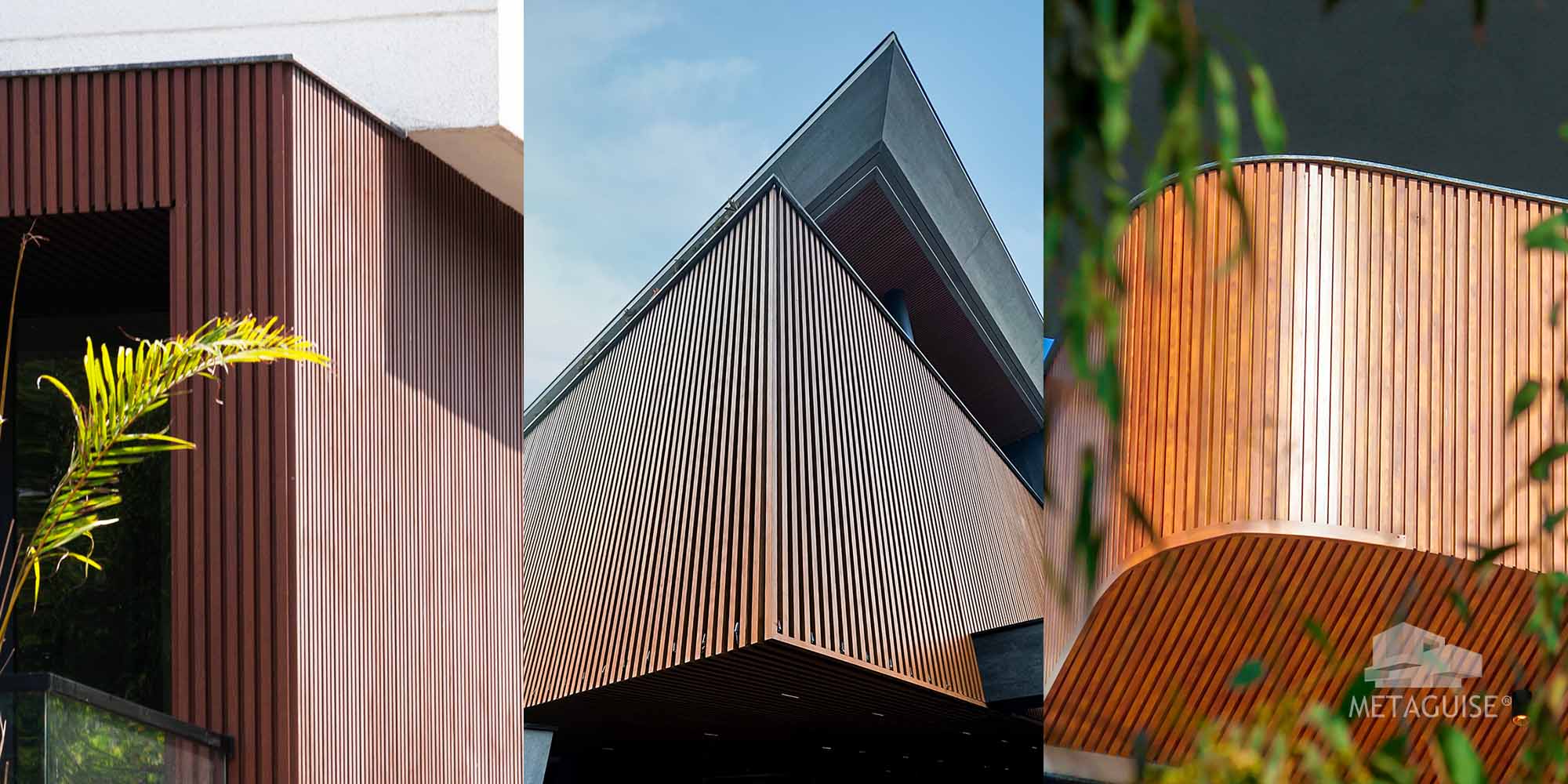
Fluted panels have become the defining surface of India's premium architecture in 2026 — visible on luxury bungalow facades in South Delhi, corporate lobbies in Bangalore, retail flagships in Mumbai, and farmhouse boundary walls on the Mehrauli-Gurgaon corridor. The shift from interior accent to full exterior facade system happened faster in India than in any comparable market — and it happened for a reason that is both visual and structural. A fluted surface solves the flat-wall problem that every Indian homeowner and architect faces. Before fluting, a wall has length and height but no depth. A MetaFlute surface adds the third dimension — channel valleys recede, ridge peaks advance, and the shadow cast by each ridge on the valley beside it shifts continuously as the sun moves. The result is a facade that reads differently at 7am and 5pm, in direct summer sun and diffuse monsoon light, from across the street and at arm's length. No paint colour, no stone finish, and no flat metal panel achieves this temporal variation. Geometry does — and geometry does not age. The endurance of fluting as a design choice is not coincidental. The vertical groove appears in Greek temple columns, in Mughal carved stone pilasters, in the ribbed tower profiles of Indian temple architecture, and in the grooved concrete surfaces of Chandigarh's civic buildings. MetaFlute places any building — a South Delhi bungalow, a Noida villa, a Gurgaon corporate headquarters — in this design lineage. The homeowner choosing MetaFlute is not following a trend. They are specifying a geometry that has communicated architectural intention for thousands of years, executed in a material that will perform for the next fifty.
MetaFlute: Technical Overview of the System
MetaFlute is fabricated in high-grade solid aluminium — CNC-formed into a ribbed profile and finished with Metaguise's MetaSurface PVDF or anodised coating before installation. The system is part of Metaguise's MetaForm modular range, sharing the same sub-frame engineering, installation logic, and finish range as MetaCassette and SolidPanel — but with the addition of the fluted profile geometry that creates its distinctive shadow character. Flute Profile Dimensions and Options • Channel width: 50mm, 75mm, 100mm, 125mm, 150mm (standard widths; custom widths available on request) • Ridge-to-valley depth: 15mm, 20mm, 25mm, 30mm (depth determines shadow intensity — deeper channels cast darker, more dramatic shadows) • Profile form: Semi-circular channel (the most specified form — smooth, classical groove), V-groove (sharper, more graphic shadow line), flat-bottom channel (wider visible face between ridges, suited to large-scale commercial facades) • Panel orientation: Vertical (standard — channels run floor to ceiling, reinforcing building height); horizontal (less common but striking, particularly on low-rise residential boundary walls and podium elements); custom diagonal available for bespoke parametric commissions • Panel height: Any height from 600mm to the full floor-to-floor dimension — typically 2,700mm to 4,500mm for residential; 3,600mm to 6,000mm for commercial • Panel width: Module width is determined by the number of flute channels — typically 300mm to 1,200mm panel width for standard installations Material and Fabrication MetaFlute panels are fabricated from 2mm or 2.5mm solid aluminium sheet, roll-formed or CNC-pressed into the specified channel profile and then cut to the required panel height. The panel edges are folded to create the return flanges that engage the sub-frame fixing system — the same folded-edge cassette logic as MetaCassette, applied to a fluted rather than flat face. This means MetaFlute carries all the structural and performance advantages of the cassette fixing system: inherent rigidity (no oil-canning), concealed fixings (no visible screws or brackets on the panel face), and precise shadow gap control at panel-to-panel joints. Sub-Frame and Installation MetaFlute installs on Metaguise's standard aluminium horizontal and vertical rail sub-frame, anchored to the structural wall. The ventilated cavity behind the panel provides rainscreen drainage and thermal buffering — the same engineering configuration as all Metaguise MetaForm systems. Sub-frame depth accommodates both the flute channel projection and the ventilated cavity, ensuring the panel face is set at the correct distance from the wall. For retrofit installations on existing buildings, the sub-frame bracket system compensates for wall plumb irregularity, ensuring the fluted panel face reads as perfectly vertical regardless of substrate condition. Weight and Structural Loading MetaFlute panels weigh between 4 and 7 kg per sq ft depending on channel depth and panel gauge — well within the range of lightweight facade cladding that imposes minimal additional load on existing structures. This makes MetaFlute as well-suited to retrofit facade upgrades on existing bungalows and commercial buildings as it is to new-build specifications, without requiring structural assessment in the great majority of residential and low-rise commercial applications.
Why Fluted Panels Improve Curb Appeal: The Psychology and Physics of the Groove
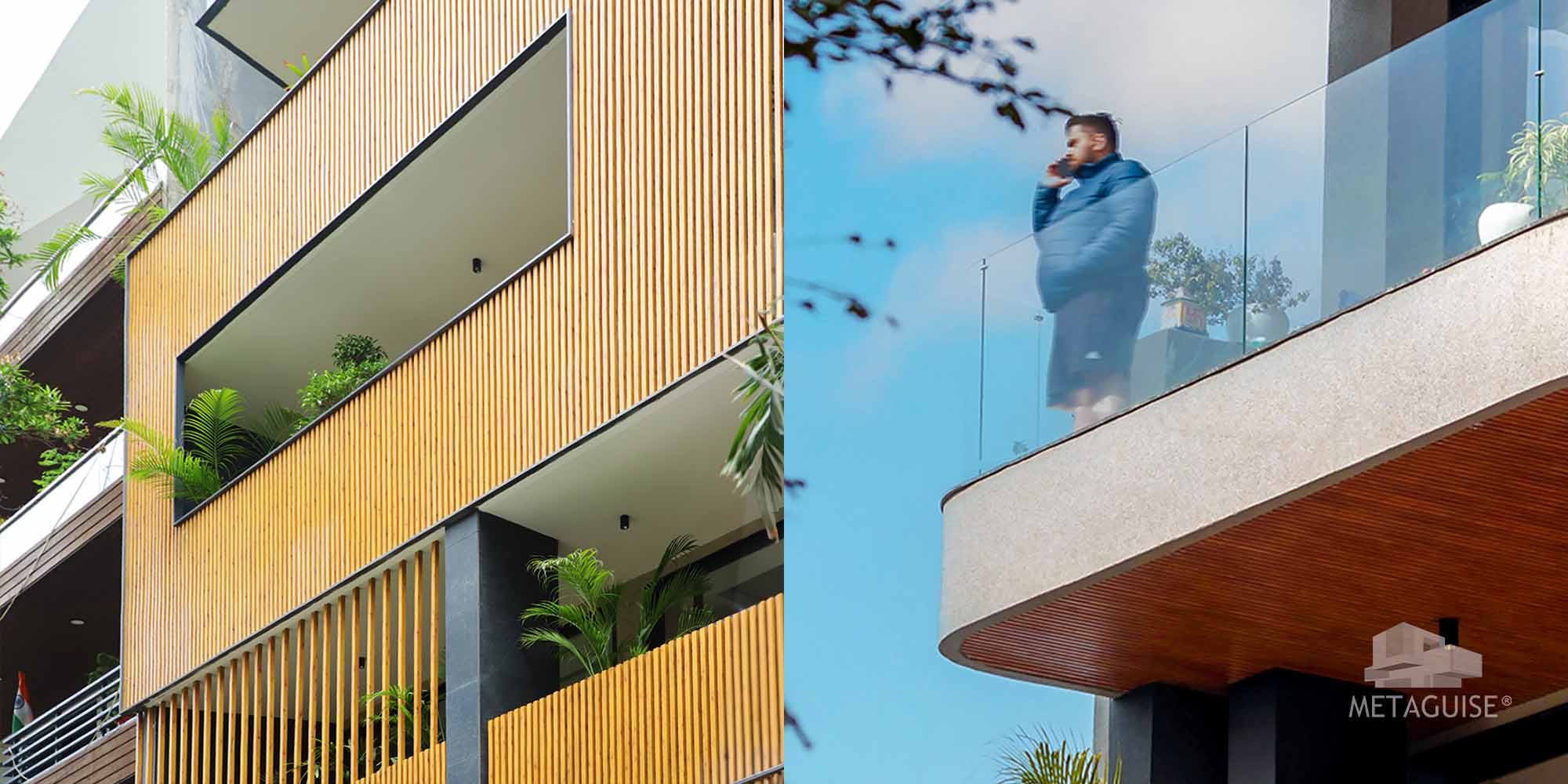
The effect of MetaFlute on a building's street-facing appearance operates at multiple perceptual levels simultaneously — which is why it is so consistently powerful regardless of building scale, location, or architectural context. Vertical Rhythm Creates Visual Height The vertical channel profile of MetaFlute reinforces the upward reading of a building — the eye follows the channel lines from the ground plane to the parapet, making buildings read as taller and more slender than their actual proportions. For standard Indian residential plots — where frontage is typically 20–35 feet wide and the building rises two to three storeys — a MetaFlute facade transforms what might otherwise read as a squat, wide mass into a composition of vertical energy. This is particularly valuable for duplex and G+1 homes, where the challenge is making a two-floor stacked composition read as a single, tall, unified building rather than two floors visible from the street. Shadow Play Creates Perceived Depth On a flat painted facade, a building reads as a surface — it has no depth beyond what its window reveals provide. On a MetaFlute facade, every flute channel adds depth: the valley of each channel is in shadow relative to the ridge beside it, creating a surface that appears to have thickness and mass. From across the street, a MetaFlute facade reads as dimensionally rich — as though the material itself has weight and presence. This perceptual depth is one of the primary reasons that MetaFlute consistently transforms the street-presence of buildings that were previously architecturally invisible. The Surface Changes Through the Day A flat painted or smooth-cladded facade reads identically at 7am and at 5pm — the same colour, the same tone, the same undifferentiated surface. A MetaFlute facade changes character through the day as the sun angle shifts: in morning light on an east-facing elevation, the shadow falls deep in the channel valleys and the ridge peaks catch the direct sun, creating maximum contrast and maximum three-dimensional reading. At midday, the shadows shorten and the surface appears more evenly lit. In the late afternoon on a west-facing elevation, the low sun creates long lateral shadows that travel across the channel profile, producing a warm, raking light effect that is particularly beautiful in India's golden hour. This temporal variation means a MetaFlute facade is never the same twice — a quality that no static, flat surface can replicate. Material Association: Crafted Rather Than Constructed There is a reason that fluting appears on jewellery, on luxury packaging, on high-end furniture, and on the world's most celebrated classical buildings: the groove is a mark of craft. A surface that has been deliberately shaped — worked, formed, considered — reads as made with intention rather than assembled from necessity. When MetaFlute is specified on a residential or commercial building, the building acquires this association. It reads as designed, not defaulted. In India's competitive premium residential and commercial markets, this distinction — between a building that looks designed and one that merely looks expensive — is exactly the differentiation that MetaFlute provides.
Indoor and Outdoor Applications: Where MetaFlute Performs Best
MetaFlute's versatility across exterior and interior applications makes it one of the most broadly applicable systems in Metaguise's range. The same panel geometry, the same finish options, and the same installation logic serve both contexts — with minor variations in sub-frame specification and gauge for the different load requirements of interior versus exterior installations. Exterior Facade — Primary Building Elevations The most common MetaFlute application is the full-height primary elevation of a luxury bungalow, villa, or independent floor — channels running vertically from the ground-floor plinth to the parapet, uninterrupted by horizontal bands or material changes. This whole-elevation application creates the strongest vertical rhythm and the most architecturally unified composition. For residential projects in South Delhi, Gurgaon's DLF Phase corridors, Chandigarh's sector bungalows, and Ahmedabad's Sindhu Bhavan Road, a full-height MetaFlute elevation in a matte warm grey or champagne PVDF is the single most transformative facade upgrade available. Exterior Facade — Accent Bands and Feature Columns MetaFlute is also highly effective as an accent element within a larger facade composition — where it provides textural punctuation against the calm of a flat SolidPanel or MetaCassette field. A MetaFlute column flanking the entrance door, a horizontal fluted band marking the first-floor slab line, or a single fluted feature panel on the boundary gate pier — each creates a moment of material richness within an otherwise restrained composition. This accent application is particularly popular on commercial buildings and duplex homes where the brief calls for architectural distinction without the commitment of a full fluted elevation. Interior Feature Walls — Lobbies, Corridors, Reception Areas MetaFlute's interior applications are among its most celebrated in India's hospitality and corporate architecture. The vertical channel profile on a hotel lobby feature wall creates a surface of immediate warmth and material depth — the shadow play in interior lighting conditions (particularly with point-source downlighting that rakes across the channel faces) achieves an effect of extraordinary richness. For corporate reception areas, MetaFlute in a deep charcoal or dark bronze finish creates a backdrop that communicates authority and design ambition. For premium retail interiors — jewellery, fashion, lifestyle brands — MetaFlute in gold anodised or MetaCopper finish creates an interior surface that resonates with the precious, crafted quality of the merchandise. Interior Feature Walls — Residential Entrance Halls and Living Rooms In luxury residential interiors — entrance halls, living room accent walls, study and library walls, master bedroom headboard features — MetaFlute creates a surface that bridges the gap between furniture craft and architectural scale. A MetaFlute wall in a warm champagne PVDF or MetaWood finish in a South Delhi or Gurgaon residence reads as a designed element — as considered and precise as the best custom joinery, but at the scale and permanence of architecture. Interior MetaFlute installations typically specify a shallower channel depth (15–20mm) than exterior applications, and use the 2mm gauge with 10mm shadow gaps between panels. Boundary Walls, Gates, and Landscape Elements At the landscape and site scale — boundary walls, entrance gate piers, compound wall cappings, and pergola columns — MetaFlute creates a surface quality that communicates architectural intention at the first point of contact with the property. A MetaFlute-clad boundary wall on a premium Noida or Gurgaon villa reads as a designed building boundary rather than a security perimeter. The channel profile adds the same visual richness at 1.2 metres high as it does on a 10-metre-tall building elevation — a versatility that makes MetaFlute the most comprehensive facade system in Metaguise's range in terms of application breadth.
MetaFlute Colour and Finish Guide: Every Option for Every Project
MetaFlute's finish is specified from Metaguise's MetaSurface range — the same comprehensive palette available across all MetaForm systems. The channel geometry of MetaFlute interacts with different finishes in specific ways that are worth understanding before specifying. How Channel Depth Affects Finish Perception A key principle in MetaFlute finish selection: deeper channel profiles (25–30mm) amplify the contrast between the lit ridge face and the shadowed valley — making darker finishes appear even darker in the channel valley and lighter finishes appear almost luminous on the ridge. Shallower channels (15mm) create a subtler shadow contrast that suits matte finishes and interior applications. For exterior facades where bold shadow drama is the design intent, a 25–30mm deep channel in matte charcoal or warm white creates the most powerful reading. For interior applications or residential elevations where refinement rather than drama is the priority, a 15–20mm channel in champagne or warm grey is the most consistently successful combination. PVDF Finish Recommendations by Application • Matte Warm White: The most versatile MetaFlute exterior finish — works in every Indian climate zone, at every scale, in every neighbourhood context. The channel shadow reads in a warm cream against the lit white ridge face, creating a facade of serene depth and material refinement • : 2026's most specified residential MetaFlute colour — the warm grey undertone pre Matte Warm Grey / Greigevents the coldness that pure white can project in north-facing applications, and the matte finish ensures the shadow play reads clearly without competing specular reflections • Champagne PVDF: The luxury residential MetaFlute specification — a warm, low-saturation gold-beige tone that reads as precious without ostentation; particularly effective on South Delhi and Gurgaon residential projects where the palette needs warmth and refinement simultaneously • Deep Charcoal / Anthracite: The commercial MetaFlute specification for corporate headquarters and premium retail — bold, graphic, and authoritative; the deep channel shadow against the charcoal ridge face creates a high-contrast surface that reads as designed from every distance • Custom RAL / NCS: Any standard PVDF colour — for brand-specific retail specifications and architect-specified project colours MetaSurface Special Finishes on MetaFlute • MetaWood finish: Timber-grain PVDF on fluted aluminium — the most distinctive MetaFlute special finish; the combination of vertical channel rhythm and timber-grain texture creates a surface that reads as handcrafted joinery at architectural scale; particularly effective on residential entrance features and boutique hospitality interiors • MetaCorten finish: Weathering steel tone PVDF on fluted panels — warm rust-brown channel profile suited for farmhouse boundaries, rustic resort architecture, and heritage-context commercial buildings; the channel shadow deepens the Corten tone into a rich, warm composition • MetaCopper / MetaPatina: Copper and aged verdigris PVDF on fluted panels — suited for jewellery retail interiors, boutique hotel feature walls, and luxury residential entrance halls where the precious metal reference is carried into the architecture's texture • Gold and Bronze Anodised: Hard-wearing, rich metallic finishes for interior MetaFlute feature walls in premium hospitality and retail — maximum surface quality and prestige at close range
MetaFlute Project Showcase: From Bungalows to Boardrooms
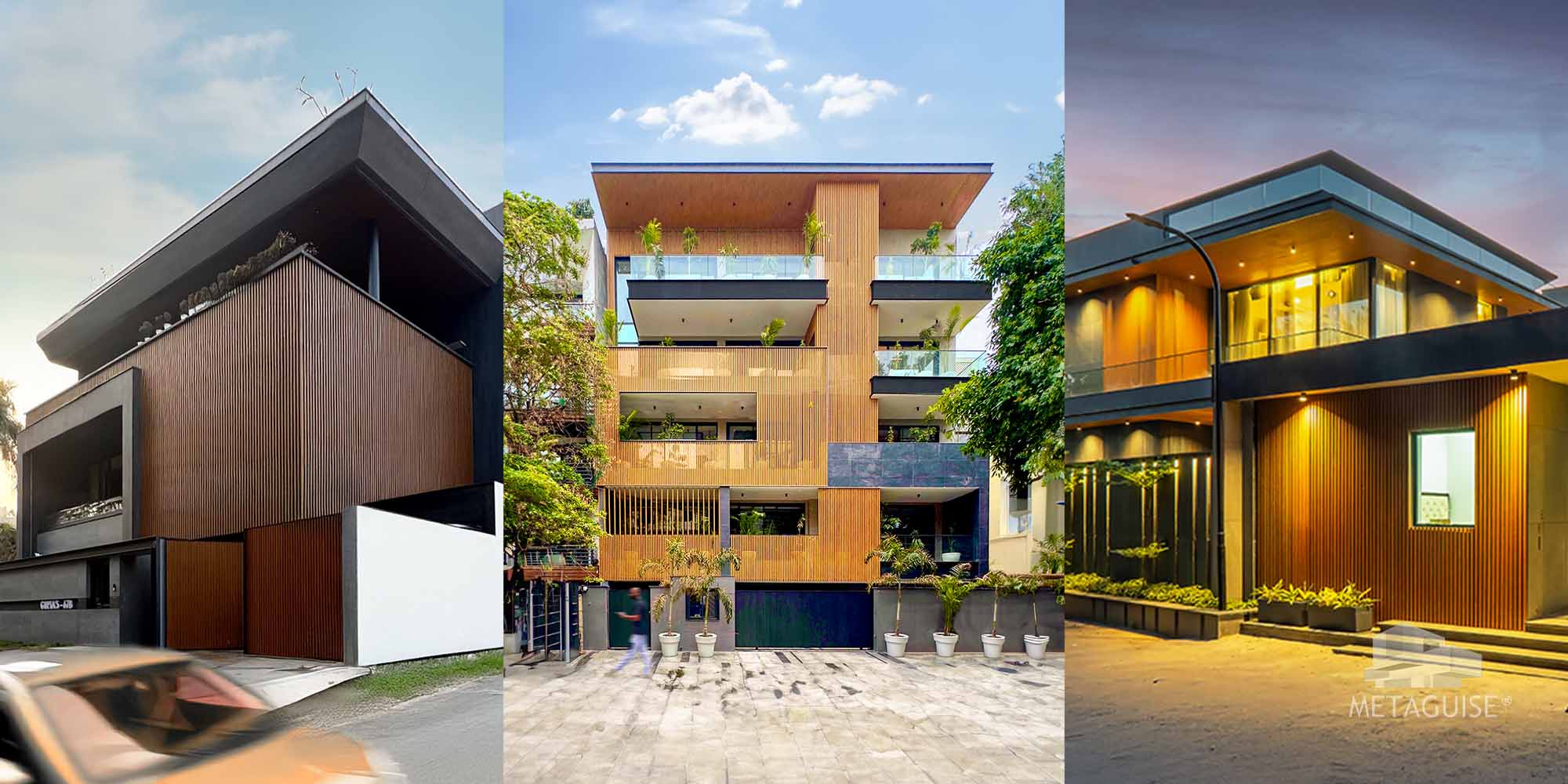
South Delhi Bungalow — Vasant Vihar, Champagne PVDF A complete facade transformation of a G+1 bungalow in Vasant Vihar using MetaFlute 100mm channel profile in champagne PVDF — full-height vertical panels running from ground to parapet uninterrupted, with a MetaCassette side elevation in matching warm tone and a MetaSequin entrance canopy in gold anodised. The project took eleven weeks from design approval to completion and generated four referral enquiries from neighbours within the first three months of installation. Corporate Headquarters Lobby — Bangalore, MetaWood Finish A tech company's Bangalore headquarters used MetaFlute in 75mm channel, MetaWood finish, on the primary reception feature wall — approximately 1,400 sq ft of interior fluted panels creating a surface of warmth, precision, and material quality that set the tone for the entire workplace interior. The timber-grain PVDF on the fluted geometry created a surface that guests and employees consistently described as the most memorable design element of the building. New Villa, Sohna Road — Deep Charcoal A newly commissioned villa on Sohna Road used MetaFlute in 125mm deep-channel profile, deep charcoal PVDF, on the full primary and secondary elevations — a bold, graphic composition that established the villa as the most architecturally confident building on its street. The deep charcoal channel shadow against the slightly lighter ridge face created a surface of maximum contrast and shadow drama that the architect described as 'the closest thing in metal facade to the depth of carved stone.' Boutique Hotel, Jaipur — MetaCorten Finish A boutique heritage hotel in Jaipur's Pink City fringe used MetaFlute in MetaCorten-tone PVDF on the primary facade elevation and the rooftop restaurant feature wall — warm rust-brown fluted channels that read against Jaipur's sandstone urban fabric as both contemporary and culturally rooted. The project received a design publication feature within six months of completion, and the hotel's facade has become a recognised landmark on its street. Farmhouse Boundary Wall, Mehrauli-Gurgaon Corridor — MetaWood Finish A farmhouse boundary wall commission used MetaFlute in MetaWood finish on horizontal orientation — channels running along the length of the wall rather than vertically — creating a fence-like timber-grain rhythm that read as a landscape element as much as a security boundary. The horizontal MetaFlute boundary wall has since been specified on three neighbouring farmhouse projects in the same corridor by homeowners who saw the installation from the road.
Frequently Asked Questions
1.What channel width should I specify for my MetaFlute project?
Channel width selection depends on two factors: the scale of the facade and the desired visual character. For residential bungalows and smaller commercial facades (under 3,000 sq ft), 75mm or 100mm channel width creates the most balanced visual rhythm — fine enough to read as detailed craftsmanship at close range, bold enough to register as a textured surface from across the street. For larger commercial facades (above 5,000 sq ft), 125mm or 150mm channels are more appropriate — the wider profile ensures the texture reads at the greater viewing distances typical of large commercial buildings. For interior applications, 50mm or 75mm channels are the most specified — creating a jewellery-scale precision that suits the compressed scale of interior space.2.Can MetaFlute be used on both the exterior facade and the interior walls of the same building?
Yes — and specifying MetaFlute consistently across exterior and interior applications creates a powerful design coherence that is particularly effective in luxury residential and hospitality projects. An entrance tower in MetaFlute exterior grade (full wind-load engineering, PVDF finish, ventilated rainscreen sub-frame) that continues as the lobby feature wall in MetaFlute interior grade (lighter sub-frame, same finish, same channel geometry) creates an architectural threshold that reads as a single continuous surface moving from outside to inside. Metaguise's design team coordinates exterior and interior MetaFlute specifications as a unified system on projects where this continuity is the design intent.3.How does MetaFlute perform in India's monsoon — do the channels collect water?
MetaFlute channels are oriented vertically, which means rainwater runs down the channel face and drains to the base of the installation — the channel profile acts as a natural drainage guide rather than a water trap. The ventilated rainscreen cavity behind the panel provides a secondary drainage path for any moisture that penetrates behind the panel face at joints or fixings. For horizontal MetaFlute orientations (channels running along rather than up the wall), the sub-frame specification includes a forward tilt of the panel face — ensuring channels drain outward rather than inward. Metaguise's installation documentation specifies panel tilt angle for all horizontal MetaFlute applications as standard.4.What is the typical cost of a MetaFlute facade in India in 2026?
MetaFlute installed costs across Metaguise's residential and commercial projects in India typically range from ₹950 to ₹1,500 per sq ft, depending on channel depth and width (deeper, wider channels require more material and forming cost), building height (above-ground-floor installation requires scaffolding), and finish specification (standard PVDF is at the lower end of the range; MetaWood, MetaCorten, and MetaCopper special finishes attract a modest premium). For a standard residential bungalow facade of 1,500–2,500 sq ft, a MetaFlute installation typically represents a total investment of ₹14.25 lakh to ₹37.5 lakh. For commercial projects of 5,000–10,000 sq ft, the range is ₹47.5 lakh to ₹1.5 crore. Metaguise provides a fixed-price quotation at the design approval stage for every project.01-06-26 | Architectural Insights
Key Takeaways
• MetaFlute is Metaguise's vertical fluted aluminium panel system — precision-engineered ribbed channels that bring tactile depth, strong shadow rhythm, and timeless architectural character to any facade. • The fluted design trend has crossed over from interior architecture into exterior facades and is now the single most recognisable finish on India's premium residential and commercial buildings in 2026 — on everything from South Delhi bungalows to Bangalore tech campuses. • MetaFlute works indoors and outdoors equally: the same system that creates a striking street-facing bungalow elevation also creates a richly textured corporate lobby wall or premium restaurant interior. • This guide covers the fluted trend and why it endures, MetaFlute's technical overview, how fluted panels improve curb appeal, indoor and outdoor applications, the complete colour and finish guide, and a project showcase.
The Fluted Design Trend in 2026: Why Vertical Grooves Have Taken Over Indian Architecture
Fluted panels have become the defining surface of India's premium architecture in 2026 — visible on luxury bungalow facades in South Delhi, corporate lobbies in Bangalore, retail flagships in Mumbai, and farmhouse boundary walls on the Mehrauli-Gurgaon corridor. The shift from interior accent to full exterior facade system happened faster in India than in any comparable market — and it happened for a reason that is both visual and structural. A fluted surface solves the flat-wall problem that every Indian homeowner and architect faces. Before fluting, a wall has length and height but no depth. A MetaFlute surface adds the third dimension — channel valleys recede, ridge peaks advance, and the shadow cast by each ridge on the valley beside it shifts continuously as the sun moves. The result is a facade that reads differently at 7am and 5pm, in direct summer sun and diffuse monsoon light, from across the street and at arm's length. No paint colour, no stone finish, and no flat metal panel achieves this temporal variation. Geometry does — and geometry does not age. The endurance of fluting as a design choice is not coincidental. The vertical groove appears in Greek temple columns, in Mughal carved stone pilasters, in the ribbed tower profiles of Indian temple architecture, and in the grooved concrete surfaces of Chandigarh's civic buildings. MetaFlute places any building — a South Delhi bungalow, a Noida villa, a Gurgaon corporate headquarters — in this design lineage. The homeowner choosing MetaFlute is not following a trend. They are specifying a geometry that has communicated architectural intention for thousands of years, executed in a material that will perform for the next fifty.
MetaFlute: Technical Overview of the System
MetaFlute is fabricated in high-grade solid aluminium — CNC-formed into a ribbed profile and finished with Metaguise's MetaSurface PVDF or anodised coating before installation. The system is part of Metaguise's MetaForm modular range, sharing the same sub-frame engineering, installation logic, and finish range as MetaCassette and SolidPanel — but with the addition of the fluted profile geometry that creates its distinctive shadow character. Flute Profile Dimensions and Options • Channel width: 50mm, 75mm, 100mm, 125mm, 150mm (standard widths; custom widths available on request) • Ridge-to-valley depth: 15mm, 20mm, 25mm, 30mm (depth determines shadow intensity — deeper channels cast darker, more dramatic shadows) • Profile form: Semi-circular channel (the most specified form — smooth, classical groove), V-groove (sharper, more graphic shadow line), flat-bottom channel (wider visible face between ridges, suited to large-scale commercial facades) • Panel orientation: Vertical (standard — channels run floor to ceiling, reinforcing building height); horizontal (less common but striking, particularly on low-rise residential boundary walls and podium elements); custom diagonal available for bespoke parametric commissions • Panel height: Any height from 600mm to the full floor-to-floor dimension — typically 2,700mm to 4,500mm for residential; 3,600mm to 6,000mm for commercial • Panel width: Module width is determined by the number of flute channels — typically 300mm to 1,200mm panel width for standard installations Material and Fabrication MetaFlute panels are fabricated from 2mm or 2.5mm solid aluminium sheet, roll-formed or CNC-pressed into the specified channel profile and then cut to the required panel height. The panel edges are folded to create the return flanges that engage the sub-frame fixing system — the same folded-edge cassette logic as MetaCassette, applied to a fluted rather than flat face. This means MetaFlute carries all the structural and performance advantages of the cassette fixing system: inherent rigidity (no oil-canning), concealed fixings (no visible screws or brackets on the panel face), and precise shadow gap control at panel-to-panel joints. Sub-Frame and Installation MetaFlute installs on Metaguise's standard aluminium horizontal and vertical rail sub-frame, anchored to the structural wall. The ventilated cavity behind the panel provides rainscreen drainage and thermal buffering — the same engineering configuration as all Metaguise MetaForm systems. Sub-frame depth accommodates both the flute channel projection and the ventilated cavity, ensuring the panel face is set at the correct distance from the wall. For retrofit installations on existing buildings, the sub-frame bracket system compensates for wall plumb irregularity, ensuring the fluted panel face reads as perfectly vertical regardless of substrate condition. Weight and Structural Loading MetaFlute panels weigh between 4 and 7 kg per sq ft depending on channel depth and panel gauge — well within the range of lightweight facade cladding that imposes minimal additional load on existing structures. This makes MetaFlute as well-suited to retrofit facade upgrades on existing bungalows and commercial buildings as it is to new-build specifications, without requiring structural assessment in the great majority of residential and low-rise commercial applications.
Why Fluted Panels Improve Curb Appeal: The Psychology and Physics of the Groove
The effect of MetaFlute on a building's street-facing appearance operates at multiple perceptual levels simultaneously — which is why it is so consistently powerful regardless of building scale, location, or architectural context. Vertical Rhythm Creates Visual Height The vertical channel profile of MetaFlute reinforces the upward reading of a building — the eye follows the channel lines from the ground plane to the parapet, making buildings read as taller and more slender than their actual proportions. For standard Indian residential plots — where frontage is typically 20–35 feet wide and the building rises two to three storeys — a MetaFlute facade transforms what might otherwise read as a squat, wide mass into a composition of vertical energy. This is particularly valuable for duplex and G+1 homes, where the challenge is making a two-floor stacked composition read as a single, tall, unified building rather than two floors visible from the street. Shadow Play Creates Perceived Depth On a flat painted facade, a building reads as a surface — it has no depth beyond what its window reveals provide. On a MetaFlute facade, every flute channel adds depth: the valley of each channel is in shadow relative to the ridge beside it, creating a surface that appears to have thickness and mass. From across the street, a MetaFlute facade reads as dimensionally rich — as though the material itself has weight and presence. This perceptual depth is one of the primary reasons that MetaFlute consistently transforms the street-presence of buildings that were previously architecturally invisible. The Surface Changes Through the Day A flat painted or smooth-cladded facade reads identically at 7am and at 5pm — the same colour, the same tone, the same undifferentiated surface. A MetaFlute facade changes character through the day as the sun angle shifts: in morning light on an east-facing elevation, the shadow falls deep in the channel valleys and the ridge peaks catch the direct sun, creating maximum contrast and maximum three-dimensional reading. At midday, the shadows shorten and the surface appears more evenly lit. In the late afternoon on a west-facing elevation, the low sun creates long lateral shadows that travel across the channel profile, producing a warm, raking light effect that is particularly beautiful in India's golden hour. This temporal variation means a MetaFlute facade is never the same twice — a quality that no static, flat surface can replicate. Material Association: Crafted Rather Than Constructed There is a reason that fluting appears on jewellery, on luxury packaging, on high-end furniture, and on the world's most celebrated classical buildings: the groove is a mark of craft. A surface that has been deliberately shaped — worked, formed, considered — reads as made with intention rather than assembled from necessity. When MetaFlute is specified on a residential or commercial building, the building acquires this association. It reads as designed, not defaulted. In India's competitive premium residential and commercial markets, this distinction — between a building that looks designed and one that merely looks expensive — is exactly the differentiation that MetaFlute provides.
Indoor and Outdoor Applications: Where MetaFlute Performs Best
MetaFlute's versatility across exterior and interior applications makes it one of the most broadly applicable systems in Metaguise's range. The same panel geometry, the same finish options, and the same installation logic serve both contexts — with minor variations in sub-frame specification and gauge for the different load requirements of interior versus exterior installations. Exterior Facade — Primary Building Elevations The most common MetaFlute application is the full-height primary elevation of a luxury bungalow, villa, or independent floor — channels running vertically from the ground-floor plinth to the parapet, uninterrupted by horizontal bands or material changes. This whole-elevation application creates the strongest vertical rhythm and the most architecturally unified composition. For residential projects in South Delhi, Gurgaon's DLF Phase corridors, Chandigarh's sector bungalows, and Ahmedabad's Sindhu Bhavan Road, a full-height MetaFlute elevation in a matte warm grey or champagne PVDF is the single most transformative facade upgrade available. Exterior Facade — Accent Bands and Feature Columns MetaFlute is also highly effective as an accent element within a larger facade composition — where it provides textural punctuation against the calm of a flat SolidPanel or MetaCassette field. A MetaFlute column flanking the entrance door, a horizontal fluted band marking the first-floor slab line, or a single fluted feature panel on the boundary gate pier — each creates a moment of material richness within an otherwise restrained composition. This accent application is particularly popular on commercial buildings and duplex homes where the brief calls for architectural distinction without the commitment of a full fluted elevation. Interior Feature Walls — Lobbies, Corridors, Reception Areas MetaFlute's interior applications are among its most celebrated in India's hospitality and corporate architecture. The vertical channel profile on a hotel lobby feature wall creates a surface of immediate warmth and material depth — the shadow play in interior lighting conditions (particularly with point-source downlighting that rakes across the channel faces) achieves an effect of extraordinary richness. For corporate reception areas, MetaFlute in a deep charcoal or dark bronze finish creates a backdrop that communicates authority and design ambition. For premium retail interiors — jewellery, fashion, lifestyle brands — MetaFlute in gold anodised or MetaCopper finish creates an interior surface that resonates with the precious, crafted quality of the merchandise. Interior Feature Walls — Residential Entrance Halls and Living Rooms In luxury residential interiors — entrance halls, living room accent walls, study and library walls, master bedroom headboard features — MetaFlute creates a surface that bridges the gap between furniture craft and architectural scale. A MetaFlute wall in a warm champagne PVDF or MetaWood finish in a South Delhi or Gurgaon residence reads as a designed element — as considered and precise as the best custom joinery, but at the scale and permanence of architecture. Interior MetaFlute installations typically specify a shallower channel depth (15–20mm) than exterior applications, and use the 2mm gauge with 10mm shadow gaps between panels. Boundary Walls, Gates, and Landscape Elements At the landscape and site scale — boundary walls, entrance gate piers, compound wall cappings, and pergola columns — MetaFlute creates a surface quality that communicates architectural intention at the first point of contact with the property. A MetaFlute-clad boundary wall on a premium Noida or Gurgaon villa reads as a designed building boundary rather than a security perimeter. The channel profile adds the same visual richness at 1.2 metres high as it does on a 10-metre-tall building elevation — a versatility that makes MetaFlute the most comprehensive facade system in Metaguise's range in terms of application breadth.
MetaFlute Colour and Finish Guide: Every Option for Every Project
MetaFlute's finish is specified from Metaguise's MetaSurface range — the same comprehensive palette available across all MetaForm systems. The channel geometry of MetaFlute interacts with different finishes in specific ways that are worth understanding before specifying. How Channel Depth Affects Finish Perception A key principle in MetaFlute finish selection: deeper channel profiles (25–30mm) amplify the contrast between the lit ridge face and the shadowed valley — making darker finishes appear even darker in the channel valley and lighter finishes appear almost luminous on the ridge. Shallower channels (15mm) create a subtler shadow contrast that suits matte finishes and interior applications. For exterior facades where bold shadow drama is the design intent, a 25–30mm deep channel in matte charcoal or warm white creates the most powerful reading. For interior applications or residential elevations where refinement rather than drama is the priority, a 15–20mm channel in champagne or warm grey is the most consistently successful combination. PVDF Finish Recommendations by Application • Matte Warm White: The most versatile MetaFlute exterior finish — works in every Indian climate zone, at every scale, in every neighbourhood context. The channel shadow reads in a warm cream against the lit white ridge face, creating a facade of serene depth and material refinement • : 2026's most specified residential MetaFlute colour — the warm grey undertone pre Matte Warm Grey / Greigevents the coldness that pure white can project in north-facing applications, and the matte finish ensures the shadow play reads clearly without competing specular reflections • Champagne PVDF: The luxury residential MetaFlute specification — a warm, low-saturation gold-beige tone that reads as precious without ostentation; particularly effective on South Delhi and Gurgaon residential projects where the palette needs warmth and refinement simultaneously • Deep Charcoal / Anthracite: The commercial MetaFlute specification for corporate headquarters and premium retail — bold, graphic, and authoritative; the deep channel shadow against the charcoal ridge face creates a high-contrast surface that reads as designed from every distance • Custom RAL / NCS: Any standard PVDF colour — for brand-specific retail specifications and architect-specified project colours MetaSurface Special Finishes on MetaFlute • MetaWood finish: Timber-grain PVDF on fluted aluminium — the most distinctive MetaFlute special finish; the combination of vertical channel rhythm and timber-grain texture creates a surface that reads as handcrafted joinery at architectural scale; particularly effective on residential entrance features and boutique hospitality interiors • MetaCorten finish: Weathering steel tone PVDF on fluted panels — warm rust-brown channel profile suited for farmhouse boundaries, rustic resort architecture, and heritage-context commercial buildings; the channel shadow deepens the Corten tone into a rich, warm composition • MetaCopper / MetaPatina: Copper and aged verdigris PVDF on fluted panels — suited for jewellery retail interiors, boutique hotel feature walls, and luxury residential entrance halls where the precious metal reference is carried into the architecture's texture • Gold and Bronze Anodised: Hard-wearing, rich metallic finishes for interior MetaFlute feature walls in premium hospitality and retail — maximum surface quality and prestige at close range
MetaFlute Project Showcase: From Bungalows to Boardrooms
South Delhi Bungalow — Vasant Vihar, Champagne PVDF A complete facade transformation of a G+1 bungalow in Vasant Vihar using MetaFlute 100mm channel profile in champagne PVDF — full-height vertical panels running from ground to parapet uninterrupted, with a MetaCassette side elevation in matching warm tone and a MetaSequin entrance canopy in gold anodised. The project took eleven weeks from design approval to completion and generated four referral enquiries from neighbours within the first three months of installation. Corporate Headquarters Lobby — Bangalore, MetaWood Finish A tech company's Bangalore headquarters used MetaFlute in 75mm channel, MetaWood finish, on the primary reception feature wall — approximately 1,400 sq ft of interior fluted panels creating a surface of warmth, precision, and material quality that set the tone for the entire workplace interior. The timber-grain PVDF on the fluted geometry created a surface that guests and employees consistently described as the most memorable design element of the building. New Villa, Sohna Road — Deep Charcoal A newly commissioned villa on Sohna Road used MetaFlute in 125mm deep-channel profile, deep charcoal PVDF, on the full primary and secondary elevations — a bold, graphic composition that established the villa as the most architecturally confident building on its street. The deep charcoal channel shadow against the slightly lighter ridge face created a surface of maximum contrast and shadow drama that the architect described as 'the closest thing in metal facade to the depth of carved stone.' Boutique Hotel, Jaipur — MetaCorten Finish A boutique heritage hotel in Jaipur's Pink City fringe used MetaFlute in MetaCorten-tone PVDF on the primary facade elevation and the rooftop restaurant feature wall — warm rust-brown fluted channels that read against Jaipur's sandstone urban fabric as both contemporary and culturally rooted. The project received a design publication feature within six months of completion, and the hotel's facade has become a recognised landmark on its street. Farmhouse Boundary Wall, Mehrauli-Gurgaon Corridor — MetaWood Finish A farmhouse boundary wall commission used MetaFlute in MetaWood finish on horizontal orientation — channels running along the length of the wall rather than vertically — creating a fence-like timber-grain rhythm that read as a landscape element as much as a security boundary. The horizontal MetaFlute boundary wall has since been specified on three neighbouring farmhouse projects in the same corridor by homeowners who saw the installation from the road.
Frequently Asked Questions
1.What channel width should I specify for my MetaFlute project?
Channel width selection depends on two factors: the scale of the facade and the desired visual character. For residential bungalows and smaller commercial facades (under 3,000 sq ft), 75mm or 100mm channel width creates the most balanced visual rhythm — fine enough to read as detailed craftsmanship at close range, bold enough to register as a textured surface from across the street. For larger commercial facades (above 5,000 sq ft), 125mm or 150mm channels are more appropriate — the wider profile ensures the texture reads at the greater viewing distances typical of large commercial buildings. For interior applications, 50mm or 75mm channels are the most specified — creating a jewellery-scale precision that suits the compressed scale of interior space.2.Can MetaFlute be used on both the exterior facade and the interior walls of the same building?
Yes — and specifying MetaFlute consistently across exterior and interior applications creates a powerful design coherence that is particularly effective in luxury residential and hospitality projects. An entrance tower in MetaFlute exterior grade (full wind-load engineering, PVDF finish, ventilated rainscreen sub-frame) that continues as the lobby feature wall in MetaFlute interior grade (lighter sub-frame, same finish, same channel geometry) creates an architectural threshold that reads as a single continuous surface moving from outside to inside. Metaguise's design team coordinates exterior and interior MetaFlute specifications as a unified system on projects where this continuity is the design intent.3.How does MetaFlute perform in India's monsoon — do the channels collect water?
MetaFlute channels are oriented vertically, which means rainwater runs down the channel face and drains to the base of the installation — the channel profile acts as a natural drainage guide rather than a water trap. The ventilated rainscreen cavity behind the panel provides a secondary drainage path for any moisture that penetrates behind the panel face at joints or fixings. For horizontal MetaFlute orientations (channels running along rather than up the wall), the sub-frame specification includes a forward tilt of the panel face — ensuring channels drain outward rather than inward. Metaguise's installation documentation specifies panel tilt angle for all horizontal MetaFlute applications as standard.4.What is the typical cost of a MetaFlute facade in India in 2026?
MetaFlute installed costs across Metaguise's residential and commercial projects in India typically range from ₹950 to ₹1,500 per sq ft, depending on channel depth and width (deeper, wider channels require more material and forming cost), building height (above-ground-floor installation requires scaffolding), and finish specification (standard PVDF is at the lower end of the range; MetaWood, MetaCorten, and MetaCopper special finishes attract a modest premium). For a standard residential bungalow facade of 1,500–2,500 sq ft, a MetaFlute installation typically represents a total investment of ₹14.25 lakh to ₹37.5 lakh. For commercial projects of 5,000–10,000 sq ft, the range is ₹47.5 lakh to ₹1.5 crore. Metaguise provides a fixed-price quotation at the design approval stage for every project.Related Articles
Architectural Luxury, Within Reach: Why MetaFlutes and MetaLouvers Are the Smartest Investment in Metal Facades
In today’s built environment, luxury is no longer defined by extravagance - it’s defined by intention. It’s about refined details, enduring finishes, and design that performs as beautifully as it looks. At Metaguise, our metal facade systems - MetaFlutes, MetaLouvers, and MetaCassette Perforated - are crafted to bring that standard of architectural luxury within reach...
07-04-25 | Architectural Insights
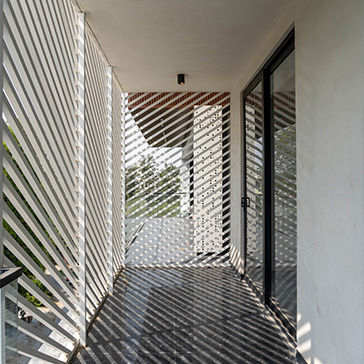
Why Architects Are Turning to Custom Metal Louvers in 2025
There’s something quietly brilliant happening in architecture right now. As buildings become more responsive and designers look for ways to merge aesthetics with performance, one feature is making a serious comeback, custom metal louvers.
03-06-25 | Architectural Insights
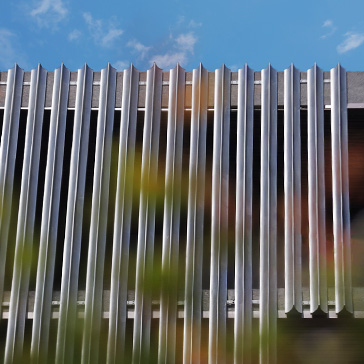
The Science of Shadows: How Facade Design Shapes Light and Mood
Architecture has always been about more than structure - it’s about rhythm, reflection, and the way light interacts with space.At Metaguise, we see every innovative facade as a living canvas, one that transforms not just how a building looks, but how it feels. Light becomes our material, and shadow becomes our tool.This is the art and the science behind MetaLouvers, MetaCassette, and the entire Metaguise facade family.
13-10-25 | Architectural Insights
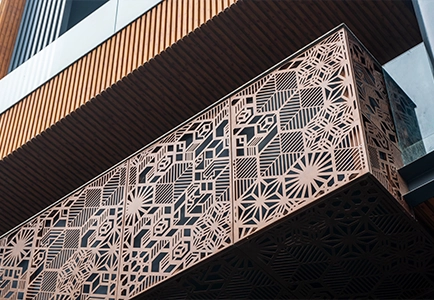
Custom Metal Facade Cladding in 2026: Design, Cost, Materials & Architect Guide
Explore how commercial spaces are using Metaguise facades to express identity and elevate perception.
24-11-25 | Architectural Insights
Social
Legal
Privacy Policy|Terms & Conditions