





Best Facade Options for South-Facing Luxury Residential Properties in India (2026)
17-04-26 | Architectural Insights
South-facing elevations in luxury residences present architecture's most demanding paradox: maximum solar exposure that delivers both coveted natural light and relentless thermal assault. For discerning homeowners commissioning ₹10-crore bungalows in South Delhi, Ahmedabad, or Bengaluru, the southern facade becomes the defining architectural gesture - the surface that must perform under India's harshest sun while projecting sophistication that matches the property's stature. Metaguise's parametric metal facade systems transform this challenge into strategic opportunity, engineering surfaces that don't merely tolerate southern exposure but choreograph it into luminous architectural theater while actively managing heat gain and glare.
Why South-Facing Luxury Facades in India Demand Specialized Design Intelligence
Unlike east or west elevations where sun angles shift dramatically throughout the day, southern facades receive consistent, high-angle solar radiation across India's latitudes, particularly between March and October. Traditional flat cladding absorbs and radiates this energy directly into interior spaces, creating thermal discomfort and escalating air conditioning loads that undermine both sustainability credentials and operational costs. The architectural solution lies not in blocking light entirely through closed facades, but in modulating it through three-dimensional depth, strategic perforation, and surface treatments that reflect rather than absorb solar radiation. This requires facade systems engineered specifically for photometric and thermal performance, not merely aesthetic appeal.
Parametric Metal Facade Systems Engineered for South-Facing Solar Modulation
MetaSequin introduces computational relief to southern elevations through individually-articulated metal sequins that create continuous shadow play across the facade plane. Each scale is parametrically positioned at precise angles calculated to intercept high-angle sun while permitting diffused daylight penetration. The result reads as a shimmering metallic texture from street level while functioning as a thermal buffer zone that reduces direct solar gain by up to 40% compared to flat metal panels. For residences demanding more geometric clarity, MetaFin systems deploy vertical blade arrays with scientifically-calibrated spacing and projection depths. The fins intercept southern sun during peak intensity hours while maintaining sight lines and natural ventilation - critical for luxury homes where connection to landscape cannot be sacrificed for thermal performance. When finished with reflective MetaSurface treatments in champagne or pearl white, these systems deflect solar radiation while projecting quiet luxury that ages gracefully under UV exposure.
How Layering Facade Depth Controls Heat and Light in South-Facing Residences
The most sophisticated approach to south-facing luxury facades employs layered depth, creating ventilated cavities between exterior rain-screen and structural wall that allow convective heat dissipation before thermal energy reaches interior spaces. MetaCassette systems excel in this application, providing deep-reveal panel geometry that generates pronounced shadow lines throughout the day as sun angles shift. This three-dimensional strategy transforms the facade into an active thermal mediator rather than passive barrier. Heated air rises through the ventilated cavity and exhausts naturally at parapet level, the "stack effect" that reduces surface temperatures by 15-20°C compared to direct-applied cladding. For homeowners, this translates to measurably cooler interiors, reduced HVAC loads, and enhanced comfort in south-facing living spaces that would otherwise require aggressive solar control glazing that darkens rooms.
MetaSurface Finishes That Perform Under India’s Southern Sun
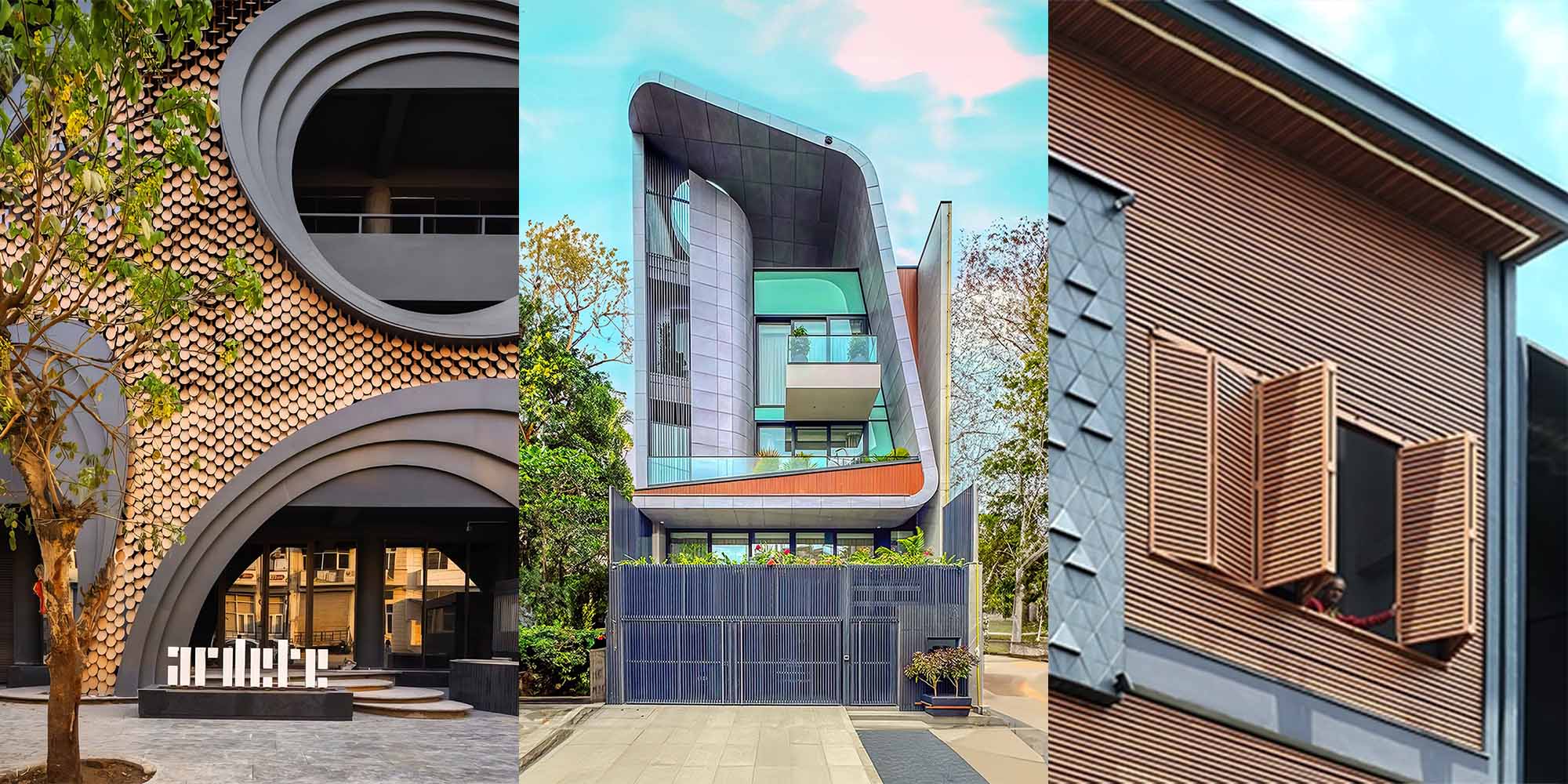
Metal selection and surface treatment become critical variables on south-facing elevations. Metaguise's MetaSurface finishes include specialized treatments engineered for high solar reflectance (SR) and thermal emissivity - technical specifications that directly impact facade temperature and longevity under sustained UV exposure. Brushed stainless steel in satin or mirror finish reflects up to 70% of incident solar radiation while introducing kinetic visual interest as viewing angles change throughout the day. For warmer palettes that complement traditional Indian architecture, champagne gold and rose gold PVD coatings provide equivalent thermal performance while coding the residence with unmistakable luxury signaling. These are not decorative afterthoughts but engineered surface treatments that maintain color stability and resist chalking even after decades of southern exposure.
Perforation as Strategic Light Filtering on Residential Facades
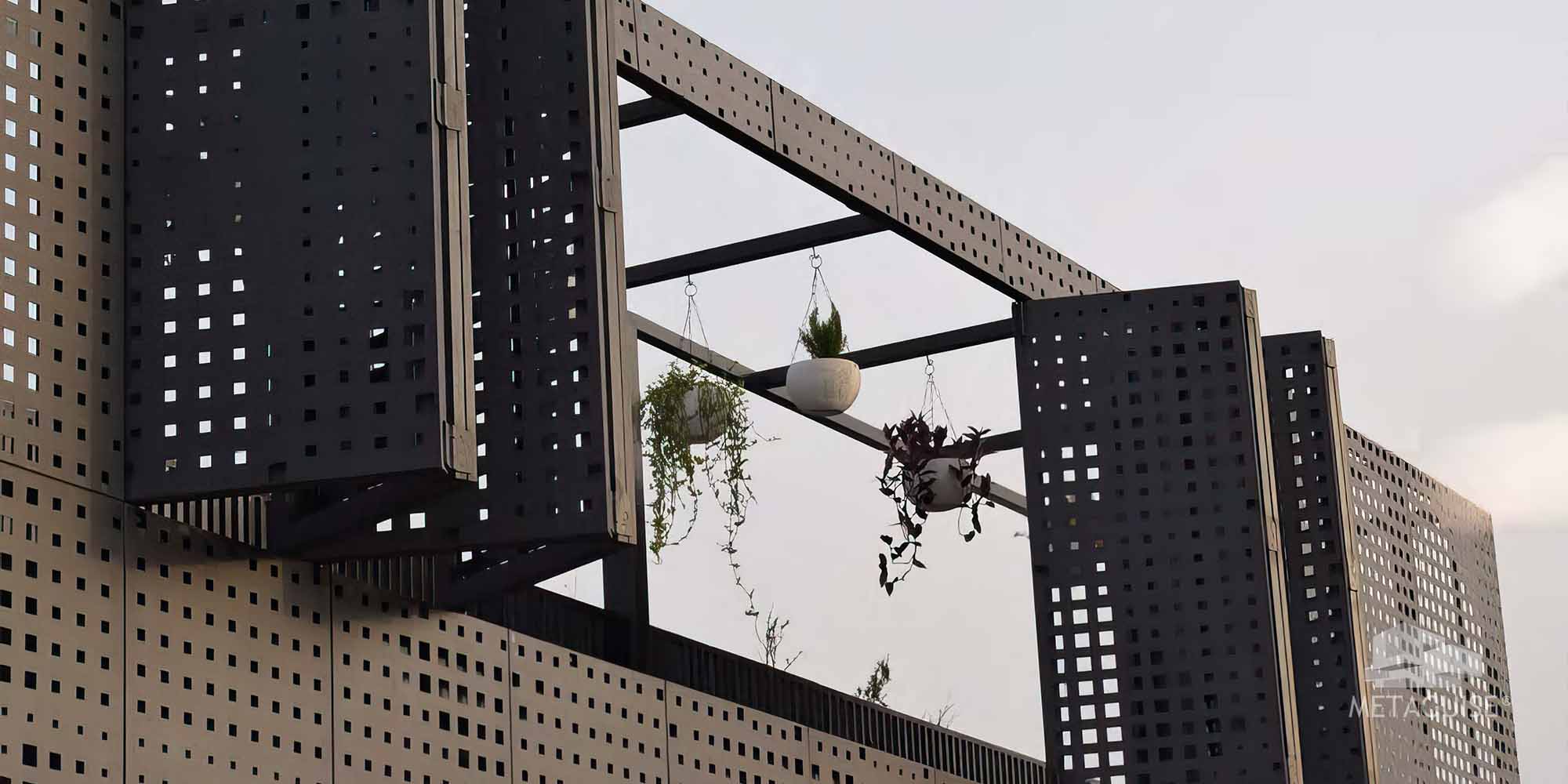
MetaFold systems introduce another dimension of solar control through parametrically-designed perforation patterns. By varying hole diameter, spacing, and distribution across the facade field, designers can calibrate precise levels of solar penetration, dense perforation at upper levels where privacy is less critical, transitioning to solid panels at eye level for visual screening. The perforations function as thousands of individual light filters, breaking direct sun into diffused patterns that animate interior spaces without thermal penalty. During evening hours, interior lighting reverses the effect, the facade glows softly, transforming the southern elevation into a lantern that announces the residence without sacrificing privacy or sophistication.
Metaguise’s Design Process for South-Facing Luxury Residential Facades
Metaguise's approach begins with solar analysis during early design stages - computational modeling that maps sun paths, calculates solar heat gain coefficients, and predicts facade performance across seasonal variations specific to the property's latitude and orientation. This data informs parametric design decisions: fin spacing, panel projection depths, perforation densities, and surface finishes are calibrated not by aesthetic preference alone but by quantified performance targets. For architects and homeowners commissioning signature residences, this methodology ensures the southern facade becomes an integrated climate-responsive system rather than applied decoration - building envelope, thermal mediator, and architectural statement collapsed into a single, computationally-designed metal surface that performs as intelligently as it photographs.
Metaguise’s Design Process for South-Facing Luxury Residential Facades
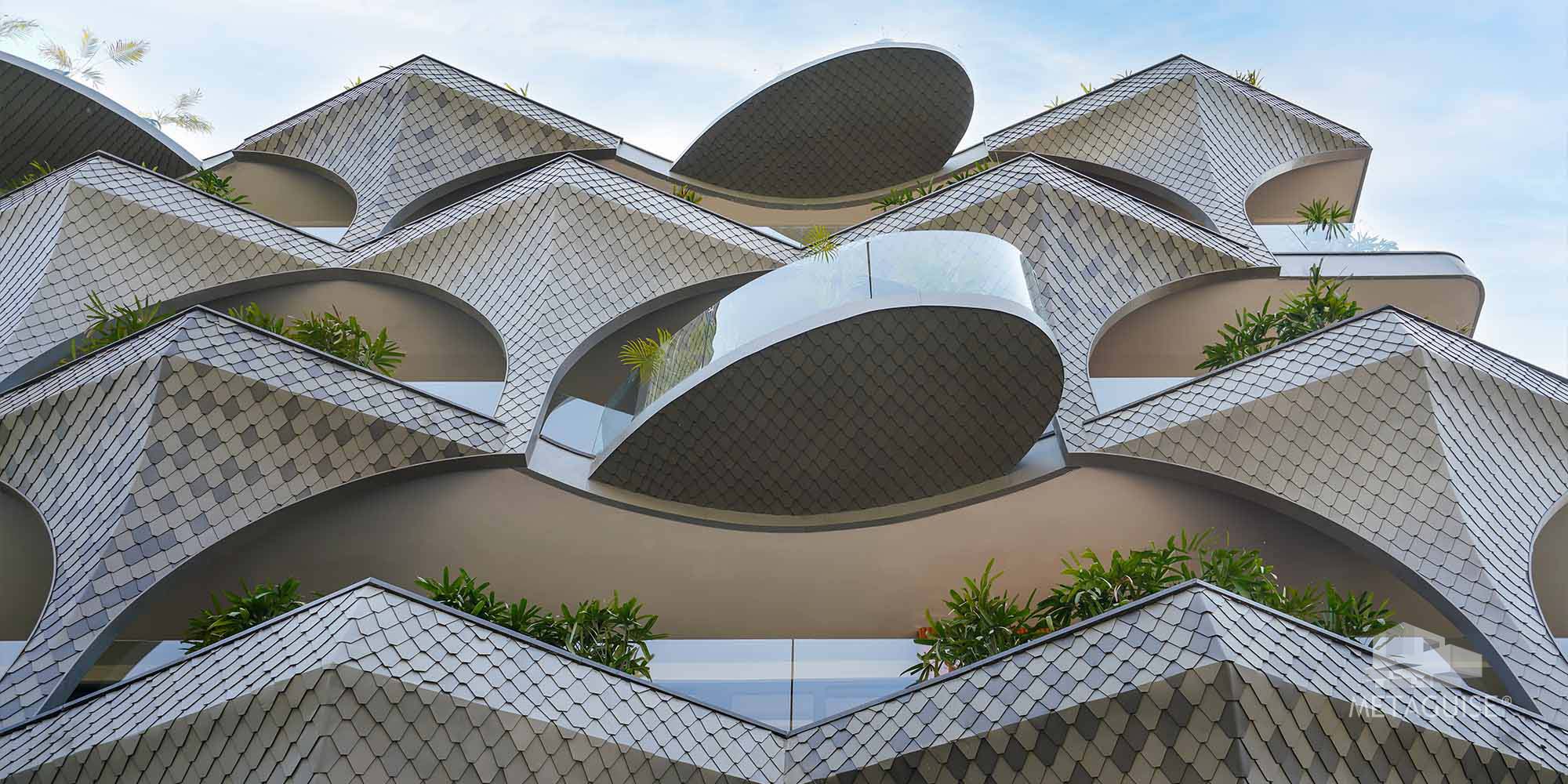
Metaguise's portfolio includes numerous luxury residences where south-facing challenges have been transformed into defining architectural gestures. A South Delhi residence layers MetaFin blades over floor-to-ceiling glazing, maintaining panoramic garden views while reducing cooling loads by 35% compared to the architect's initial all-glass concept. These are not theoretical exercises but lived environments where computational design, material science, and fabrication precision converge to deliver facades that enhance daily life while appreciating as architectural assets, the visible signature that distinguishes true luxury real estate from merely expensive construction.
Frequently Asked Questions
1.What is the best Facade cladding systems for a south-facing luxury villa in south delhi or Ahmedabad?
For south-facing villas, the ideal solution combines shading, ventilation, and visual depth. Parametric facades or systems like MetaLouvers, MetaCassette, and MetaFin work best as they reduce direct heat exposure while maintaining a luxurious, bespoke elevation. These systems are engineered to be durable, corrosion-resistant, and climate-responsive.
2.How does a parametric metal facade reduce heat gain in south-facing residential buildings in India?
Parametric facades are designed using algorithms that respond to sun orientation, airflow, and shading needs. They reduce heat gain by: Creating self-shading geometries Allowing controlled airflow and ventilation Breaking direct solar exposure through depth and layering This makes the facade not just decorative, but a passive climate-control system
3. Which Metaguise facade system works best for south-facing elevations - Metafin, Metasequin, or Metacassette?
MetaFin: Best for sun control and linear shading MetaSequin: Best for dynamic, sculptural facades with filtered light MetaCassette: Best for balanced performance with ventilation and subtle texture For most south-facing villas, a combination of MetaFin and MetaCassette delivers optimal performance and elegance.
4. Can a metal facade on a south-facing home in India reduce air conditioning costs?
Yes. A well-designed metal facade can significantly lower cooling loads by: Blocking and reflecting solar heat Providing natural shading and ventilation Acting as a protective thermal layer Over time, this can lead to noticeable reductions in air conditioning usage and energy costs .
5. What metal finish is most durable on a south-facing villa exterior in Indian climate conditions?
Finishes like MetaCorten, MetaPatina, and MetaWood are ideal. They are: UV- and heat-resistant Corrosion-proof and seepage-free Designed to perform in extreme sun and weather conditions With 15–35 year coating warranties, they offer long-term durability with minimal maintenance .
Best Facade Options for South-Facing Luxury Residential Properties in India (2026)
17-04-26 | Architectural Insights
South-facing elevations in luxury residences present architecture's most demanding paradox: maximum solar exposure that delivers both coveted natural light and relentless thermal assault. For discerning homeowners commissioning ₹10-crore bungalows in South Delhi, Ahmedabad, or Bengaluru, the southern facade becomes the defining architectural gesture - the surface that must perform under India's harshest sun while projecting sophistication that matches the property's stature. Metaguise's parametric metal facade systems transform this challenge into strategic opportunity, engineering surfaces that don't merely tolerate southern exposure but choreograph it into luminous architectural theater while actively managing heat gain and glare.
Why South-Facing Luxury Facades in India Demand Specialized Design Intelligence
Unlike east or west elevations where sun angles shift dramatically throughout the day, southern facades receive consistent, high-angle solar radiation across India's latitudes, particularly between March and October. Traditional flat cladding absorbs and radiates this energy directly into interior spaces, creating thermal discomfort and escalating air conditioning loads that undermine both sustainability credentials and operational costs. The architectural solution lies not in blocking light entirely through closed facades, but in modulating it through three-dimensional depth, strategic perforation, and surface treatments that reflect rather than absorb solar radiation. This requires facade systems engineered specifically for photometric and thermal performance, not merely aesthetic appeal.
Parametric Metal Facade Systems Engineered for South-Facing Solar Modulation
MetaSequin introduces computational relief to southern elevations through individually-articulated metal sequins that create continuous shadow play across the facade plane. Each scale is parametrically positioned at precise angles calculated to intercept high-angle sun while permitting diffused daylight penetration. The result reads as a shimmering metallic texture from street level while functioning as a thermal buffer zone that reduces direct solar gain by up to 40% compared to flat metal panels. For residences demanding more geometric clarity, MetaFin systems deploy vertical blade arrays with scientifically-calibrated spacing and projection depths. The fins intercept southern sun during peak intensity hours while maintaining sight lines and natural ventilation - critical for luxury homes where connection to landscape cannot be sacrificed for thermal performance. When finished with reflective MetaSurface treatments in champagne or pearl white, these systems deflect solar radiation while projecting quiet luxury that ages gracefully under UV exposure.
How Layering Facade Depth Controls Heat and Light in South-Facing Residences
The most sophisticated approach to south-facing luxury facades employs layered depth, creating ventilated cavities between exterior rain-screen and structural wall that allow convective heat dissipation before thermal energy reaches interior spaces. MetaCassette systems excel in this application, providing deep-reveal panel geometry that generates pronounced shadow lines throughout the day as sun angles shift. This three-dimensional strategy transforms the facade into an active thermal mediator rather than passive barrier. Heated air rises through the ventilated cavity and exhausts naturally at parapet level, the "stack effect" that reduces surface temperatures by 15-20°C compared to direct-applied cladding. For homeowners, this translates to measurably cooler interiors, reduced HVAC loads, and enhanced comfort in south-facing living spaces that would otherwise require aggressive solar control glazing that darkens rooms.
MetaSurface Finishes That Perform Under India’s Southern Sun
Metal selection and surface treatment become critical variables on south-facing elevations. Metaguise's MetaSurface finishes include specialized treatments engineered for high solar reflectance (SR) and thermal emissivity - technical specifications that directly impact facade temperature and longevity under sustained UV exposure. Brushed stainless steel in satin or mirror finish reflects up to 70% of incident solar radiation while introducing kinetic visual interest as viewing angles change throughout the day. For warmer palettes that complement traditional Indian architecture, champagne gold and rose gold PVD coatings provide equivalent thermal performance while coding the residence with unmistakable luxury signaling. These are not decorative afterthoughts but engineered surface treatments that maintain color stability and resist chalking even after decades of southern exposure.
Perforation as Strategic Light Filtering on Residential Facades
MetaFold systems introduce another dimension of solar control through parametrically-designed perforation patterns. By varying hole diameter, spacing, and distribution across the facade field, designers can calibrate precise levels of solar penetration, dense perforation at upper levels where privacy is less critical, transitioning to solid panels at eye level for visual screening. The perforations function as thousands of individual light filters, breaking direct sun into diffused patterns that animate interior spaces without thermal penalty. During evening hours, interior lighting reverses the effect, the facade glows softly, transforming the southern elevation into a lantern that announces the residence without sacrificing privacy or sophistication.
Metaguise’s Design Process for South-Facing Luxury Residential Facades
Metaguise's approach begins with solar analysis during early design stages - computational modeling that maps sun paths, calculates solar heat gain coefficients, and predicts facade performance across seasonal variations specific to the property's latitude and orientation. This data informs parametric design decisions: fin spacing, panel projection depths, perforation densities, and surface finishes are calibrated not by aesthetic preference alone but by quantified performance targets. For architects and homeowners commissioning signature residences, this methodology ensures the southern facade becomes an integrated climate-responsive system rather than applied decoration - building envelope, thermal mediator, and architectural statement collapsed into a single, computationally-designed metal surface that performs as intelligently as it photographs.
Metaguise’s Design Process for South-Facing Luxury Residential Facades
Metaguise's portfolio includes numerous luxury residences where south-facing challenges have been transformed into defining architectural gestures. A South Delhi residence layers MetaFin blades over floor-to-ceiling glazing, maintaining panoramic garden views while reducing cooling loads by 35% compared to the architect's initial all-glass concept. These are not theoretical exercises but lived environments where computational design, material science, and fabrication precision converge to deliver facades that enhance daily life while appreciating as architectural assets, the visible signature that distinguishes true luxury real estate from merely expensive construction.
Frequently Asked Questions
1.What is the best Facade cladding systems for a south-facing luxury villa in south delhi or Ahmedabad?
For south-facing villas, the ideal solution combines shading, ventilation, and visual depth. Parametric facades or systems like MetaLouvers, MetaCassette, and MetaFin work best as they reduce direct heat exposure while maintaining a luxurious, bespoke elevation. These systems are engineered to be durable, corrosion-resistant, and climate-responsive.
2.How does a parametric metal facade reduce heat gain in south-facing residential buildings in India?
Parametric facades are designed using algorithms that respond to sun orientation, airflow, and shading needs. They reduce heat gain by: Creating self-shading geometries Allowing controlled airflow and ventilation Breaking direct solar exposure through depth and layering This makes the facade not just decorative, but a passive climate-control system
3. Which Metaguise facade system works best for south-facing elevations - Metafin, Metasequin, or Metacassette?
MetaFin: Best for sun control and linear shading MetaSequin: Best for dynamic, sculptural facades with filtered light MetaCassette: Best for balanced performance with ventilation and subtle texture For most south-facing villas, a combination of MetaFin and MetaCassette delivers optimal performance and elegance.
4. Can a metal facade on a south-facing home in India reduce air conditioning costs?
Yes. A well-designed metal facade can significantly lower cooling loads by: Blocking and reflecting solar heat Providing natural shading and ventilation Acting as a protective thermal layer Over time, this can lead to noticeable reductions in air conditioning usage and energy costs .
5. What metal finish is most durable on a south-facing villa exterior in Indian climate conditions?
Finishes like MetaCorten, MetaPatina, and MetaWood are ideal. They are: UV- and heat-resistant Corrosion-proof and seepage-free Designed to perform in extreme sun and weather conditions With 15–35 year coating warranties, they offer long-term durability with minimal maintenance .
Related Articles
Related Articles
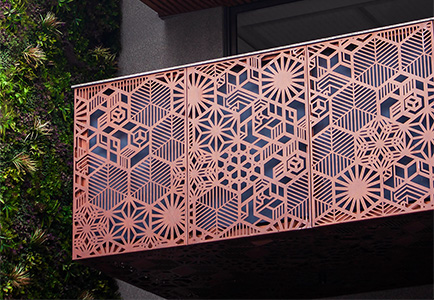
Architectural Luxury, Within Reach: Why MetaFlutes and MetaLouvers Are the Smartest Investment in Metal Facades
In today’s built environment, luxury is no longer defined by extravagance - it’s defined by intention. It’s about refined details, enduring finishes, and design that performs as beautifully as it looks. At Metaguise, our metal facade systems - MetaFlutes, MetaLouvers, and MetaCassette Perforated - are crafted to bring that standard of architectural luxury within reach...
07-04-25 | Architectural Insights
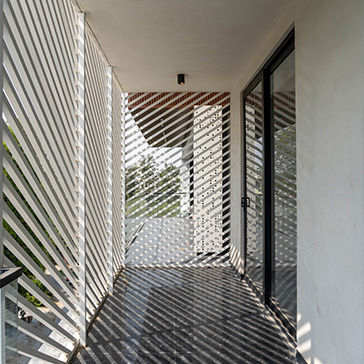
Why Architects Are Turning to Custom Metal Louvers in 2025
There’s something quietly brilliant happening in architecture right now. As buildings become more responsive and designers look for ways to merge aesthetics with performance, one feature is making a serious comeback, custom metal louvers.
03-06-25 | Architectural Insights
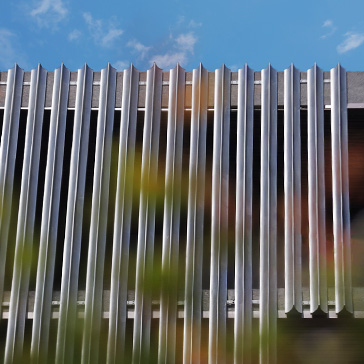
The Science of Shadows: How Facade Design Shapes Light and Mood
Architecture has always been about more than structure - it’s about rhythm, reflection, and the way light interacts with space.At Metaguise, we see every innovative facade as a living canvas, one that transforms not just how a building looks, but how it feels. Light becomes our material, and shadow becomes our tool.This is the art and the science behind MetaLouvers, MetaCassette, and the entire Metaguise facade family.
13-10-25 | Architectural Insights
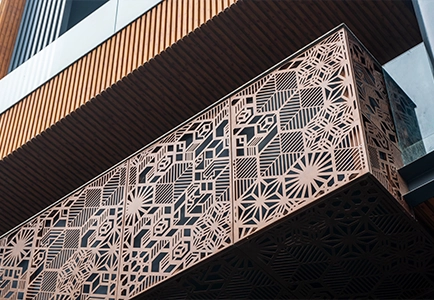
Custom Metal Facade Cladding in 2026: Design, Cost, Materials & Architect Guide
Explore how commercial spaces are using Metaguise facades to express identity and elevate perception.
24-11-25 | Architectural Insights
Social
Legal
Privacy Policy|Terms & Conditions