Why Architects Choose Custom Metal Louvers in 2025–2026
44%
Metaguise LogoMetaguise Logo

Why Architects Are Turning to Custom Metal Louvers in 2025

03-06-25 | Architectural Insights

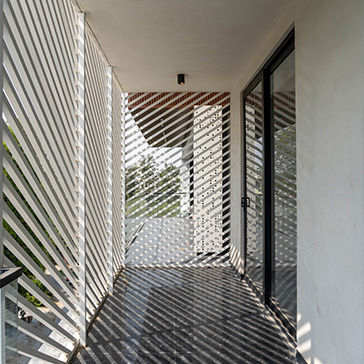
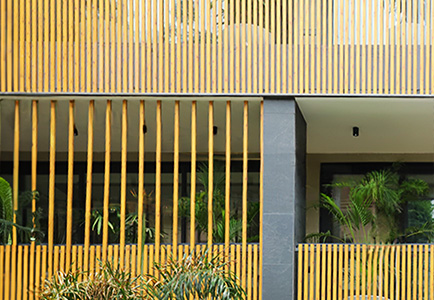
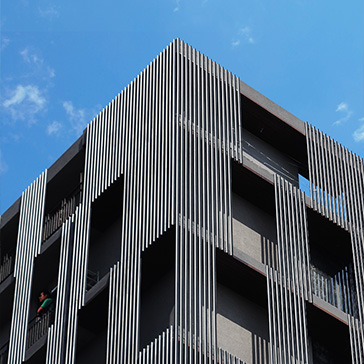
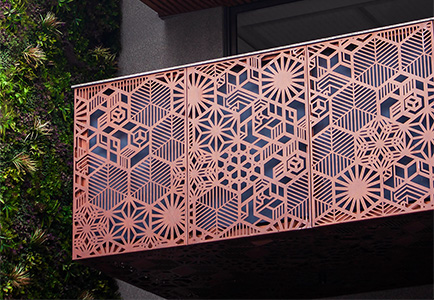
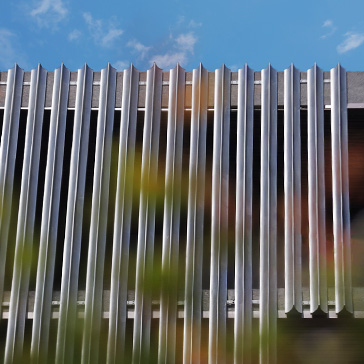
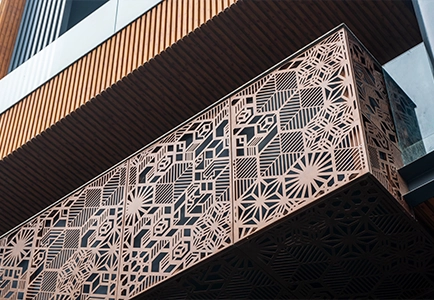
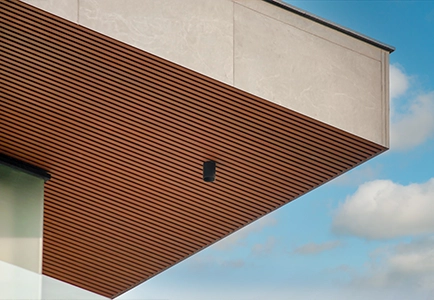
There’s something quietly brilliant happening in architecture right now. As buildings become more responsive and designers look for ways to merge aesthetics with performance, one feature is making a serious comeback, custom metal louvers. They're not new, but in 2025, metal louvers are showing up in smarter, sleeker, and far more beautiful ways. And architects love them. So what’s driving the rise of metal louvers? 1. They solve real problems beautifully At their core, louvers help control sunlight, air flow, and privacy. That’s especially important in warm climates like much of India, where solar shading can make or break a building’s energy performance. But the difference today is how louvers are being designed: not just as functional add-ons, but as integrated architectural statements. Designers are now using metal louver facade systems not just to block heat, but to define the look of an entire building. 2. Custom is the new standard Gone are the days of off-the-shelf slats bolted onto a wall. Today’s louvers are custom-shaped, layered, and patterned to match the rhythm of the facade. Some are vertical fins that double as sun-breakers. Others form dynamic, angled patterns that cast ever-changing shadows throughout the day. At Metaguise, our MetaLouver systems are built with this kind of custom thinking. Whether it’s a modern residence needing subtle airflow or a commercial space that wants to stand out with a dramatic vertical pattern, we create metal louvers facade design that works and wows. Why metal? Because it lasts Metal louvers,especially those made from aluminium,strike the perfect balance between durability and design flexibility. They're lightweight, corrosion-resistant, and can be formed into almost any profile. Whether it’s a brushed aluminium fins facade or a powder-coated sheet metal louvers grid, these materials are built to last without losing their edge. Plus, they’re low maintenance and 100% recyclable, which makes them a hit with sustainability-focused architects. Real applications, real results You’ll see louvers for elevation popping up across all kinds of projects: On homes: Where privacy and shading are key, without blocking views or airflow. On commercial buildings: Where visual identity matters, and a bold metal louver facade can set the tone. On gates and boundaries: Where airflow meets security, and louvers can blend beauty with purpose. One of our recent residential projects featured custom aluminium louvers design across the upper floor,angled just right to let in winter sun and block summer glare. Another used vertical c channel metal fins to create a strong architectural rhythm on a retail facade. And they’re surprisingly flexible Think louvers are just for high-end builds? Not true. With modular design options and smart detailing, you can get the performance of aluminium cladding panels and the visual punch of metal design even on smaller projects. Our team at Metaguise frequently works on everything from private villas to experience centers, all using tailored louver profiles to enhance both function and form. 2025: The year louvers stopped blending in What’s different this year isn’t the product,it’s the approach. Architects are designing with louvers from day one. They're using them to: Animate facades Guide natural ventilation Add texture and rhythm Reduce mechanical cooling needs And in many cases, express the brand or personality of the space It’s a shift from utility to intentionality. Louvers aren’t hiding anymore,they’re the main event. If you’re an architect designing for performance, beauty, and environmental intelligence, custom metal louvers are worth considering. They’re sculptural, efficient, and increasingly essential to modern buildings,especially when designed with care. At Metaguise, we don’t just make louvers,we design architectural experiences that move with light, weather, and life. Want to explore the possibilities? Check out MetaLouver or browse our projects to see how metal louvers for wall are reshaping facades in 2025.

Why Architects Are Turning to Custom Metal Louvers in 2025

03-06-25 | Architectural Insights

There’s something quietly brilliant happening in architecture right now. As buildings become more responsive and designers look for ways to merge aesthetics with performance, one feature is making a serious comeback, custom metal louvers. They're not new, but in 2025, metal louvers are showing up in smarter, sleeker, and far more beautiful ways. And architects love them. So what’s driving the rise of metal louvers? 1. They solve real problems beautifully At their core, louvers help control sunlight, air flow, and privacy. That’s especially important in warm climates like much of India, where solar shading can make or break a building’s energy performance. But the difference today is how louvers are being designed: not just as functional add-ons, but as integrated architectural statements. Designers are now using metal louver facade systems not just to block heat, but to define the look of an entire building. 2. Custom is the new standard Gone are the days of off-the-shelf slats bolted onto a wall. Today’s louvers are custom-shaped, layered, and patterned to match the rhythm of the facade. Some are vertical fins that double as sun-breakers. Others form dynamic, angled patterns that cast ever-changing shadows throughout the day. At Metaguise, our MetaLouver systems are built with this kind of custom thinking. Whether it’s a modern residence needing subtle airflow or a commercial space that wants to stand out with a dramatic vertical pattern, we create metal louvers facade design that works and wows. Why metal? Because it lasts Metal louvers,especially those made from aluminium,strike the perfect balance between durability and design flexibility. They're lightweight, corrosion-resistant, and can be formed into almost any profile. Whether it’s a brushed aluminium fins facade or a powder-coated sheet metal louvers grid, these materials are built to last without losing their edge. Plus, they’re low maintenance and 100% recyclable, which makes them a hit with sustainability-focused architects. Real applications, real results You’ll see louvers for elevation popping up across all kinds of projects: On homes: Where privacy and shading are key, without blocking views or airflow. On commercial buildings: Where visual identity matters, and a bold metal louver facade can set the tone. On gates and boundaries: Where airflow meets security, and louvers can blend beauty with purpose. One of our recent residential projects featured custom aluminium louvers design across the upper floor,angled just right to let in winter sun and block summer glare. Another used vertical c channel metal fins to create a strong architectural rhythm on a retail facade. And they’re surprisingly flexible Think louvers are just for high-end builds? Not true. With modular design options and smart detailing, you can get the performance of aluminium cladding panels and the visual punch of metal design even on smaller projects. Our team at Metaguise frequently works on everything from private villas to experience centers, all using tailored louver profiles to enhance both function and form. 2025: The year louvers stopped blending in What’s different this year isn’t the product,it’s the approach. Architects are designing with louvers from day one. They're using them to: Animate facades Guide natural ventilation Add texture and rhythm Reduce mechanical cooling needs And in many cases, express the brand or personality of the space It’s a shift from utility to intentionality. Louvers aren’t hiding anymore,they’re the main event. If you’re an architect designing for performance, beauty, and environmental intelligence, custom metal louvers are worth considering. They’re sculptural, efficient, and increasingly essential to modern buildings,especially when designed with care. At Metaguise, we don’t just make louvers,we design architectural experiences that move with light, weather, and life. Want to explore the possibilities? Check out MetaLouver or browse our projects to see how metal louvers for wall are reshaping facades in 2025.

Related Articles

Related Articles

Architectural Luxury, Within Reach: Why MetaFlutes and MetaLouvers Are the Smartest Investment in Metal Facades

Architectural Luxury, Within Reach: Why MetaFlutes and MetaLouvers Are the Smartest Investment in Metal Facades

In today’s built environment, luxury is no longer defined by extravagance - it’s defined by intention. It’s about refined details, enduring finishes, and design that performs as beautifully as it looks. At Metaguise, our metal facade systems - MetaFlutes, MetaLouvers, and MetaCassette Perforated - are crafted to bring that standard of architectural luxury within reach..​​.

07-04-25 | Architectural Insights

The Science of Shadows: How Facade Design Shapes Light and Mood

The Science of Shadows: How Facade Design Shapes Light and Mood

Architecture has always been about more than structure - it’s about rhythm, reflection, and the way light interacts with space.At Metaguise, we see every innovative facade as a living canvas, one that transforms not just how a building looks, but how it feels. Light becomes our material, and shadow becomes our tool.This is the art and the science behind MetaLouvers, MetaCassette, and the entire Metaguise facade family.

13-10-25 | Architectural Insights

Custom Metal Facade Cladding in 2026: Design, Cost, Materials & Architect Guide

Custom Metal Facade Cladding in 2026: Design, Cost, Materials & Architect Guide

Explore how commercial spaces are using Metaguise facades to express identity and elevate perception.

24-11-25 | Architectural Insights

Why Metal Panels Make Buildings More Dynamic, Expressive & Future-Ready

Why Metal Panels Make Buildings More Dynamic, Expressive & Future-Ready

In architecture, the envelope isn’t just protection - it’s performance, perception, and presence. As materials evolve, metal panels are leading a quiet revolution in how buildings look, feel, and function.

05-12-25 | Architectural Insights