



Top Facade Architecture Trends 2026 Tech Sustainability and Aesthetic Breakthroughs
12-02-26 | Industry Trends
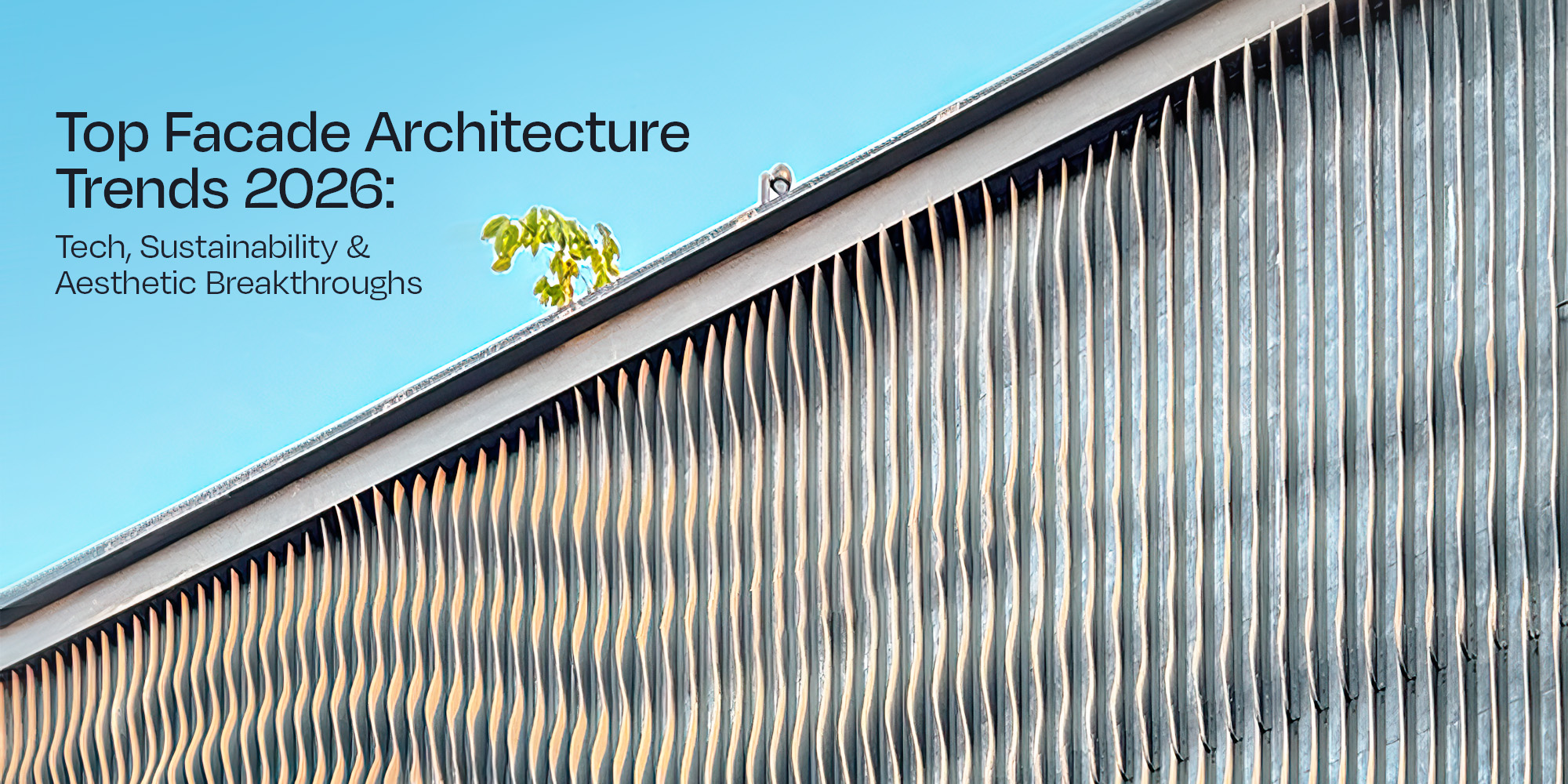
The skyline of 2026 is a testament to the fact that the building envelope has finally moved beyond being a static barrier. Today, facade architecture trends 2026 focus on high-performance skins that act as a building’s nervous system - sensing environmental changes and responding in real-time. From carbon-neutral materials to AI-driven geometries, modern building facade innovations are redefining the relationship between urban structures and the natural world.
Minimalist & Mixed Material Facade Aesthetics for Modern Architecture in 2026
In 2026, architecture has mostly moved past the era of the cold, all-glass box. In its place, we’re seeing a much more thoughtful and tactile approach to how we design our building exteriors. Architects are now leaning into sleek building exteriors that focus on "Warm Minimalism" - a style that keeps lines sharp and clean but adds rich, organic textures so the building doesn't feel clinical. One of the standout mixed materials facade trends this year is the use of a curated, high-contrast palette. Instead of sticking to just one material, designers are creating minimalistic facade designs by pairing ultra-matte aluminum panels with warmer elements like natural stone, charred timber, or earthy terracotta. This layering does more than just look good; it gives the building a sense of character and makes these modern structures feel like they actually belong in their surroundings. A big part of this shift is the focus on textured facade surfaces. In 2026, texture isn’t just for decoration, it’s actually a functional choice. These varied surfaces, whether they are perforated metal panels or 3D-carved stone, create tiny micro-shadows. These shadows help break up heat absorption and naturally cool the building’s outer skin. It gives the building a living quality, where the look of the walls actually changes and shifts as the sun moves throughout the day. At the end of the day, minimalism in 2026 is all about "hidden complexity." We’re seeing frames and joints become virtually invisible, which creates a sharp, uninterrupted silhouette. This allows for a seamless look that lets in a massive amount of natural light while keeping the building’s profile crisp and clean.
Parametric Facade Design 2026: 3D Geometry & Mass Customization
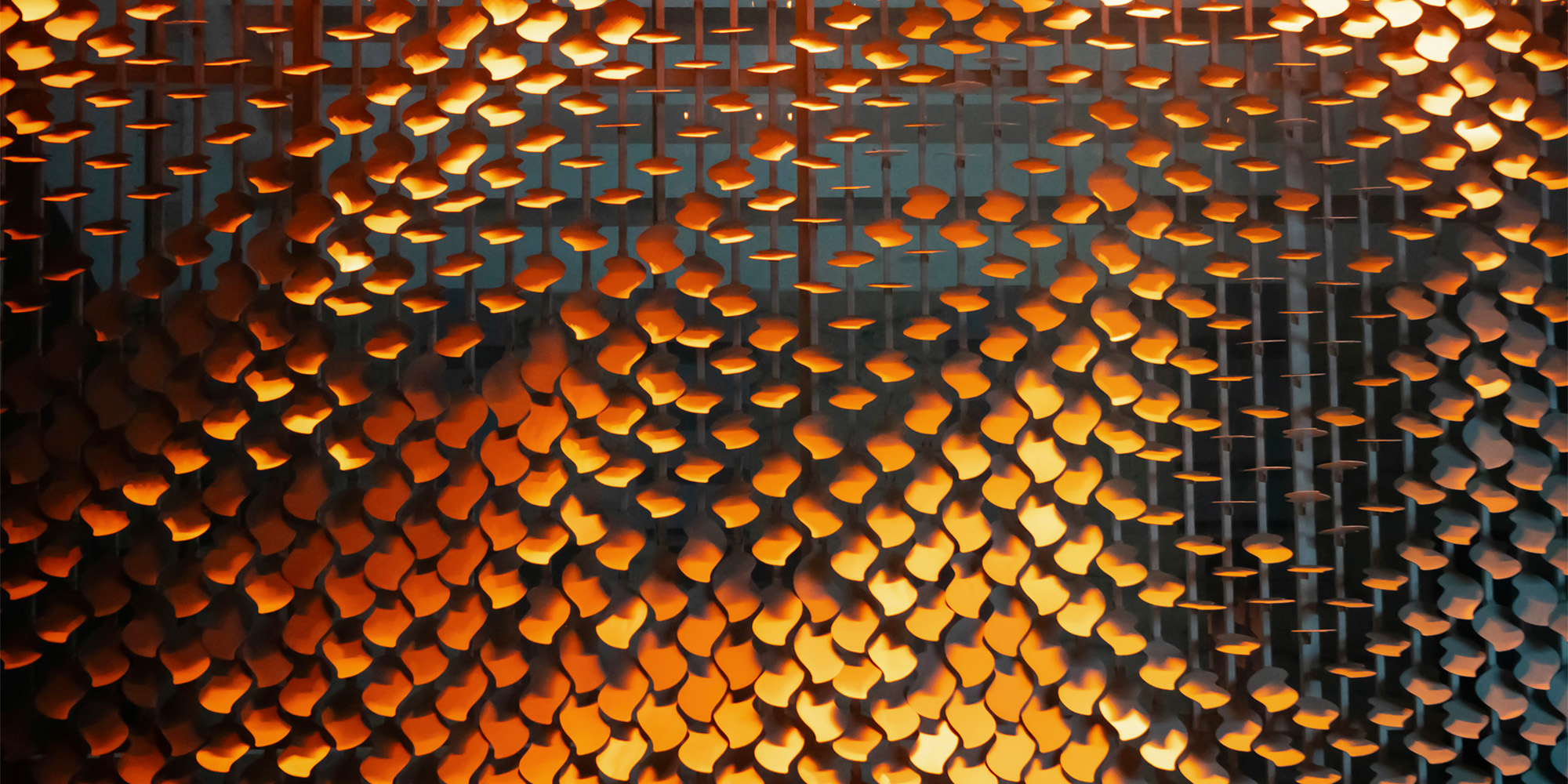
We’ve entered the era of digital facade fabrication, where we no longer have to settle for "one-size-fits-all" panels. Instead, we’re using advanced software to dictate the exact shape and performance of a building’s outer skin. In the past, this level of detail was only possible for world-famous museums, but
Sustainable Facade Renovation & Retrofit Trends in 2026
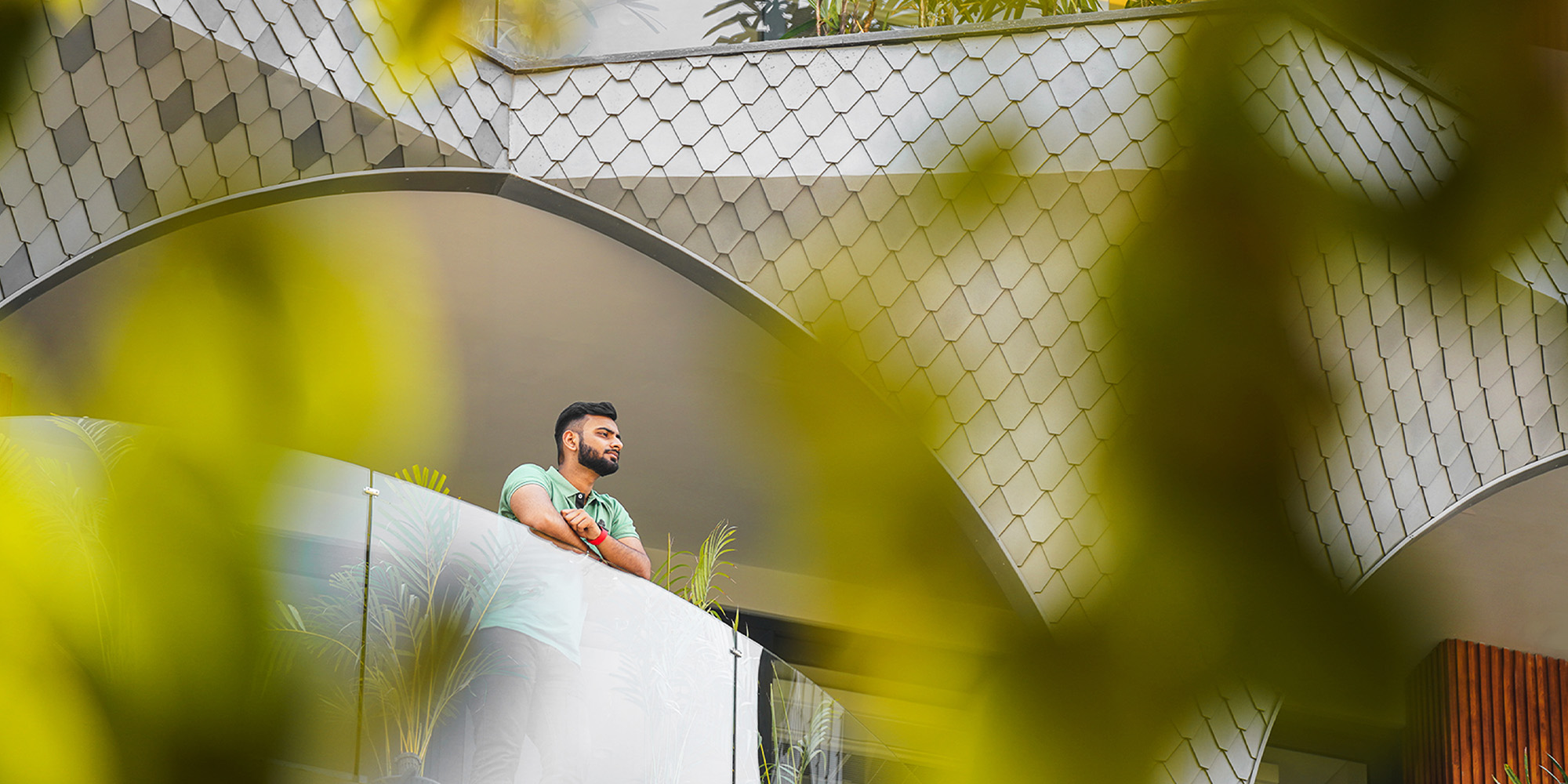
Since nearly 80% of the buildings we’ll be using in 2050 are already standing today, the real challenge for architects isn't just building new, it’s fixing what we have. This has turned modern metal cladding retrofit systems into one of the most exciting growth areas in the industry. It’s no longer about a simple coat of paint; it’s about a complete high-tech makeover for the structure's outer skin. We’re currently seeing a massive wave of urban facade transformation, specifically through "over-cladding." This is where a new, high-performance skin is built directly over a tired, inefficient 20th-century building. This kind of existing building facade innovation is a total game-changer because it allows for a complete thermal and aesthetic reboot without the cost or waste of tearing the whole thing down. When it comes to the "Adaptive Reuse" movement, like turning an old textile factory into luxury lofts, the outer walls are the primary tool for that transition. Modern adaptive reuse facade strategies often involve carving out new recessed balconies or swapping out solid masonry for high-performance "smart glass" modules. It’s about keeping the history of the building alive while making it livable for 2026 standards. One of the coolest trends right now is the "Second Skin" approach. In this scenario, a new, transparent layer is added to the outside of an existing building. This creates a thermal buffer zone that helps the structure breathe naturally and slashes energy costs by keeping the interior temperature stable. It’s a smart, non-invasive way to bring an old building into the future.
FAQ's:-
1. What is parametric facade design and how does it impact modern buildings?
Parametric facade design uses computer algorithms to create complex, non-linear shapes that traditional methods just can't handle. Instead of a flat wall, you get a "smart" surface that responds to its environment. It impacts buildings by perfectly balancing looks with logic, optimizing every panel to block the hot afternoon sun while letting in natural light. It turns a building’s outer skin into a high-performance tool that slashes energy bills and creates a one-of-a-kind architectural identity.
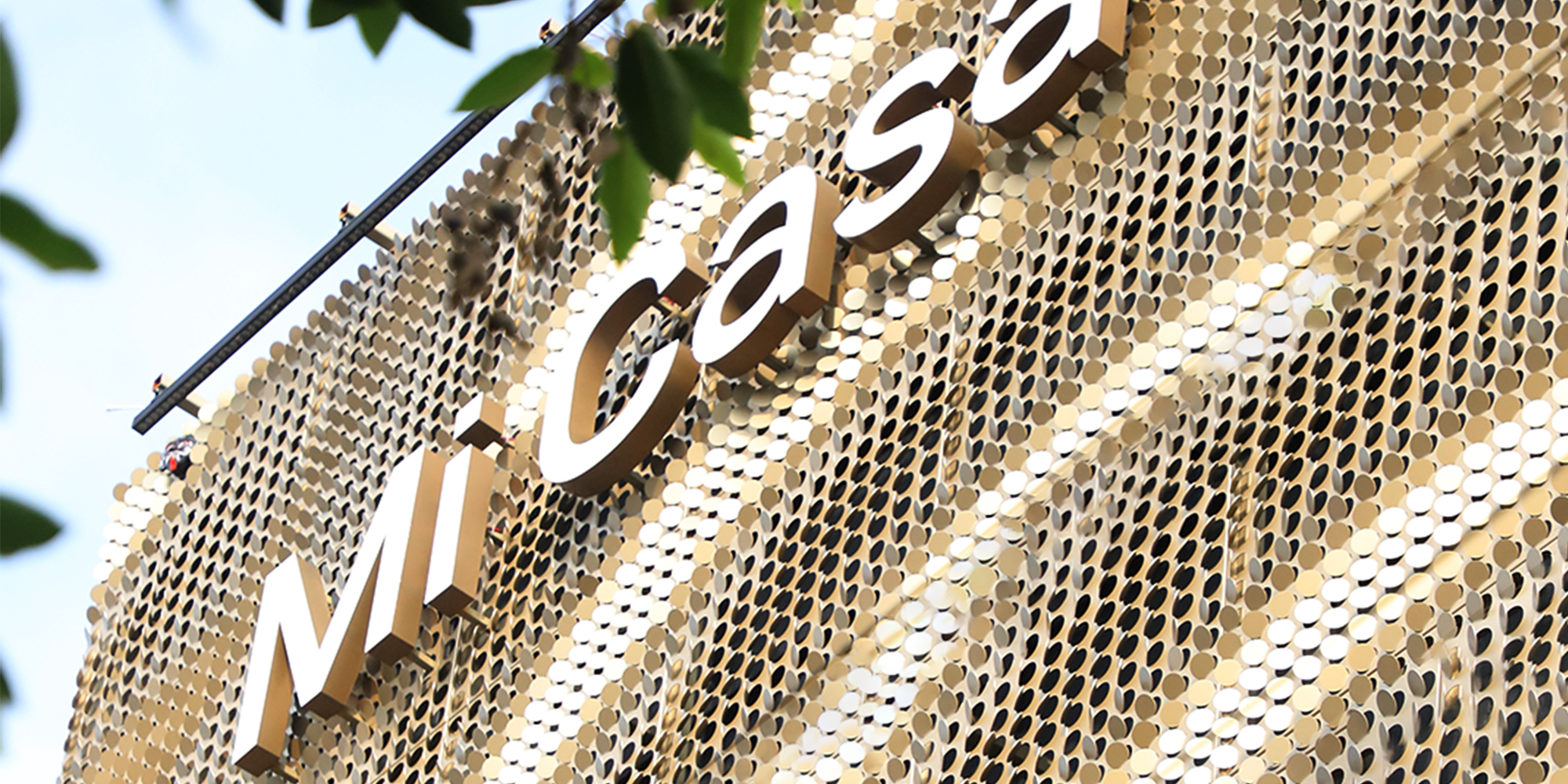
2. How can facade systems generate renewable energy in 2026?
We’ve moved past just bolting solar panels onto roofs. Today, we use Building-Integrated Photovoltaics (BIPV), where the actual glass or metal cladding are the solar cells. These systems turn the entire surface of a building into a vertical power plant. Even windows can now be "transparent solar glass," harvesting energy from invisible light waves without blocking your view. It’s a seamless way for a structure to produce its own clean electricity on-site.
3. What are the best practices for facade renovation & retrofit in sustainable architecture?
The best approach starts with a "fabric first" strategy, improving the existing structure's airtightness and insulation before adding fancy tech. Best practices include urban facade transformation via over-cladding, which wraps old buildings in a high-performance second skin to stop energy leaks. Designers also use adaptive reuse facade strategies to breathe new life into old warehouses, swapping out drafty windows for smart glass and adding natural ventilation loops. It’s about making an old building perform like a brand-new one.
12-02-26 | Industry Trends
The skyline of 2026 is a testament to the fact that the building envelope has finally moved beyond being a static barrier. Today, facade architecture trends 2026 focus on high-performance skins that act as a building’s nervous system - sensing environmental changes and responding in real-time. From carbon-neutral materials to AI-driven geometries, modern building facade innovations are redefining the relationship between urban structures and the natural world.
Minimalist & Mixed Material Facade Aesthetics for Modern Architecture in 2026
In 2026, architecture has mostly moved past the era of the cold, all-glass box. In its place, we’re seeing a much more thoughtful and tactile approach to how we design our building exteriors. Architects are now leaning into sleek building exteriors that focus on "Warm Minimalism" - a style that keeps lines sharp and clean but adds rich, organic textures so the building doesn't feel clinical. One of the standout mixed materials facade trends this year is the use of a curated, high-contrast palette. Instead of sticking to just one material, designers are creating minimalistic facade designs by pairing ultra-matte aluminum panels with warmer elements like natural stone, charred timber, or earthy terracotta. This layering does more than just look good; it gives the building a sense of character and makes these modern structures feel like they actually belong in their surroundings. A big part of this shift is the focus on textured facade surfaces. In 2026, texture isn’t just for decoration, it’s actually a functional choice. These varied surfaces, whether they are perforated metal panels or 3D-carved stone, create tiny micro-shadows. These shadows help break up heat absorption and naturally cool the building’s outer skin. It gives the building a living quality, where the look of the walls actually changes and shifts as the sun moves throughout the day. At the end of the day, minimalism in 2026 is all about "hidden complexity." We’re seeing frames and joints become virtually invisible, which creates a sharp, uninterrupted silhouette. This allows for a seamless look that lets in a massive amount of natural light while keeping the building’s profile crisp and clean.
Parametric Facade Design 2026: 3D Geometry & Mass Customization
We’ve entered the era of digital facade fabrication, where we no longer have to settle for "one-size-fits-all" panels. Instead, we’re using advanced software to dictate the exact shape and performance of a building’s outer skin. In the past, this level of detail was only possible for world-famous museums, but
Sustainable Facade Renovation & Retrofit Trends in 2026
Since nearly 80% of the buildings we’ll be using in 2050 are already standing today, the real challenge for architects isn't just building new, it’s fixing what we have. This has turned modern metal cladding retrofit systems into one of the most exciting growth areas in the industry. It’s no longer about a simple coat of paint; it’s about a complete high-tech makeover for the structure's outer skin. We’re currently seeing a massive wave of urban facade transformation, specifically through "over-cladding." This is where a new, high-performance skin is built directly over a tired, inefficient 20th-century building. This kind of existing building facade innovation is a total game-changer because it allows for a complete thermal and aesthetic reboot without the cost or waste of tearing the whole thing down. When it comes to the "Adaptive Reuse" movement, like turning an old textile factory into luxury lofts, the outer walls are the primary tool for that transition. Modern adaptive reuse facade strategies often involve carving out new recessed balconies or swapping out solid masonry for high-performance "smart glass" modules. It’s about keeping the history of the building alive while making it livable for 2026 standards. One of the coolest trends right now is the "Second Skin" approach. In this scenario, a new, transparent layer is added to the outside of an existing building. This creates a thermal buffer zone that helps the structure breathe naturally and slashes energy costs by keeping the interior temperature stable. It’s a smart, non-invasive way to bring an old building into the future.
FAQ's:-
1. What is parametric facade design and how does it impact modern buildings?
Parametric facade design uses computer algorithms to create complex, non-linear shapes that traditional methods just can't handle. Instead of a flat wall, you get a "smart" surface that responds to its environment. It impacts buildings by perfectly balancing looks with logic, optimizing every panel to block the hot afternoon sun while letting in natural light. It turns a building’s outer skin into a high-performance tool that slashes energy bills and creates a one-of-a-kind architectural identity.
2. How can facade systems generate renewable energy in 2026?
We’ve moved past just bolting solar panels onto roofs. Today, we use Building-Integrated Photovoltaics (BIPV), where the actual glass or metal cladding are the solar cells. These systems turn the entire surface of a building into a vertical power plant. Even windows can now be "transparent solar glass," harvesting energy from invisible light waves without blocking your view. It’s a seamless way for a structure to produce its own clean electricity on-site.
3. What are the best practices for facade renovation & retrofit in sustainable architecture?
The best approach starts with a "fabric first" strategy, improving the existing structure's airtightness and insulation before adding fancy tech. Best practices include urban facade transformation via over-cladding, which wraps old buildings in a high-performance second skin to stop energy leaks. Designers also use adaptive reuse facade strategies to breathe new life into old warehouses, swapping out drafty windows for smart glass and adding natural ventilation loops. It’s about making an old building perform like a brand-new one.
Related Articles
Why Aluminium Cladding Is the Future of Facade Design in Indian Architecture
India’s architecture is evolving - faster, smarter, and more performance-driven than ever before. As cities grow and climates shift, the facade is no longer just an exterior skin. It’s a functional envelope that must adapt, protect, and express.
12-09-25 | Industry Trends
Parametric Architecture in India: Why It’s Shaping the Future of Facade Design
Architecture is evolving - and with it, the language of the façade. At the heart of this evolution lies a powerful design philosophy: parametric architecture.
03-11-25 | Industry Trends
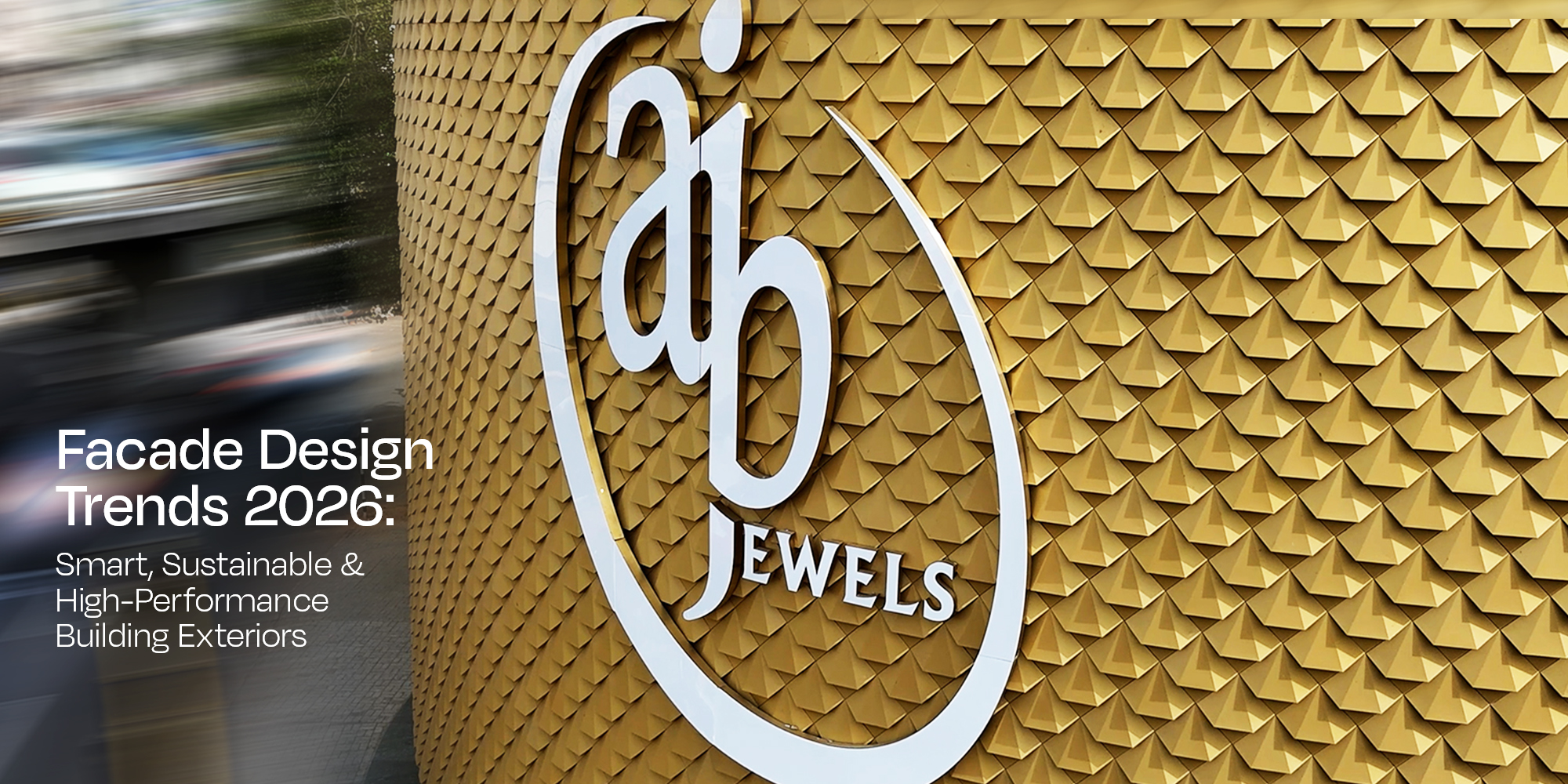
Facade Design Trends 2026 Smart Sustainable and High-Performance Building Exteriors
The building envelope is undergoing a radical transformation. No longer just a 'skin,' it is now a performance-driven asset that breathes and adapts
23-02-26 | Industry Trends
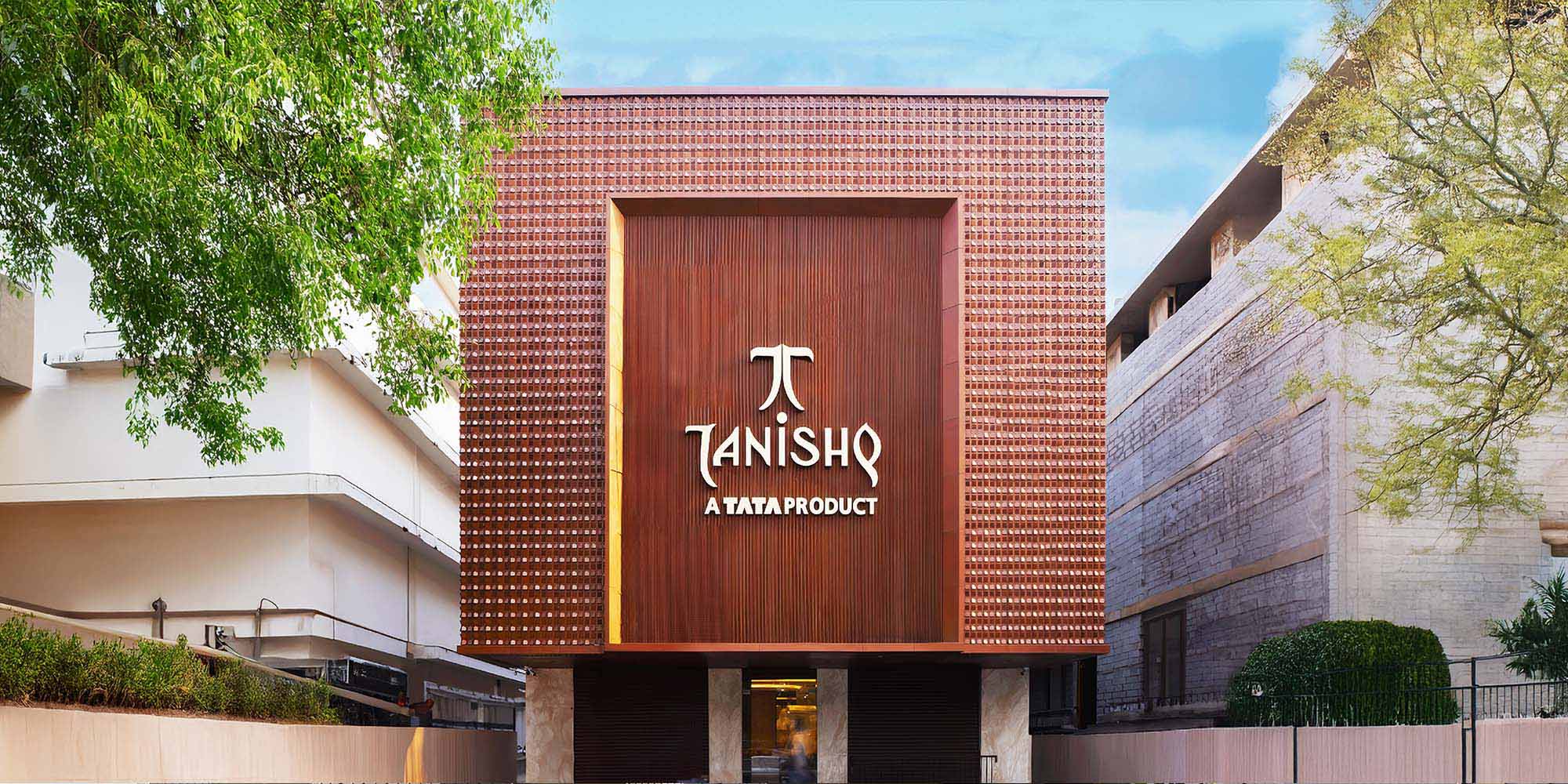
Architecture as Branding: Why Commercial Elevation Design Matters for Business
In the world of retail and business, your building is your biggest billboard. Before a customer ever speaks to a salesperson or sees a product, they see your facade.
10-03-26 | Industry Trends
Social
Legal
Privacy Policy|Terms & Conditions