





Sustainable Metal Facades: How India's Architecture Is Going Green in 2026
11-07-26 | Sustainability
Key Takeaways
• India's green building sector crossed 15.74 billion square feet of certified footprint in 2026, with over 19,000 IGBC-registered projects delivering annual savings of 66.4 billion units of energy and 53.1 million tonnes of CO2 reduction. India now holds the second-largest green building footprint in the world by total certified area. IGBC NB v4.0 became mandatory from May 2026. In this market, sustainable facade specification is not optional. • India's construction sector accounts for approximately 17% of national greenhouse gas emissions and 33% of electricity consumption. The facade determines solar heat gain, embodies significant material carbon, and determines maintenance cycling over decades. It is one of the highest-leverage sustainability specification decisions in any building project. • Sustainable metal facades are distinct from green-certified facades (Blog #35 covered IGBC and LEED credits) — this guide focuses on the ESG, supply chain, and material science dimensions of sustainability that are driving corporate developer briefs in 2026. • Metaguise's sustainable product line covers the full sustainability brief: PVDF-coated aluminium with recycled content specification, MetaFin solar control for operational energy reduction, MetaCoin biophilic screens, and complete IGBC, GRIHA, and LEED documentation including EPDs on request.
India's Sustainability Push in Construction: The 2026 Context
India's green building movement has crossed from aspiration into infrastructure. The country's certified green building footprint crossed 15.74 billion square feet in 2026, with over 19,000 IGBC-registered projects now delivering annual energy savings of 66.4 billion units and reducing 53.1 million tonnes of CO2 each year. India holds the second-largest green building footprint in the world by total certified area. And from May 2026, IGBC's NB v4.0 became the mandatory certification standard for all new projects, replacing Version 3 with stricter performance thresholds across energy, materials, and site categories. Three forces are accelerating this transition: regulatory requirements through ECBC and BEE star ratings, corporate ESG mandates from GCC tenants requiring IGBC or LEED certification as a lease condition, and capital market pressure from REITs and institutional real estate funds. In this environment, the sustainable facade is not a design aspiration. It is a procurement requirement.
Aluminium: The Most Recyclable Facade Material
Aluminium's sustainability case begins with its recycling chemistry. Unlike steel (which loses quality through each recycle cycle) or glass (which requires chemical reprocessing to recycle), aluminium retains 100% of its material properties when recycled. Recycling aluminium requires approximately 5% of the energy required to produce primary aluminium from bauxite ore — a 95% energy saving that makes the recycled aluminium supply chain one of the lowest-carbon material pathways in global construction. The commercial aluminium alloys used in Metaguise's facade panel systems contain 50–70% recycled aluminium content as standard. For projects where higher recycled content is a specification requirement corporate ESG briefs or LEED MRc4 credit targets — Metaguise can specify alloys with documented recycled content profiles above 70%. Embodied Carbon vs Operational Carbon A complete sustainability assessment of a facade material considers both embodied carbon (the carbon emitted during material extraction, processing, fabrication, and installation) and operational carbon (the carbon emitted by the building's energy systems throughout its operational life, partially determined by the facade's thermal performance). For aluminium, the embodied carbon of primary production is relatively high — but when recycled content is specified and the 30–50 year design life is accounted for (eliminating 3–6 repainting or replacement cycles that stone or painted masonry would require), the whole-life embodied carbon of a PVDF aluminium facade is consistently lower than alternatives.
Cool Roof and Facade Insulation Strategies
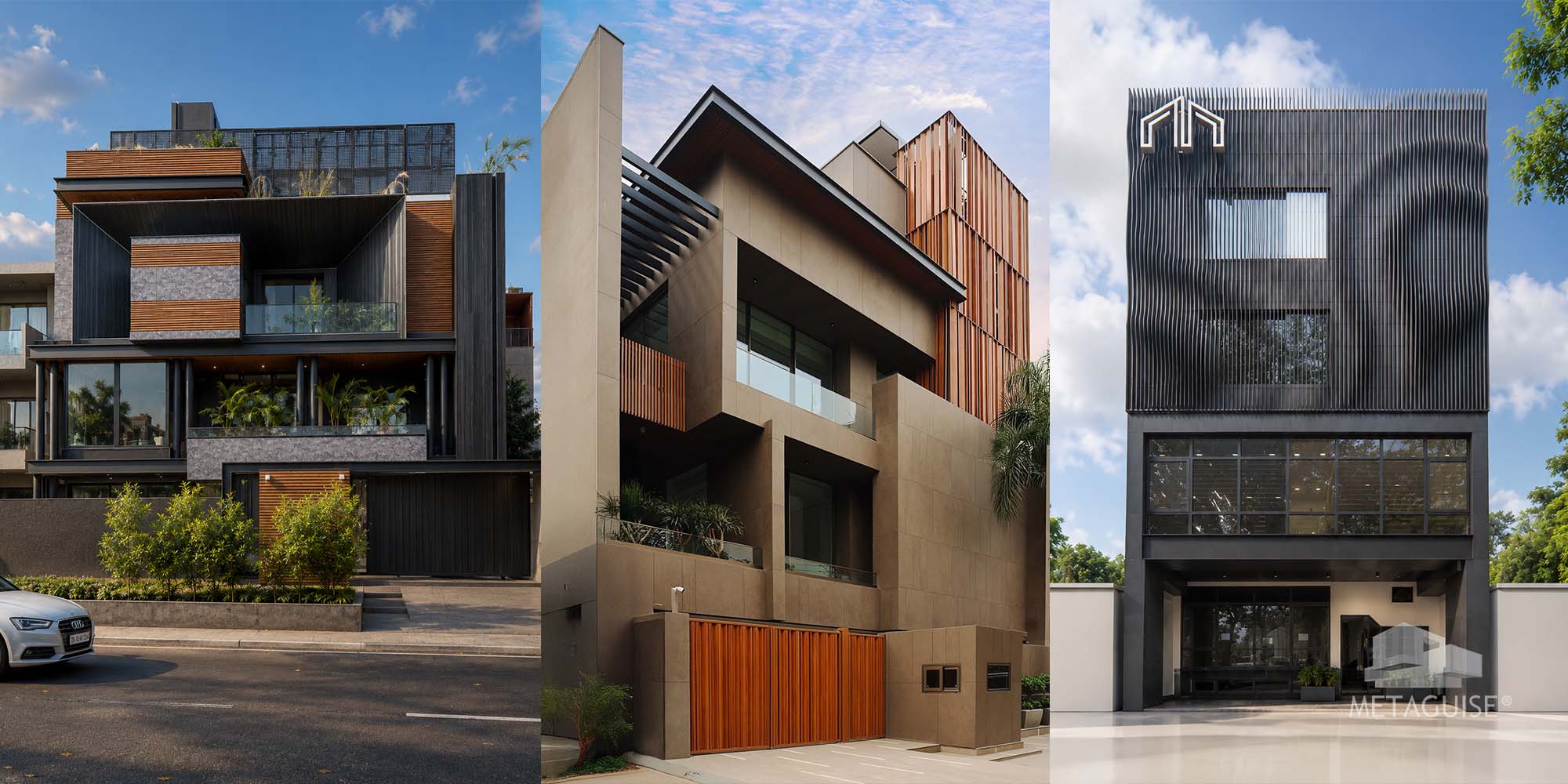
High-SRI Facade Surfaces: The Passive Cooling Contribution PVDF-coated aluminium in light colours achieves Solar Reflectance Index (SRI) values of 80–95 among the highest of any opaque cladding material. On south and west-facing facades in India's hot climate zones (Delhi NCR, Ahmedabad, Rajasthan, Hyderabad), high-SRI facade surfaces reflect the majority of solar radiation before it can be absorbed and transmitted to the building interior. For a typical commercial office building in Ahmedabad with significant south and west-facing facade area, high-SRI PVDF cladding can reduce facade-transmitted solar heat gain by a measurable margin relative to dark or absorptive cladding, translating directly into reduced mechanical cooling demand and lower operational energy. Ventilated Rainscreen: The Thermal Buffer Metaguise's ventilated rainscreen configuration, the standard installation approach for all systems — creates a thermally active wall assembly. The ventilated air cavity between panel face and structural wall carries away solar-heated air before it can conduct through to the wall and into the interior, providing passive thermal buffering that reduces the solar energy reaching the structural wall by a measurable factor relative to direct-fixed cladding. This ventilated cavity contribution to the facade's thermal resistance (R-value) can be included in the building's energy model for IGBC and LEED energy performance credit calculations. MetaFin Solar Control: The Active Energy Efficiency Strategy MetaFin architectural fins on glazed facade zones are the most direct facade contribution to reducing the building's operational energy — creating calculated shadow zones during peak solar hours that reduce the solar heat gain coefficient (SHGC) of the glazing, lowering cooling load and improving occupant thermal comfort. For corporate office buildings in Hyderabad and NCR pursuing ECBC compliance or IGBC certification, MetaFin fin specifications developed with energy modelling integration can make the difference between a baseline energy performance rating and an optimised one.
Certifications: IGBC, GRIHA, LEED — How Metaguise Supports Each
IGBC (Indian Green Building Council) IGBC is India's most widely adopted green building rating system, with over 19,700 registered projects in 2026. Metaguise's facade systems contribute to IGBC credits in the Materials (recycled content, regional materials, low-VOC finishes), Energy (solar shading performance), and Site (heat island reduction) categories. Metaguise provides the material documentation , recycled content certificates, SRI test data, VOC emission test data required for IGBC submission. GRIHA (Green Rating for Integrated Habitat Assessment) GRIHA is the national green building rating system developed by TERI and endorsed by the Indian government used primarily for government buildings and public sector projects. GRIHA's Material Resource Management criteria assess recycled content and regional material sourcing; its Energy Performance criteria assess solar control and envelope thermal performance. Metaguise's documentation package for GRIHA projects covers the same material data as IGBC, formatted for GRIHA's specific submission requirements. LEED (Leadership in Energy and Environmental Design) LEED India — managed by GBCI, is the international green building standard used by multinational corporations, institutional investors, and commercial developers building to international ESG standards. Metaguise's contribution to LEED credits is detailed in Blog #35 of this series, covering energy performance (EAc1), materials (MRc4, MRc5), daylighting (IEQc8), heat island (SSc7), and low-VOC (IEQc4) categories.
Certifications: IGBC, GRIHA, LEED — How Metaguise Supports Each
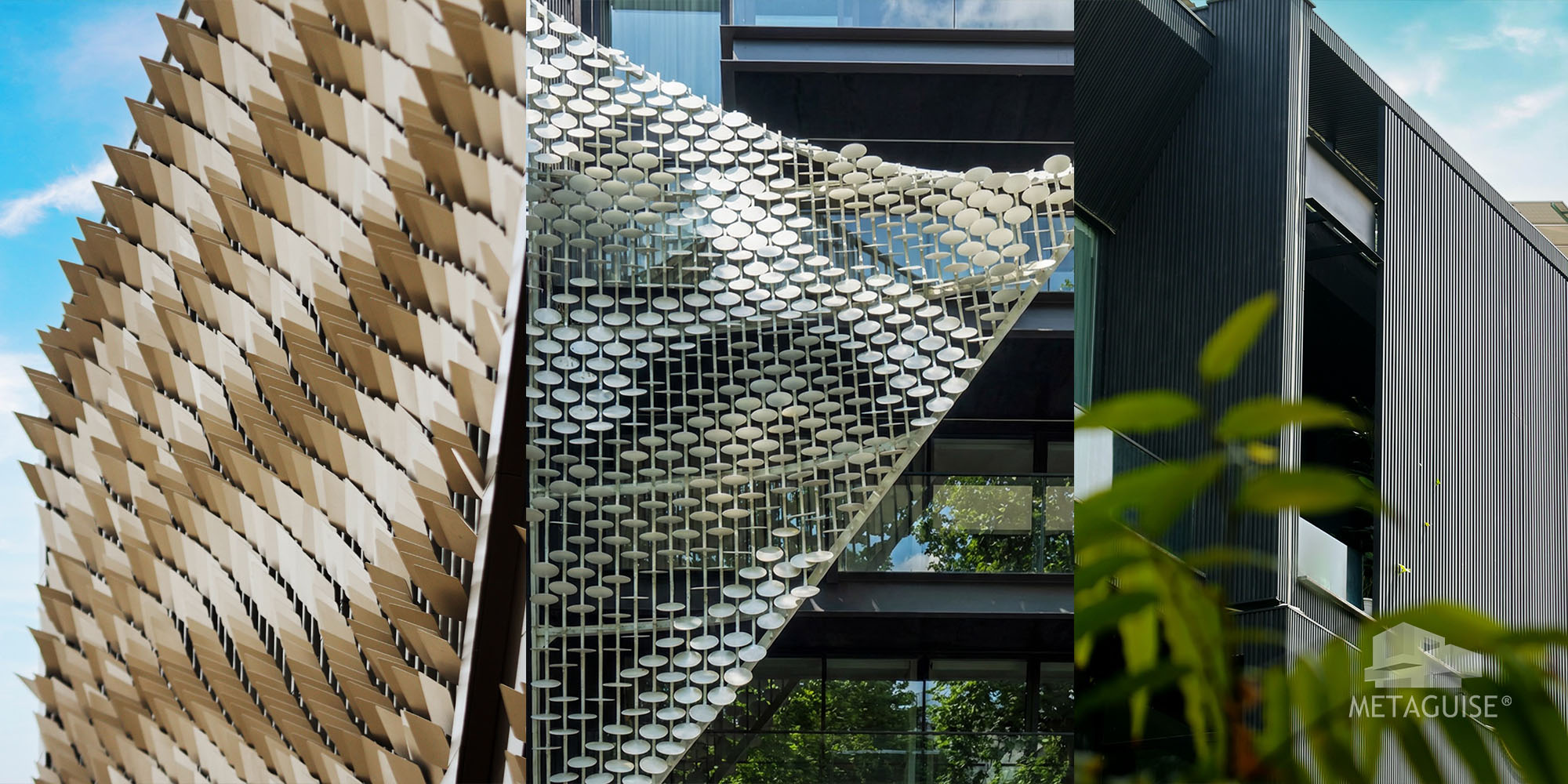
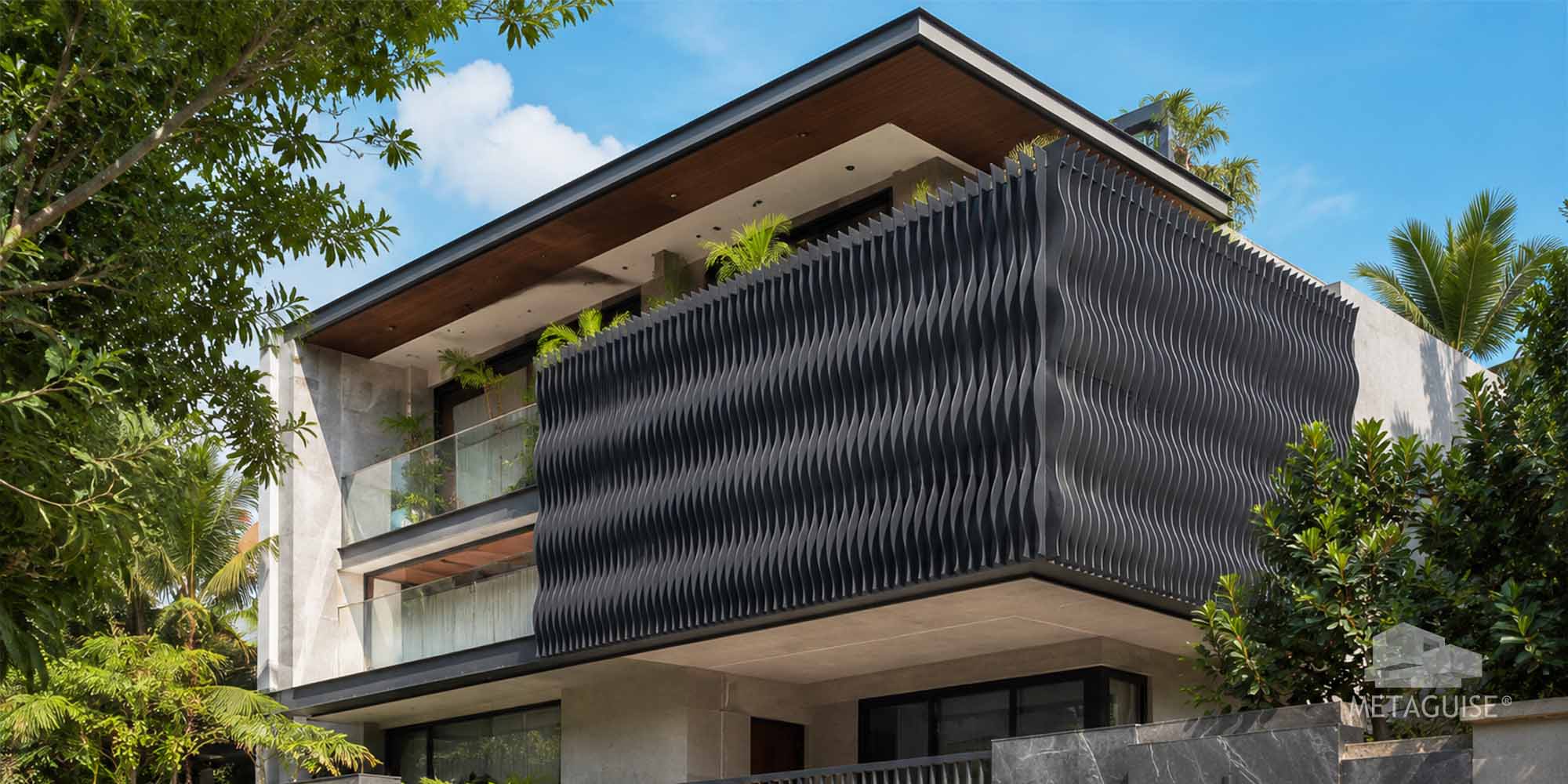
Standard PVDF-Coated Aluminium with Recycled Content All Metaguise MetaForm systems (MetaFlute, MetaCassette, SolidPanel, MetaShingles) are fabricated from solid aluminium with PVDF MetaSurface coating materials that combine 50–70% recycled content, factory-applied low-VOC finishing, A1 fire rating, and 30–50 year design life with no repainting or replacement cycling. This is the baseline sustainable specification for every Metaguise project. MetaFin Solar Control System MetaFin architectural fins are Metaguise's most direct energy-efficiency product, reducing solar heat gain through glazed facade zones and contributing directly to IGBC, GRIHA, and LEED energy performance credits. Available in anodised aluminium for coastal ESG-sensitive projects. MetaCoin Biophilic Screen Systems MetaCoin perforated screens integrated with climbing plants support biophilic design strategies that reduce the urban heat island effect, improve occupant wellbeing (contributing to IGBC and LEED IEQ credits), and create living facade systems that sequester carbon through their planting substrate. MetaCorten Weathering Steel Finish MetaCorten PVDF on aluminium delivers the zero-maintenance, zero-repainting performance of weathering steel in a fully recyclable aluminium substrate — combining the embodied carbon benefits of aluminium recyclability with the operational sustainability of a maintenance-free facade system.
Frequently Asked Questions
1.Is aluminium a sustainable material — isn't primary aluminium production very energy-intensive?
Primary aluminium production is energy-intensive this is accurate. However, the sustainability case for aluminium facade panels in 2026 is based on the recycled supply chain, not primary production. Commercial facade aluminium contains 50–70% recycled aluminium, which requires approximately 5% of the energy of primary production. The remaining 30–50% primary content is increasingly sourced from hydropower-powered smelters. When the full lifecycle is considered — high recycled content, 30–50 year design life, and 100% recyclability at end of life — the whole-life carbon of aluminium facade panels is consistently favourable relative to materials that require replacement or repainting every 5–15 years.2. Can Metaguise provide embodied carbon documentation for ESG reporting?
Yes. For projects where embodied carbon documentation is required for ESG reporting, developer sustainability reports, or LEED/IGBC lifecycle assessment credits, Metaguise can provide material Environmental Product Declarations (EPDs) or equivalent data for the aluminium alloys and PVDF coatings used in the specified system. Contact Metaguise's specification team with the documentation format required for your project's ESG reporting framework.3.What is the difference between a sustainable facade and a green-certified facade?
A green-certified facade has been formally assessed by an IGBC, LEED, or GRIHA accredited professional and earns specific credits under the relevant rating system. A sustainable facade is designed and specified with sustainability principles: recycled content, low VOC, high SRI, solar control, long design life but may not have formal certification. All Metaguise facades are inherently sustainable (recycled aluminium, PVDF, ventilated rainscreen, long design life); certification converts that inherent sustainability into documented, verified, and rated credits that are commercially valuable for the developer. The two are complementary, not mutually exclusive.4.Does Metaguise offset the carbon from its fabrication process?
Metaguise's in-house CNC fabrication produces precision-cut panels with minimal material waste relative to site-fabrication alternatives the precision cutting process produces documented material use efficiency. For projects where the developer's sustainability programme requires supply chain carbon documentation, Metaguise can provide manufacturing process data including energy use and waste generation from the fabrication process. Broader carbon offset programmes are a commercial decision for each developer; Metaguise provides the data to support them.11-07-26 | Sustainability
Key Takeaways
• India's green building sector crossed 15.74 billion square feet of certified footprint in 2026, with over 19,000 IGBC-registered projects delivering annual savings of 66.4 billion units of energy and 53.1 million tonnes of CO2 reduction. India now holds the second-largest green building footprint in the world by total certified area. IGBC NB v4.0 became mandatory from May 2026. In this market, sustainable facade specification is not optional. • India's construction sector accounts for approximately 17% of national greenhouse gas emissions and 33% of electricity consumption. The facade determines solar heat gain, embodies significant material carbon, and determines maintenance cycling over decades. It is one of the highest-leverage sustainability specification decisions in any building project. • Sustainable metal facades are distinct from green-certified facades (Blog #35 covered IGBC and LEED credits) — this guide focuses on the ESG, supply chain, and material science dimensions of sustainability that are driving corporate developer briefs in 2026. • Metaguise's sustainable product line covers the full sustainability brief: PVDF-coated aluminium with recycled content specification, MetaFin solar control for operational energy reduction, MetaCoin biophilic screens, and complete IGBC, GRIHA, and LEED documentation including EPDs on request.
India's Sustainability Push in Construction: The 2026 Context
India's green building movement has crossed from aspiration into infrastructure. The country's certified green building footprint crossed 15.74 billion square feet in 2026, with over 19,000 IGBC-registered projects now delivering annual energy savings of 66.4 billion units and reducing 53.1 million tonnes of CO2 each year. India holds the second-largest green building footprint in the world by total certified area. And from May 2026, IGBC's NB v4.0 became the mandatory certification standard for all new projects, replacing Version 3 with stricter performance thresholds across energy, materials, and site categories. Three forces are accelerating this transition: regulatory requirements through ECBC and BEE star ratings, corporate ESG mandates from GCC tenants requiring IGBC or LEED certification as a lease condition, and capital market pressure from REITs and institutional real estate funds. In this environment, the sustainable facade is not a design aspiration. It is a procurement requirement.
Aluminium: The Most Recyclable Facade Material
Aluminium's sustainability case begins with its recycling chemistry. Unlike steel (which loses quality through each recycle cycle) or glass (which requires chemical reprocessing to recycle), aluminium retains 100% of its material properties when recycled. Recycling aluminium requires approximately 5% of the energy required to produce primary aluminium from bauxite ore — a 95% energy saving that makes the recycled aluminium supply chain one of the lowest-carbon material pathways in global construction. The commercial aluminium alloys used in Metaguise's facade panel systems contain 50–70% recycled aluminium content as standard. For projects where higher recycled content is a specification requirement corporate ESG briefs or LEED MRc4 credit targets — Metaguise can specify alloys with documented recycled content profiles above 70%. Embodied Carbon vs Operational Carbon A complete sustainability assessment of a facade material considers both embodied carbon (the carbon emitted during material extraction, processing, fabrication, and installation) and operational carbon (the carbon emitted by the building's energy systems throughout its operational life, partially determined by the facade's thermal performance). For aluminium, the embodied carbon of primary production is relatively high — but when recycled content is specified and the 30–50 year design life is accounted for (eliminating 3–6 repainting or replacement cycles that stone or painted masonry would require), the whole-life embodied carbon of a PVDF aluminium facade is consistently lower than alternatives.
Cool Roof and Facade Insulation Strategies
High-SRI Facade Surfaces: The Passive Cooling Contribution PVDF-coated aluminium in light colours achieves Solar Reflectance Index (SRI) values of 80–95 among the highest of any opaque cladding material. On south and west-facing facades in India's hot climate zones (Delhi NCR, Ahmedabad, Rajasthan, Hyderabad), high-SRI facade surfaces reflect the majority of solar radiation before it can be absorbed and transmitted to the building interior. For a typical commercial office building in Ahmedabad with significant south and west-facing facade area, high-SRI PVDF cladding can reduce facade-transmitted solar heat gain by a measurable margin relative to dark or absorptive cladding, translating directly into reduced mechanical cooling demand and lower operational energy. Ventilated Rainscreen: The Thermal Buffer Metaguise's ventilated rainscreen configuration, the standard installation approach for all systems — creates a thermally active wall assembly. The ventilated air cavity between panel face and structural wall carries away solar-heated air before it can conduct through to the wall and into the interior, providing passive thermal buffering that reduces the solar energy reaching the structural wall by a measurable factor relative to direct-fixed cladding. This ventilated cavity contribution to the facade's thermal resistance (R-value) can be included in the building's energy model for IGBC and LEED energy performance credit calculations. MetaFin Solar Control: The Active Energy Efficiency Strategy MetaFin architectural fins on glazed facade zones are the most direct facade contribution to reducing the building's operational energy — creating calculated shadow zones during peak solar hours that reduce the solar heat gain coefficient (SHGC) of the glazing, lowering cooling load and improving occupant thermal comfort. For corporate office buildings in Hyderabad and NCR pursuing ECBC compliance or IGBC certification, MetaFin fin specifications developed with energy modelling integration can make the difference between a baseline energy performance rating and an optimised one.
Certifications: IGBC, GRIHA, LEED — How Metaguise Supports Each
IGBC (Indian Green Building Council) IGBC is India's most widely adopted green building rating system, with over 19,700 registered projects in 2026. Metaguise's facade systems contribute to IGBC credits in the Materials (recycled content, regional materials, low-VOC finishes), Energy (solar shading performance), and Site (heat island reduction) categories. Metaguise provides the material documentation , recycled content certificates, SRI test data, VOC emission test data required for IGBC submission. GRIHA (Green Rating for Integrated Habitat Assessment) GRIHA is the national green building rating system developed by TERI and endorsed by the Indian government used primarily for government buildings and public sector projects. GRIHA's Material Resource Management criteria assess recycled content and regional material sourcing; its Energy Performance criteria assess solar control and envelope thermal performance. Metaguise's documentation package for GRIHA projects covers the same material data as IGBC, formatted for GRIHA's specific submission requirements. LEED (Leadership in Energy and Environmental Design) LEED India — managed by GBCI, is the international green building standard used by multinational corporations, institutional investors, and commercial developers building to international ESG standards. Metaguise's contribution to LEED credits is detailed in Blog #35 of this series, covering energy performance (EAc1), materials (MRc4, MRc5), daylighting (IEQc8), heat island (SSc7), and low-VOC (IEQc4) categories.
Certifications: IGBC, GRIHA, LEED — How Metaguise Supports Each
Standard PVDF-Coated Aluminium with Recycled Content All Metaguise MetaForm systems (MetaFlute, MetaCassette, SolidPanel, MetaShingles) are fabricated from solid aluminium with PVDF MetaSurface coating materials that combine 50–70% recycled content, factory-applied low-VOC finishing, A1 fire rating, and 30–50 year design life with no repainting or replacement cycling. This is the baseline sustainable specification for every Metaguise project. MetaFin Solar Control System MetaFin architectural fins are Metaguise's most direct energy-efficiency product, reducing solar heat gain through glazed facade zones and contributing directly to IGBC, GRIHA, and LEED energy performance credits. Available in anodised aluminium for coastal ESG-sensitive projects. MetaCoin Biophilic Screen Systems MetaCoin perforated screens integrated with climbing plants support biophilic design strategies that reduce the urban heat island effect, improve occupant wellbeing (contributing to IGBC and LEED IEQ credits), and create living facade systems that sequester carbon through their planting substrate. MetaCorten Weathering Steel Finish MetaCorten PVDF on aluminium delivers the zero-maintenance, zero-repainting performance of weathering steel in a fully recyclable aluminium substrate — combining the embodied carbon benefits of aluminium recyclability with the operational sustainability of a maintenance-free facade system.
Frequently Asked Questions
1.Is aluminium a sustainable material — isn't primary aluminium production very energy-intensive?
Primary aluminium production is energy-intensive this is accurate. However, the sustainability case for aluminium facade panels in 2026 is based on the recycled supply chain, not primary production. Commercial facade aluminium contains 50–70% recycled aluminium, which requires approximately 5% of the energy of primary production. The remaining 30–50% primary content is increasingly sourced from hydropower-powered smelters. When the full lifecycle is considered — high recycled content, 30–50 year design life, and 100% recyclability at end of life — the whole-life carbon of aluminium facade panels is consistently favourable relative to materials that require replacement or repainting every 5–15 years.2. Can Metaguise provide embodied carbon documentation for ESG reporting?
Yes. For projects where embodied carbon documentation is required for ESG reporting, developer sustainability reports, or LEED/IGBC lifecycle assessment credits, Metaguise can provide material Environmental Product Declarations (EPDs) or equivalent data for the aluminium alloys and PVDF coatings used in the specified system. Contact Metaguise's specification team with the documentation format required for your project's ESG reporting framework.3.What is the difference between a sustainable facade and a green-certified facade?
A green-certified facade has been formally assessed by an IGBC, LEED, or GRIHA accredited professional and earns specific credits under the relevant rating system. A sustainable facade is designed and specified with sustainability principles: recycled content, low VOC, high SRI, solar control, long design life but may not have formal certification. All Metaguise facades are inherently sustainable (recycled aluminium, PVDF, ventilated rainscreen, long design life); certification converts that inherent sustainability into documented, verified, and rated credits that are commercially valuable for the developer. The two are complementary, not mutually exclusive.4.Does Metaguise offset the carbon from its fabrication process?
Metaguise's in-house CNC fabrication produces precision-cut panels with minimal material waste relative to site-fabrication alternatives the precision cutting process produces documented material use efficiency. For projects where the developer's sustainability programme requires supply chain carbon documentation, Metaguise can provide manufacturing process data including energy use and waste generation from the fabrication process. Broader carbon offset programmes are a commercial decision for each developer; Metaguise provides the data to support them.Related Articles
Metal is Metaguise: Why Metal is the Future of Sustainable Architecture
At Metaguise, metal isn’t just a material - it’s a mindset. It represents strength, precision, and progress. In a world where buildings must be more efficient, expressive, and enduring, metal facade systems are shaping the future of architecture..
03-04-25 | Sustainability
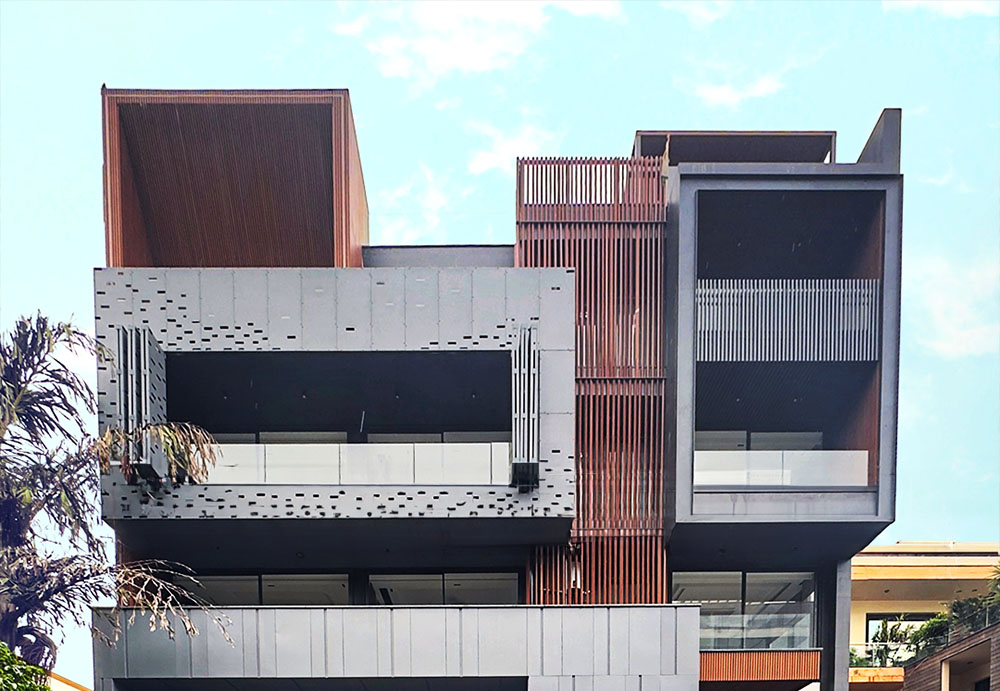
Sustainability Through Design: How Metal Facades Support Greener Architecture
A look at how aluminium and stainless steel contribute to low-waste, energy-efficient buildings.
28-11-25 | Sustainability
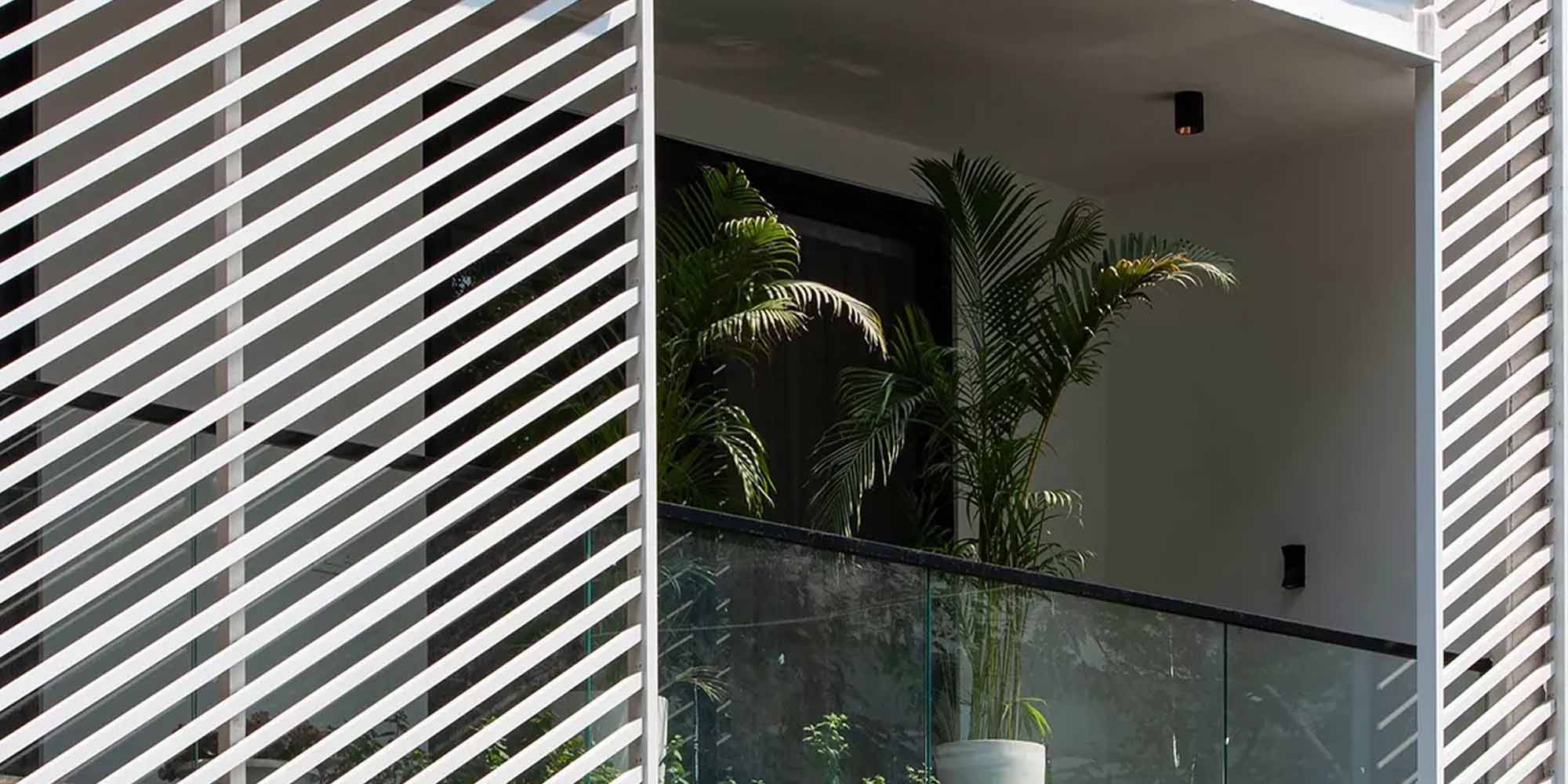
Architectural Resilience: Designing for the Indian Climate Extremes
India presents one of the most challenging environments in the world for facade architecture. We face what we call the Triple Threat extreme UV radiation, intense monsoon humidity, and high levels of urban pollution
25-02-26 | Sustainability
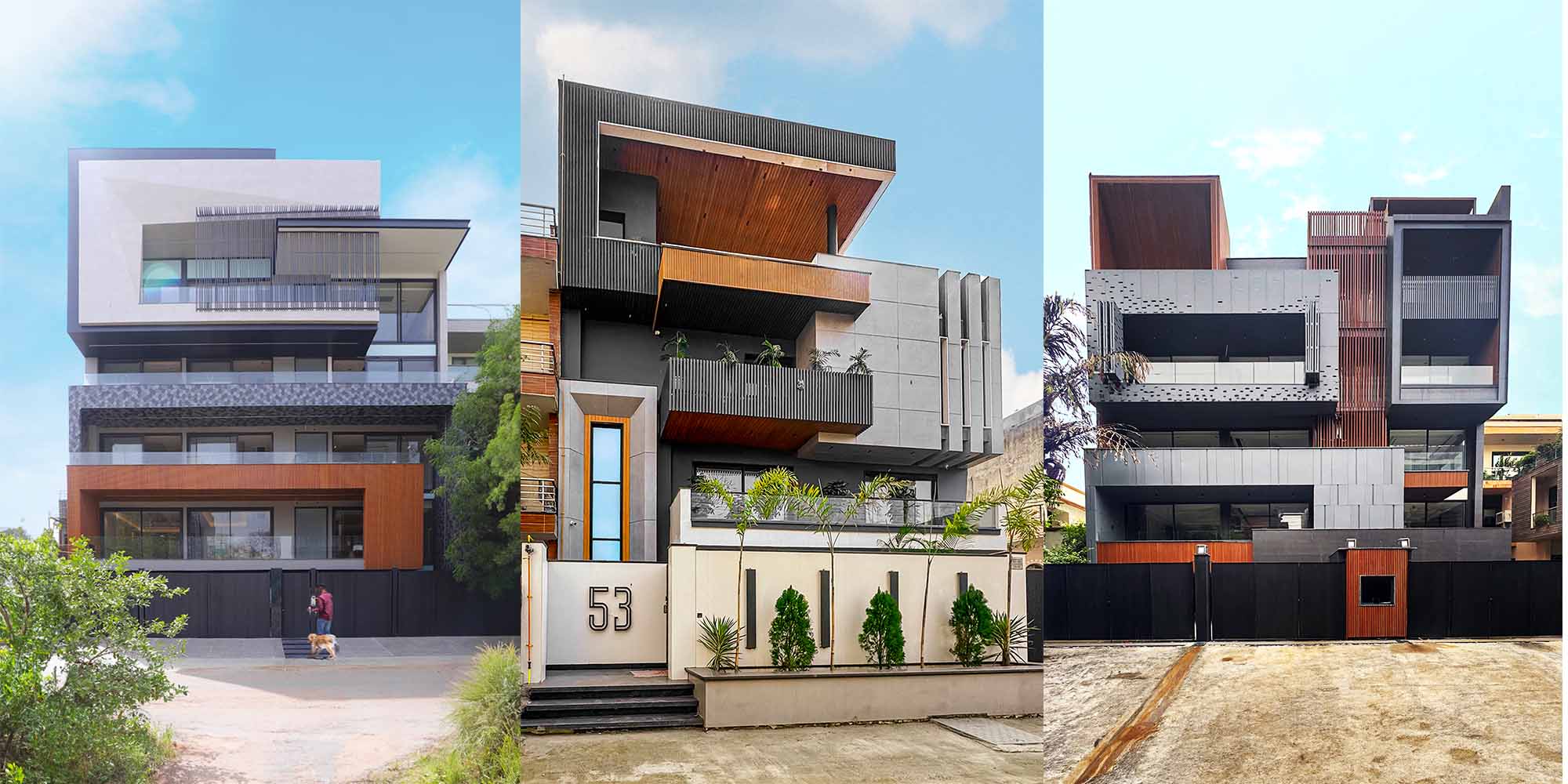
Metal Facade Systems For Coastal Homes in India: What Actually Survives Salt, Monsoon, and UV
Coastal architecture demands more than aesthetic ambition-it requires materials that can withstand the relentless choreography of salt spray, monsoon humidity
15-04-26 | Sustainability
Social
Legal
Privacy Policy|Terms & Conditions