





Sustainable Aluminium Facades: How Metal Cladding Cuts a Building’s Carbon Footprint
08-08-26 | Sustainability
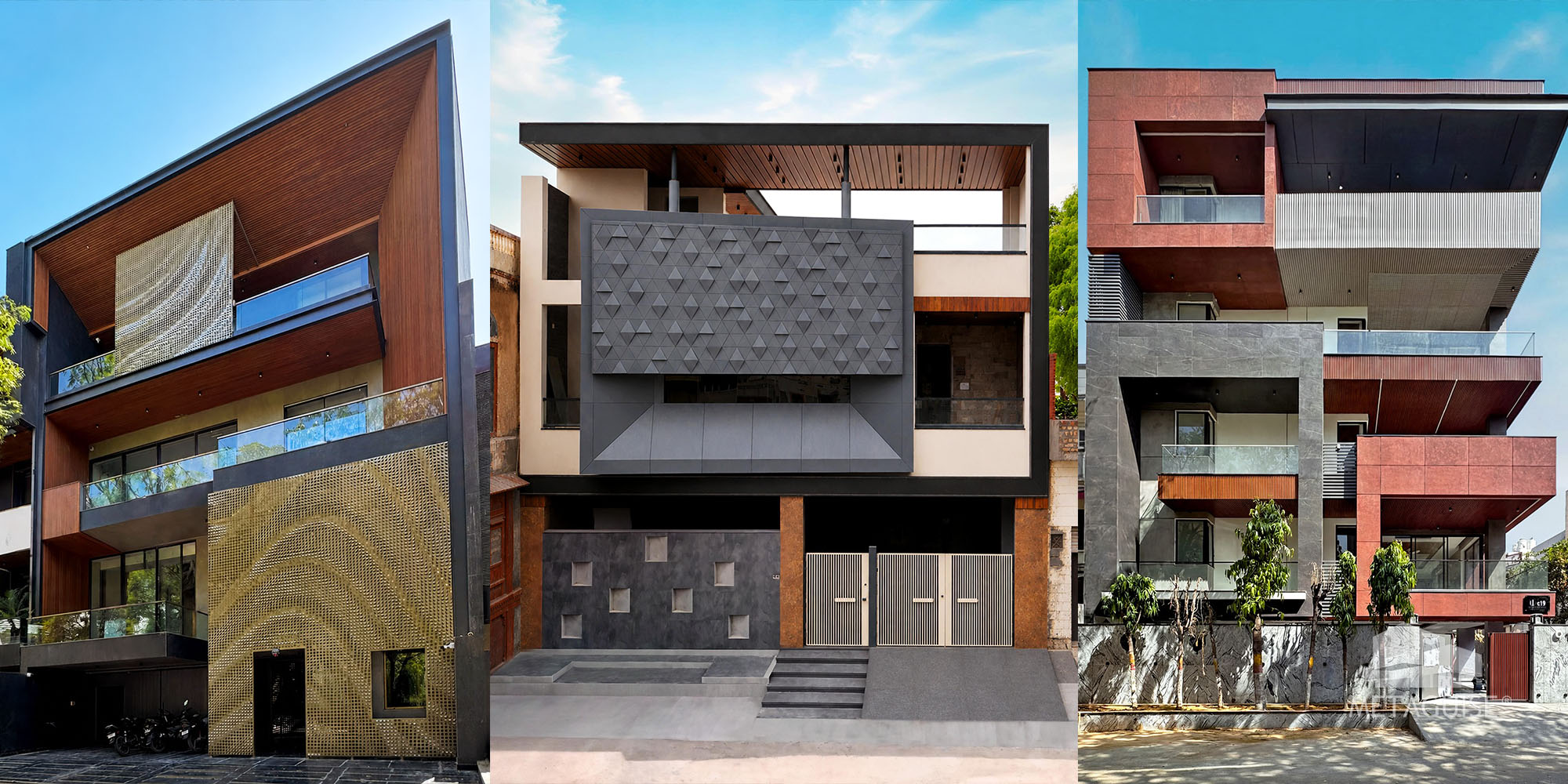
Sustainable aluminium facades are becoming a genuine specification priority for developers chasing green building certifications, not just a marketing line in a brochure. Aluminium earns this attention for two separate reasons: what it does to a building’s operating energy use once installed, and what happens to the material itself at the end of the building’s life. Both matter, and they’re often discussed separately when they should be evaluated together.
Recyclability that actually holds up
Aluminium is one of the most genuinely recyclable materials used in construction. Recycled aluminium retains essentially the same structural and performance properties as newly produced aluminium, which isn’t true of every recyclable building material, and recycling aluminium uses a small fraction of the energy required to produce new aluminium from raw ore. This means a facade specified in aluminium isn’t just avoidable landfill waste at end of life, it’s a genuine input into future production with minimal quality loss. For developers pursuing green certifications like IGBC or GRIHA, this recyclability profile is a meaningful, quantifiable contribution to a project’s overall material sustainability score, distinct from the facade’s operational energy performance.
Operational energy performance
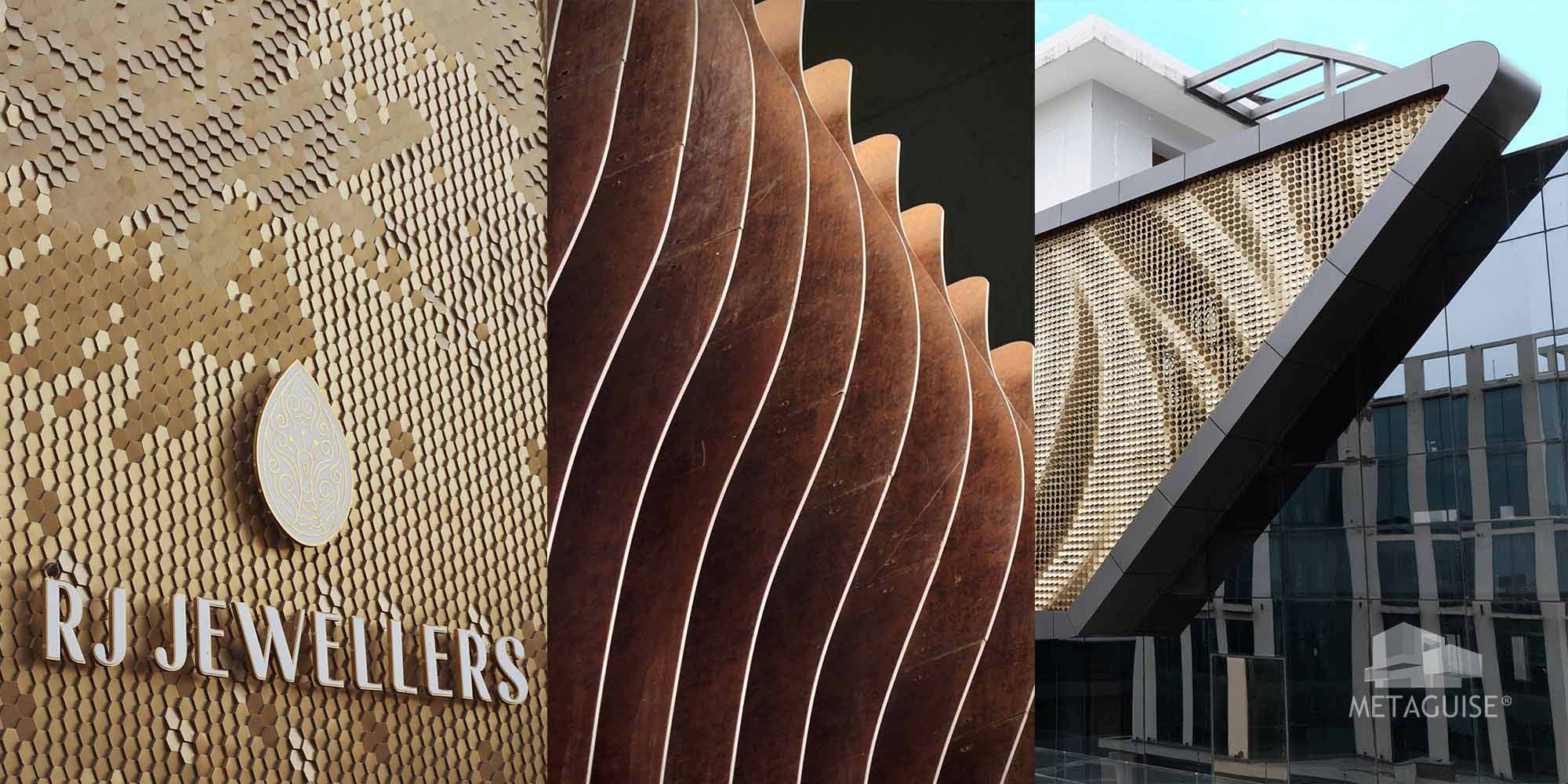
Beyond the material itself, a well-engineered aluminium facade system directly reduces a building’s ongoing energy consumption. Shading systems like our MetaFin architectural fins and MetaLouver systems cut solar heat gain on exposed elevations, which reduces the cooling load a building’s HVAC system has to carry, particularly on east and west-facing walls that see the harshest sun in the Indian climate. This operational reduction compounds over the building’s lifetime in a way the embodied carbon of the material itself doesn’t. A facade that reduces cooling energy use by a meaningful margin over twenty or thirty years of operation often has a larger total carbon impact than the emissions associated with producing the material in the first place.
Weight and transport efficiency
Aluminium’s light weight relative to its strength isn’t just a structural convenience, it’s a genuine sustainability factor. Lighter facade panels mean lighter transport loads from fabrication facility to site, which reduces the emissions associated with logistics compared to heavier cladding materials covering the same building area. This is a smaller factor than recyclability or operational performance, but it adds up across a large project.
Finish choices affect long-term sustainability too
The finish specified on an aluminium panel affects how long it performs before replacement is needed, which matters for lifecycle sustainability. A durable, UV-stable finish like PVDF coating that holds its appearance and protective properties for decades reduces the likelihood of premature facade replacement, compared to a lower-grade finish that degrades faster and drives earlier material turnover.
Sustainable design goes beyond the material
Choosing aluminium is only part of a genuinely sustainable facade approach. The system also needs to be engineered around the building’s actual orientation and solar exposure to deliver real shading performance, rather than applying a generic shading pattern that doesn’t correspond to where the sun actually hits the building. This is where working with a facade partner who models solar performance specifically for your site, rather than applying a standard design, makes a measurable difference to the sustainability outcome.
What to ask for in a sustainability-focused facade brief
Ask your facade partner for the recycled content percentage available in the aluminium being specified, since this varies by supplier and affects the embodied carbon calculation. Ask whether the shading design has been modelled against your building’s specific solar exposure or applied as a standard pattern. And ask about finish durability and expected lifespan, since a facade that needs early replacement undermines its own sustainability case regardless of the base material’s recyclability.
Frequently Asked Questions
1.Is aluminium actually more sustainable than other facade materials?
Aluminium’s high recyclability with minimal quality loss, combined with its light weight and strong energy performance when used for shading, makes it one of the stronger sustainability choices among common facade metals.2.How much energy does recycling aluminium actually save?
Recycling aluminium requires significantly less energy than producing new aluminium from raw ore, and recycled aluminium retains essentially the same performance properties, making it a genuinely efficient material to reuse.3.Does a sustainable facade cost more than a standard one?
Not necessarily. The material cost difference is often minimal, while the design and engineering effort to properly model solar performance for your specific site is what determines both sustainability outcomes and long-term energy savings.4.Can an aluminium facade help with green building certification?
Yes, aluminium’s recyclability and its contribution to reduced operational energy use through shading are both factors that can support certifications like IGBC or GRIHA, depending on the specific credit criteria being pursued.5.What matters more for sustainability, the material or the design?
Both matter, but a facade only delivers meaningful sustainability performance when the shading design is engineered around the building’s actual orientation. A sustainable material with a generic design underperforms a well-modelled system.Plan a sustainability-focused facade
If your project has sustainability or certification goals, talk to our design team about a facade approach modelled specifically around your building’s orientation and energy performance targets.
08-08-26 | Sustainability
Sustainable aluminium facades are becoming a genuine specification priority for developers chasing green building certifications, not just a marketing line in a brochure. Aluminium earns this attention for two separate reasons: what it does to a building’s operating energy use once installed, and what happens to the material itself at the end of the building’s life. Both matter, and they’re often discussed separately when they should be evaluated together.
Recyclability that actually holds up
Aluminium is one of the most genuinely recyclable materials used in construction. Recycled aluminium retains essentially the same structural and performance properties as newly produced aluminium, which isn’t true of every recyclable building material, and recycling aluminium uses a small fraction of the energy required to produce new aluminium from raw ore. This means a facade specified in aluminium isn’t just avoidable landfill waste at end of life, it’s a genuine input into future production with minimal quality loss. For developers pursuing green certifications like IGBC or GRIHA, this recyclability profile is a meaningful, quantifiable contribution to a project’s overall material sustainability score, distinct from the facade’s operational energy performance.
Operational energy performance
Beyond the material itself, a well-engineered aluminium facade system directly reduces a building’s ongoing energy consumption. Shading systems like our MetaFin architectural fins and MetaLouver systems cut solar heat gain on exposed elevations, which reduces the cooling load a building’s HVAC system has to carry, particularly on east and west-facing walls that see the harshest sun in the Indian climate. This operational reduction compounds over the building’s lifetime in a way the embodied carbon of the material itself doesn’t. A facade that reduces cooling energy use by a meaningful margin over twenty or thirty years of operation often has a larger total carbon impact than the emissions associated with producing the material in the first place.
Weight and transport efficiency
Aluminium’s light weight relative to its strength isn’t just a structural convenience, it’s a genuine sustainability factor. Lighter facade panels mean lighter transport loads from fabrication facility to site, which reduces the emissions associated with logistics compared to heavier cladding materials covering the same building area. This is a smaller factor than recyclability or operational performance, but it adds up across a large project.
Finish choices affect long-term sustainability too
The finish specified on an aluminium panel affects how long it performs before replacement is needed, which matters for lifecycle sustainability. A durable, UV-stable finish like PVDF coating that holds its appearance and protective properties for decades reduces the likelihood of premature facade replacement, compared to a lower-grade finish that degrades faster and drives earlier material turnover.
Sustainable design goes beyond the material
Choosing aluminium is only part of a genuinely sustainable facade approach. The system also needs to be engineered around the building’s actual orientation and solar exposure to deliver real shading performance, rather than applying a generic shading pattern that doesn’t correspond to where the sun actually hits the building. This is where working with a facade partner who models solar performance specifically for your site, rather than applying a standard design, makes a measurable difference to the sustainability outcome.
What to ask for in a sustainability-focused facade brief
Ask your facade partner for the recycled content percentage available in the aluminium being specified, since this varies by supplier and affects the embodied carbon calculation. Ask whether the shading design has been modelled against your building’s specific solar exposure or applied as a standard pattern. And ask about finish durability and expected lifespan, since a facade that needs early replacement undermines its own sustainability case regardless of the base material’s recyclability.
Frequently Asked Questions
1.Is aluminium actually more sustainable than other facade materials?
Aluminium’s high recyclability with minimal quality loss, combined with its light weight and strong energy performance when used for shading, makes it one of the stronger sustainability choices among common facade metals.2.How much energy does recycling aluminium actually save?
Recycling aluminium requires significantly less energy than producing new aluminium from raw ore, and recycled aluminium retains essentially the same performance properties, making it a genuinely efficient material to reuse.3.Does a sustainable facade cost more than a standard one?
Not necessarily. The material cost difference is often minimal, while the design and engineering effort to properly model solar performance for your specific site is what determines both sustainability outcomes and long-term energy savings.4.Can an aluminium facade help with green building certification?
Yes, aluminium’s recyclability and its contribution to reduced operational energy use through shading are both factors that can support certifications like IGBC or GRIHA, depending on the specific credit criteria being pursued.5.What matters more for sustainability, the material or the design?
Both matter, but a facade only delivers meaningful sustainability performance when the shading design is engineered around the building’s actual orientation. A sustainable material with a generic design underperforms a well-modelled system.Plan a sustainability-focused facade
If your project has sustainability or certification goals, talk to our design team about a facade approach modelled specifically around your building’s orientation and energy performance targets.
Related Articles
Metal is Metaguise: Why Metal is the Future of Sustainable Architecture
At Metaguise, metal isn’t just a material - it’s a mindset. It represents strength, precision, and progress. In a world where buildings must be more efficient, expressive, and enduring, metal facade systems are shaping the future of architecture..
03-04-25 | Sustainability
Sustainability Through Design: How Metal Facades Support Greener Architecture
A look at how aluminium and stainless steel contribute to low-waste, energy-efficient buildings.
28-11-25 | Sustainability
Architectural Resilience: Designing for the Indian Climate Extremes
India presents one of the most challenging environments in the world for facade architecture. We face what we call the Triple Threat extreme UV radiation, intense monsoon humidity, and high levels of urban pollution
25-02-26 | Sustainability
Metal Facade Systems For Coastal Homes in India: What Actually Survives Salt, Monsoon, and UV
Coastal architecture demands more than aesthetic ambition-it requires materials that can withstand the relentless choreography of salt spray, monsoon humidity
15-04-26 | Sustainability
Social
Legal
Privacy Policy|Terms & Conditions