





Modern House Facade Design Trends for 2026
29-08-26 | Industry Trends
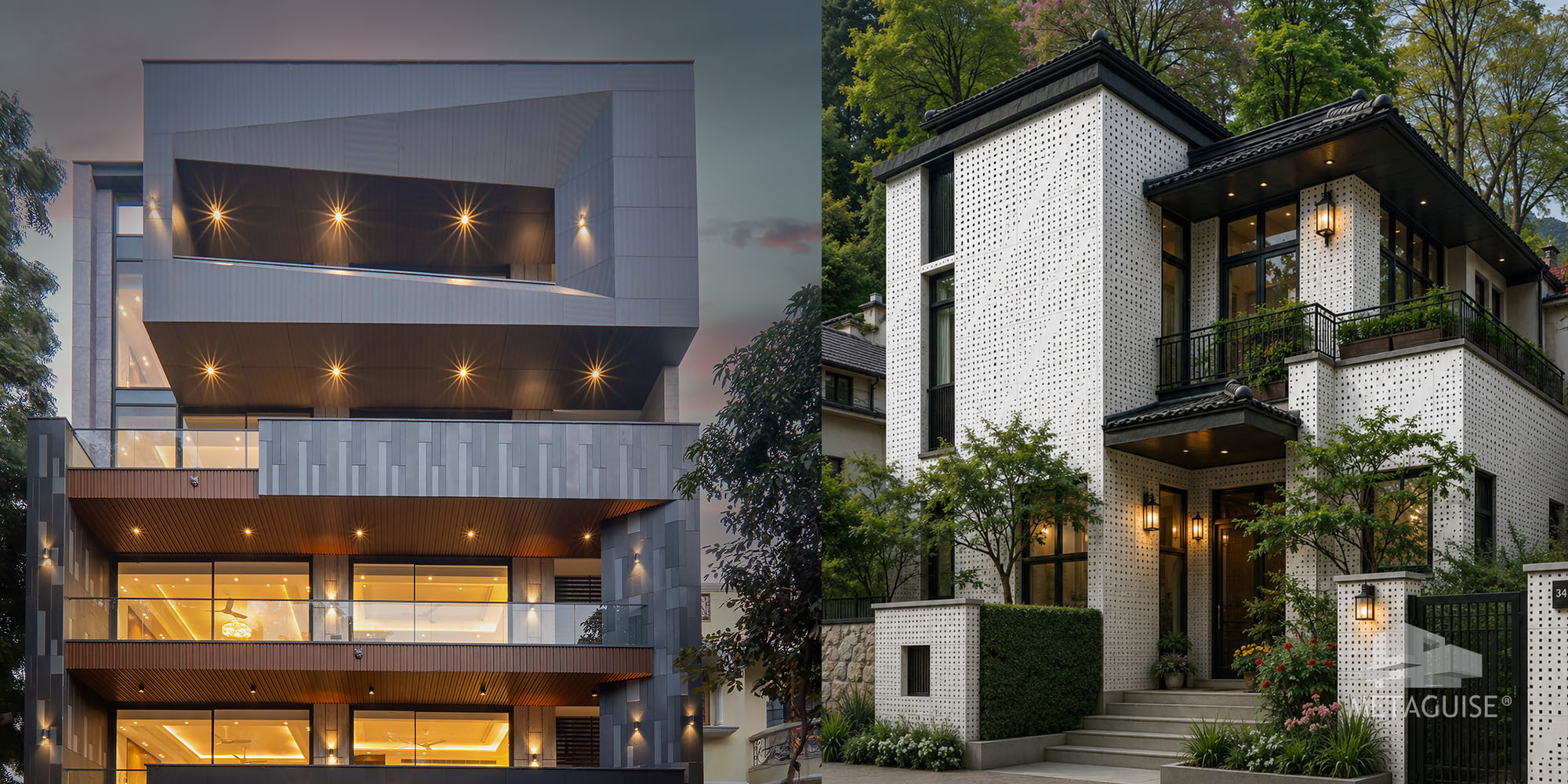
Modern house facade design has moved on from the stark, all-white, sharp-edged aesthetic that dominated Indian residential architecture a few years ago. Homeowners in 2026 are asking for something warmer, more textured, and more personal, while still keeping the clean lines and contemporary confidence that define modern design. Here's what's actually showing up in current house facade briefs, based on what homeowners across India are requesting right now.
Warmer material palettes are replacing stark white
The single clearest shift in house facade design this year is the move away from bright white render and cool grey stone toward warmer sand, taupe, and natural wood tones. This isn't purely an aesthetic preference, warm tones simply photograph and read better under India's intense natural light than stark white does, and they show dust and weathering considerably less visibly, a genuinely practical consideration in most Indian cities. Wood and wood-look cladding, whether real timber accents or a durable metal system finished to replicate timber's warmth, has become a defining feature of current house facades, typically used at the entrance or as a feature zone against a more neutral primary material.
Mixed material compositions over single flat surfaces
Homeowners are increasingly asking for facades that combine two or three complementary materials, metal cladding paired with stone or wood accents, rather than a single flat surface treatment across the entire front. This gives the elevation genuine depth and visual interest without needing an elaborate, highly patterned design, since the material contrast itself does most of the design work.
Vertical fins and shading elements as a design signature
Vertical fins have become one of the most recognisable design signatures on modern Indian house facades this year, doing double duty as both a strong architectural statement and genuine solar shading for east and west facing walls. This dual function, real performance benefit alongside a distinctive look, is a big part of why fins have become such a consistently requested element across current residential briefs.
Larger glazing paired with considered shading
Bigger windows and glass doors, bringing more natural light into homes and creating stronger indoor-outdoor connection, remain a strong trend, but increasingly paired with deliberate shading solutions, fins, overhangs, or louvers, rather than large glazing left fully exposed to direct sun. This pairing reflects a more mature approach to glazing than a few years ago, when large glass areas were sometimes specified without adequately planning for the heat gain that comes with them in India's climate.
Textured, matte finishes over high gloss
Matte and lightly textured finishes have clearly overtaken high-gloss surfaces in current house facade briefs, both for the tactile, considered quality they bring and because they hide dust and general weathering far more effectively than glossy surfaces do. This shift applies across materials, from stone and plaster finishes to the powder coat and PVDF finishes specified on metal cladding.
Perforated and jali elements as accent features
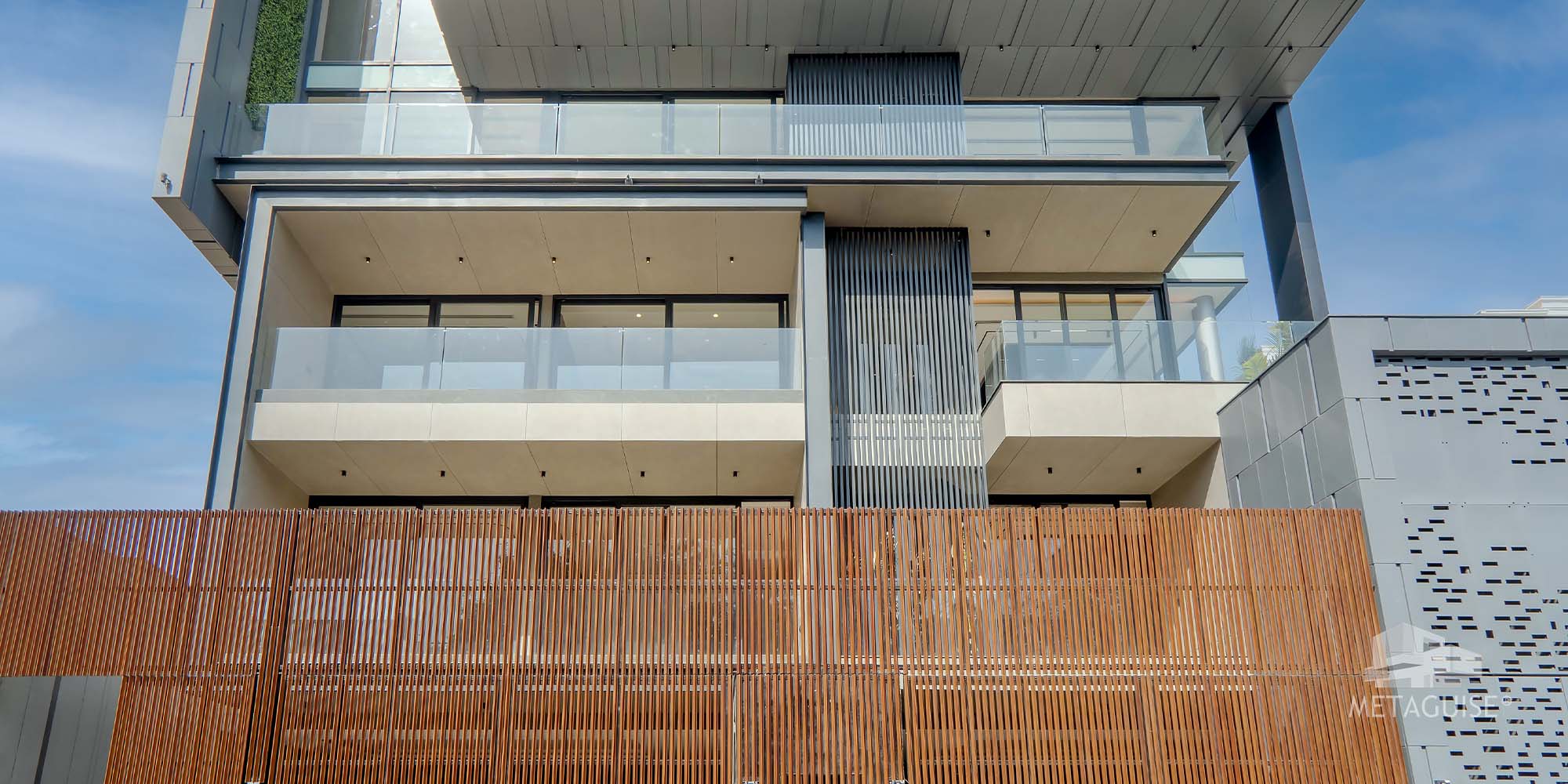
Rather than covering an entire facade, perforated panels and jali screens are increasingly used as defined accent features, over a car porch, a staircase, or a specific feature wall, adding pattern and light filtering exactly where it earns its place, without the cost and visual density of extending the treatment across the whole house front.
Strong entrance identity
The entrance has become a genuine design focus in its own right, often treated with a distinct material, a feature wall, or a considered lighting plan that sets it apart from the rest of the facade. This reflects a broader shift toward homes that feel personal and considered from the moment of arrival, rather than a uniformly treated front elevation with no clear focal point.
What these trends mean for planning your own facade
If you're planning a house facade renovation or new build in 2026, the strongest results are consistently coming from projects that combine two or three complementary materials rather than one flat surface, plan shading and glazing together rather than as separate decisions, and give the entrance its own considered design moment rather than treating the whole facade as one uniform treatment.
Frequently Asked Questions
1. What's the biggest house facade trend in India for 2026?
The clearest shift is toward warmer material palettes, sand, taupe, and natural wood tones, replacing the stark white and cool grey that dominated house facade design a few years ago.
2. Are vertical fins still popular for house facades in 2026?
Yes, vertical fins remain one of the most requested elements, valued for combining genuine solar shading performance with a strong, distinctive architectural look.
3. Should large glazing be paired with shading elements?
Yes, current trends favour large glazing paired deliberately with fins, overhangs, or louvers, rather than exposed glass left unshaded, reflecting a more considered approach to India's heat and light conditions.
4. Are glossy finishes still in style for house facades?
Matte and textured finishes have largely overtaken high gloss in current briefs, both for their tactile quality and because they show dust and weathering less visibly.
5. Is it worth designing the entrance separately from the rest of the facade?
Yes, giving the entrance a distinct material or feature treatment has become a strong trend, creating a clear focal point rather than a uniformly treated facade with no obvious highlight.
If you're planning a house facade update, talk to our design team about materials and ideas suited to your home and budget.
29-08-26 | Industry Trends
Modern house facade design has moved on from the stark, all-white, sharp-edged aesthetic that dominated Indian residential architecture a few years ago. Homeowners in 2026 are asking for something warmer, more textured, and more personal, while still keeping the clean lines and contemporary confidence that define modern design. Here's what's actually showing up in current house facade briefs, based on what homeowners across India are requesting right now.
Warmer material palettes are replacing stark white
The single clearest shift in house facade design this year is the move away from bright white render and cool grey stone toward warmer sand, taupe, and natural wood tones. This isn't purely an aesthetic preference, warm tones simply photograph and read better under India's intense natural light than stark white does, and they show dust and weathering considerably less visibly, a genuinely practical consideration in most Indian cities. Wood and wood-look cladding, whether real timber accents or a durable metal system finished to replicate timber's warmth, has become a defining feature of current house facades, typically used at the entrance or as a feature zone against a more neutral primary material.
Mixed material compositions over single flat surfaces
Homeowners are increasingly asking for facades that combine two or three complementary materials, metal cladding paired with stone or wood accents, rather than a single flat surface treatment across the entire front. This gives the elevation genuine depth and visual interest without needing an elaborate, highly patterned design, since the material contrast itself does most of the design work.
Vertical fins and shading elements as a design signature
Vertical fins have become one of the most recognisable design signatures on modern Indian house facades this year, doing double duty as both a strong architectural statement and genuine solar shading for east and west facing walls. This dual function, real performance benefit alongside a distinctive look, is a big part of why fins have become such a consistently requested element across current residential briefs.
Larger glazing paired with considered shading
Bigger windows and glass doors, bringing more natural light into homes and creating stronger indoor-outdoor connection, remain a strong trend, but increasingly paired with deliberate shading solutions, fins, overhangs, or louvers, rather than large glazing left fully exposed to direct sun. This pairing reflects a more mature approach to glazing than a few years ago, when large glass areas were sometimes specified without adequately planning for the heat gain that comes with them in India's climate.
Textured, matte finishes over high gloss
Matte and lightly textured finishes have clearly overtaken high-gloss surfaces in current house facade briefs, both for the tactile, considered quality they bring and because they hide dust and general weathering far more effectively than glossy surfaces do. This shift applies across materials, from stone and plaster finishes to the powder coat and PVDF finishes specified on metal cladding.
Perforated and jali elements as accent features
Rather than covering an entire facade, perforated panels and jali screens are increasingly used as defined accent features, over a car porch, a staircase, or a specific feature wall, adding pattern and light filtering exactly where it earns its place, without the cost and visual density of extending the treatment across the whole house front.
Strong entrance identity
The entrance has become a genuine design focus in its own right, often treated with a distinct material, a feature wall, or a considered lighting plan that sets it apart from the rest of the facade. This reflects a broader shift toward homes that feel personal and considered from the moment of arrival, rather than a uniformly treated front elevation with no clear focal point.
What these trends mean for planning your own facade
If you're planning a house facade renovation or new build in 2026, the strongest results are consistently coming from projects that combine two or three complementary materials rather than one flat surface, plan shading and glazing together rather than as separate decisions, and give the entrance its own considered design moment rather than treating the whole facade as one uniform treatment.
Frequently Asked Questions
1. What's the biggest house facade trend in India for 2026?
The clearest shift is toward warmer material palettes, sand, taupe, and natural wood tones, replacing the stark white and cool grey that dominated house facade design a few years ago.
2. Are vertical fins still popular for house facades in 2026?
Yes, vertical fins remain one of the most requested elements, valued for combining genuine solar shading performance with a strong, distinctive architectural look.
3. Should large glazing be paired with shading elements?
Yes, current trends favour large glazing paired deliberately with fins, overhangs, or louvers, rather than exposed glass left unshaded, reflecting a more considered approach to India's heat and light conditions.
4. Are glossy finishes still in style for house facades?
Matte and textured finishes have largely overtaken high gloss in current briefs, both for their tactile quality and because they show dust and weathering less visibly.
5. Is it worth designing the entrance separately from the rest of the facade?
Yes, giving the entrance a distinct material or feature treatment has become a strong trend, creating a clear focal point rather than a uniformly treated facade with no obvious highlight.
If you're planning a house facade update, talk to our design team about materials and ideas suited to your home and budget.
Related Articles
Why Aluminium Cladding Is the Future of Facade Design in Indian Architecture
India’s architecture is evolving - faster, smarter, and more performance-driven than ever before. As cities grow and climates shift, the facade is no longer just an exterior skin. It’s a functional envelope that must adapt, protect, and express.
12-09-25 | Industry Trends
Parametric Architecture in India: Why It’s Shaping the Future of Facade Design
Architecture is evolving - and with it, the language of the façade. At the heart of this evolution lies a powerful design philosophy: parametric architecture.
03-11-25 | Industry Trends
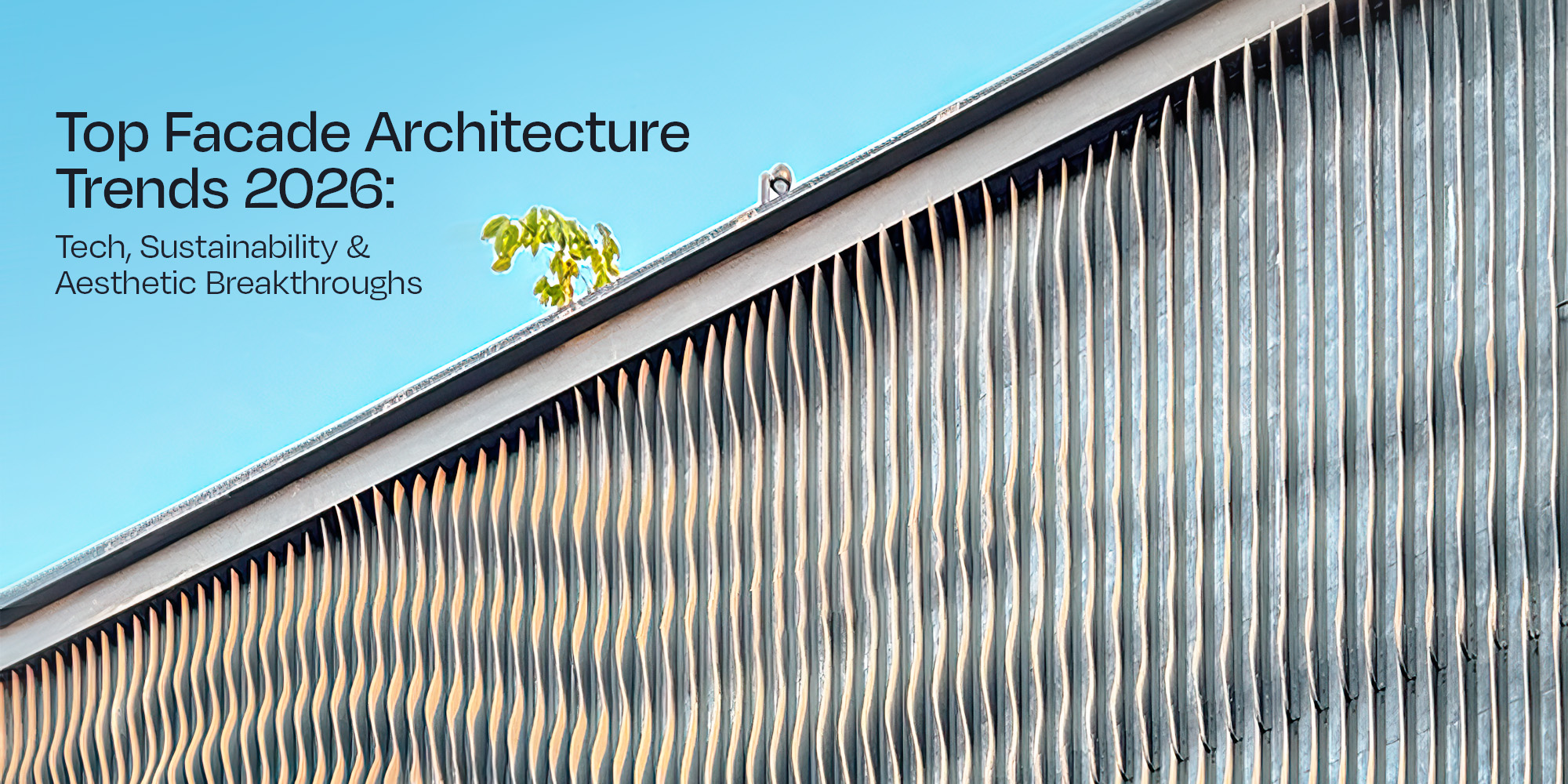
Top Facade Architecture Trends 2026 Tech Sustainability and Aesthetic Breakthroughs
The building envelope is undergoing a radical transformation. No longer just a 'skin,' it is now a performance-driven asset that breathes and adapts
12-02-26 | Industry Trends
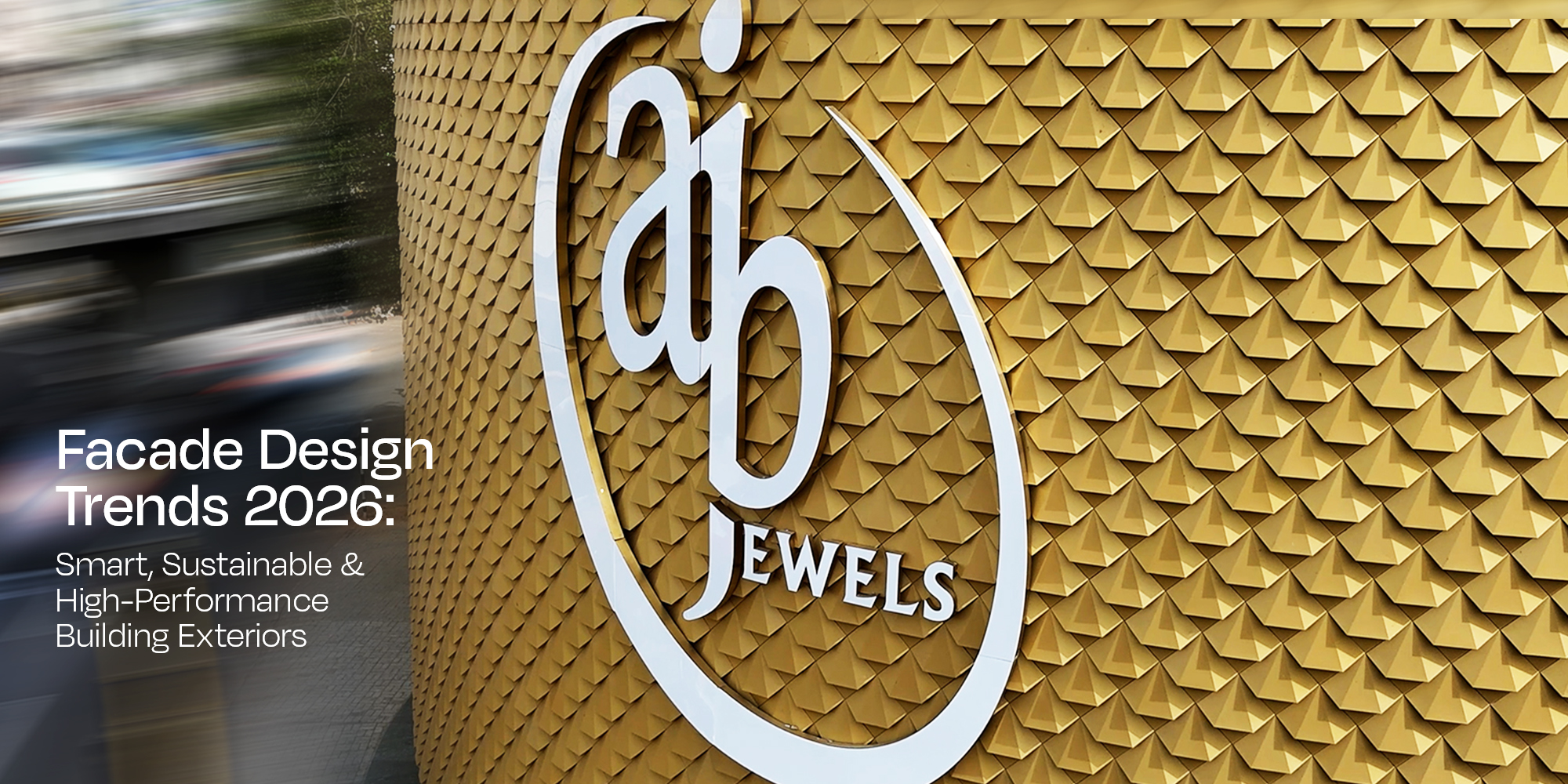
Facade Design Trends 2026 Smart Sustainable and High-Performance Building Exteriors
The building envelope is undergoing a radical transformation. No longer just a 'skin,' it is now a performance-driven asset that breathes and adapts
23-02-26 | Industry Trends
Social
Legal
Privacy Policy|Terms & Conditions