



Metal Facade and Elevation Work in India's Growing Tier 2 Cities
08-09-26 | Industry Trends
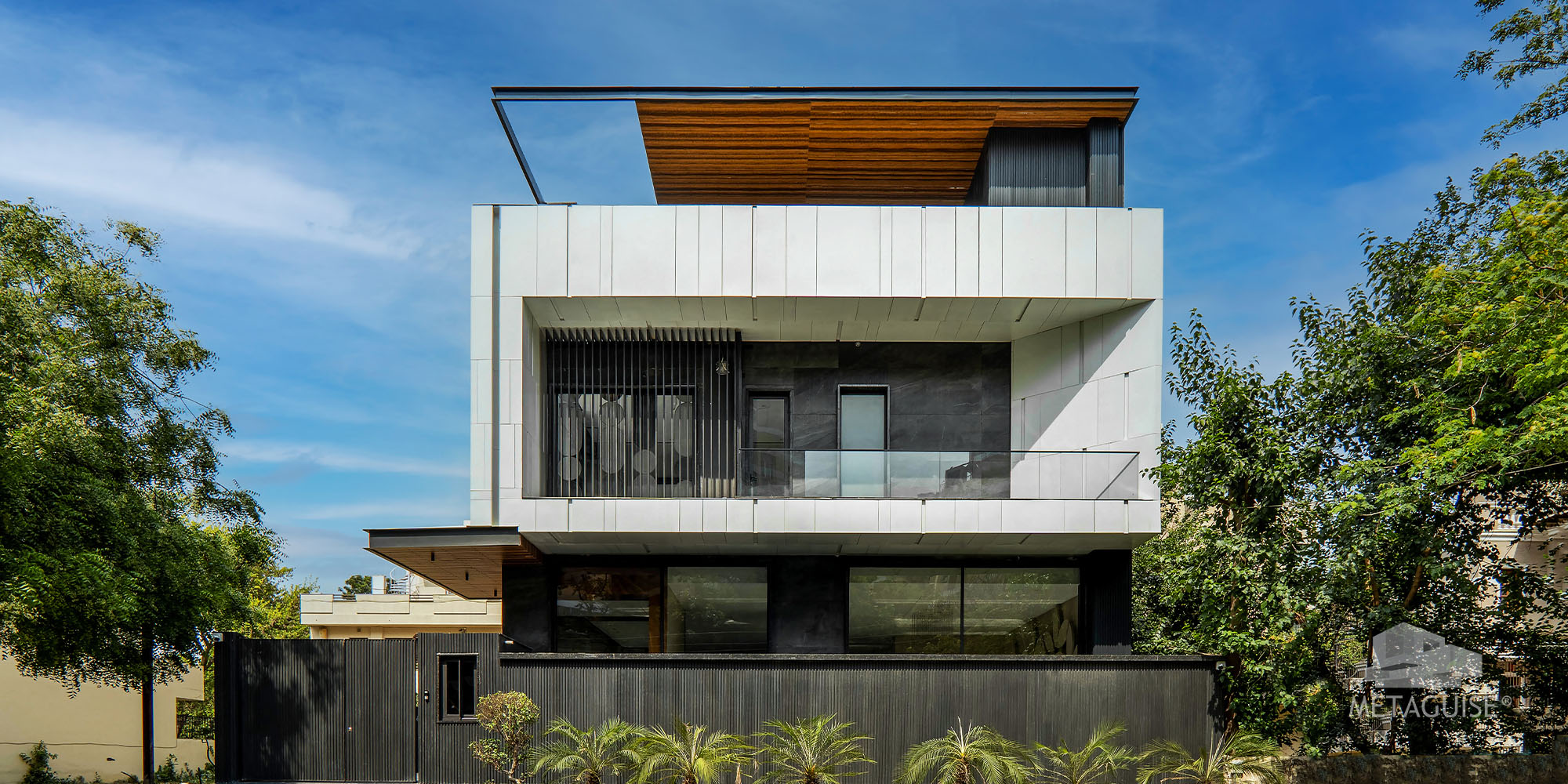
Metal facade and elevation work is no longer concentrated only in India's biggest metros. Tier 2 cities across the south, west, and north are generating genuine, consistent demand for the same commercial and premium residential facade work that used to be almost exclusively a Delhi NCR, Mumbai, or Bangalore conversation just a few years ago. Tirunelveli is one clear, concrete example of this shift, and it reflects a broader pattern worth understanding if you're planning a project anywhere outside India's largest cities.
Why Tier 2 Cities Are Suddenly Seeing This Demand
Commercial construction, retail expansion, and premium residential development have all pushed further into tier 2 cities over the last few years, following broader economic growth taking hold in these markets. As local businesses and developers in these cities compete for the same customers and tenants that metro-city projects target, the exterior of a building has become a genuine differentiator rather than an afterthought, exactly the same shift that happened in India's metros roughly a decade earlier, just arriving here on a different timeline. Jewellery showrooms, hospital and educational institution expansions, and premium residential projects are consistently the categories driving this demand in tier 2 markets, mirroring the exact same client types generating facade work in bigger cities, just at a smaller but genuinely and steadily growing scale year over year.What Genuinely Feels Different About Tier 2 City Facade Projects
Far fewer local specialists to choose between. Larger metros have a genuinely competitive facade market with many contractors to choose from and compare against each other. Tier 2 cities typically have far fewer local specialists with real parametric or complex metal facade experience, which makes verifying a contractor's actual track record even more important than in a market with more competition and more available reference projects to visit. Logistics matter more than most first-time clients expect. Material transport and installation logistics from a fabrication facility to a tier 2 city site typically take longer and cost more than a metro-city delivery, which should be factored honestly into project timelines and budgets from the very outset, rather than assumed to match metro-city delivery speed by default. Client expectations are catching up fast, and shouldn't be underestimated. Even though these markets are newer to sophisticated facade work as a category, client expectations, informed by what they see in bigger cities and online through social media and project photography, are often just as high as a metro-city client's expectations, which means the design and engineering quality bar genuinely shouldn't be lower just because the city itself is smaller.What Actually Matters When Choosing a Tier 2 City Facade Partner
Given the smaller pool of local specialists, it's worth prioritising a facade company with genuine delivery experience across multiple cities, including markets similar in scale to yours, rather than one operating purely within their home metro and unfamiliar with your city's specific conditions. Ask specifically how they manage logistics and installation supervision for projects outside their base city, since this is where inexperienced companies most often genuinely struggle, not in the design work itself but in the practical, unglamorous delivery details. Material and finish specification matters just as much in a tier 2 city as anywhere else in the country. A contractor unfamiliar with your specific local climate conditions, whether that's coastal humidity, inland heat, or regional dust and pollution levels, can specify a finish that underperforms regardless of how good the underlying design looks on paper or in a render.The Local Advantage Some Tier 2 Cities Genuinely Have
It's worth noting that a smaller city isn't purely a disadvantage. Site access and logistics within the city itself are often considerably simpler than navigating a dense metro's traffic and restricted delivery windows, which can actually offset some of the transport time from a distant fabrication facility. A well-organised facade partner with genuine multi-city experience often delivers tier 2 city projects with fewer on-site delays than an equivalent metro project, precisely because the local installation environment is less congested and easier to work within.What Facade Costs Actually Look Like in Tier 2 Cities
Facade design and material costs in tier 2 cities generally follow the same broad national range as metro cities, roughly 800 to 2,500 rupees per square foot depending on material and design complexity, though total project costs can be affected by additional logistics expenses for material transport and slightly extended installation timelines compared to a metro-city project sitting closer to the fabrication facility.Why Pan-India Delivery Experience Matters Here Specifically
A facade company that has genuinely delivered projects across a range of Indian cities, not just its home metro, brings real, tested logistics and installation processes to a tier 2 city project, rather than treating it as a first attempt at understanding an unfamiliar market. This is exactly the kind of experience worth confirming directly with any prospective facade partner before committing to a project outside a major metro, since it's the difference between a smooth delivery and one full of avoidable surprises.How This Connects to Our Broader City Coverage
This same pan-India delivery experience is what allows us to support projects across established metro clusters as well. Our overview of working with a facade company across Mumbai, Bangalore, Hyderabad, Pune and Kolkata reflects the exact same logistics and quality principles described here, simply applied at a larger metro scale, which is why the underlying capability transfers reliably to a tier 2 city project too.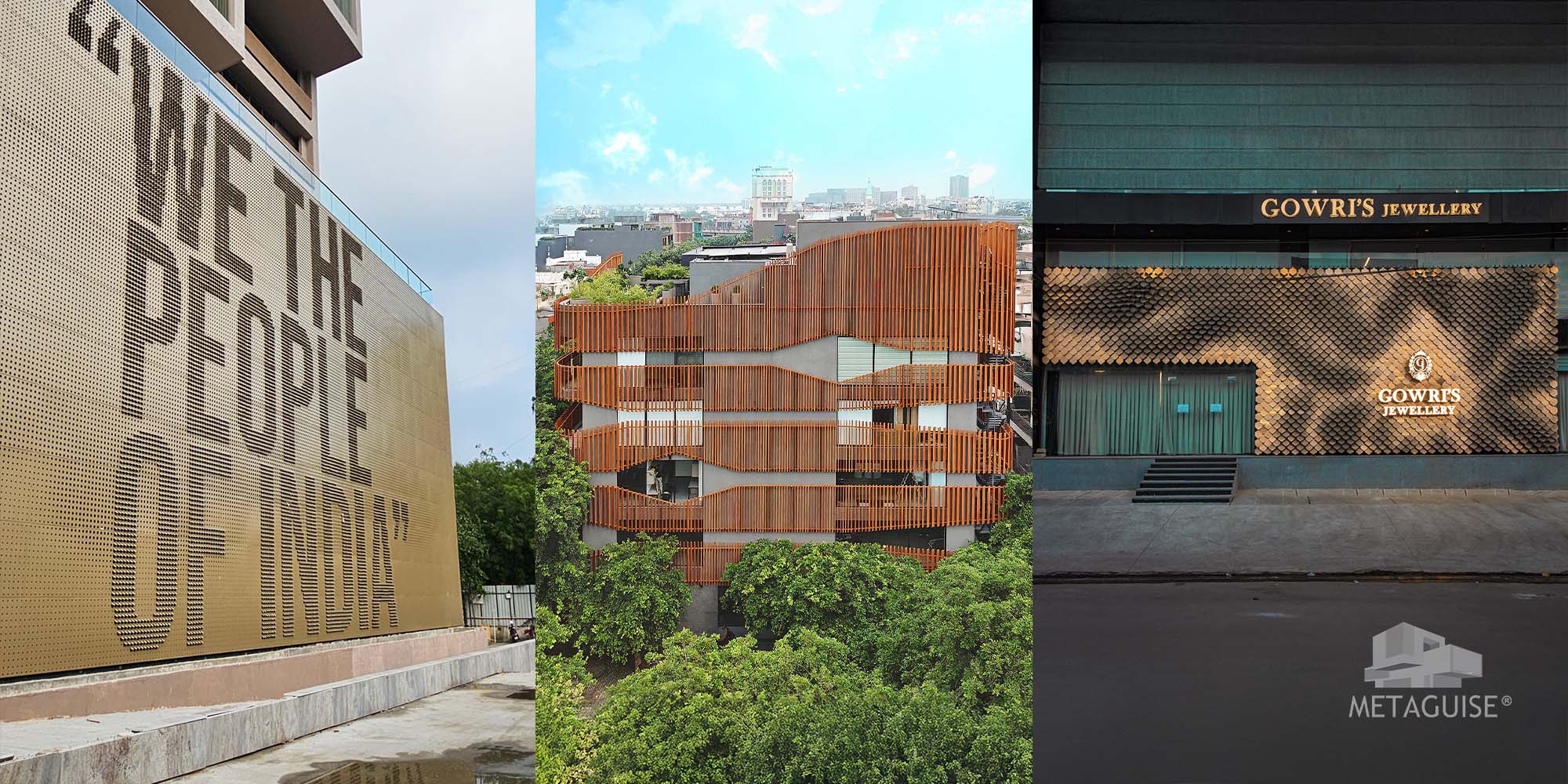
Frequently Asked Questions
Is it harder to find a good facade contractor in a tier 2 city than in a metro?
Generally yes, tier 2 cities typically have fewer local specialists with genuine complex facade experience, making it more important to verify a contractor's actual track record and consider companies with pan-India delivery experience.Do facade materials cost more in tier 2 cities?
Base material and design costs generally follow the same national range, though logistics costs for transporting materials from fabrication facilities can add to total project costs compared to a metro-city delivery.Should client expectations be different for a tier 2 city facade project?
No, client expectations in tier 2 cities are often just as high as in metro cities, informed by what they see elsewhere, so design and engineering quality shouldn't be treated as a lower priority.What should I check before hiring a facade contractor in a smaller city?
Verify their track record with real, visitable completed projects, ask how they manage logistics and installation supervision for projects outside their home base, and confirm their material specification accounts for your city's specific climate.Why does pan-India experience matter for a tier 2 city project?
A facade company with genuine multi-city delivery experience brings tested logistics and installation processes, rather than learning how to manage a new, unfamiliar market for the first time on your project.Start Your Project Anywhere in India
If you're planning a facade or elevation project outside a major metro, tell our team about your city and project scope for a design and delivery plan suited to where you actually are.08-09-26 | Industry Trends
Metal facade and elevation work is no longer concentrated only in India's biggest metros. Tier 2 cities across the south, west, and north are generating genuine, consistent demand for the same commercial and premium residential facade work that used to be almost exclusively a Delhi NCR, Mumbai, or Bangalore conversation just a few years ago. Tirunelveli is one clear, concrete example of this shift, and it reflects a broader pattern worth understanding if you're planning a project anywhere outside India's largest cities.
Why Tier 2 Cities Are Suddenly Seeing This Demand
Commercial construction, retail expansion, and premium residential development have all pushed further into tier 2 cities over the last few years, following broader economic growth taking hold in these markets. As local businesses and developers in these cities compete for the same customers and tenants that metro-city projects target, the exterior of a building has become a genuine differentiator rather than an afterthought, exactly the same shift that happened in India's metros roughly a decade earlier, just arriving here on a different timeline. Jewellery showrooms, hospital and educational institution expansions, and premium residential projects are consistently the categories driving this demand in tier 2 markets, mirroring the exact same client types generating facade work in bigger cities, just at a smaller but genuinely and steadily growing scale year over year.What Genuinely Feels Different About Tier 2 City Facade Projects
Far fewer local specialists to choose between. Larger metros have a genuinely competitive facade market with many contractors to choose from and compare against each other. Tier 2 cities typically have far fewer local specialists with real parametric or complex metal facade experience, which makes verifying a contractor's actual track record even more important than in a market with more competition and more available reference projects to visit. Logistics matter more than most first-time clients expect. Material transport and installation logistics from a fabrication facility to a tier 2 city site typically take longer and cost more than a metro-city delivery, which should be factored honestly into project timelines and budgets from the very outset, rather than assumed to match metro-city delivery speed by default. Client expectations are catching up fast, and shouldn't be underestimated. Even though these markets are newer to sophisticated facade work as a category, client expectations, informed by what they see in bigger cities and online through social media and project photography, are often just as high as a metro-city client's expectations, which means the design and engineering quality bar genuinely shouldn't be lower just because the city itself is smaller.What Actually Matters When Choosing a Tier 2 City Facade Partner
Given the smaller pool of local specialists, it's worth prioritising a facade company with genuine delivery experience across multiple cities, including markets similar in scale to yours, rather than one operating purely within their home metro and unfamiliar with your city's specific conditions. Ask specifically how they manage logistics and installation supervision for projects outside their base city, since this is where inexperienced companies most often genuinely struggle, not in the design work itself but in the practical, unglamorous delivery details. Material and finish specification matters just as much in a tier 2 city as anywhere else in the country. A contractor unfamiliar with your specific local climate conditions, whether that's coastal humidity, inland heat, or regional dust and pollution levels, can specify a finish that underperforms regardless of how good the underlying design looks on paper or in a render.The Local Advantage Some Tier 2 Cities Genuinely Have
It's worth noting that a smaller city isn't purely a disadvantage. Site access and logistics within the city itself are often considerably simpler than navigating a dense metro's traffic and restricted delivery windows, which can actually offset some of the transport time from a distant fabrication facility. A well-organised facade partner with genuine multi-city experience often delivers tier 2 city projects with fewer on-site delays than an equivalent metro project, precisely because the local installation environment is less congested and easier to work within.What Facade Costs Actually Look Like in Tier 2 Cities
Facade design and material costs in tier 2 cities generally follow the same broad national range as metro cities, roughly 800 to 2,500 rupees per square foot depending on material and design complexity, though total project costs can be affected by additional logistics expenses for material transport and slightly extended installation timelines compared to a metro-city project sitting closer to the fabrication facility.Why Pan-India Delivery Experience Matters Here Specifically
A facade company that has genuinely delivered projects across a range of Indian cities, not just its home metro, brings real, tested logistics and installation processes to a tier 2 city project, rather than treating it as a first attempt at understanding an unfamiliar market. This is exactly the kind of experience worth confirming directly with any prospective facade partner before committing to a project outside a major metro, since it's the difference between a smooth delivery and one full of avoidable surprises.How This Connects to Our Broader City Coverage
This same pan-India delivery experience is what allows us to support projects across established metro clusters as well. Our overview of working with a facade company across Mumbai, Bangalore, Hyderabad, Pune and Kolkata reflects the exact same logistics and quality principles described here, simply applied at a larger metro scale, which is why the underlying capability transfers reliably to a tier 2 city project too.Frequently Asked Questions
Is it harder to find a good facade contractor in a tier 2 city than in a metro?
Generally yes, tier 2 cities typically have fewer local specialists with genuine complex facade experience, making it more important to verify a contractor's actual track record and consider companies with pan-India delivery experience.Do facade materials cost more in tier 2 cities?
Base material and design costs generally follow the same national range, though logistics costs for transporting materials from fabrication facilities can add to total project costs compared to a metro-city delivery.Should client expectations be different for a tier 2 city facade project?
No, client expectations in tier 2 cities are often just as high as in metro cities, informed by what they see elsewhere, so design and engineering quality shouldn't be treated as a lower priority.What should I check before hiring a facade contractor in a smaller city?
Verify their track record with real, visitable completed projects, ask how they manage logistics and installation supervision for projects outside their home base, and confirm their material specification accounts for your city's specific climate.Why does pan-India experience matter for a tier 2 city project?
A facade company with genuine multi-city delivery experience brings tested logistics and installation processes, rather than learning how to manage a new, unfamiliar market for the first time on your project.Start Your Project Anywhere in India
If you're planning a facade or elevation project outside a major metro, tell our team about your city and project scope for a design and delivery plan suited to where you actually are.Related Articles
Why Aluminium Cladding Is the Future of Facade Design in Indian Architecture
India’s architecture is evolving - faster, smarter, and more performance-driven than ever before. As cities grow and climates shift, the facade is no longer just an exterior skin. It’s a functional envelope that must adapt, protect, and express.
12-09-25 | Industry Trends
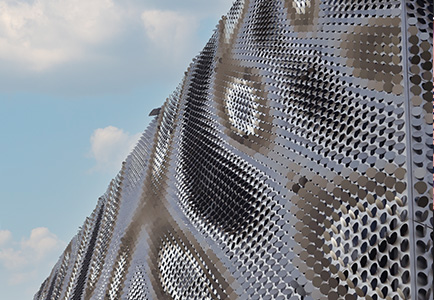
Parametric Architecture in India: Why It’s Shaping the Future of Facade Design
Architecture is evolving - and with it, the language of the façade. At the heart of this evolution lies a powerful design philosophy: parametric architecture.
03-11-25 | Industry Trends
Top Facade Architecture Trends 2026 Tech Sustainability and Aesthetic Breakthroughs
The building envelope is undergoing a radical transformation. No longer just a 'skin,' it is now a performance-driven asset that breathes and adapts
12-02-26 | Industry Trends
Facade Design Trends 2026 Smart Sustainable and High-Performance Building Exteriors
The building envelope is undergoing a radical transformation. No longer just a 'skin,' it is now a performance-driven asset that breathes and adapts
23-02-26 | Industry Trends
Social
Legal
Privacy Policy|Terms & Conditions