



Louvered Gate Design Ideas for Indian Homes
24-08-26 | Facade Innovations
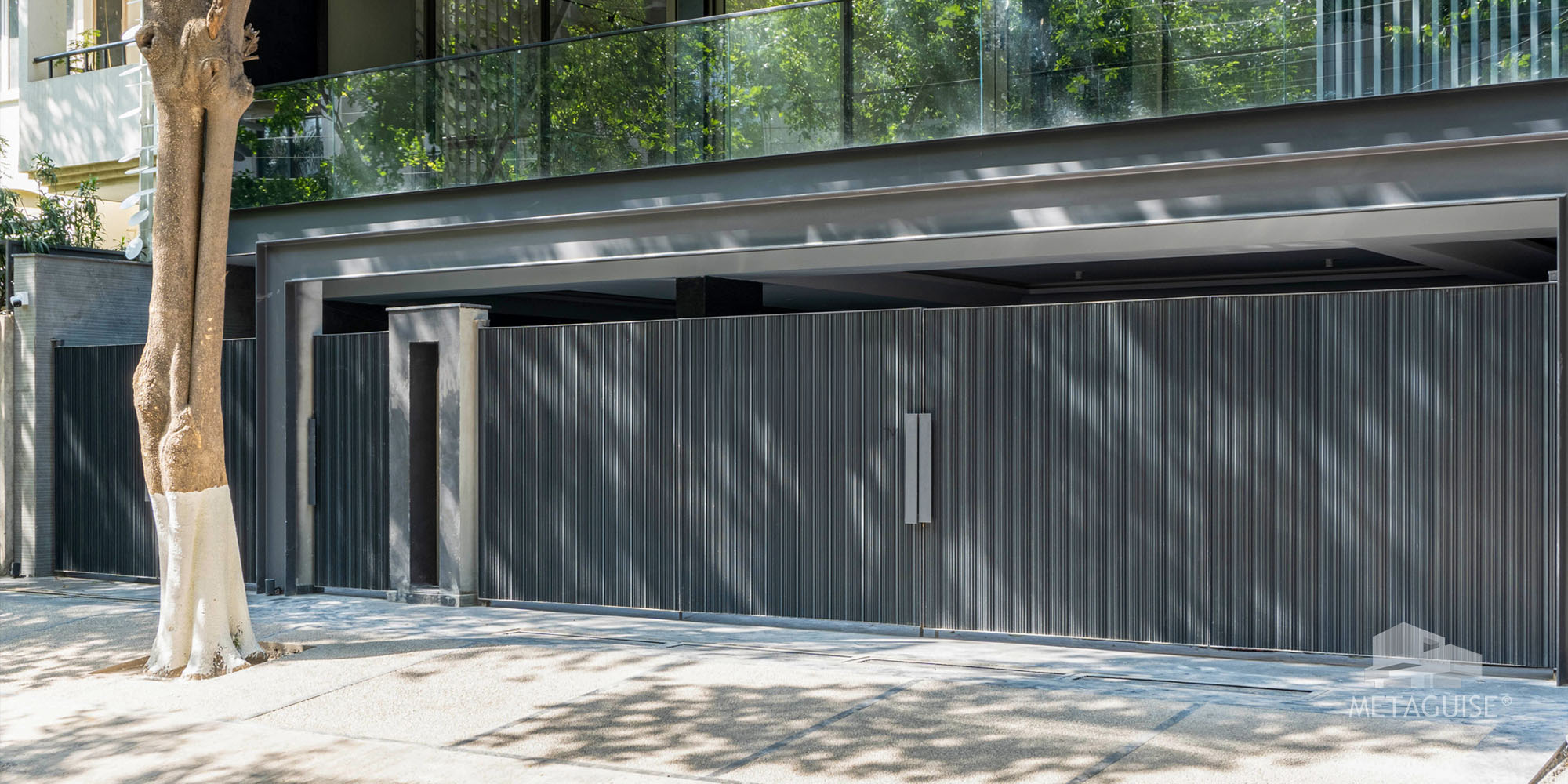
A louvered gate solves a problem plain solid gates and open metal grille gates both struggle with individually, giving genuine privacy from the street while still allowing air and some visibility through. That combination has made louvered gate design one of the most requested entrance treatments for Indian homes and villas over the last few years. Here's how these gates actually work and what to consider when specifying one.
What makes a gate louvered
A louvered gate uses a series of angled metal blades or slats, set at a fixed angle across the gate's frame, rather than a single solid panel or an open grille pattern. The angle of the blades is what does the functional work, blocking direct line of sight from the street while still letting air move through and allowing filtered light and partial visibility from inside the property. This is a meaningfully different approach from a solid gate, which blocks visibility completely but also blocks airflow and can feel heavy and closed off, or a simple open grille gate, which allows airflow but offers little to no real privacy. A well-designed louvered gate sits in the practical middle ground between these two extremes.
Material choices for louvered gates
Steel is the most commonly specified material for louvered gate structures in India, valued for its strength and ability to support the gate's weight and swing mechanism reliably over years of daily use. A galvanised or powder coated finish is essential for steel gates specifically, since untreated steel corrodes relatively quickly when exposed to weather, and a gate is one of the most consistently weather exposed elements on any property. Aluminium louvered gates have become increasingly popular as an alternative, offering natural corrosion resistance without needing the same protective coating steel requires, along with a lighter overall weight that can mean a smoother, longer lasting swing or sliding mechanism, particularly on larger gate spans.
Vertical versus horizontal louver orientation
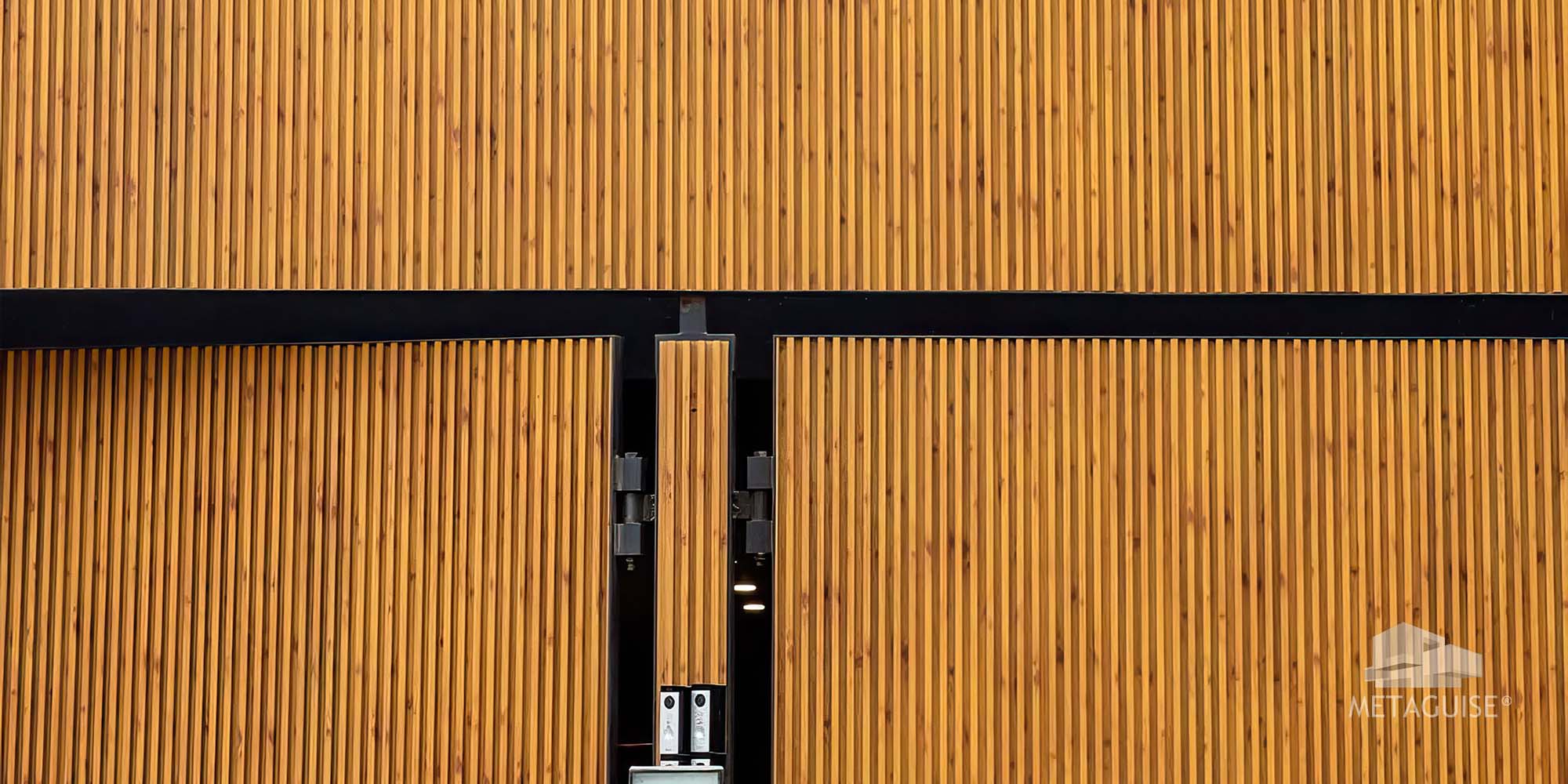
Vertical louver gates, with blades running top to bottom, have become the more popular choice for contemporary Indian home entrances, offering a strong architectural rhythm that reads as more modern and tends to pair well with the vertical fin and facade treatments increasingly used elsewhere on the building's elevation. Horizontal louver gates, with blades running side to side, offer a more traditional, classic appearance and can provide slightly more effective privacy at typical eye level, since the blade angle more directly intersects a standing person's sightline from the street. Neither orientation is objectively better, the choice usually comes down to matching the gate's design language to the rest of the building's elevation, which is why it's worth discussing your gate design alongside your broader facade or elevation plan rather than choosing it in isolation.
Design considerations beyond the basic louver
Blade angle and spacing directly control the tradeoff between privacy and airflow or visibility, tighter spacing and steeper angles give more privacy but reduce airflow and light, while wider spacing gives more openness at some cost to privacy. Integration with the boundary wall and facade. A louvered gate reads best when its material, finish, and blade pattern relates to the rest of the property's boundary wall and main building elevation, rather than being selected as an isolated element disconnected from everything else on the site. Automation compatibility. Many louvered gates are specified alongside automated sliding or swing mechanisms for convenience, which means the gate's weight and structural design need to account for this from the start, since retrofitting automation onto a gate that wasn't designed with it in mind rarely performs as smoothly.
What louvered gate design typically costs
Louvered gate costs in India vary with size, material, and automation, but generally fall within a similar per-square-foot logic to other metal elevation and cladding work, with steel gates typically sitting toward the more economical end and aluminium or highly customised designs costing somewhat more, reflecting material and fabrication complexity.
Frequently Asked Questions
1. Does a louvered gate actually provide real privacy?
Yes, when the blade angle and spacing are specified correctly, a louvered gate blocks direct line of sight from the street effectively while still allowing airflow, offering a genuine middle ground between a solid gate and an open grille design.
2. Should I choose vertical or horizontal louvers for my gate?
It largely depends on the design language of your building's elevation. Vertical louvers tend to read as more contemporary, while horizontal louvers offer a more traditional look and can provide slightly better privacy at standing eye level.
3. Is steel or aluminium better for a louvered gate?
Steel offers strong structural performance but needs a protective coating to resist corrosion, while aluminium is naturally corrosion resistant and lighter, which can benefit the gate's long-term swing or slide mechanism.
4. Can a louvered gate be automated?
Yes, but the gate's structural design and weight should account for automation from the start, since retrofitting a motor onto a gate not designed for it rarely performs as reliably.
5. Should the gate design match the rest of the house's facade?
Ideally yes, a louvered gate reads best when its material and pattern relate to the property's boundary wall and main elevation, rather than being chosen in isolation from the rest of the building's design.
If you're planning a louvered gate for your home or villa, talk to our team about a design that complements your property's elevation and entrance.
24-08-26 | Facade Innovations
A louvered gate solves a problem plain solid gates and open metal grille gates both struggle with individually, giving genuine privacy from the street while still allowing air and some visibility through. That combination has made louvered gate design one of the most requested entrance treatments for Indian homes and villas over the last few years. Here's how these gates actually work and what to consider when specifying one.
What makes a gate louvered
A louvered gate uses a series of angled metal blades or slats, set at a fixed angle across the gate's frame, rather than a single solid panel or an open grille pattern. The angle of the blades is what does the functional work, blocking direct line of sight from the street while still letting air move through and allowing filtered light and partial visibility from inside the property. This is a meaningfully different approach from a solid gate, which blocks visibility completely but also blocks airflow and can feel heavy and closed off, or a simple open grille gate, which allows airflow but offers little to no real privacy. A well-designed louvered gate sits in the practical middle ground between these two extremes.
Material choices for louvered gates
Steel is the most commonly specified material for louvered gate structures in India, valued for its strength and ability to support the gate's weight and swing mechanism reliably over years of daily use. A galvanised or powder coated finish is essential for steel gates specifically, since untreated steel corrodes relatively quickly when exposed to weather, and a gate is one of the most consistently weather exposed elements on any property. Aluminium louvered gates have become increasingly popular as an alternative, offering natural corrosion resistance without needing the same protective coating steel requires, along with a lighter overall weight that can mean a smoother, longer lasting swing or sliding mechanism, particularly on larger gate spans.
Vertical versus horizontal louver orientation
Vertical louver gates, with blades running top to bottom, have become the more popular choice for contemporary Indian home entrances, offering a strong architectural rhythm that reads as more modern and tends to pair well with the vertical fin and facade treatments increasingly used elsewhere on the building's elevation. Horizontal louver gates, with blades running side to side, offer a more traditional, classic appearance and can provide slightly more effective privacy at typical eye level, since the blade angle more directly intersects a standing person's sightline from the street. Neither orientation is objectively better, the choice usually comes down to matching the gate's design language to the rest of the building's elevation, which is why it's worth discussing your gate design alongside your broader facade or elevation plan rather than choosing it in isolation.
Design considerations beyond the basic louver
Blade angle and spacing directly control the tradeoff between privacy and airflow or visibility, tighter spacing and steeper angles give more privacy but reduce airflow and light, while wider spacing gives more openness at some cost to privacy. Integration with the boundary wall and facade. A louvered gate reads best when its material, finish, and blade pattern relates to the rest of the property's boundary wall and main building elevation, rather than being selected as an isolated element disconnected from everything else on the site. Automation compatibility. Many louvered gates are specified alongside automated sliding or swing mechanisms for convenience, which means the gate's weight and structural design need to account for this from the start, since retrofitting automation onto a gate that wasn't designed with it in mind rarely performs as smoothly.
What louvered gate design typically costs
Louvered gate costs in India vary with size, material, and automation, but generally fall within a similar per-square-foot logic to other metal elevation and cladding work, with steel gates typically sitting toward the more economical end and aluminium or highly customised designs costing somewhat more, reflecting material and fabrication complexity.
Frequently Asked Questions
1. Does a louvered gate actually provide real privacy?
Yes, when the blade angle and spacing are specified correctly, a louvered gate blocks direct line of sight from the street effectively while still allowing airflow, offering a genuine middle ground between a solid gate and an open grille design.
2. Should I choose vertical or horizontal louvers for my gate?
It largely depends on the design language of your building's elevation. Vertical louvers tend to read as more contemporary, while horizontal louvers offer a more traditional look and can provide slightly better privacy at standing eye level.
3. Is steel or aluminium better for a louvered gate?
Steel offers strong structural performance but needs a protective coating to resist corrosion, while aluminium is naturally corrosion resistant and lighter, which can benefit the gate's long-term swing or slide mechanism.
4. Can a louvered gate be automated?
Yes, but the gate's structural design and weight should account for automation from the start, since retrofitting a motor onto a gate not designed for it rarely performs as reliably.
5. Should the gate design match the rest of the house's facade?
Ideally yes, a louvered gate reads best when its material and pattern relate to the property's boundary wall and main elevation, rather than being chosen in isolation from the rest of the building's design.
If you're planning a louvered gate for your home or villa, talk to our team about a design that complements your property's elevation and entrance.
Related Articles
The Rise of Parametric facades: Designing with Algorithmic Elegance
A revolutionary parametric facade system designed to elevate architectural aesthetics. Crafted with premium metals and enhanced with MetaSurface finishes, MetaCoin offers unparalleled customizability, from the shape and size of each element to its color and arrangement. Its dynamic design reacts to light and perspective, creating ever-changing visual effects. Ideal for contemporary and iconic structures, MetaCoin transforms facades into captivating works of art that are sustainable, durable, and visually stunning.
01-04-25 | Facade Innovations
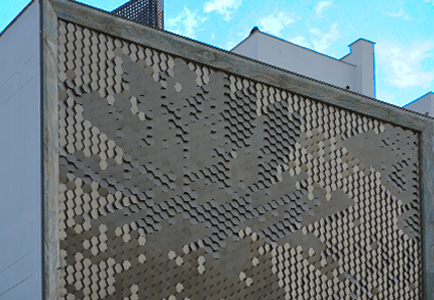
METABLOX™ by Metaguise: A Breakthrough in Parametric Facade Design
At the intersection of culture, craftsmanship, and cutting-edge geometry, METABLOX™ emerges as a bold new direction in architectural innovation. Introduced by Metaguise, this first-of-its-kind parametric facade technology makes its striking debut at the RJ Jewellers flagship store in Jaipur - setting a new benchmark in the world of metal design and modern Indian architecture.
09-04-25 | Facade Innovations
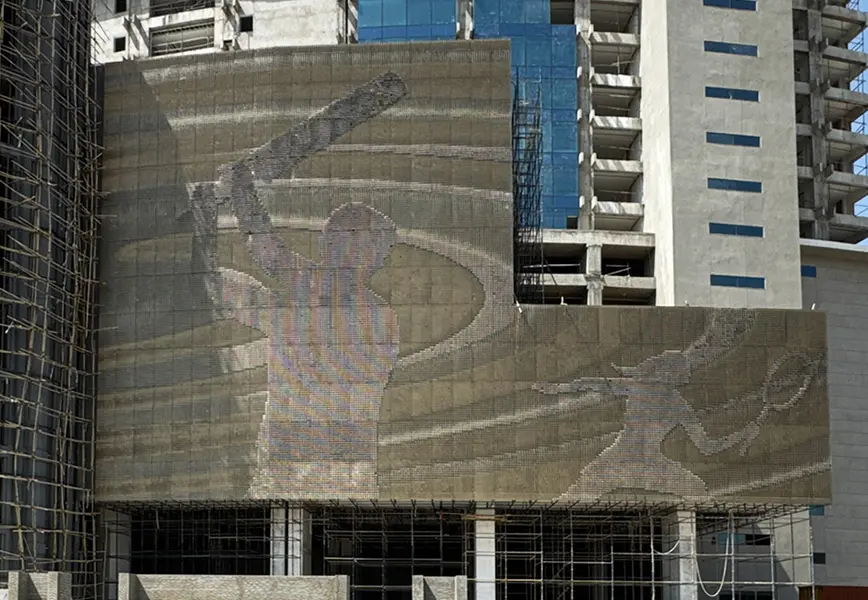
5 Landmark Projects That Used MetaCoin to Transform Facades
When it comes to parametric architecture, MetaCoin stands out as a revolutionary metal coin facade system. Crafted with precision, it offers dynamic aesthetics, adaptability, and a unique identity to structures. Let's delve into five notable projects where MetaCoin has redefined architectural facades.
13-05-25 | Facade Innovations
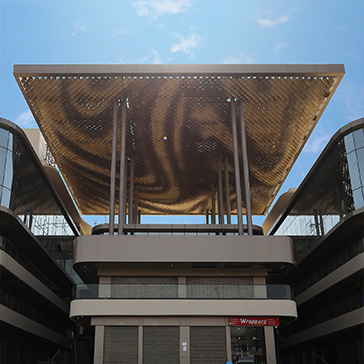
From Code to Construction: How Parametric Facades Are Built
Some buildings just make you look twice. Maybe it’s the way the facade curves. Or how the surface catches the light at different times of day. Often, what you’re seeing is more than just a design, it’s a parametric facade.
10-06-25 | Facade Innovations
Social
Legal
Privacy Policy|Terms & Conditions