





Kinetic Wall Panels Explained: How Movable Facade Technology Actually Works
09-08-26 | Facade Innovations
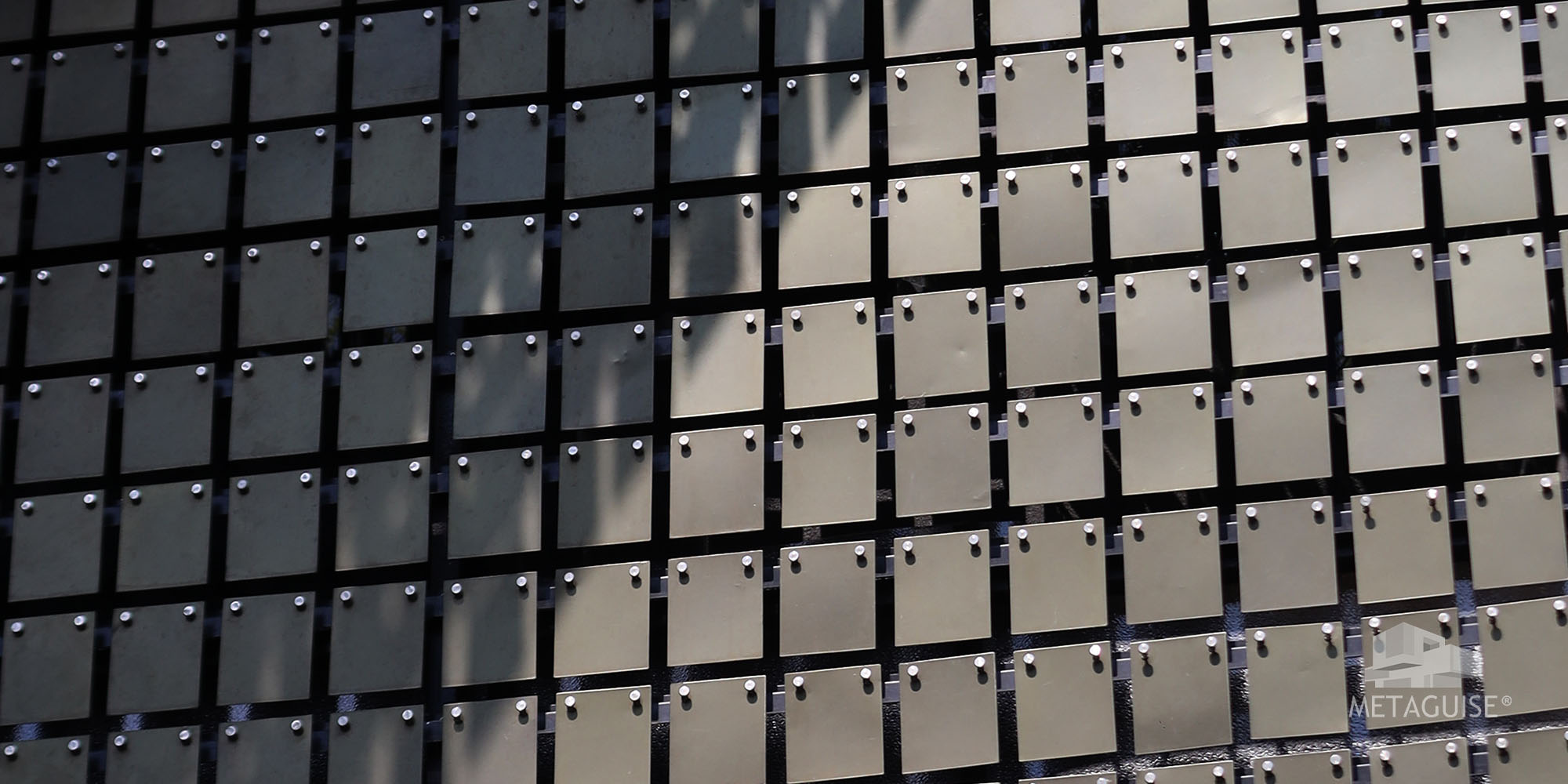
Kinetic wall panels are the individual moving components that make a kinetic facade function, and understanding how they’re actually engineered, separate from the broader concept of kinetic architecture, helps explain why some kinetic installations perform reliably for years while others develop problems early. This piece focuses specifically on the panel level: what they’re made of, how they move, and what makes one panel design more reliable than another.
What defines a kinetic wall panel
A kinetic wall panel is any facade module engineered to physically move, whether that’s rotating around an axis, sliding, folding, or tilting, as opposed to a static panel that stays fixed once installed. The defining engineering challenge is that the panel needs to be light enough to move efficiently without an oversized motor, while still being rigid enough to hold its shape and resist wind load through thousands of movement cycles over its lifetime. This weight-versus-rigidity balance is why aluminium dominates kinetic panel design. It offers a strong strength-to-weight ratio that lets designers keep individual panels light without sacrificing structural performance.
How the movement is actually achieved
Rotating panels pivot around a fixed axis, commonly vertical for fin-style kinetic systems or horizontal for louver-style ones. A single actuator can often drive multiple panels through a connected linkage, reducing the number of motors needed relative to the number of moving panels. Sliding panels move linearly along a track, commonly used where panels need to fully open or close an opening rather than just angle toward or away from the sun. Folding or origami-style panels use a hinged structure that changes the panel’s overall shape and projection, creating more dramatic visual transformation than simple rotation, at the cost of more complex mechanical engineering.
The actuator and drive system
Each moving panel or group of panels connects to an actuator, typically an electric motor or a pneumatic drive, which converts a control signal into physical movement. The choice between electric and pneumatic actuation depends on the required speed of movement, the load involved, and the maintenance profile the client is comfortable with, since pneumatic systems have different servicing requirements than electric motors. Well-engineered kinetic panel systems minimise the actuator count relative to panel count wherever possible, using connected linkages to drive multiple panels from a single motor. This reduces both cost and the number of components that can eventually need maintenance or replacement.
What makes a kinetic panel system reliable long term
Correct weight-to-motor sizing from the start. The most common cause of kinetic facade problems traces back to panels that were heavier than the drive system was designed for, leading to premature motor wear. This is an engineering decision made at the design stage, not something that can be easily fixed after installation. Corrosion-resistant hinges and moving joints. A panel’s finish can be perfect while its hinge or pivot mechanism corrodes from repeated exposure and movement stress, since moving joints experience mechanical wear in addition to weathering. Specifying corrosion-resistant hardware at these specific points matters as much as the panel’s overall finish. Redundancy in the control system. A well-designed kinetic system can fail safely, meaning if a sensor or control signal fails, the panels default to a safe position rather than an uncontrolled one, particularly important for wind safety.
Kinetic wall panels vs a fully kinetic facade
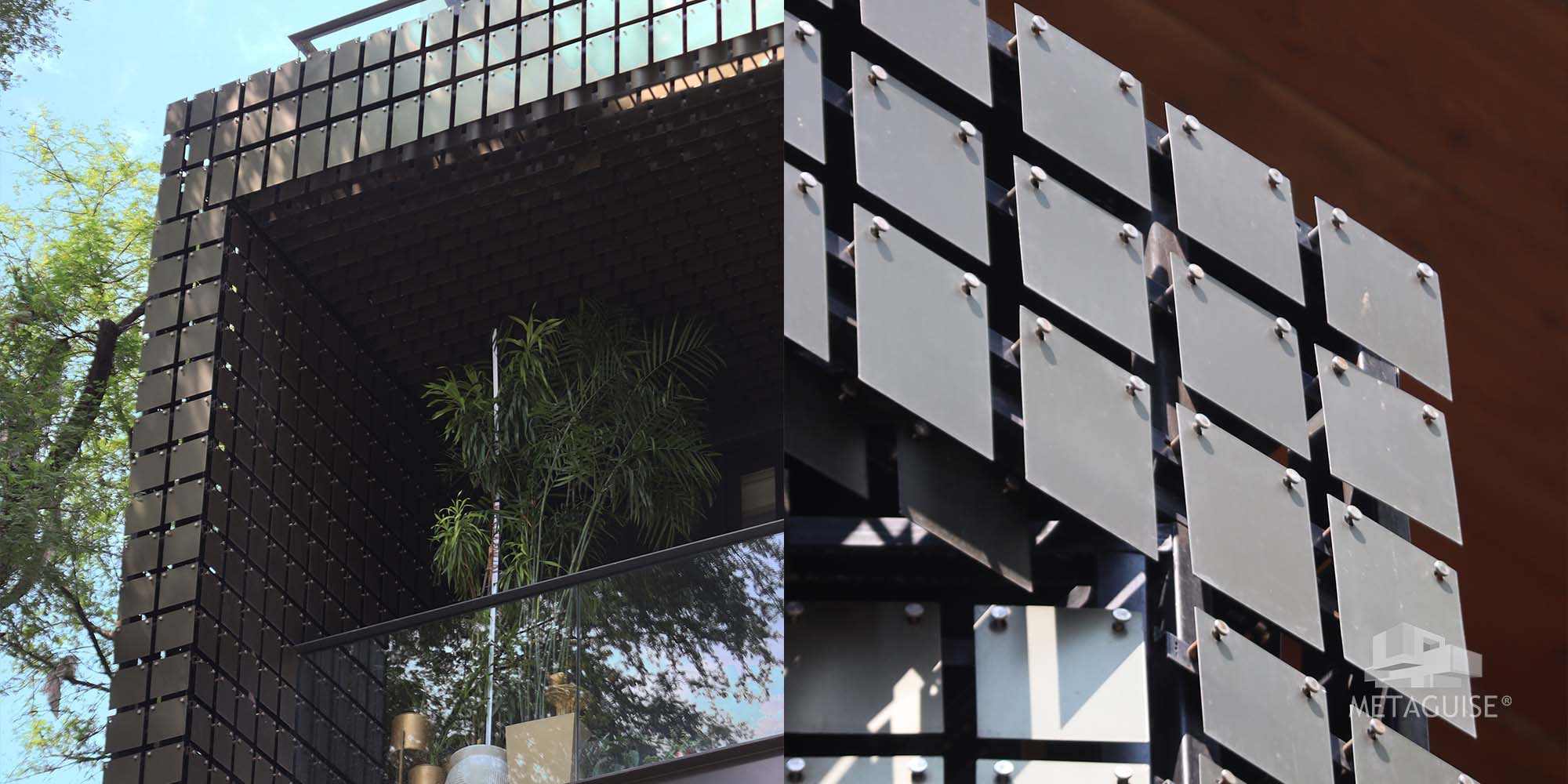
It’s worth distinguishing panel-level engineering from the full facade system. A kinetic wall panel is the component. A kinetic facade, which we cover in more depth in our guide to what a kinetic facade actually is, is the complete system: panels, mechanism, sensors and control logic working together. Panel quality matters enormously, but a poorly integrated control system can still cause problems even with well-engineered individual panels.
Frequently Asked Questions
1.What material are kinetic wall panels usually made from?
Aluminium is the most common choice, since it offers a strong strength-to-weight ratio that keeps panels light enough for efficient motorised movement while remaining structurally rigid.2.How many motors does a kinetic wall system need?
Well-designed systems minimise motor count by using connected linkages to drive multiple panels from a single actuator, rather than giving every individual panel its own motor.3.What usually causes kinetic panel systems to fail?
The most common cause is panels that are heavier than the drive system was originally engineered for, leading to premature actuator wear. This traces back to a design-stage decision, not a manufacturing defect.4.Do kinetic wall panels need special hinges?
Yes, moving joints experience both weathering and mechanical wear from repeated motion, so corrosion-resistant hardware at hinge and pivot points is a specific engineering requirement beyond the panel’s general finish.5.What happens to kinetic panels if the control system fails?
A well-engineered system is designed to fail safely, defaulting panels to a safe, typically flat or closed position if a sensor or control signal is lost, particularly important during high wind conditions.Explore kinetic panel systems for your project
If you’re evaluating kinetic wall panels for a project, talk to our engineering team about panel sizing, mechanism selection and long-term reliability for your specific building.
09-08-26 | Facade Innovations
Kinetic wall panels are the individual moving components that make a kinetic facade function, and understanding how they’re actually engineered, separate from the broader concept of kinetic architecture, helps explain why some kinetic installations perform reliably for years while others develop problems early. This piece focuses specifically on the panel level: what they’re made of, how they move, and what makes one panel design more reliable than another.
What defines a kinetic wall panel
A kinetic wall panel is any facade module engineered to physically move, whether that’s rotating around an axis, sliding, folding, or tilting, as opposed to a static panel that stays fixed once installed. The defining engineering challenge is that the panel needs to be light enough to move efficiently without an oversized motor, while still being rigid enough to hold its shape and resist wind load through thousands of movement cycles over its lifetime. This weight-versus-rigidity balance is why aluminium dominates kinetic panel design. It offers a strong strength-to-weight ratio that lets designers keep individual panels light without sacrificing structural performance.
How the movement is actually achieved
Rotating panels pivot around a fixed axis, commonly vertical for fin-style kinetic systems or horizontal for louver-style ones. A single actuator can often drive multiple panels through a connected linkage, reducing the number of motors needed relative to the number of moving panels. Sliding panels move linearly along a track, commonly used where panels need to fully open or close an opening rather than just angle toward or away from the sun. Folding or origami-style panels use a hinged structure that changes the panel’s overall shape and projection, creating more dramatic visual transformation than simple rotation, at the cost of more complex mechanical engineering.
The actuator and drive system
Each moving panel or group of panels connects to an actuator, typically an electric motor or a pneumatic drive, which converts a control signal into physical movement. The choice between electric and pneumatic actuation depends on the required speed of movement, the load involved, and the maintenance profile the client is comfortable with, since pneumatic systems have different servicing requirements than electric motors. Well-engineered kinetic panel systems minimise the actuator count relative to panel count wherever possible, using connected linkages to drive multiple panels from a single motor. This reduces both cost and the number of components that can eventually need maintenance or replacement.
What makes a kinetic panel system reliable long term
Correct weight-to-motor sizing from the start. The most common cause of kinetic facade problems traces back to panels that were heavier than the drive system was designed for, leading to premature motor wear. This is an engineering decision made at the design stage, not something that can be easily fixed after installation. Corrosion-resistant hinges and moving joints. A panel’s finish can be perfect while its hinge or pivot mechanism corrodes from repeated exposure and movement stress, since moving joints experience mechanical wear in addition to weathering. Specifying corrosion-resistant hardware at these specific points matters as much as the panel’s overall finish. Redundancy in the control system. A well-designed kinetic system can fail safely, meaning if a sensor or control signal fails, the panels default to a safe position rather than an uncontrolled one, particularly important for wind safety.
Kinetic wall panels vs a fully kinetic facade
It’s worth distinguishing panel-level engineering from the full facade system. A kinetic wall panel is the component. A kinetic facade, which we cover in more depth in our guide to what a kinetic facade actually is, is the complete system: panels, mechanism, sensors and control logic working together. Panel quality matters enormously, but a poorly integrated control system can still cause problems even with well-engineered individual panels.
Frequently Asked Questions
1.What material are kinetic wall panels usually made from?
Aluminium is the most common choice, since it offers a strong strength-to-weight ratio that keeps panels light enough for efficient motorised movement while remaining structurally rigid.2.How many motors does a kinetic wall system need?
Well-designed systems minimise motor count by using connected linkages to drive multiple panels from a single actuator, rather than giving every individual panel its own motor.3.What usually causes kinetic panel systems to fail?
The most common cause is panels that are heavier than the drive system was originally engineered for, leading to premature actuator wear. This traces back to a design-stage decision, not a manufacturing defect.4.Do kinetic wall panels need special hinges?
Yes, moving joints experience both weathering and mechanical wear from repeated motion, so corrosion-resistant hardware at hinge and pivot points is a specific engineering requirement beyond the panel’s general finish.5.What happens to kinetic panels if the control system fails?
A well-engineered system is designed to fail safely, defaulting panels to a safe, typically flat or closed position if a sensor or control signal is lost, particularly important during high wind conditions.Explore kinetic panel systems for your project
If you’re evaluating kinetic wall panels for a project, talk to our engineering team about panel sizing, mechanism selection and long-term reliability for your specific building.
Related Articles
The Rise of Parametric facades: Designing with Algorithmic Elegance
A revolutionary parametric facade system designed to elevate architectural aesthetics. Crafted with premium metals and enhanced with MetaSurface finishes, MetaCoin offers unparalleled customizability, from the shape and size of each element to its color and arrangement. Its dynamic design reacts to light and perspective, creating ever-changing visual effects. Ideal for contemporary and iconic structures, MetaCoin transforms facades into captivating works of art that are sustainable, durable, and visually stunning.
01-04-25 | Facade Innovations
METABLOX™ by Metaguise: A Breakthrough in Parametric Facade Design
At the intersection of culture, craftsmanship, and cutting-edge geometry, METABLOX™ emerges as a bold new direction in architectural innovation. Introduced by Metaguise, this first-of-its-kind parametric facade technology makes its striking debut at the RJ Jewellers flagship store in Jaipur - setting a new benchmark in the world of metal design and modern Indian architecture.
09-04-25 | Facade Innovations
5 Landmark Projects That Used MetaCoin to Transform Facades
When it comes to parametric architecture, MetaCoin stands out as a revolutionary metal coin facade system. Crafted with precision, it offers dynamic aesthetics, adaptability, and a unique identity to structures. Let's delve into five notable projects where MetaCoin has redefined architectural facades.
13-05-25 | Facade Innovations
From Code to Construction: How Parametric Facades Are Built
Some buildings just make you look twice. Maybe it’s the way the facade curves. Or how the surface catches the light at different times of day. Often, what you’re seeing is more than just a design, it’s a parametric facade.
10-06-25 | Facade Innovations
Social
Legal
Privacy Policy|Terms & Conditions