





Facade Design Trends 2026 Smart Sustainable and High-Performance Building Exteriors
23-02-26 | Industry Trends
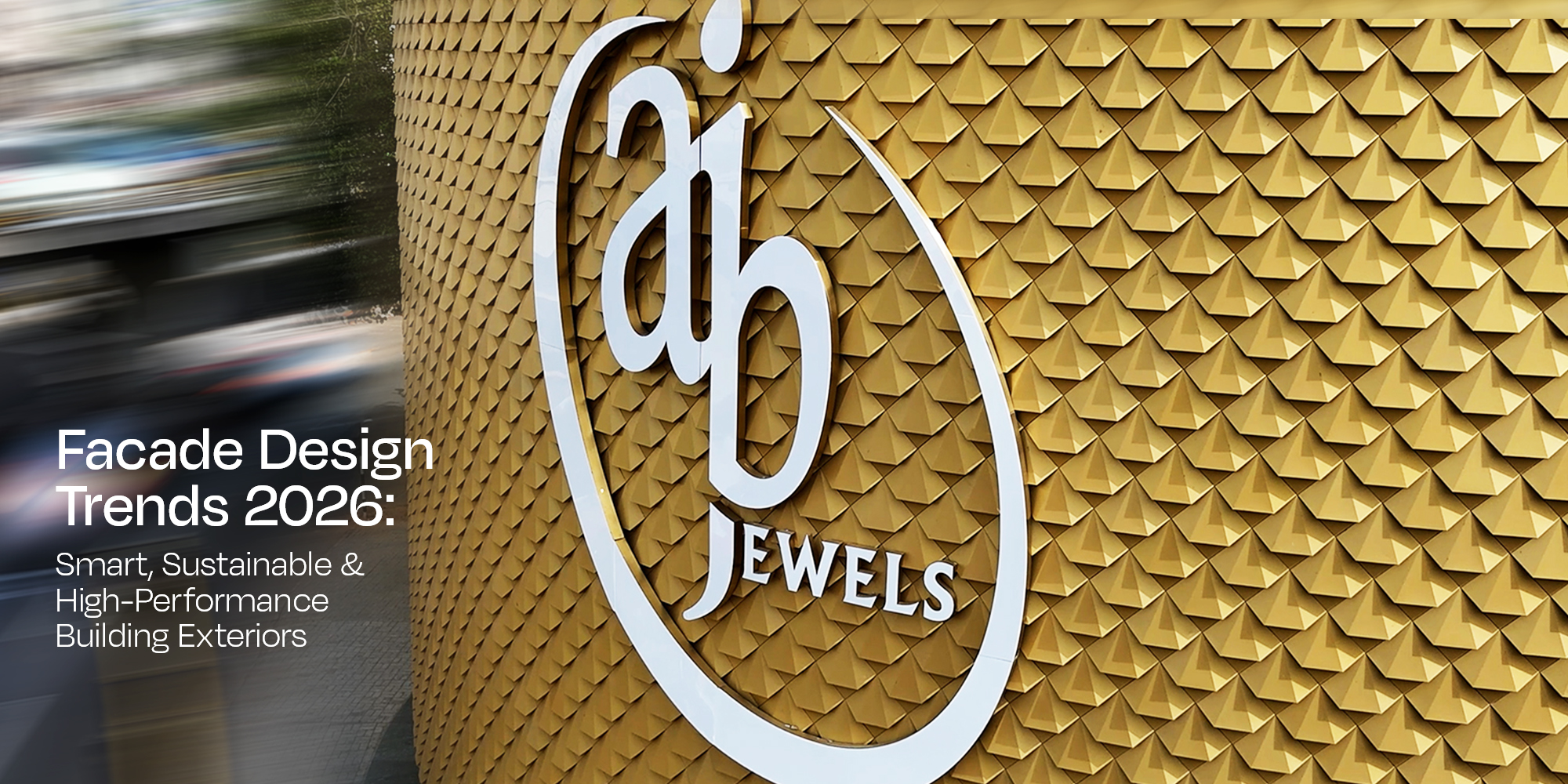
The building envelope is undergoing a radical transformation. No longer just a 'skin,' it is now a performance-driven asset that breathes and adapts. As we explore the defining facade design trends 2026, it becomes clear that the focus has shifted toward creating 'smart' exteriors that harvest energy and manage microclimates. These architectural facade trends 2026 represent the new standard for developers: a fusion of carbon-neutral materials and biophilic aesthetics that transform a building’s face into its most functional organ.
Why Facade Design Trends in 2026 Are Changing Modern Architecture
The current facade design evolution is moving away from the all-glass box, toward highly specialized, adaptive systems. The exterior is now the most critical factor in a building’s operational success. How Facades Improve Building Performance: Today’s building envelopes act as climate regulators. By integrating automated shading and high-performance insulation, modern facades can reduce energy consumption by up to 40%. They don't just shield the building; they actively manage heat and light. Importance of Facade Design in Architecture: Sustainability is now the baseline, not a luxury. A well-designed facade is the primary tool for achieving net-zero goals, ensuring that structures remain resilient against the extreme weather patterns of 2026. Modern Architecture Facade Trends: We are seeing a shift toward mixed-material layering. Architects are pairing metal with stone, glass, and even timber to create depth. There is also a strong movement toward light-maximization, using ultra-slim profiles to pull natural light deeper into floor plates without the traditional heat gain.
Sustainable Facade Systems Leading the Construction Industry in 2026
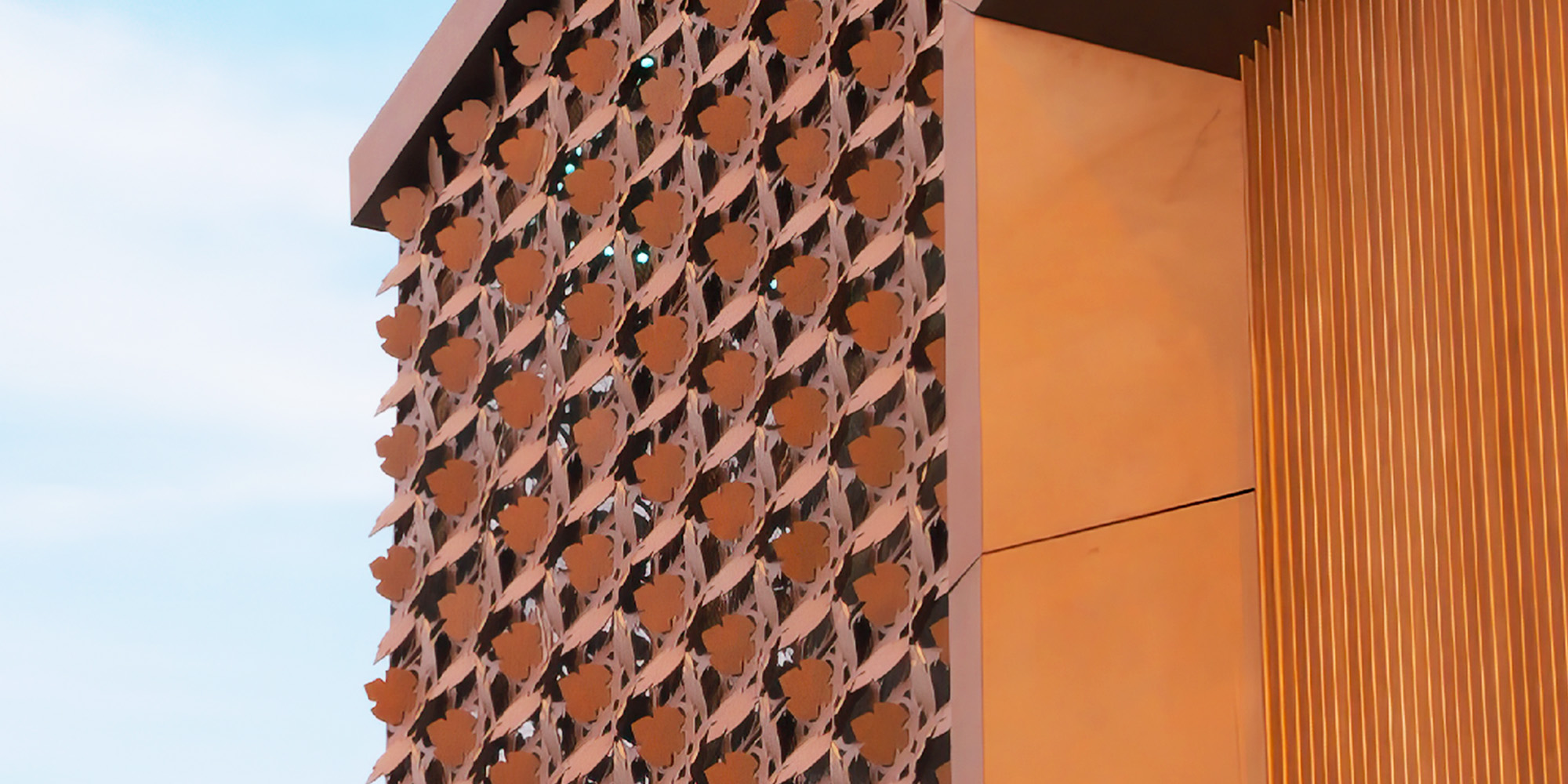
The industry is seeing a massive shift toward eco friendly building facades that do more than just provide shelter; they generate value. The rise of BIPV (Building-Integrated Photovoltaics) is at the forefront of this movement, transforming vertical walls into active power plants. These solar-integrated panels have become so aesthetically refined that they are now virtually indistinguishable from high-end cladding or architectural glass, proving that a low carbon building envelope does not require a compromise on visual elegance. When selecting green facade materials 2026, architects are prioritizing a mix of high-tech and circular options. Recycled aluminum remains the gold standard for a sustainable facade system due to its extreme durability and "infinite" recyclability. To further enhance performance, developers are pairing these frames with smart, adaptive glass - electrochromic panels that tint automatically in response to sunlight to slash cooling costs. For mid-rise urban developments, we are also seeing a surge in bio-based composites, such as timber-glass hybrids and terracotta, which offer a warmer, organic aesthetic with a lower environmental footprint. Beyond material choice, the core of energy efficient facade design lies in smart airflow management. The "Ventilated Facade" is more popular than ever; by engineering a precise air cavity between the insulation and the outer panel, moisture is naturally evacuated through the chimney effect. This not only regulates internal temperatures but significantly extends the building's lifespan by protecting the primary structure from the elements.Advanced Metal and Parametric Facade Innovations for 2026
We have entered a definitive era where geometry meets high-level performance. The rise of parametric facade design, the practice of using complex algorithms to determine the exact shape and placement of every panel, has unlocked a level of architectural precision that was previously impossible to achieve. This isn't just about bold shapes; it’s about optimizing the building's "skin" for its specific environment. One of the most significant metal facade design trends 2026 is the move toward 3D textured metal facades. By utilizing CNC-milling and robotic folding, manufacturers are creating surfaces with deep, tactile dimensions. These textured systems do more than catch the eye; they create moving shadows that shift throughout the day, providing a layer of natural solar shading that reduces the heat load on the building's interior. When it comes to material choice, aluminum facade systems remain the industry standard. Because it is lightweight, corrosion-resistant, and incredibly flexible, aluminum has become the premier medium for custom metal facade cladding. We are seeing a particular surge in the use of perforated aluminum screens, which allow architects to maintain transparency and airflow without sacrificing occupant privacy. The real breakthrough, however, lies in parametric precision. By leveraging digital twins and AI-assisted design, engineers can now ensure that every piece of custom metal facade cladding is perfectly optimized for its specific coordinates on the building. This level of microscopic planning ensures a seamless installation and pushes material waste toward
How Metaguise Is Shaping the Future of High-Performance Facade Design
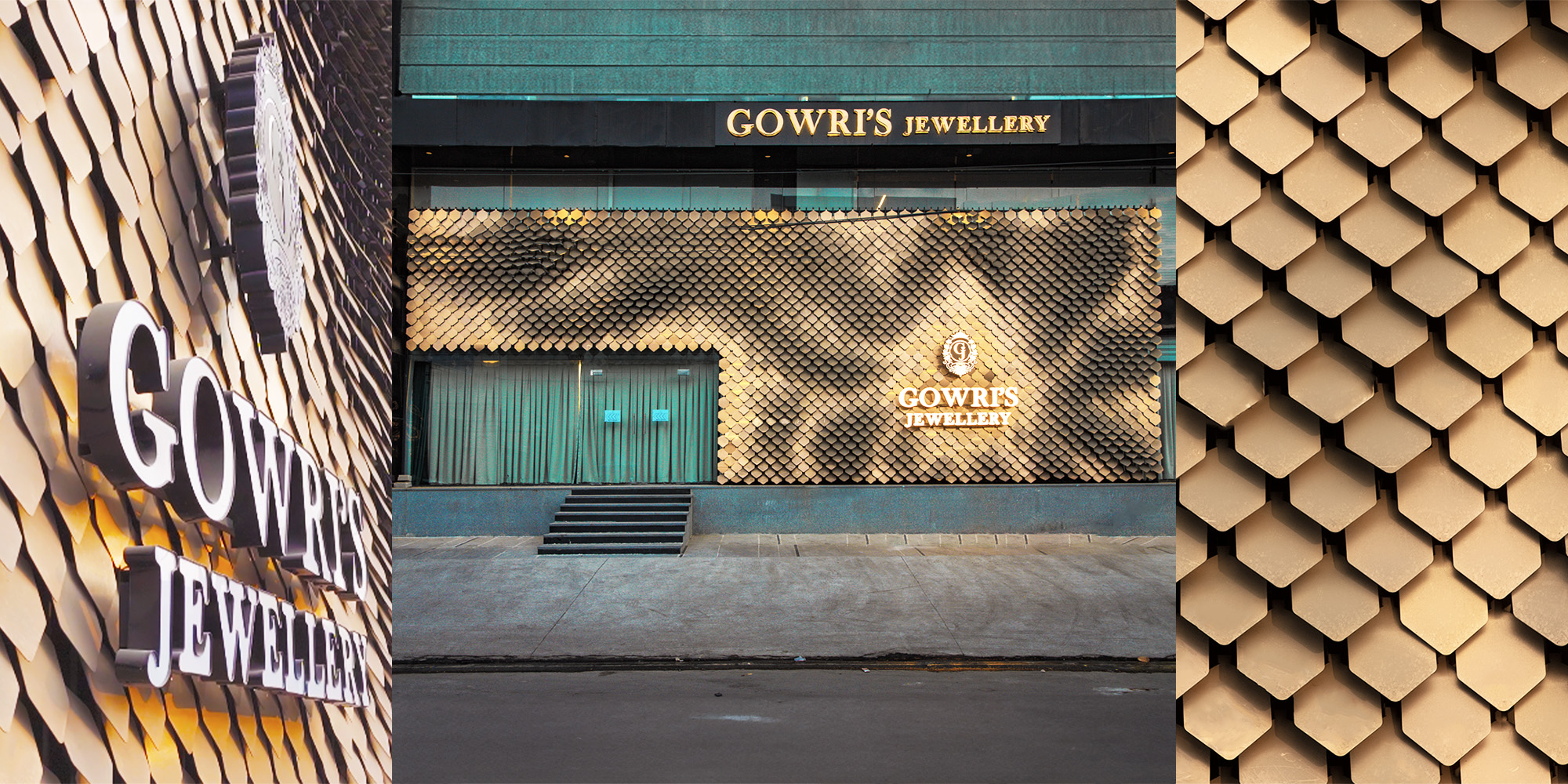
In the rapidly evolving landscape of Indian architecture, Metaguise has become a name synonymous with the "Signature Facade." As an innovative facade manufacturer India, we specialise in bridging the gap between highly complex architectural concepts and practical, high-end site execution. Our commitment to engineering high performance facade systems ensures every building skin is more than just a beautiful exterior. As the premier metal facade experts India, our team delivers solutions that are fire-safe, seepage-free, and thermally efficient, providing long-term value for every landmark they create. Is your next project ready for the future? Don't settle for a standard building exterior. Explore the limitless possibilities of our custom facade solutions India and see how we redefine modern facades.
23-02-26 | Industry Trends
The building envelope is undergoing a radical transformation. No longer just a 'skin,' it is now a performance-driven asset that breathes and adapts. As we explore the defining facade design trends 2026, it becomes clear that the focus has shifted toward creating 'smart' exteriors that harvest energy and manage microclimates. These architectural facade trends 2026 represent the new standard for developers: a fusion of carbon-neutral materials and biophilic aesthetics that transform a building’s face into its most functional organ.
Why Facade Design Trends in 2026 Are Changing Modern Architecture
The current facade design evolution is moving away from the all-glass box, toward highly specialized, adaptive systems. The exterior is now the most critical factor in a building’s operational success. How Facades Improve Building Performance: Today’s building envelopes act as climate regulators. By integrating automated shading and high-performance insulation, modern facades can reduce energy consumption by up to 40%. They don't just shield the building; they actively manage heat and light. Importance of Facade Design in Architecture: Sustainability is now the baseline, not a luxury. A well-designed facade is the primary tool for achieving net-zero goals, ensuring that structures remain resilient against the extreme weather patterns of 2026. Modern Architecture Facade Trends: We are seeing a shift toward mixed-material layering. Architects are pairing metal with stone, glass, and even timber to create depth. There is also a strong movement toward light-maximization, using ultra-slim profiles to pull natural light deeper into floor plates without the traditional heat gain.
Sustainable Facade Systems Leading the Construction Industry in 2026
The industry is seeing a massive shift toward eco friendly building facades that do more than just provide shelter; they generate value. The rise of BIPV (Building-Integrated Photovoltaics) is at the forefront of this movement, transforming vertical walls into active power plants. These solar-integrated panels have become so aesthetically refined that they are now virtually indistinguishable from high-end cladding or architectural glass, proving that a low carbon building envelope does not require a compromise on visual elegance. When selecting green facade materials 2026, architects are prioritizing a mix of high-tech and circular options. Recycled aluminum remains the gold standard for a sustainable facade system due to its extreme durability and "infinite" recyclability. To further enhance performance, developers are pairing these frames with smart, adaptive glass - electrochromic panels that tint automatically in response to sunlight to slash cooling costs. For mid-rise urban developments, we are also seeing a surge in bio-based composites, such as timber-glass hybrids and terracotta, which offer a warmer, organic aesthetic with a lower environmental footprint. Beyond material choice, the core of energy efficient facade design lies in smart airflow management. The "Ventilated Facade" is more popular than ever; by engineering a precise air cavity between the insulation and the outer panel, moisture is naturally evacuated through the chimney effect. This not only regulates internal temperatures but significantly extends the building's lifespan by protecting the primary structure from the elements.Advanced Metal and Parametric Facade Innovations for 2026
We have entered a definitive era where geometry meets high-level performance. The rise of parametric facade design, the practice of using complex algorithms to determine the exact shape and placement of every panel, has unlocked a level of architectural precision that was previously impossible to achieve. This isn't just about bold shapes; it’s about optimizing the building's "skin" for its specific environment. One of the most significant metal facade design trends 2026 is the move toward 3D textured metal facades. By utilizing CNC-milling and robotic folding, manufacturers are creating surfaces with deep, tactile dimensions. These textured systems do more than catch the eye; they create moving shadows that shift throughout the day, providing a layer of natural solar shading that reduces the heat load on the building's interior. When it comes to material choice, aluminum facade systems remain the industry standard. Because it is lightweight, corrosion-resistant, and incredibly flexible, aluminum has become the premier medium for custom metal facade cladding. We are seeing a particular surge in the use of perforated aluminum screens, which allow architects to maintain transparency and airflow without sacrificing occupant privacy. The real breakthrough, however, lies in parametric precision. By leveraging digital twins and AI-assisted design, engineers can now ensure that every piece of custom metal facade cladding is perfectly optimized for its specific coordinates on the building. This level of microscopic planning ensures a seamless installation and pushes material waste toward
How Metaguise Is Shaping the Future of High-Performance Facade Design
In the rapidly evolving landscape of Indian architecture, Metaguise has become a name synonymous with the "Signature Facade." As an innovative facade manufacturer India, we specialise in bridging the gap between highly complex architectural concepts and practical, high-end site execution. Our commitment to engineering high performance facade systems ensures every building skin is more than just a beautiful exterior. As the premier metal facade experts India, our team delivers solutions that are fire-safe, seepage-free, and thermally efficient, providing long-term value for every landmark they create. Is your next project ready for the future? Don't settle for a standard building exterior. Explore the limitless possibilities of our custom facade solutions India and see how we redefine modern facades.
Related Articles
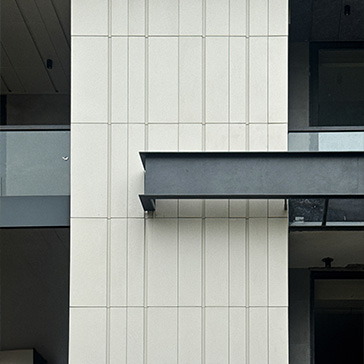
Why Aluminium Cladding Is the Future of Facade Design in Indian Architecture
India’s architecture is evolving - faster, smarter, and more performance-driven than ever before. As cities grow and climates shift, the facade is no longer just an exterior skin. It’s a functional envelope that must adapt, protect, and express.
12-09-25 | Industry Trends
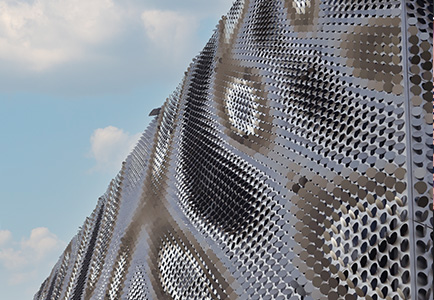
Parametric Architecture in India: Why It’s Shaping the Future of Facade Design
Architecture is evolving - and with it, the language of the façade. At the heart of this evolution lies a powerful design philosophy: parametric architecture.
03-11-25 | Industry Trends
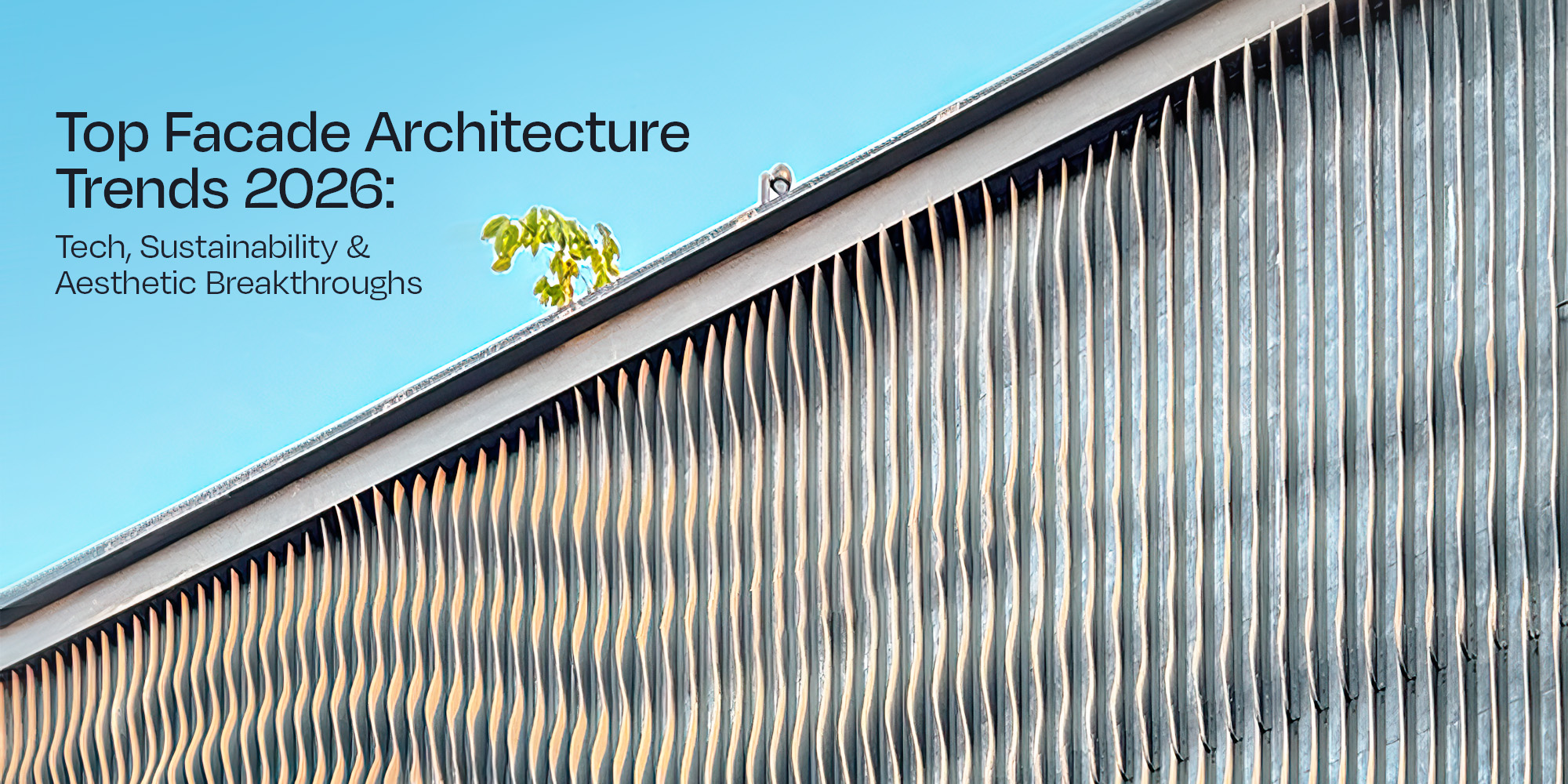
Top Facade Architecture Trends 2026 Tech Sustainability and Aesthetic Breakthroughs
The building envelope is undergoing a radical transformation. No longer just a 'skin,' it is now a performance-driven asset that breathes and adapts
12-02-26 | Industry Trends
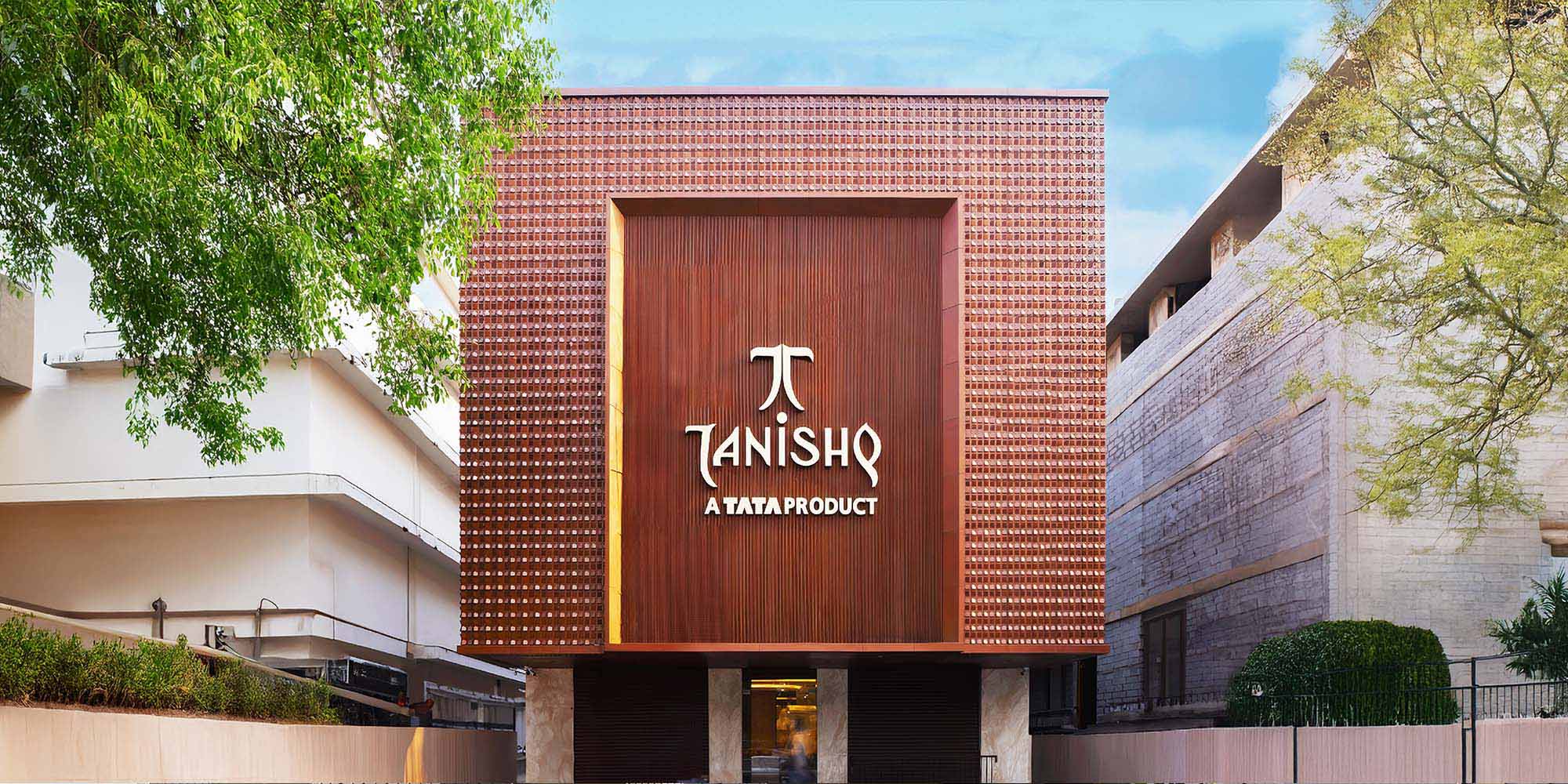
Architecture as Branding: Why Commercial Elevation Design Matters for Business
In the world of retail and business, your building is your biggest billboard. Before a customer ever speaks to a salesperson or sees a product, they see your facade.
10-03-26 | Industry Trends
Social
Legal
Privacy Policy|Terms & Conditions