





Facade Companies in India's Metro Cities: Mumbai, Bangalore, Hyderabad, Pune and Kolkata
23-08-26 | Company News & Updates
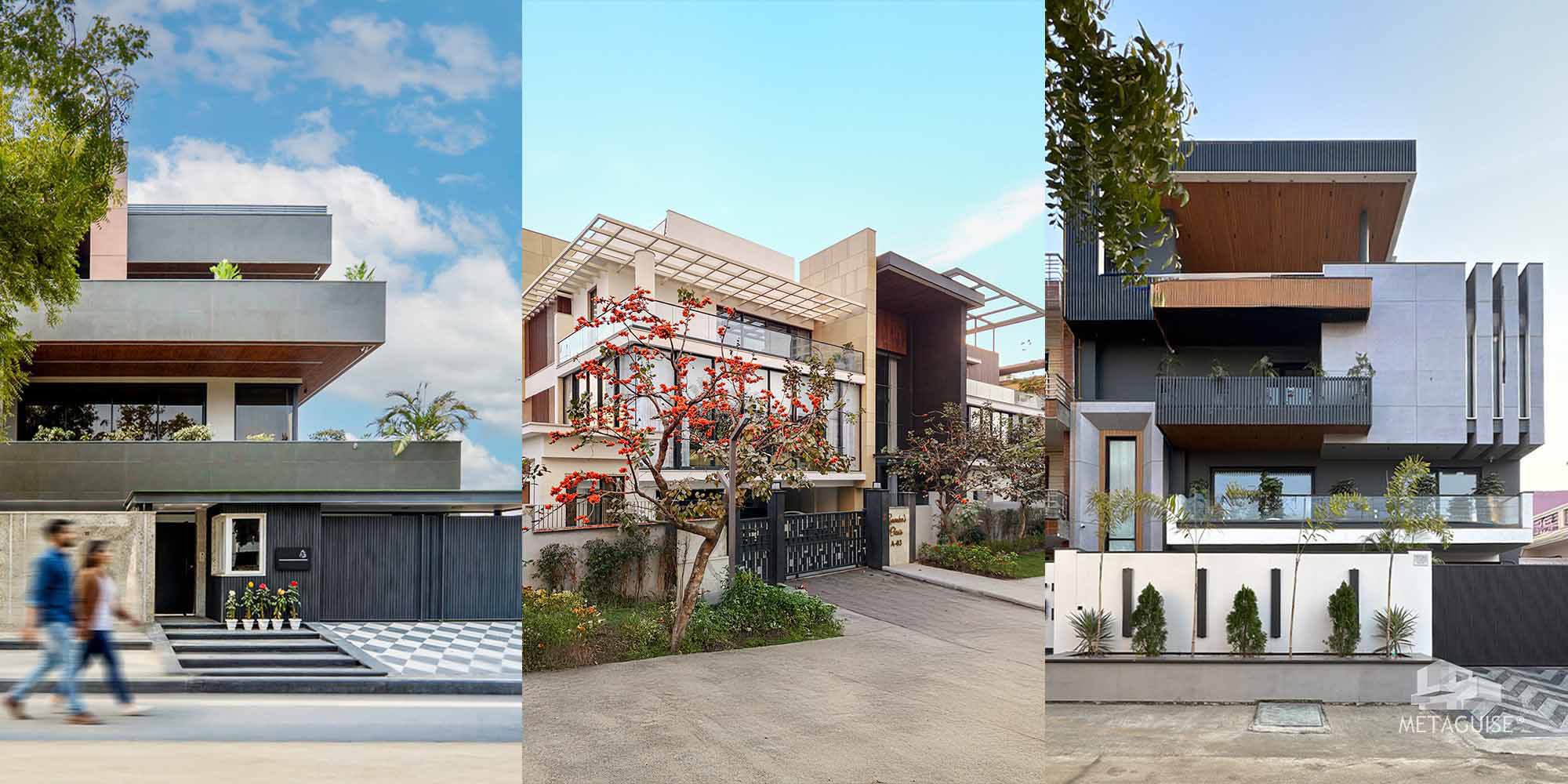
Commercial and premium residential facade work has expanded well beyond Delhi NCR over the last few years, with genuine, consistent project volume now coming from Mumbai, Bangalore, Hyderabad, Pune, and Kolkata. Each of these cities has its own climate, construction pace, and building culture, and choosing a facade company that understands those local differences matters as much as the company's general design capability. Here's what to know if you're evaluating facade partners in any of these cities.
Mumbai
Mumbai's coastal, high-humidity climate makes corrosion resistance a genuine priority for any facade project, particularly for buildings within a few kilometres of the coastline. Marine-grade aluminium and PVDF finishes are worth the additional cost here, since standard-grade specifications can begin showing wear within just a couple of years in this environment. Mumbai's density and tighter site access also make installation logistics a bigger practical factor than in cities with more generous plot sizes, so it's worth asking prospective contractors specifically how they manage site access and material delivery in constrained urban locations.
Bangalore
Bangalore's more moderate climate compared to much of the rest of India gives facade designers somewhat more material flexibility, though the city's rapid commercial and tech-sector construction growth has created strong demand for facades that communicate a contemporary, forward-looking identity, particularly for office and corporate campus projects. A facade company with genuine commercial-scale engineering experience matters more here than in markets with a heavier residential mix, given how much of Bangalore's facade demand comes from large office developments.
Hyderabad
Hyderabad's growing IT and commercial corridor has driven consistent demand for both new-build commercial facades and renovation work on older office stock looking to modernise its street presence. The city's hot, dry climate for much of the year makes solar shading a genuinely important design consideration, not just a visual one, particularly for west-facing office elevations that see intense afternoon heat gain.
Pune
Pune's facade market spans a genuine mix of commercial, educational, and premium residential projects, reflecting the city's diverse growth. Its climate is comparatively milder than Delhi NCR or Hyderabad, which gives somewhat more flexibility in material choice, though monsoon exposure still needs to be planned for properly in any facade system's waterproofing and drainage detailing.
Kolkata
Kolkata's climate combines high humidity with a genuine monsoon season, conditions that call for many of the same corrosion resistance and drainage considerations relevant to Mumbai and coastal cities, despite Kolkata not being directly on the coast. The city's facade market is smaller in volume than the other cities covered here, which makes it particularly important to confirm a prospective contractor has real, verifiable local project experience rather than treating the city as an occasional, unfamiliar market.
What to check regardless of city
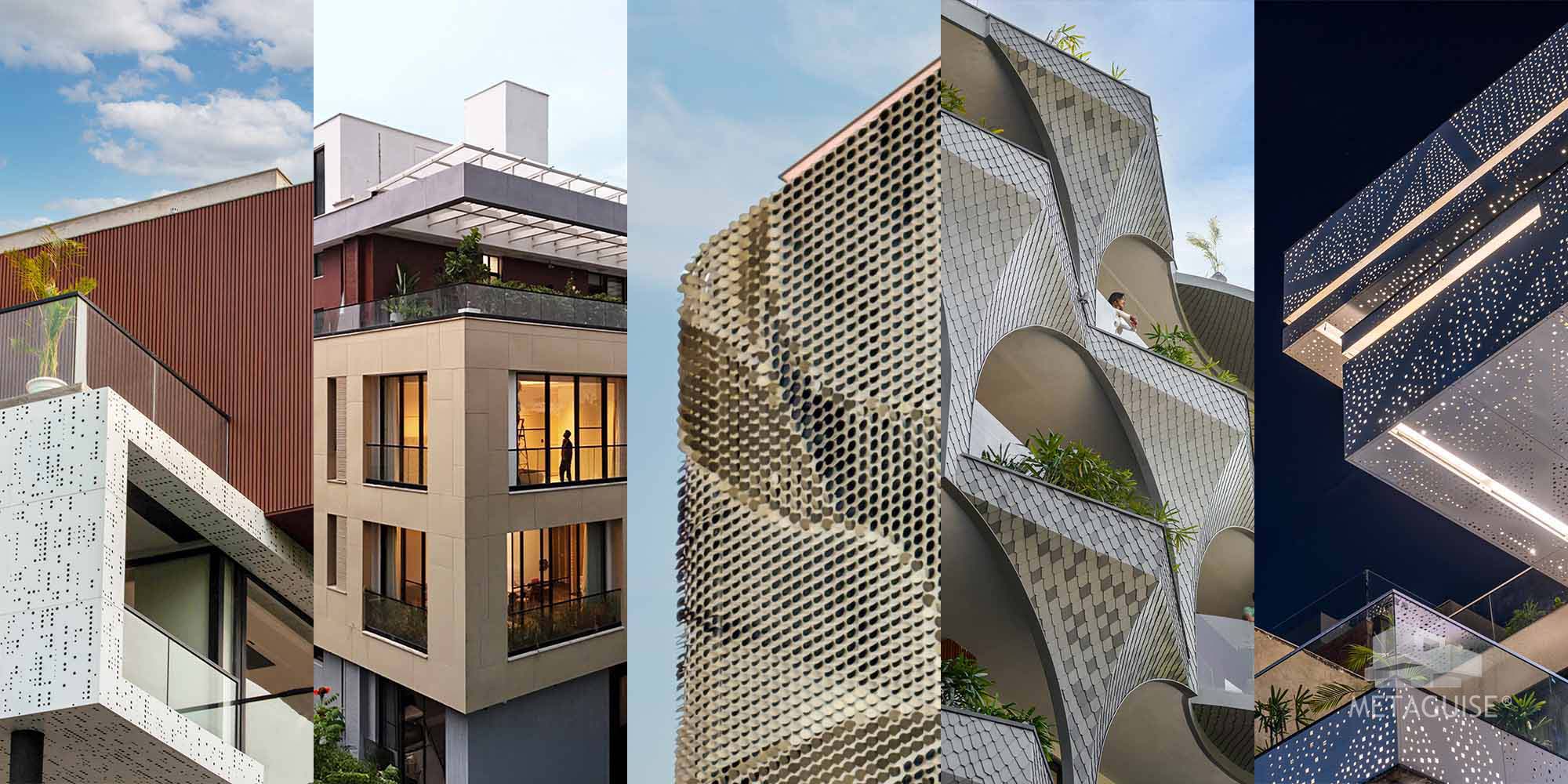
A few evaluation points apply consistently across all five cities. Ask for the specific alloy grade and finish being quoted, along with a technical data sheet, rather than accepting vague descriptions like premium or weather resistant. Ask to see completed projects at least a few years old in a similar climate to confirm how the material has actually performed over time, not just how it looked on installation day. And confirm the quote clearly separates design, engineering, fabrication, substructure, and installation, since an incomplete quote that looks attractive on paper often means significant costs get added later as the project proceeds.
Typical facade costs across these cities
Facade design and installation costs across Mumbai, Bangalore, Hyderabad, Pune, and Kolkata generally fall within the same broad national range, roughly 800 to 2,500 rupees per square foot, with coastal cities like Mumbai and Kolkata typically sitting somewhat higher due to the marine-grade material specification often needed, and inland cities like Bangalore and Pune generally sitting toward the lower to middle of that range given their milder climate demands.
Working with a pan-India facade partner
A facade company with genuine delivery experience across multiple Indian cities brings a real advantage: a design and engineering process that already accounts for regional climate differences, rather than treating every project as a first attempt at understanding local conditions. At Metaguise, we've delivered facade and elevation projects across Delhi NCR, Mumbai, Bangalore, Hyderabad, Pune, and Kolkata, including work for clients like Tanishq and RJ Jewellers, with material specifications adjusted for each city's specific climate at the design stage.
Frequently Asked Questions
1. Does facade material specification really need to change from city to city in India?
Yes, coastal cities like Mumbai need marine-grade corrosion resistance, hot inland cities need strong UV and heat stable finishes, and monsoon-heavy regions need reliable drainage detailing, so a genuinely well-specified facade accounts for these local differences.
2. Which Indian city has the most demanding climate for facade materials?
Coastal cities with high humidity, particularly Mumbai and Kolkata, tend to be the most demanding for corrosion resistance, while inland cities with intense heat like Hyderabad and Delhi NCR place more emphasis on UV and thermal performance.
3. How much does a commercial facade cost in India's metro cities?
Costs typically range from 800 to 2,500 rupees per square foot across these cities, with coastal locations often sitting toward the higher end due to the marine-grade materials frequently required.
4. Should I choose a local facade company or one with pan-India experience?
A company with genuine pan-India delivery experience often brings a real advantage, since their design and engineering process already accounts for regional climate differences rather than learning them on your project.
5. What's the biggest facade challenge specific to Bangalore or Pune?
Both cities have more moderate climates than Delhi NCR or Hyderabad, but rapid commercial growth in both markets makes facade design that communicates a contemporary, forward-looking identity a genuine priority for office and corporate projects.
If you're planning a facade project in Mumbai, Bangalore, Hyderabad, Pune, or Kolkata, share your project details with our team for a design and cost estimate suited to your city and climate.
23-08-26 | Company News & Updates
Commercial and premium residential facade work has expanded well beyond Delhi NCR over the last few years, with genuine, consistent project volume now coming from Mumbai, Bangalore, Hyderabad, Pune, and Kolkata. Each of these cities has its own climate, construction pace, and building culture, and choosing a facade company that understands those local differences matters as much as the company's general design capability. Here's what to know if you're evaluating facade partners in any of these cities.
Mumbai
Mumbai's coastal, high-humidity climate makes corrosion resistance a genuine priority for any facade project, particularly for buildings within a few kilometres of the coastline. Marine-grade aluminium and PVDF finishes are worth the additional cost here, since standard-grade specifications can begin showing wear within just a couple of years in this environment. Mumbai's density and tighter site access also make installation logistics a bigger practical factor than in cities with more generous plot sizes, so it's worth asking prospective contractors specifically how they manage site access and material delivery in constrained urban locations.
Bangalore
Bangalore's more moderate climate compared to much of the rest of India gives facade designers somewhat more material flexibility, though the city's rapid commercial and tech-sector construction growth has created strong demand for facades that communicate a contemporary, forward-looking identity, particularly for office and corporate campus projects. A facade company with genuine commercial-scale engineering experience matters more here than in markets with a heavier residential mix, given how much of Bangalore's facade demand comes from large office developments.
Hyderabad
Hyderabad's growing IT and commercial corridor has driven consistent demand for both new-build commercial facades and renovation work on older office stock looking to modernise its street presence. The city's hot, dry climate for much of the year makes solar shading a genuinely important design consideration, not just a visual one, particularly for west-facing office elevations that see intense afternoon heat gain.
Pune
Pune's facade market spans a genuine mix of commercial, educational, and premium residential projects, reflecting the city's diverse growth. Its climate is comparatively milder than Delhi NCR or Hyderabad, which gives somewhat more flexibility in material choice, though monsoon exposure still needs to be planned for properly in any facade system's waterproofing and drainage detailing.
Kolkata
Kolkata's climate combines high humidity with a genuine monsoon season, conditions that call for many of the same corrosion resistance and drainage considerations relevant to Mumbai and coastal cities, despite Kolkata not being directly on the coast. The city's facade market is smaller in volume than the other cities covered here, which makes it particularly important to confirm a prospective contractor has real, verifiable local project experience rather than treating the city as an occasional, unfamiliar market.
What to check regardless of city
A few evaluation points apply consistently across all five cities. Ask for the specific alloy grade and finish being quoted, along with a technical data sheet, rather than accepting vague descriptions like premium or weather resistant. Ask to see completed projects at least a few years old in a similar climate to confirm how the material has actually performed over time, not just how it looked on installation day. And confirm the quote clearly separates design, engineering, fabrication, substructure, and installation, since an incomplete quote that looks attractive on paper often means significant costs get added later as the project proceeds.
Typical facade costs across these cities
Facade design and installation costs across Mumbai, Bangalore, Hyderabad, Pune, and Kolkata generally fall within the same broad national range, roughly 800 to 2,500 rupees per square foot, with coastal cities like Mumbai and Kolkata typically sitting somewhat higher due to the marine-grade material specification often needed, and inland cities like Bangalore and Pune generally sitting toward the lower to middle of that range given their milder climate demands.
Working with a pan-India facade partner
A facade company with genuine delivery experience across multiple Indian cities brings a real advantage: a design and engineering process that already accounts for regional climate differences, rather than treating every project as a first attempt at understanding local conditions. At Metaguise, we've delivered facade and elevation projects across Delhi NCR, Mumbai, Bangalore, Hyderabad, Pune, and Kolkata, including work for clients like Tanishq and RJ Jewellers, with material specifications adjusted for each city's specific climate at the design stage.
Frequently Asked Questions
1. Does facade material specification really need to change from city to city in India?
Yes, coastal cities like Mumbai need marine-grade corrosion resistance, hot inland cities need strong UV and heat stable finishes, and monsoon-heavy regions need reliable drainage detailing, so a genuinely well-specified facade accounts for these local differences.
2. Which Indian city has the most demanding climate for facade materials?
Coastal cities with high humidity, particularly Mumbai and Kolkata, tend to be the most demanding for corrosion resistance, while inland cities with intense heat like Hyderabad and Delhi NCR place more emphasis on UV and thermal performance.
3. How much does a commercial facade cost in India's metro cities?
Costs typically range from 800 to 2,500 rupees per square foot across these cities, with coastal locations often sitting toward the higher end due to the marine-grade materials frequently required.
4. Should I choose a local facade company or one with pan-India experience?
A company with genuine pan-India delivery experience often brings a real advantage, since their design and engineering process already accounts for regional climate differences rather than learning them on your project.
5. What's the biggest facade challenge specific to Bangalore or Pune?
Both cities have more moderate climates than Delhi NCR or Hyderabad, but rapid commercial growth in both markets makes facade design that communicates a contemporary, forward-looking identity a genuine priority for office and corporate projects.
If you're planning a facade project in Mumbai, Bangalore, Hyderabad, Pune, or Kolkata, share your project details with our team for a design and cost estimate suited to your city and climate.
Related Articles
Your Facade is Your Identity: Crafting Signature Statements with Our Customizable Parametrics
In architecture, first impressions aren't just important - they're permanent. Your facade is more than a surface. It’s the visual voice of your building, the first and most lasting statement it makes. At Metaguise, we treat every facade as an opportunity to express identity, ambition, and originality - especially when designed through parametric architecture.
11-04-25 | Company News & Updates
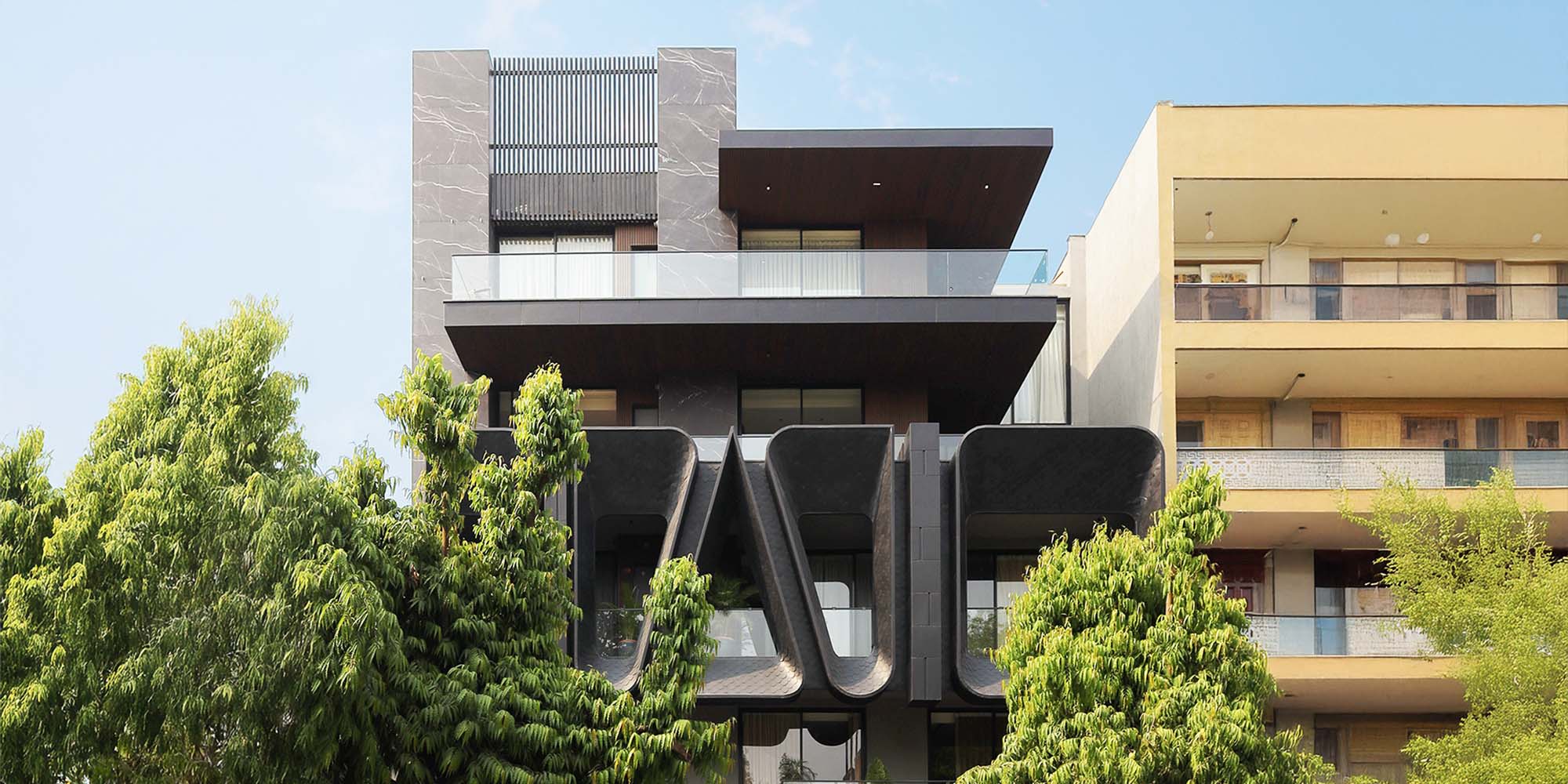
The Gold Standard: Why Metaguise is the 1 Choice of Top Architects in India
Parametric architecture in India is transforming modern buildings through data-driven design and advanced metal facade systems
02-01-26 | Company News & Updates
Facade and Elevation Design Company in Delhi NCR: A Complete Guide
Delhi NCR has one of the busiest facade and elevation design markets in India, driven by a mix of commercial construction, premium residential renovation, and a genuinely large farmhouse segment.
18-08-26 | Company News & Updates
Social
Legal
Privacy Policy|Terms & Conditions