



Custom Facade Design: What Bespoke Actually Means and What to Expect
09-09-26 | Architectural Insights
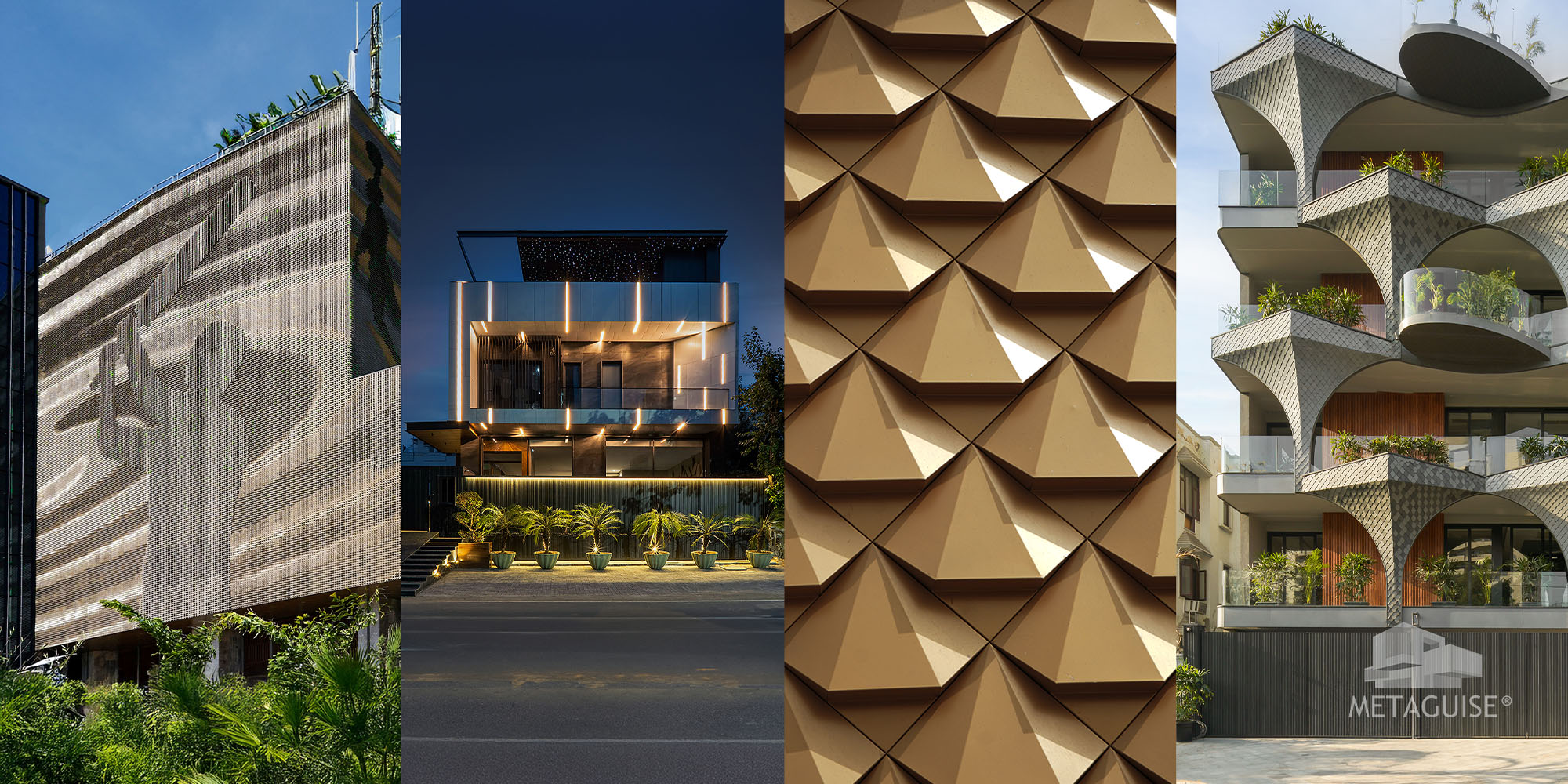
Custom facade and bespoke are two of the most used, and most vaguely understood, words in facade design conversations across India. Every facade company claims to offer custom work, but what that actually means, and what it actually costs compared to a standard system, varies enormously from one company to the next. Here's a straightforward look at what genuine custom facade design involves, and what to ask before assuming a quoted project is truly custom rather than a slightly modified standard product.
What Custom Facade Design Actually Means in Practice
A genuinely custom facade is designed specifically for one building, its exact proportions, orientation, structural conditions, and the client's specific goals, rather than adapting an existing standard product or pattern to fit a new project after the fact. This means the design process starts from the building itself, not from a catalogue of pre-existing options, and it typically involves parametric modelling, structural engineering specific to that one building, and fabrication drawings unique to that single project alone. This is meaningfully different from a standard system with customisable options, choosing a colour, a panel size, or a finish from a defined range of choices within an existing product line. Both approaches have their genuine place, but they're not the same thing at all, and it's worth knowing which one you're actually being quoted before comparing prices across different facade companies as if they were offering the same thing.What You Should Actually Consider When Choosing Materials for a Custom Facade
Material selection for a custom facade needs to balance the design intent against genuine performance requirements for the building's specific climate and structural conditions. Since a custom design isn't constrained by an existing product's pre-tested material options, the material and finish need their own independent verification, technical data sheets, climate suitability, and structural compatibility with the custom geometry being proposed, rather than relying on a standard product's already established track record over years of use elsewhere. Cost, weight, and fabrication complexity all vary meaningfully between materials, and a genuinely good custom facade designer will walk through these tradeoffs specifically for your project's design intent, rather than defaulting to whichever material is simply most familiar to fabricate for their factory.Which Systems Are Actually Ideal for Bespoke Architectural Facades
The right system for a bespoke project depends entirely on what the design is actually trying to achieve, not on which system happens to be trending. Parametric panel systems suit designs wanting a computationally generated, often non-repeating pattern responding to specific building conditions and solar exposure. Cassette or cantilevered systems suit designs prioritising a clean, precise, dimensionally driven appearance over an organic or textured one. Mesh or perforated systems suit designs wanting texture, shading, and light filtering with genuine design flexibility across curved or irregular surfaces. A truly custom project often combines elements from more than one system type, rather than forcing the entire design into a single standard category that doesn't quite fit everywhere.Why Custom Facade Design Genuinely Costs More Than a Standard System
Custom design work requires dedicated parametric modelling and structural engineering time specific to one building, rather than reusing an already-developed and tested standard product across many buildings. Fabrication of unique, non-repeating panel shapes takes longer and requires more careful quality control than producing identical standard panels at scale, since there's no repeat-run efficiency to rely on. And installation of a fully custom system typically needs more careful sequencing and on-site coordination than fitting a standard, previously proven system that installers have handled many times before. This additional cost buys something genuinely different, a facade designed around your specific building rather than your building adapted to fit an existing product, which is exactly the value proposition custom facade design offers to clients for whom a standard system genuinely wouldn't achieve their design goals no matter how it's tweaked.How to Honestly Evaluate Whether You Actually Need a Fully Custom Facade
Not every project needs a fully custom approach to achieve a distinctive, considered result. A standard system with thoughtful material combinations, selective accent zones, and careful proportion can deliver a genuinely high quality facade at a considerably more accessible cost than a fully custom design. Fully custom work earns its cost specifically when a project's site conditions, brand identity, or design ambition genuinely can't be achieved within an existing system's constraints, a landmark commercial building, a highly unusual site geometry, or a design concept that's fundamentally unlike anything available in a standard product range.Signs a Facade Company Is Not Actually Offering Genuine Custom Work
Be cautious of a company that calls a project custom purely because you selected a colour or finish from their existing catalogue, without any dedicated design or engineering work specific to your building's actual geometry and conditions. Genuine custom work always involves real design hours and real engineering time visible in the proposal, not just a slightly personalised version of a product they've already built many times before for other clients.What Custom Facade Design Typically Costs
Custom facade projects typically sit toward the upper end of the broader facade cost range, generally above 1,500 rupees per square foot and often considerably higher depending on design complexity, reflecting the dedicated design, engineering, and fabrication work a genuinely bespoke project actually requires from start to finish.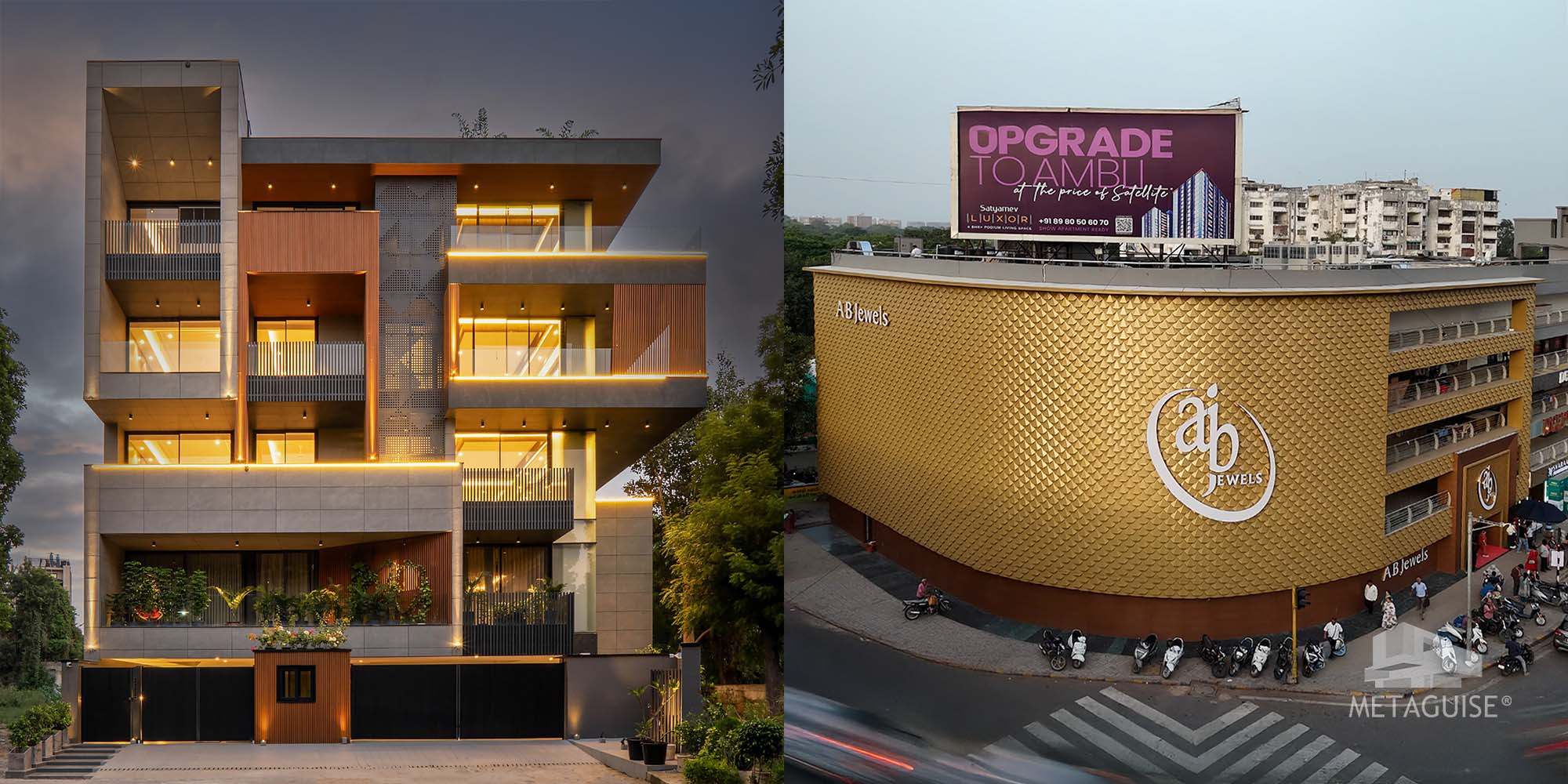
A Middle Path Worth Considering Before Going Fully Custom
If a fully custom facade feels like more than your project needs, it's worth knowing that several of our own product lines, including our parametric Cascading Keys system, already offer significant design flexibility within a proven, previously engineered framework. This middle path often delivers ninety percent of the visual distinctiveness of a fully custom design at a meaningfully lower cost and shorter timeline, worth discussing honestly with your designer before committing to a fully bespoke brief.Frequently Asked Questions
What's the difference between a custom facade and a customisable standard system?
A custom facade is designed specifically for one building from the ground up, while a customisable standard system lets you choose options, colour, panel size, finish, within an existing, pre-developed product line.Does a custom facade always cost more than a standard system?
Generally yes, since custom work requires dedicated design, engineering, and fabrication time specific to one project, rather than reusing an already developed and tested standard product across multiple buildings.How do I know if my project actually needs a fully custom facade?
Fully custom work is worth its cost when your site conditions, brand identity, or design ambition genuinely can't be achieved within a standard system's constraints. Many projects achieve strong results through a standard system with thoughtful material combinations instead.What should I ask a facade company claiming to offer custom design?
Ask specifically whether they're proposing a fully custom design built from your building's exact conditions, or a standard system with customisable options, since these are genuinely different and shouldn't be priced or evaluated the same way.Can custom facade elements be combined with standard systems on one building?
Yes, this is a common and cost-effective approach, using a custom feature element, an entrance or a specific accent zone, alongside a more standard system across the rest of the building.Discuss Whether Your Project Genuinely Needs Custom Work
If you're considering a custom or bespoke facade, walk through your project with our design team to find out honestly whether a fully custom approach or a thoughtfully specified standard system best suits what you're actually trying to achieve.09-09-26 | Architectural Insights
Custom facade and bespoke are two of the most used, and most vaguely understood, words in facade design conversations across India. Every facade company claims to offer custom work, but what that actually means, and what it actually costs compared to a standard system, varies enormously from one company to the next. Here's a straightforward look at what genuine custom facade design involves, and what to ask before assuming a quoted project is truly custom rather than a slightly modified standard product.
What Custom Facade Design Actually Means in Practice
A genuinely custom facade is designed specifically for one building, its exact proportions, orientation, structural conditions, and the client's specific goals, rather than adapting an existing standard product or pattern to fit a new project after the fact. This means the design process starts from the building itself, not from a catalogue of pre-existing options, and it typically involves parametric modelling, structural engineering specific to that one building, and fabrication drawings unique to that single project alone. This is meaningfully different from a standard system with customisable options, choosing a colour, a panel size, or a finish from a defined range of choices within an existing product line. Both approaches have their genuine place, but they're not the same thing at all, and it's worth knowing which one you're actually being quoted before comparing prices across different facade companies as if they were offering the same thing.What You Should Actually Consider When Choosing Materials for a Custom Facade
Material selection for a custom facade needs to balance the design intent against genuine performance requirements for the building's specific climate and structural conditions. Since a custom design isn't constrained by an existing product's pre-tested material options, the material and finish need their own independent verification, technical data sheets, climate suitability, and structural compatibility with the custom geometry being proposed, rather than relying on a standard product's already established track record over years of use elsewhere. Cost, weight, and fabrication complexity all vary meaningfully between materials, and a genuinely good custom facade designer will walk through these tradeoffs specifically for your project's design intent, rather than defaulting to whichever material is simply most familiar to fabricate for their factory.Which Systems Are Actually Ideal for Bespoke Architectural Facades
The right system for a bespoke project depends entirely on what the design is actually trying to achieve, not on which system happens to be trending. Parametric panel systems suit designs wanting a computationally generated, often non-repeating pattern responding to specific building conditions and solar exposure. Cassette or cantilevered systems suit designs prioritising a clean, precise, dimensionally driven appearance over an organic or textured one. Mesh or perforated systems suit designs wanting texture, shading, and light filtering with genuine design flexibility across curved or irregular surfaces. A truly custom project often combines elements from more than one system type, rather than forcing the entire design into a single standard category that doesn't quite fit everywhere.Why Custom Facade Design Genuinely Costs More Than a Standard System
Custom design work requires dedicated parametric modelling and structural engineering time specific to one building, rather than reusing an already-developed and tested standard product across many buildings. Fabrication of unique, non-repeating panel shapes takes longer and requires more careful quality control than producing identical standard panels at scale, since there's no repeat-run efficiency to rely on. And installation of a fully custom system typically needs more careful sequencing and on-site coordination than fitting a standard, previously proven system that installers have handled many times before. This additional cost buys something genuinely different, a facade designed around your specific building rather than your building adapted to fit an existing product, which is exactly the value proposition custom facade design offers to clients for whom a standard system genuinely wouldn't achieve their design goals no matter how it's tweaked.How to Honestly Evaluate Whether You Actually Need a Fully Custom Facade
Not every project needs a fully custom approach to achieve a distinctive, considered result. A standard system with thoughtful material combinations, selective accent zones, and careful proportion can deliver a genuinely high quality facade at a considerably more accessible cost than a fully custom design. Fully custom work earns its cost specifically when a project's site conditions, brand identity, or design ambition genuinely can't be achieved within an existing system's constraints, a landmark commercial building, a highly unusual site geometry, or a design concept that's fundamentally unlike anything available in a standard product range.Signs a Facade Company Is Not Actually Offering Genuine Custom Work
Be cautious of a company that calls a project custom purely because you selected a colour or finish from their existing catalogue, without any dedicated design or engineering work specific to your building's actual geometry and conditions. Genuine custom work always involves real design hours and real engineering time visible in the proposal, not just a slightly personalised version of a product they've already built many times before for other clients.What Custom Facade Design Typically Costs
Custom facade projects typically sit toward the upper end of the broader facade cost range, generally above 1,500 rupees per square foot and often considerably higher depending on design complexity, reflecting the dedicated design, engineering, and fabrication work a genuinely bespoke project actually requires from start to finish.A Middle Path Worth Considering Before Going Fully Custom
If a fully custom facade feels like more than your project needs, it's worth knowing that several of our own product lines, including our parametric Cascading Keys system, already offer significant design flexibility within a proven, previously engineered framework. This middle path often delivers ninety percent of the visual distinctiveness of a fully custom design at a meaningfully lower cost and shorter timeline, worth discussing honestly with your designer before committing to a fully bespoke brief.Frequently Asked Questions
What's the difference between a custom facade and a customisable standard system?
A custom facade is designed specifically for one building from the ground up, while a customisable standard system lets you choose options, colour, panel size, finish, within an existing, pre-developed product line.Does a custom facade always cost more than a standard system?
Generally yes, since custom work requires dedicated design, engineering, and fabrication time specific to one project, rather than reusing an already developed and tested standard product across multiple buildings.How do I know if my project actually needs a fully custom facade?
Fully custom work is worth its cost when your site conditions, brand identity, or design ambition genuinely can't be achieved within a standard system's constraints. Many projects achieve strong results through a standard system with thoughtful material combinations instead.What should I ask a facade company claiming to offer custom design?
Ask specifically whether they're proposing a fully custom design built from your building's exact conditions, or a standard system with customisable options, since these are genuinely different and shouldn't be priced or evaluated the same way.Can custom facade elements be combined with standard systems on one building?
Yes, this is a common and cost-effective approach, using a custom feature element, an entrance or a specific accent zone, alongside a more standard system across the rest of the building.Discuss Whether Your Project Genuinely Needs Custom Work
If you're considering a custom or bespoke facade, walk through your project with our design team to find out honestly whether a fully custom approach or a thoughtfully specified standard system best suits what you're actually trying to achieve.Related Articles
Architectural Luxury, Within Reach: Why MetaFlutes and MetaLouvers Are the Smartest Investment in Metal Facades
In today’s built environment, luxury is no longer defined by extravagance - it’s defined by intention. It’s about refined details, enduring finishes, and design that performs as beautifully as it looks. At Metaguise, our metal facade systems - MetaFlutes, MetaLouvers, and MetaCassette Perforated - are crafted to bring that standard of architectural luxury within reach...
07-04-25 | Architectural Insights
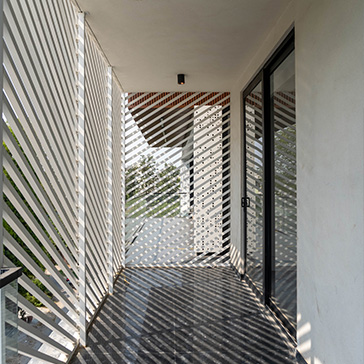
Why Architects Are Turning to Custom Metal Louvers in 2025
There’s something quietly brilliant happening in architecture right now. As buildings become more responsive and designers look for ways to merge aesthetics with performance, one feature is making a serious comeback, custom metal louvers.
03-06-25 | Architectural Insights
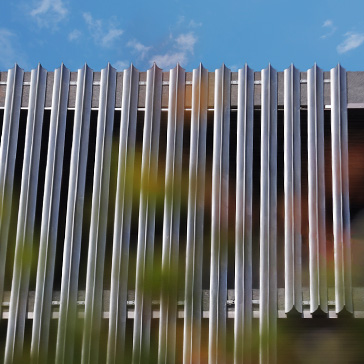
The Science of Shadows: How Facade Design Shapes Light and Mood
Architecture has always been about more than structure - it’s about rhythm, reflection, and the way light interacts with space.At Metaguise, we see every innovative facade as a living canvas, one that transforms not just how a building looks, but how it feels. Light becomes our material, and shadow becomes our tool.This is the art and the science behind MetaLouvers, MetaCassette, and the entire Metaguise facade family.
13-10-25 | Architectural Insights
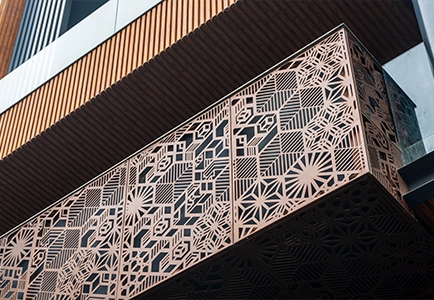
Custom Metal Facade Cladding in 2026: Design, Cost, Materials & Architect Guide
Explore how commercial spaces are using Metaguise facades to express identity and elevate perception.
24-11-25 | Architectural Insights
Social
Legal
Privacy Policy|Terms & Conditions