





Copper Facade Cladding: Why Architects Are Choosing Copper for 2026 Projects
12-08-26 | Material Spotlight
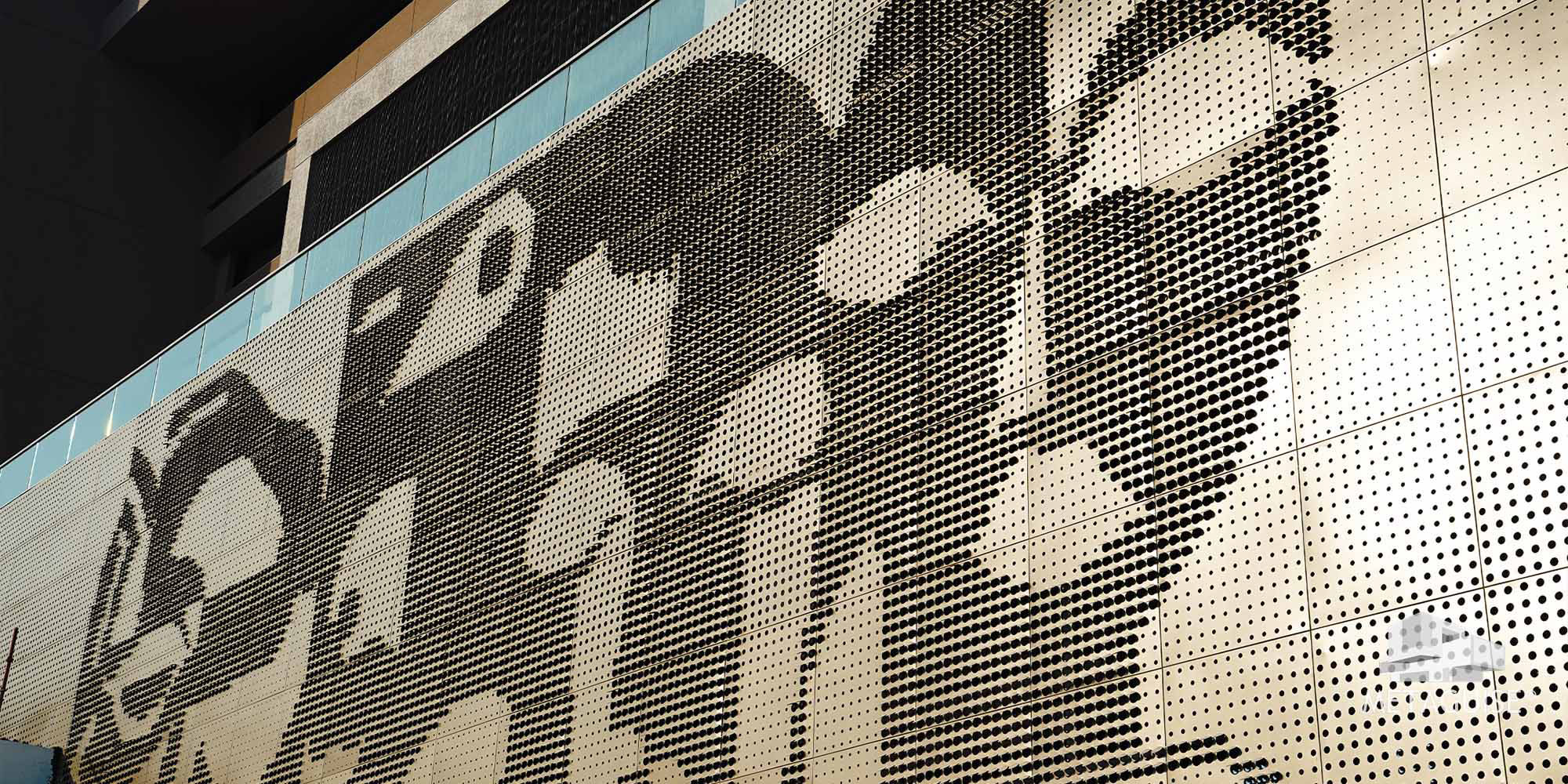
Copper is one of the oldest building materials still being specified on genuinely contemporary facades, and the reason is simple: it ages instead of just wearing out. Where most metal finishes are chosen to resist change over time, copper is chosen because of how it changes, shifting from a bright, warm tone to deep browns and eventually a soft blue-green patina over years of exposure. This guide covers why architects are bringing copper back into current facade design, and what to consider before specifying it.
Why copper behaves differently from other facade metals
Most facade metals are engineered to resist oxidation. Copper is defined by it. When copper is exposed to air and moisture, it develops a natural oxide layer that protects the metal underneath, and that layer changes colour as it forms, moving through bright copper tones, then darker browns, before eventually settling into the green-blue patina copper roofs are famous for. This process happens on its own timeline, typically taking years to fully develop, which means a copper facade genuinely looks different five years after installation than it did on day one. For clients who want a building that visibly matures rather than one that’s meant to look identical forever, this is the entire appeal. It’s also why copper pairs so well with architecture that leans into natural materials and weathering as a design principle, rather than fighting against it.
Where copper facades work best
Copper is a strong choice for buildings meant to have a distinctive, warm presence that develops character over time: cultural buildings, hospitality projects, premium residential facades, and commercial buildings that want to stand apart from the more common grey and silver metal palette most facades use. It’s less commonly specified for large, budget-sensitive commercial projects, since copper generally costs more than aluminium at equivalent panel thickness and finish quality.
What to know before specifying copper
The weathering timeline is not fully controllable. While the general progression from bright copper to patina is predictable, the exact speed and evenness of the change depends on local climate, rainfall and pollution exposure. A copper facade in a coastal, humid city will typically develop patina faster than one in a dry inland climate. This is worth discussing with your facade designer so the client’s expectations match what will actually happen on site. Pre-patinated copper is an option. If a client wants the mature patina look without waiting years for it to develop naturally, pre-patinated copper panels are available, chemically treated to achieve a stable green-blue finish before installation. This removes the natural weathering variability, at a different cost point than raw copper. Copper needs correct detailing at joints and drainage points. Copper runoff can stain adjacent materials like stone or light-coloured cladding if drainage isn’t detailed correctly, since the water carrying dissolved copper compounds will mark whatever it flows across. A facade designer experienced with copper will plan drainage paths specifically to avoid this.
Copper vs Corten steel
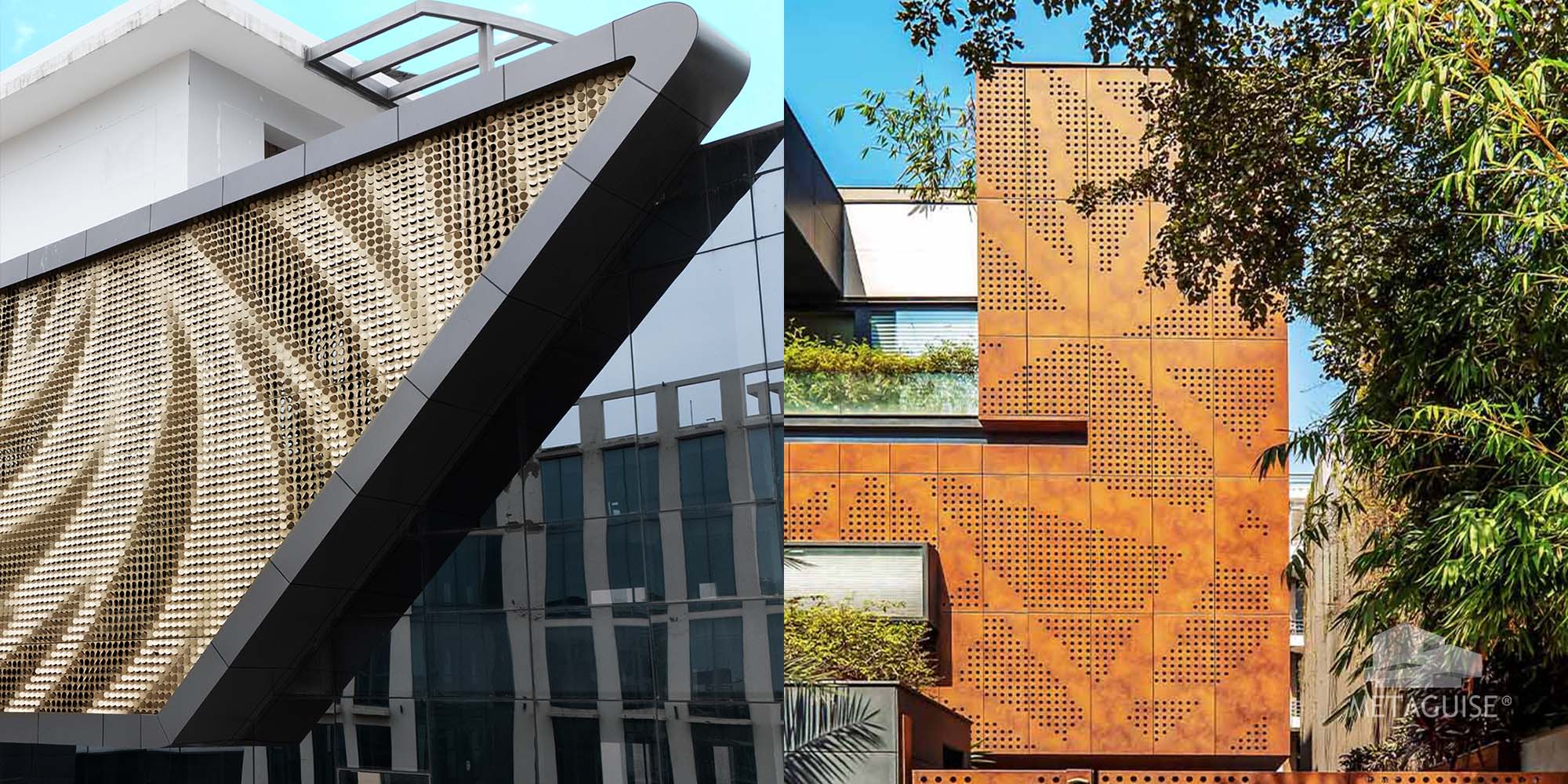
These two materials get compared often since both are chosen specifically for how they weather. Corten develops a stable rust-orange protective layer and reaches a fairly fixed appearance within a couple of years. Copper’s weathering process is slower and passes through more visible colour stages before settling into its final patina, and its end colour, blue-green rather than rust-orange, gives buildings a distinctly different character. Our MetaCorten range covers the weathering steel option if that warmer, rust-toned palette suits your project better than copper’s cooler final tone.
Frequently Asked Questions
1.Does a copper facade need maintenance?
Copper is largely self-protecting once its oxide layer forms, and generally needs only periodic inspection and cleaning rather than active maintenance. Avoid harsh chemical cleaners, since they can disrupt the natural patina process.2.How long does copper take to turn green?
The full green-blue patina typically takes several years to develop and depends heavily on local humidity and rainfall. Coastal and high-humidity climates accelerate the process compared to dry inland conditions.3.Is copper facade cladding expensive compared to aluminium?
Copper generally costs more than standard aluminium cladding at comparable thickness, largely due to raw material cost. The exact difference depends on panel gauge, finish and total project scale.4.Can copper cladding be used in coastal climates?
Yes, and copper performs well in coastal conditions since its natural patina layer is itself corrosion resistant. Detailing for drainage and adjacent material staining still needs careful planning in any climate.5.What’s the difference between raw copper and pre-patinated copper panels?
Raw copper weathers naturally over years, changing colour gradually. Pre-patinated copper is chemically treated to achieve a stable aged appearance before installation, giving a consistent, immediate result without the wait.Considering copper for your project
Copper is a material that rewards working with an experienced facade partner, since detailing, drainage and client expectations all need to be planned around its natural weathering process. Talk to our design team about whether copper suits your building’s climate and design intent.
12-08-26 | Material Spotlight
Copper is one of the oldest building materials still being specified on genuinely contemporary facades, and the reason is simple: it ages instead of just wearing out. Where most metal finishes are chosen to resist change over time, copper is chosen because of how it changes, shifting from a bright, warm tone to deep browns and eventually a soft blue-green patina over years of exposure. This guide covers why architects are bringing copper back into current facade design, and what to consider before specifying it.
Why copper behaves differently from other facade metals
Most facade metals are engineered to resist oxidation. Copper is defined by it. When copper is exposed to air and moisture, it develops a natural oxide layer that protects the metal underneath, and that layer changes colour as it forms, moving through bright copper tones, then darker browns, before eventually settling into the green-blue patina copper roofs are famous for. This process happens on its own timeline, typically taking years to fully develop, which means a copper facade genuinely looks different five years after installation than it did on day one. For clients who want a building that visibly matures rather than one that’s meant to look identical forever, this is the entire appeal. It’s also why copper pairs so well with architecture that leans into natural materials and weathering as a design principle, rather than fighting against it.
Where copper facades work best
Copper is a strong choice for buildings meant to have a distinctive, warm presence that develops character over time: cultural buildings, hospitality projects, premium residential facades, and commercial buildings that want to stand apart from the more common grey and silver metal palette most facades use. It’s less commonly specified for large, budget-sensitive commercial projects, since copper generally costs more than aluminium at equivalent panel thickness and finish quality.
What to know before specifying copper
The weathering timeline is not fully controllable. While the general progression from bright copper to patina is predictable, the exact speed and evenness of the change depends on local climate, rainfall and pollution exposure. A copper facade in a coastal, humid city will typically develop patina faster than one in a dry inland climate. This is worth discussing with your facade designer so the client’s expectations match what will actually happen on site. Pre-patinated copper is an option. If a client wants the mature patina look without waiting years for it to develop naturally, pre-patinated copper panels are available, chemically treated to achieve a stable green-blue finish before installation. This removes the natural weathering variability, at a different cost point than raw copper. Copper needs correct detailing at joints and drainage points. Copper runoff can stain adjacent materials like stone or light-coloured cladding if drainage isn’t detailed correctly, since the water carrying dissolved copper compounds will mark whatever it flows across. A facade designer experienced with copper will plan drainage paths specifically to avoid this.
Copper vs Corten steel
These two materials get compared often since both are chosen specifically for how they weather. Corten develops a stable rust-orange protective layer and reaches a fairly fixed appearance within a couple of years. Copper’s weathering process is slower and passes through more visible colour stages before settling into its final patina, and its end colour, blue-green rather than rust-orange, gives buildings a distinctly different character. Our MetaCorten range covers the weathering steel option if that warmer, rust-toned palette suits your project better than copper’s cooler final tone.
Frequently Asked Questions
1.Does a copper facade need maintenance?
Copper is largely self-protecting once its oxide layer forms, and generally needs only periodic inspection and cleaning rather than active maintenance. Avoid harsh chemical cleaners, since they can disrupt the natural patina process.2.How long does copper take to turn green?
The full green-blue patina typically takes several years to develop and depends heavily on local humidity and rainfall. Coastal and high-humidity climates accelerate the process compared to dry inland conditions.3.Is copper facade cladding expensive compared to aluminium?
Copper generally costs more than standard aluminium cladding at comparable thickness, largely due to raw material cost. The exact difference depends on panel gauge, finish and total project scale.4.Can copper cladding be used in coastal climates?
Yes, and copper performs well in coastal conditions since its natural patina layer is itself corrosion resistant. Detailing for drainage and adjacent material staining still needs careful planning in any climate.5.What’s the difference between raw copper and pre-patinated copper panels?
Raw copper weathers naturally over years, changing colour gradually. Pre-patinated copper is chemically treated to achieve a stable aged appearance before installation, giving a consistent, immediate result without the wait.Considering copper for your project
Copper is a material that rewards working with an experienced facade partner, since detailing, drainage and client expectations all need to be planned around its natural weathering process. Talk to our design team about whether copper suits your building’s climate and design intent.
Related Articles
Living, Breathing Facades: The Science and Soul of MetaPatina
There’s something poetic about materials that age with grace. That shift color with time, deepen with exposure, and reveal new layers of beauty as they weather. MetaPatina, our living metal facade surface, is a tribute to that very idea - a facade that doesn’t just protect a building, but brings it to life...
06-04-25 | Material Spotlight
5 Reasons to Choose MetaSequin for Your Facade
At Metaguise, we believe the facade of a building isn’t just its outer layer - it’s its identity. And in today’s design landscape
10-11-25 | Material Spotlight
The Power of Perforation: Breathing Life, Light & Luxury into Metal Facades
At Metaguise, we believe the facade of a building isn’t just its outer layer - it’s its identity. And in today’s design landscape
17-11-25 | Material Spotlight
Perforated Metal Facade panels in 2026: Benefits, Design uses & Architectural Guide
Perforated metal facade panels are architectural cladding systems made from aluminium or steel sheets with precision-cut patterns.
09-12-25 | Material Spotlight
Social
Legal
Privacy Policy|Terms & Conditions